Wedge turf interaction controls spin, distance, and consistency via bounce, attack angle, and turf firmness.
I’ve worked with players and turf managers to improve short-game performance, and wedge turf interaction is one of the most overlooked keys to lower scores. This article breaks down the how and why of wedge turf interaction, explains equipment and technique choices, and offers drills and maintenance tips you can use right away to make your wedge shots more reliable.
What wedge turf interaction means and why it matters
Wedge turf interaction describes how a wedge meets grass and soil at impact. It affects how much turf is taken, how the ball spins, and how far the ball flies. Small changes in angle, bounce, or turf firmness can cause big changes in spin and distance. Understanding this interaction helps you choose the right club, set up properly, and hit consistent shots.

Key variables that drive wedge turf interaction
There are five core variables that determine wedge turf interaction: bounce, grind, loft, attack angle, and turf condition. Each one changes the way the sole meets the ground and how the club compresses turf. Adjusting one variable often means compensating with another to keep shots predictable. Knowing these variables makes it easier to fix misses and refine shot shape.

Bounce and grind: the sole’s role
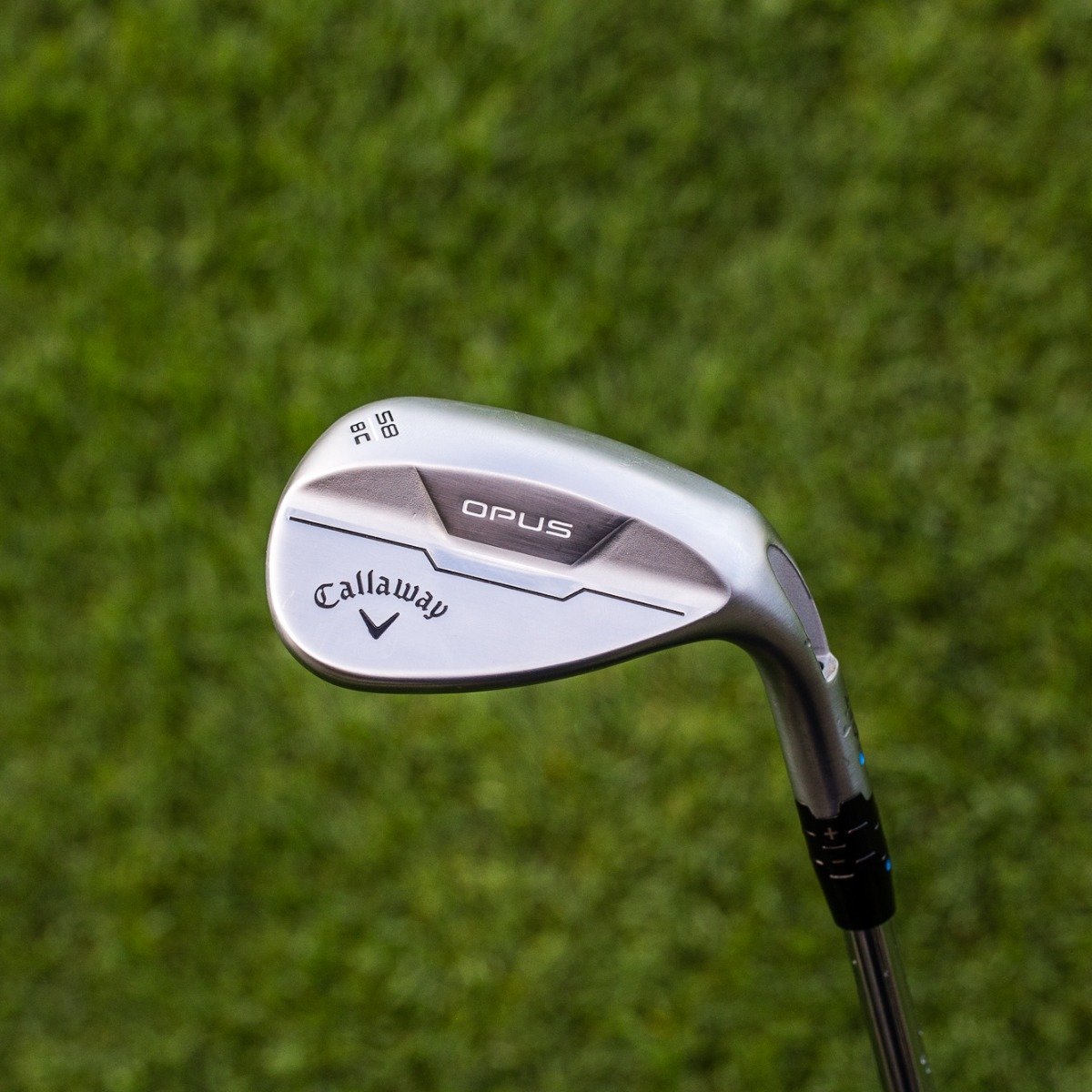
Bounce is the angle from leading edge to lowest sole point. Higher bounce reduces digging on soft turf and sand. Grind is how manufacturers shape the sole to change interaction going through different turf types. Players who understand bounce and grind can pick a wedge that suits their swing and the course conditions.
Turf conditions: firm versus soft
Firm turf demands a shallower attack angle and usually benefits lower bounce wedges. Soft turf and wet lies need more bounce to avoid excessive digging. Seasonal changes alter turf firmness, so the right wedge setup in spring may not be ideal in late summer. Read the turf and adapt your wedges and swing accordingly.

Player technique and how it changes interaction
Angle of attack controls how much turf the club encounters. A steep attack digs more and increases spin but can cause fat shots on firm turf. A shallow attack skims turf and reduces spin but improves consistency on tight lies. Body setup, stance width, and weight distribution also change how the wedge meets turf.

Practical wedge setup tips you can use today
- Check loft and bounce for the conditions you play most.
- Use higher bounce for soft, wet turf and lower bounce for hard, tight turf.
- Slightly open the clubface to add effective bounce for flop and lob shots.
- Practice shallow and steep swings to learn how each affects turf contact.
These small changes improve wedge turf interaction and lower your score quickly.

Drills to feel and control turf contact
- Towel drill: Place a thin towel a few inches behind the ball; avoid hitting the towel to train a shallow attack.
- Line drill: Draw a line in the turf and try to take consistent, small divots landing just past the ball.
- Impact tape or foot spray: Use these to see where the club contacts the ball and turf to adjust your setup.
Doing drills builds muscle memory and makes wedge turf interaction more predictable.

Fitting, loft stacking, and wedge gapping
A professional wedge fitting can reveal mismatches in loft, bounce, or grind that hurt wedge turf interaction. Proper gapping ensures you have consistent yardage steps and predictable turf contact across clubs. Consider different sole grinds for greenside shots versus full swings from tight lies. Good fitting reduces guesswork and improves confidence around the green.
Groundskeeping and course management impact
How the course is maintained changes wedge turf interaction for all players. Mowing height, irrigation, and aeration alter firmness and grain. Talk to your course superintendent if you play a home course often; small maintenance choices can help or hinder your short game. Learn to read the course and plan shots around the likely turf behavior.
Measuring and analyzing interaction: tech and feedback
Impact tape, launch monitors, and high-speed video show how wedge turf interaction affects launch, spin, and carry. Track consistent metrics: spin rate, launch angle, and carry. Use data to tweak bounce, grind, or technique. Combining feel with measurements speeds improvement and helps avoid bad habits.
My experience: mistakes, lessons, and quick wins
I once advised a low-handicap player to switch from a high-bounce sand wedge to a lower-bounce option for a firm, links-style course. The player immediately stopped leaving shots short and improved spin control. Lesson learned: pair your wedges to the turf you play most. Quick wins include testing one wedge at a time and keeping notes on how turf affected each shot.
Common mistakes to avoid
- Buying wedges only for looks and ignoring bounce or grind.
- Using the same technique on soft and firm turf without adjustment.
- Overcompensating with body mechanics instead of testing wedge setup.
Avoid these traps to keep wedge turf interaction under control and consistent.
Frequently Asked Questions of wedge turf interaction
What is the most important factor in wedge turf interaction?
Bounce and angle of attack are the most important. They largely determine whether the club digs, skims, or catches the ball clean.
How do I choose bounce for my wedges?
Match bounce to your swing and turf. Choose higher bounce for soft turf and steep swings, lower bounce for firm turf and shallow swings.
Can sole grind fix poor turf interaction?
Yes. A different grind can change how the sole glides and how much turf is displaced, improving performance in specific conditions.
Should I change wedges between seasons?
Consider it. Seasonal turf changes often require different bounce or grinds for best wedge turf interaction and consistent results.
How do I practice to improve turf interaction?
Use short, focused drills like the towel and line drills. Combine these with impact tape or video to see real feedback and adjust quickly.
Conclusion
Wedge turf interaction shapes spin, distance, and shot reliability. By understanding bounce, grind, turf, and technique—and by using simple drills and fit adjustments—you can turn unpredictable short shots into dependable scoring tools. Try one change at a time, track how the turf responds, and commit to regular practice. Share your results below, subscribe for more short-game tips, or ask a question so I can help you fine-tune your wedges.