Most golfers benefit from matching putter shape, weight, and balance to their stroke.
I have spent years testing putters on greens of every type. In this guide I explain putter types explained with clear facts, simple tips, and real tests. You will learn how putter types explained affect feel, aim, and consistency. Read on to find the right putter type for your game.

Why putter type matters
Putter choice changes how you aim and roll the ball. The right putter helps you hit more putts and reduce three-putts. I will show how putter types explained link to stroke style and green speed.

Main putter types explained
Below I break down the main putter types explained. Each type is simple to understand. I include who it fits best and what to watch for.
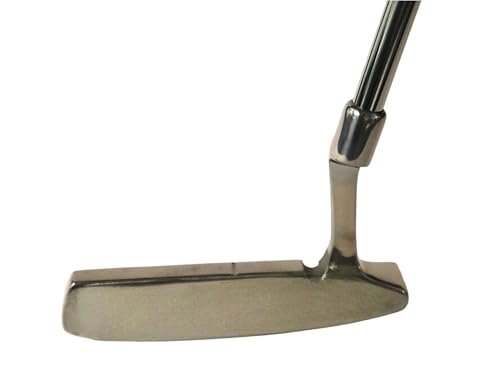
Blade putters
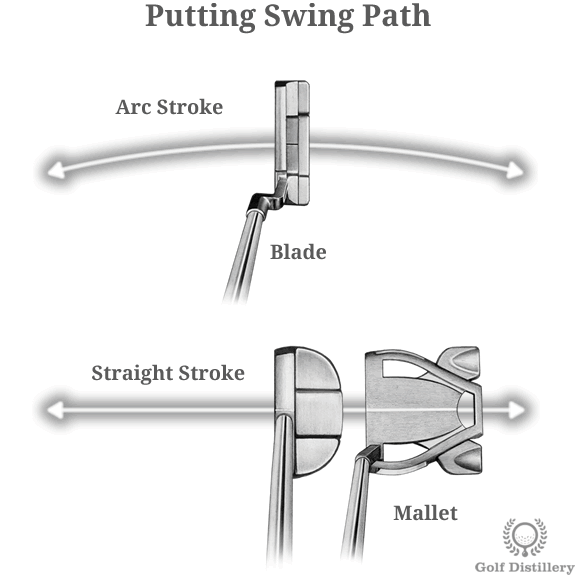
Blade putters are thin and simple. They suit players with a straight, short stroke. Blades give strong feel and feedback at impact. I used a blade for years on smooth greens. It helped me make small line corrections but punished off-center hits.
Mallet putters
Mallet putters have a larger head and more weight around the perimeter. They work well for players who need help with alignment and stability. Mallets are forgiving on off-center strikes. When I switched to a mallet, my long putts gained steadier speed control.
Mid-mallet putters
Mid-mallets sit between blades and big mallets. They offer a balance of feel and stability. They help players who want some forgiveness but still want feedback at impact.
High-MOI putters
High-MOI putters focus on stability and resistance to twisting. They are designed to keep the face square on off-center hits. These are great if you struggle with consistency or if your stroke varies.
Face-balanced putters
Face-balanced putters have the face level when the shaft is balanced on a finger. They suit a straight-back-straight-through stroke. If your wrists stay quiet through the stroke, face-balanced types help square the face.
Toe-hang putters
Toe-hang putters rotate open and closed when balanced. The amount of toe hang links to arc in your stroke. More toe hang fits an arcing stroke. I measured toe hang during fittings and found players hit more putts when toe-hang matched their arc.
Belly and long putters
Belly and long putters anchor against the body or chest. They reduce wrist action and can stabilize the stroke. They were once common on tour and still help some players with a smooth pendulum motion.
Counterbalanced putters
Counterbalanced putters add weight at the grip end to change balance. They boost stability and smooth tempo. I tried a counterbalanced putter and saw less twitch on longer lag putts.
How to choose the right putter type
Match putter types explained to your stroke and green conditions. Try putter heads and see what feels stable and aimed. Fit for length, lie, loft, and grip to make the putter work for you.

Practical steps to choose:
- Test your stroke style by videoing a few putts. Look for straight or arcing motion.
- Try a face-balanced model if you stroke straight. Try a toe-hang model if you have an arc.
- Check head size for confidence and stability.
- Get a fitting session if possible to dial in length and lie.
- Take at least 10 makes and misses to judge feel and roll.
Common fitting terms and what they mean
This quick list helps you read specs when testing putters.
- Loft: The angle of the face. It affects launch and roll.
- Lie: The angle between shaft and ground. It affects aim and toe/heel contact.
- MOI: Moment of inertia. Higher MOI means less twisting on hits.
- Toe hang: How much the head rotates when balanced. It matches stroke arc.
- Head weight: Affects feel and tempo on the greens.
:max_bytes(150000):strip_icc()/meet-the-golf-clubs-1560507_FINAL1-96bcd811ce0d4863a05afca4096478c9.png)
Common myths and mistakes about putter types
Many players pick a putter by looks and not by fit. A common myth is that heavier putters always roll better. That is not true; weight must match your pace and green speed. Another mistake is ignoring grip size. A proper grip can calm the hands and help alignment.
Real mistakes I made and lessons learned:
- Buying by brand rather than fit cost me weeks of poor putting.
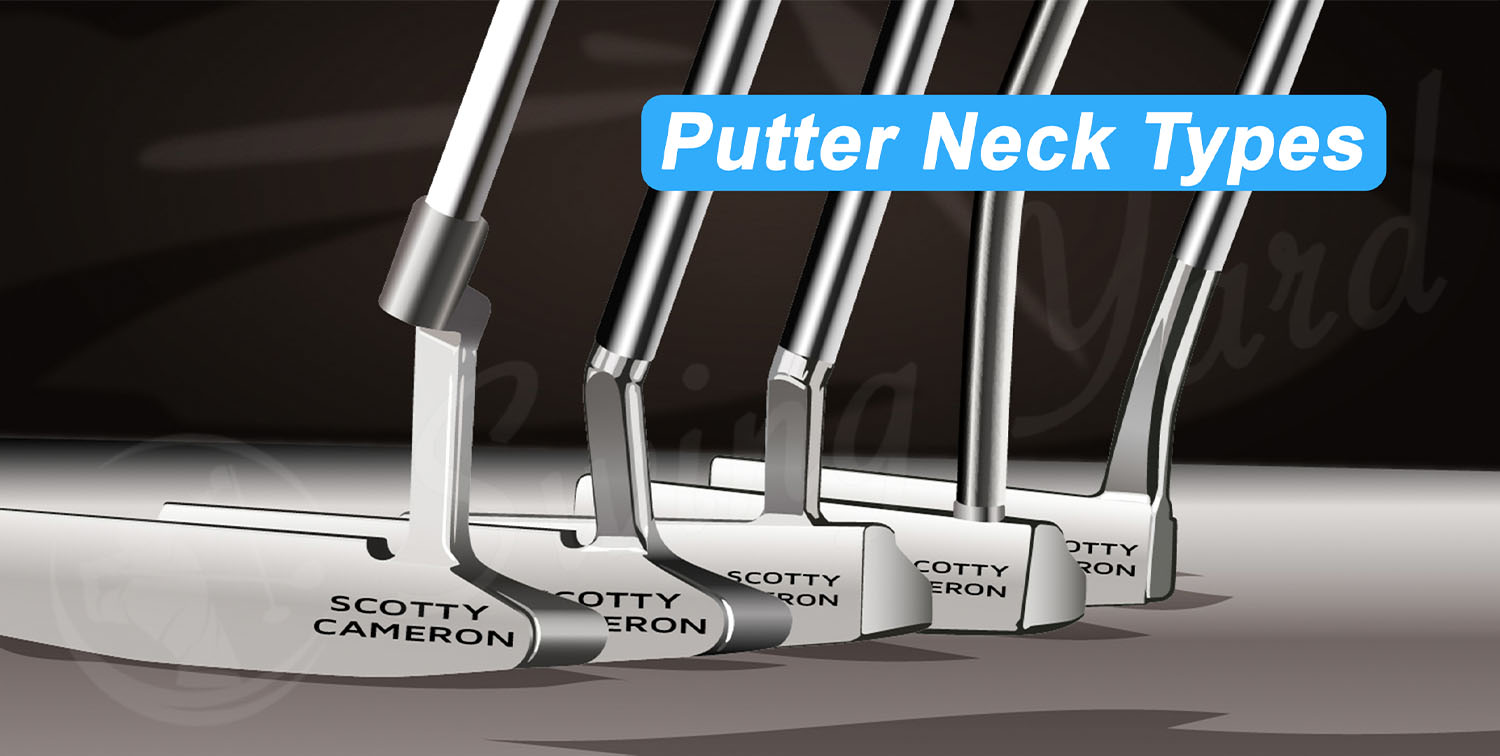
- Ignoring toe hang led to misreads and missed inside edges.
- Testing one putt is not enough. I learned to make a full session before deciding.
Maintenance and adjustments
Keep the face clean. Dirt changes roll and skid. Check loft and lie after a few rounds. Replace grips when they wear soft or slick. Small tweaks can restore feel and aim.
Simple care tips:
- Wipe the face after each round.
- Store in a dry place to avoid rust and damage.
- Use headcovers for mallets and blades.
- Retip shafts and replace grips as needed.
Frequently Asked Questions of putter types explained
What putter type should a beginner choose?
Beginners often start with a mallet or mid-mallet. These putter types explained offer more forgiveness and help with alignment, which speeds learning.
How does toe hang affect my stroke?
Toe hang changes the face rotation during the stroke. If you have an arcing stroke, pick a putter with some toe hang to match your path.
Does head weight matter more than head shape?
Both matter. Head weight affects feel and pace. Head shape affects alignment and forgiveness. Test combinations to find what clicks.
Can changing putter types lower my score quickly?
Yes, matching putter types explained to your stroke often cuts three-putts and improves lag putting. A correct match can show results in a few rounds.
Are longer putters legal in competitive play?
Yes, long putters are legal, but anchoring rules changed in 2016. You can use a long or belly putter without anchoring against your body.
How often should I get fitted for a putter?
Get fitted when you change your stroke or feel inconsistent. A fitting every one to two years is a good habit. Fittings help ensure putter types explained still match your game.
Conclusion
Choosing a putter is part science and part feel. Think about stroke type, stability, and how the head feels when you aim. Test putter types explained until one fits your eye and stroke. Take action: try three putters on the range and pick the one you hit most often. Share your results or ask for fitting tips to keep improving.