Mallet putters offer more stability and forgiveness; blade putters give better feel and control for skilled strokes.
I’ve built and tested dozens of putters and helped golfers of all levels pick the right head. This guide on mallet vs blade putters breaks down design, feel, performance, fitting tips, and real-world advice so you can pick the putter that lowers your scores and fits your stroke.
Mallet vs blade putters: key differences
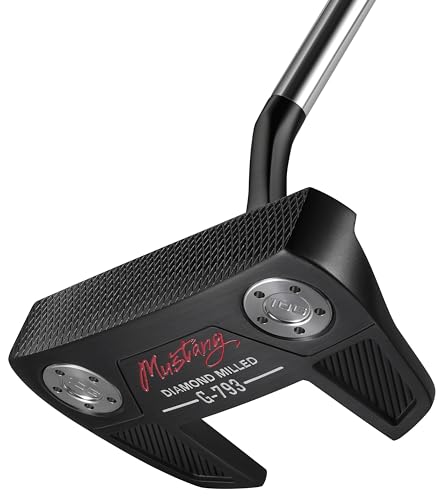
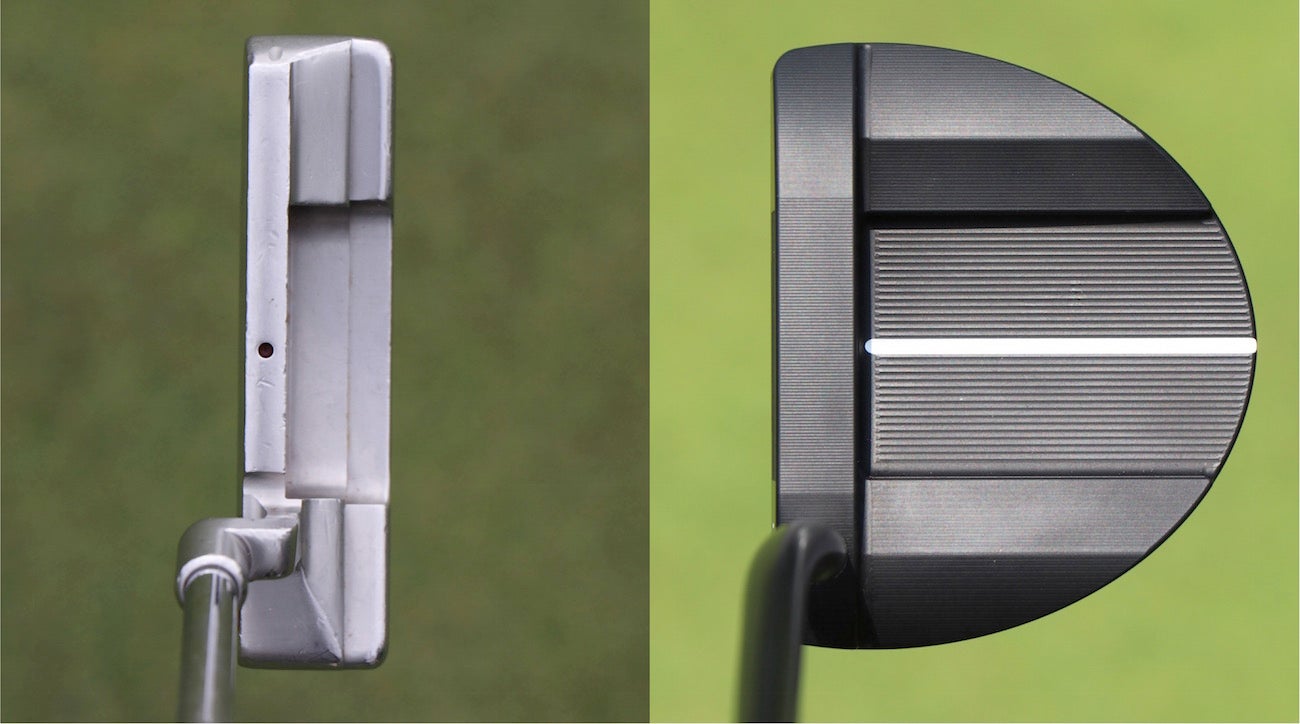
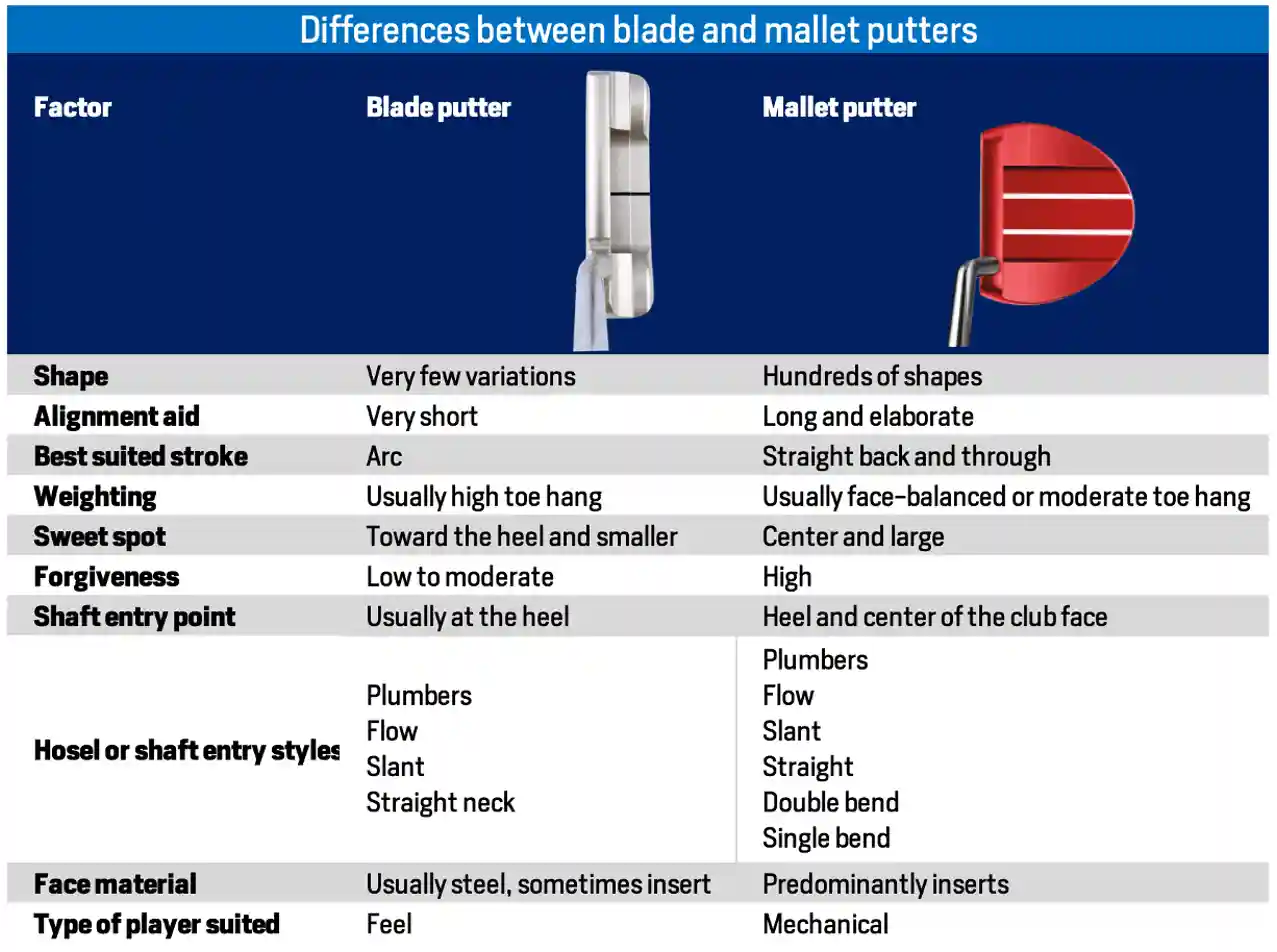
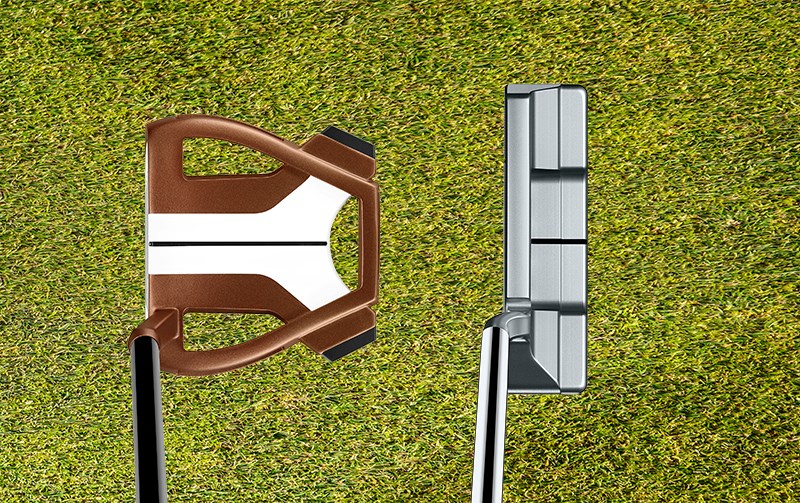
Mallet and blade heads start from different design goals. Blade putters are compact, with a simple toe-heel mass layout that favors feel and touch. Mallet putters use larger shapes and higher perimeter weighting to add stability and forgiveness on off-center strikes.
When golfers debate mallet vs blade putters they usually mean tradeoffs between forgiveness, alignment, and feel. I’ll explain how each attribute affects your roll so you can test with purpose.
Performance: stability, forgiveness, and feel
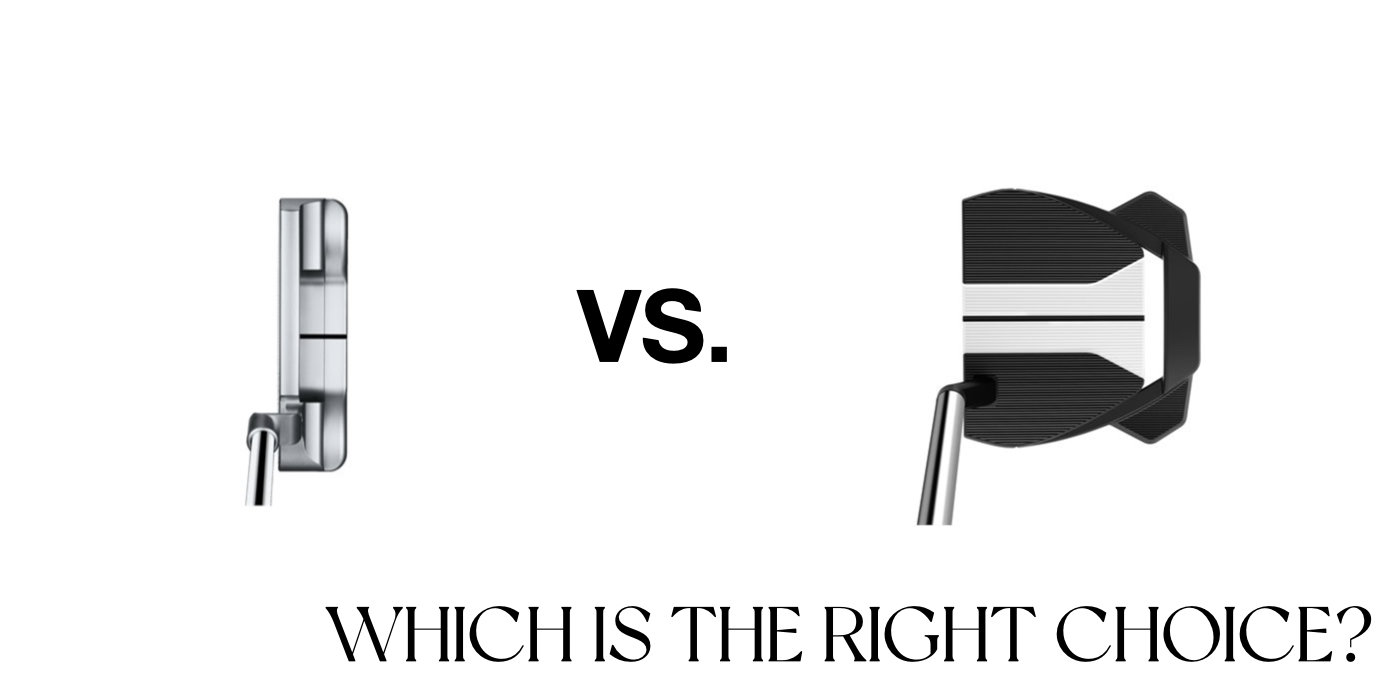
Mallet putters raise the moment of inertia. That means the head resists twisting on mishits and keeps the ball on line more often. This helps mid-handicap and higher-handicap players who miss the sweet spot sometimes.
Blade putters reward consistent impact and a smooth tempo. They give direct feedback on hits, which serious players use to refine stroke mechanics. For short, delicate putts many players prefer the precise feel of a blade.
When comparing mallet vs blade putters, think about how often you miss center and how much feedback you want. My tests showed golfers who prefer stability shave strokes faster with mallets, while low-handicappers improve pace and touch with blades.
Which stroke suits which putter?
Your stroke type often decides the better head shape. Use these simple rules:
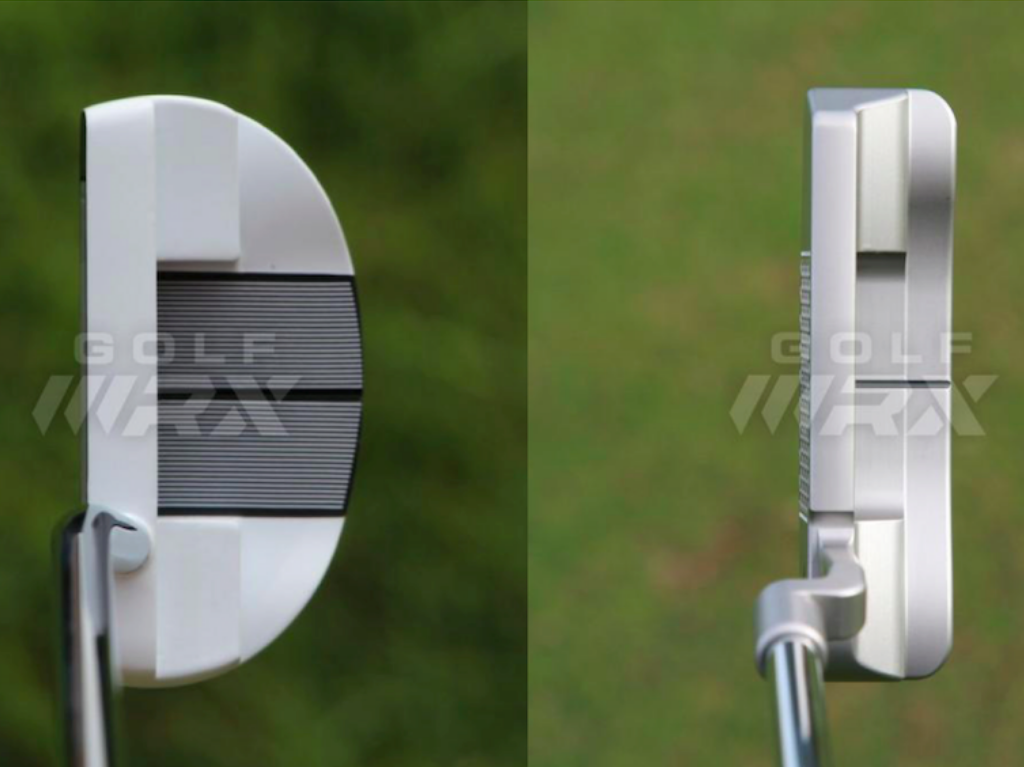
- Straight-back-straight-through stroke usually pairs well with mallet putters that have higher MOI and alignment aids.
- Arc-style stroke tends to match blade putters that are easier to square at impact with toe-hang designs.
- If your tempo varies, mallet putters can hide small timing errors and keep the ball online more often.
I once coached a player who had a mild arc and saw his stroke tighten after switching from a large mallet to a modest blade. He gained feel and started making more inside-6-footers.

Design, weighting, and alignment features
Mallet heads come in many shapes: winged, mid-mallet, and large plunger styles. They commonly use:
- Perimeter weighting to boost MOI and forgiveness.
- High-contrast alignment lines or windows to speed setup.
- Face inserts or milling to tune sound and roll.
Blade designs focus on a compact footprint and refined weight distribution. Typical features include:
- Toe-weight bias options to control toe hang.
- Soft or firm face textures for feel differences.
- Minimalist alignment cues that rely on player routine.
When you read specs comparing mallet vs blade putters, look beyond the head shape. Consider shaft length, lie angle, grip size, and face technology. Those details shape how the putter feels more than the silhouette does.

How to choose: fitting and testing tips
Follow a short, repeatable fitting routine to find what really helps your score:
- Start with a putter that matches your stroke type—mallet for straighter strokes, blade for arcing strokes.
- Try 10 to 15 putts at 6, 12, and 24 feet to judge consistency and pace.
- Compare how each head handles off-center hits and how it aligns naturally to your eyes.
- Ask about shaft length and lie angle adjustments rather than forcing your setup to a stock spec.
In fittings I run, players often think feel is king until they see consistent left-right dispersion maps. That’s when mallet vs blade putters becomes a clear, data-driven choice rather than an aesthetic one.
Common mistakes and how to avoid them
Many golfers pick a putter for looks and then blame luck when results lag. Avoid these errors:
- Choosing by aesthetics only. Match head shape to stroke first, then choose style.
- Ignoring grip size. Too-thin grips amplify wrist action and hurt consistency.
- Skipping a proper fit. Small adjustments to lie or length make big gains.
I once kept a great putter in the bag that sat too flat to the turf. Once the lie was corrected, my distance control improved immediately. Simple fixes like this are underrated.
Pros and cons summary
Mallet putters
- Pros: High forgiveness, easy alignment, consistent roll on off-center hits.
- Cons: Less feedback for touch shots, can feel bulky for some golfers.
Blade putters
- Pros: Crisp feedback, precise control, preferred by many single-digit players.
- Cons: Less forgiving, harder to align under pressure for some golfers.
Thinking about mallet vs blade putters? Use this list to match the head to your strengths and weaknesses on the green.

Frequently Asked Questions of mallet vs blade putters
What is the main difference between a mallet and a blade putter?
The main difference is shape and weight distribution. Mallets are larger with perimeter weighting for forgiveness; blades are compact and prioritize feel and feedback.
Which putter is better for beginners?
Beginners often benefit from mallet putters because they forgive off-center hits and offer easier alignment. That helps reduce three-putts while the stroke develops.
Do blades offer better feel than mallets?
Yes, blades usually offer a more direct feel and clearer feedback at impact, which many skilled players prefer for touch and pace control. However, feel preference is personal and best judged in testing.
Can a mallet putter improve my putting accuracy?
A mallet can improve accuracy by resisting twist on mishits and offering clearer alignment aids. It won’t replace practice, but it reduces the penalty for imperfect contact.
How should I test mallet vs blade putters on the course?
Test both types over real putts: short, mid, and lag distances. Track make percentage, left-right dispersion, and confidence when addressing the ball to decide which head improves your scoring.
Conclusion
Mallet vs blade putters comes down to stability versus feel. Choose a mallet for forgiveness, alignment help, and steadier results. Choose a blade for direct feedback, touch, and precision on short putts. Test both with a simple routine, adjust lie and length, and make decisions based on data and comfort rather than looks alone. Try a fitting, practice under pressure, and pick the putter that helps you hole more putts.
Ready to lower your scores? Book a fitting, test both styles on real greens, and leave a comment with your results or questions.