Mallet putters offer more stability and alignment; blade putters give better feel and touch on the greens.
I’ve spent years fitting golfers and testing putters on real courses and launch monitors. This guide breaks down mallet putter vs blade putter in clear, practical terms so you can pick the one that improves your scoring. I’ll share what each type does best, who benefits most, fitting tips, and real-world lessons from my own rounds and fittings.
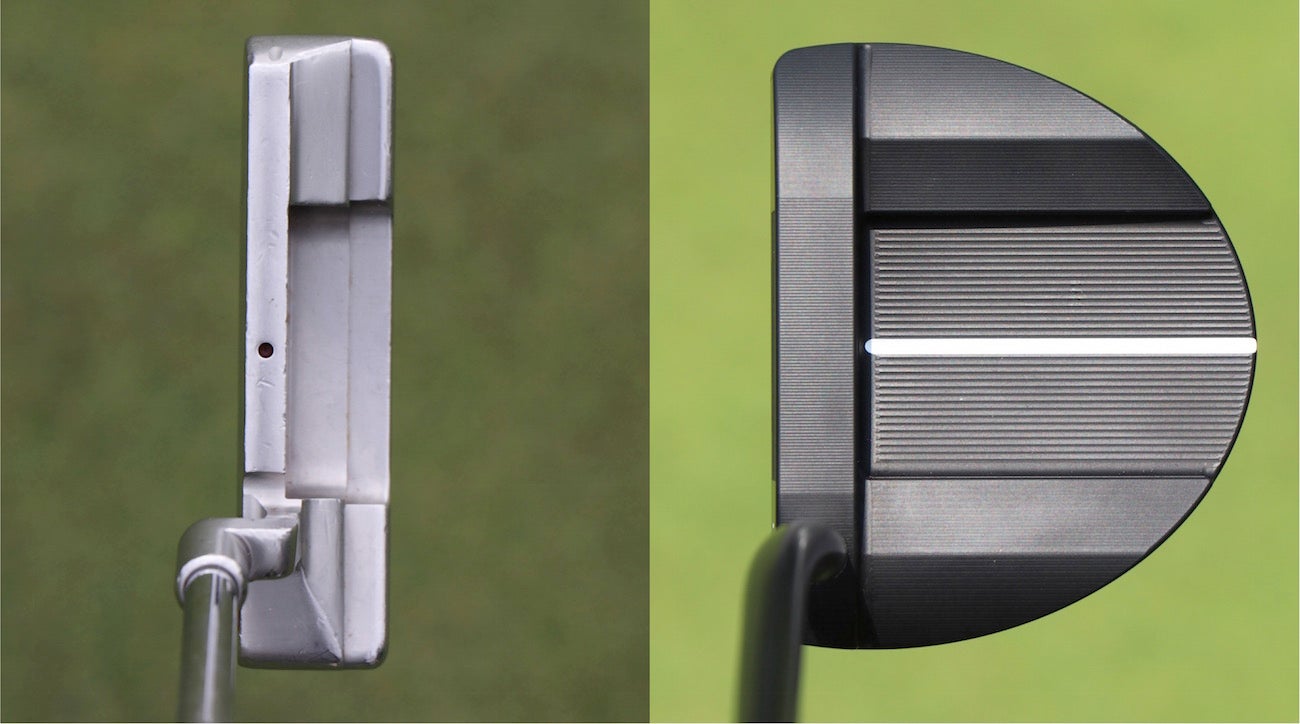
Design Differences: Shape, Weight, and Balance
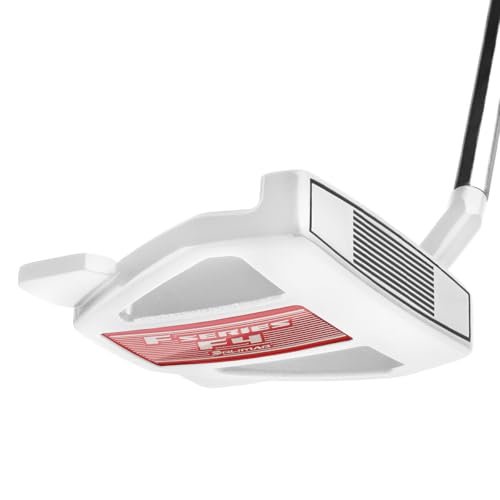
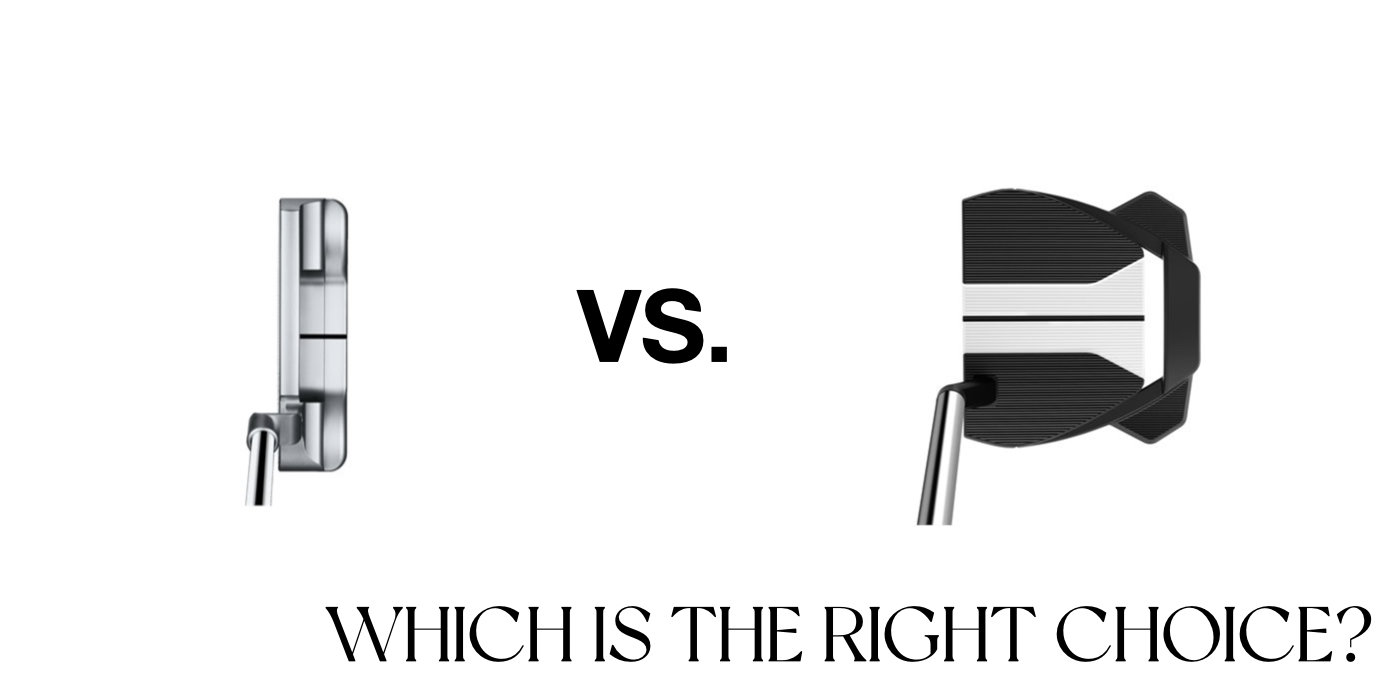
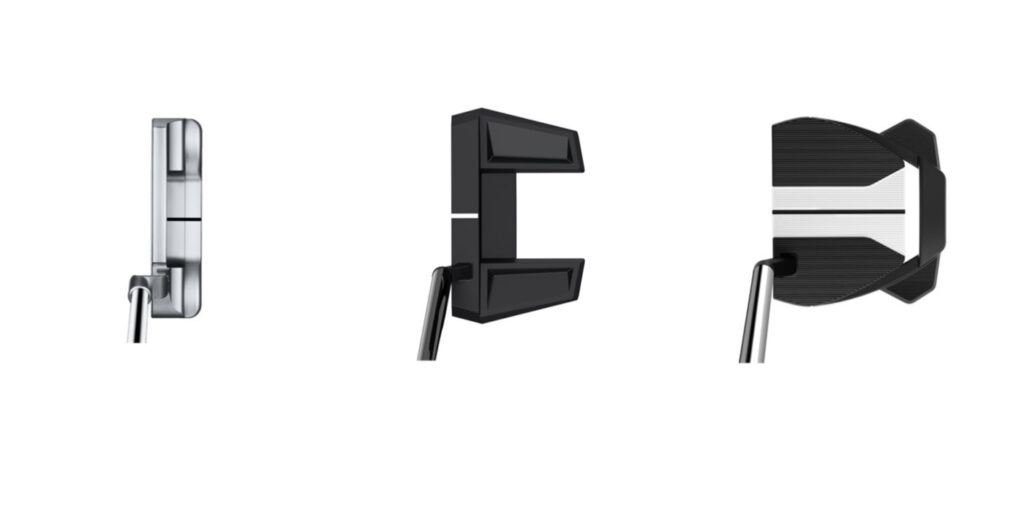
Mallet putters and blade putters look very different. When comparing mallet putter vs blade putter, the core is shape and weight distribution. Mallets are larger and often have weight pushed to the toe and heel. Blades are slim, compact, and usually heel-toe balanced.
Key design points to know:
- Head size: Mallet heads are bigger and more forgiving; blade heads are smaller and more traditional.
- Weight placement: Mallet putters spread weight wide for stability; blade putters concentrate weight near the center.
- Neck and hosel: Blades often have more varied neck shapes affecting toe hang; mallets usually come with center-shaft or face-balanced options.
These design factors change how the putter moves through the stroke and how it reacts at impact. When you compare mallet putter vs blade putter, think of a mallet as a steady guide and a blade as a precise tool.
Forgiveness and Consistency
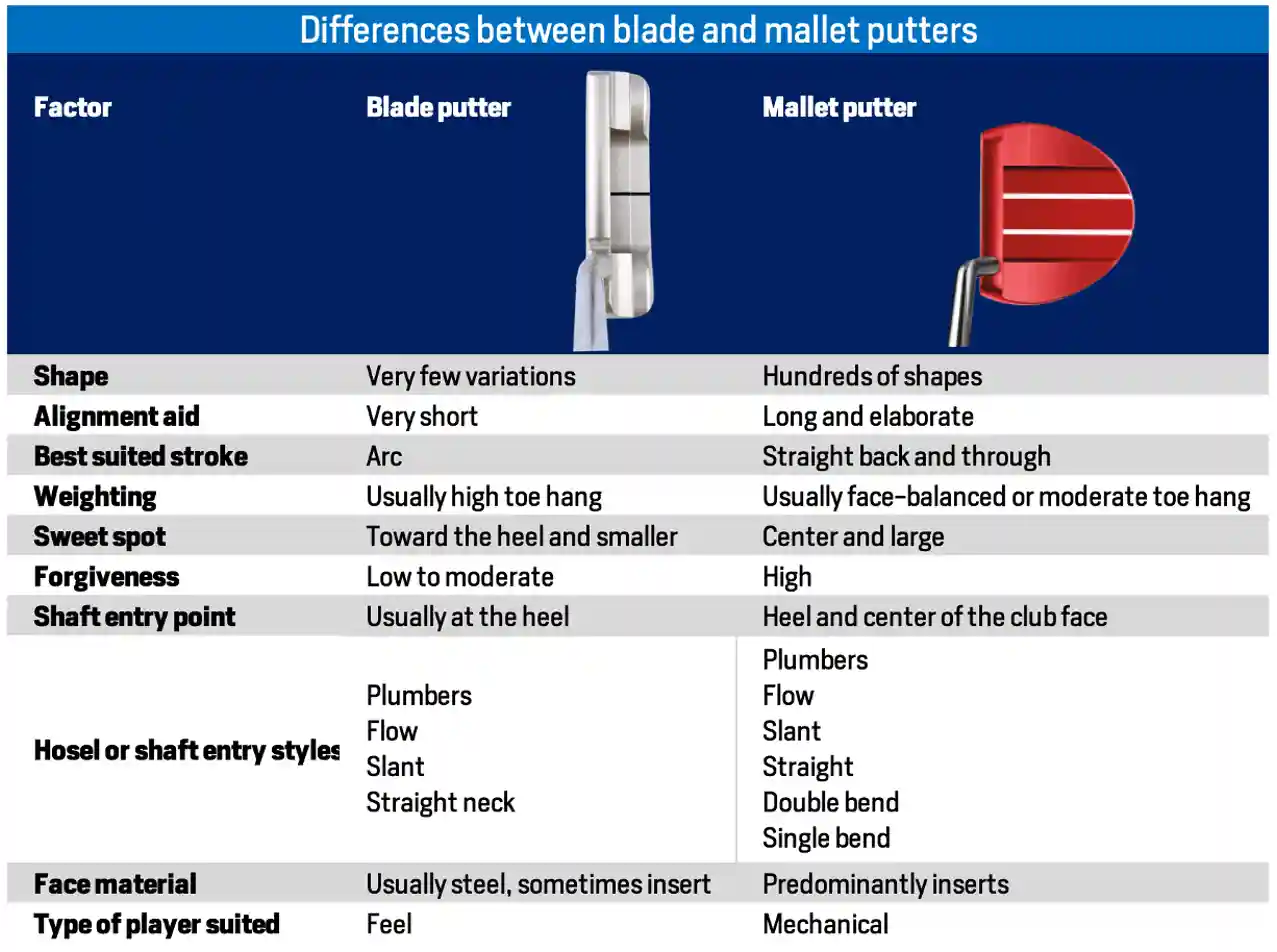
Forgiveness is where many beginners and high-handicap players benefit most. In a mallet putter vs blade putter comparison, mallets generally give more forgiveness. The larger head and perimeter weighting reduce twisting on off-center hits.
Why forgiveness matters:
- Missed-center hits: Mallets reduce side spin and keep the ball on line more often.
- Consistent roll: Perimeter weighting helps produce a steady roll even on imperfect strikes.
- Confidence: Seeing the head stay square helps some golfers commit to the stroke.
Blade putters reward precise contact. If you strike the sweet spot, a blade can be extremely consistent. But blade putters penalize hits that are off the center, which can cause more deviation.
Feel, Feedback, and Sound
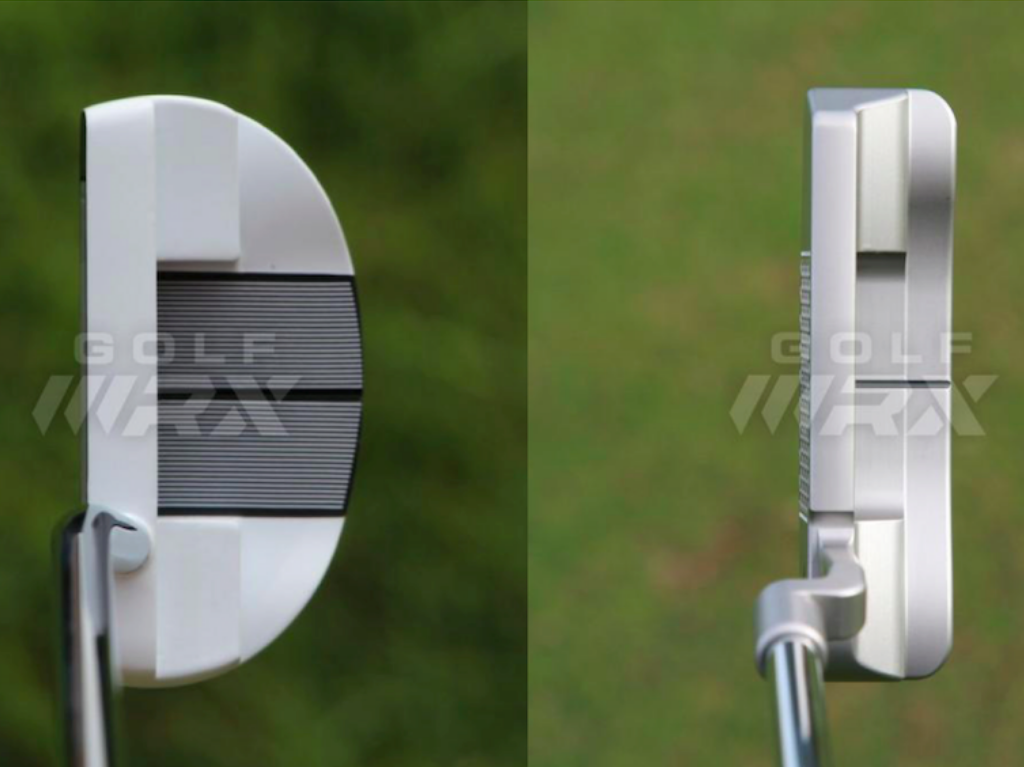
Feel is personal. When comparing mallet putter vs blade putter, the difference often comes down to feedback. Blade putters give immediate feedback through the hands and sound. Mallet putters tend to feel more muted and stable.
How to interpret feel:
- Feedback: Blades show where you hit the face; mallets hide small misses.
- Sound: Blades usually have a brighter click; mallets are softer or dull.
- Touch control: Many skilled putters prefer the tactile info blades give for delicate lag and touch.
I’ve taught players who switched from a blade to a mallet and said they now miss the “feel” for short lag putts. Tradeoffs exist; choose what helps you make putts.

Alignment and Aiming Benefits
Alignment is a major selling point for mallet putters in the mallet putter vs blade putter debate. The larger head provides more visual aids like lines and frames. This helps many golfers aim more accurately.
Alignment advantages:
- Visual guides: Mallets offer clearer sight lines and shapes to square the face.
- Stability in stroke: Wider heads help keep the putter face on the intended path.
- Ease for straight strokes: Face-balanced mallets suit players with a straight-back-straight-through stroke.
Blade putters can have alignment aids too, but their smaller profile gives fewer visual cues. If you struggle to pick a line, a mallet often makes the task simpler.
Who Should Choose Which: Skill Levels and Stroke Types
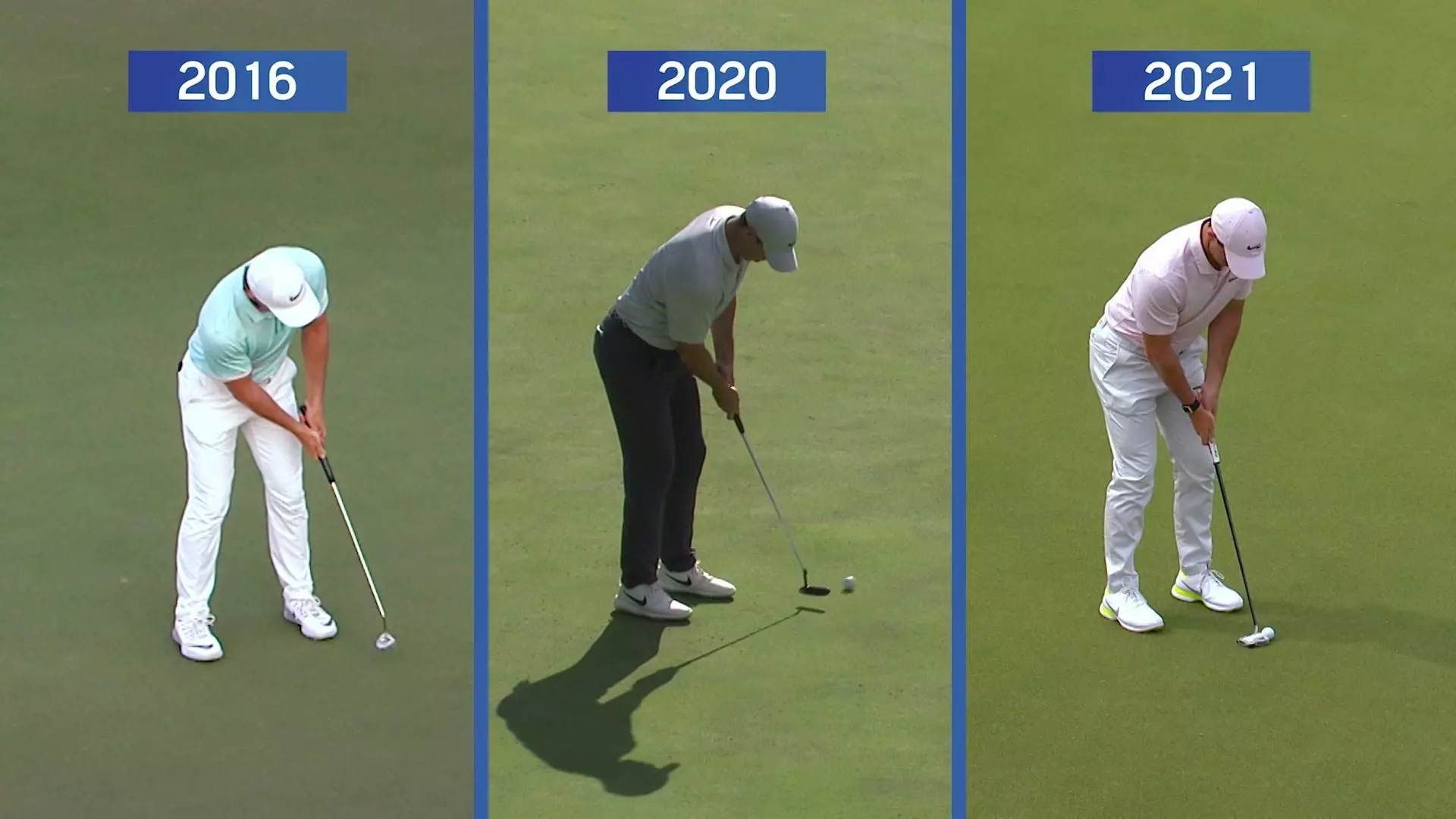
Picking between a mallet putter vs blade putter depends on your stroke and level. Here’s a simple rule of thumb from my fitting work.
Who to pick a mallet:
- Golfers who miss center often and need forgiveness.
- Players who prefer visual alignment aids.
- Those with a straight-back-straight-through stroke.
Who to pick a blade:
- Players who make consistent center strikes.
- Golfers who have an arc in their stroke and rely on feel.
- Competitors who want precise feedback and control.
I’ve seen mid-handicap players drop two to three strokes by switching to a mallet and improving consistency. Conversely, skilled golfers sometimes gain better touch by moving to a blade.
Testing and Fitting: How to Choose
Testing is the best way to decide mallet putter vs blade putter. A custom fitting session gives data and confidence. Try this step-by-step method I use with students.
Steps to test:
- Start with one mallet and one blade that match your length and lie.
- Hit 10 short putts and 10 long putts with each head, noting make rate and feel.
- Use a launch monitor if possible to track face angle and roll quality.
- Try alignment aids and different necks to see what improves aim and stroke.
Small changes matter. Adjust shaft length, lie, and grip size during testing. A putter that works on the practice green might change on the course, so test in real conditions.
Maintenance, Price, and Brands to Consider
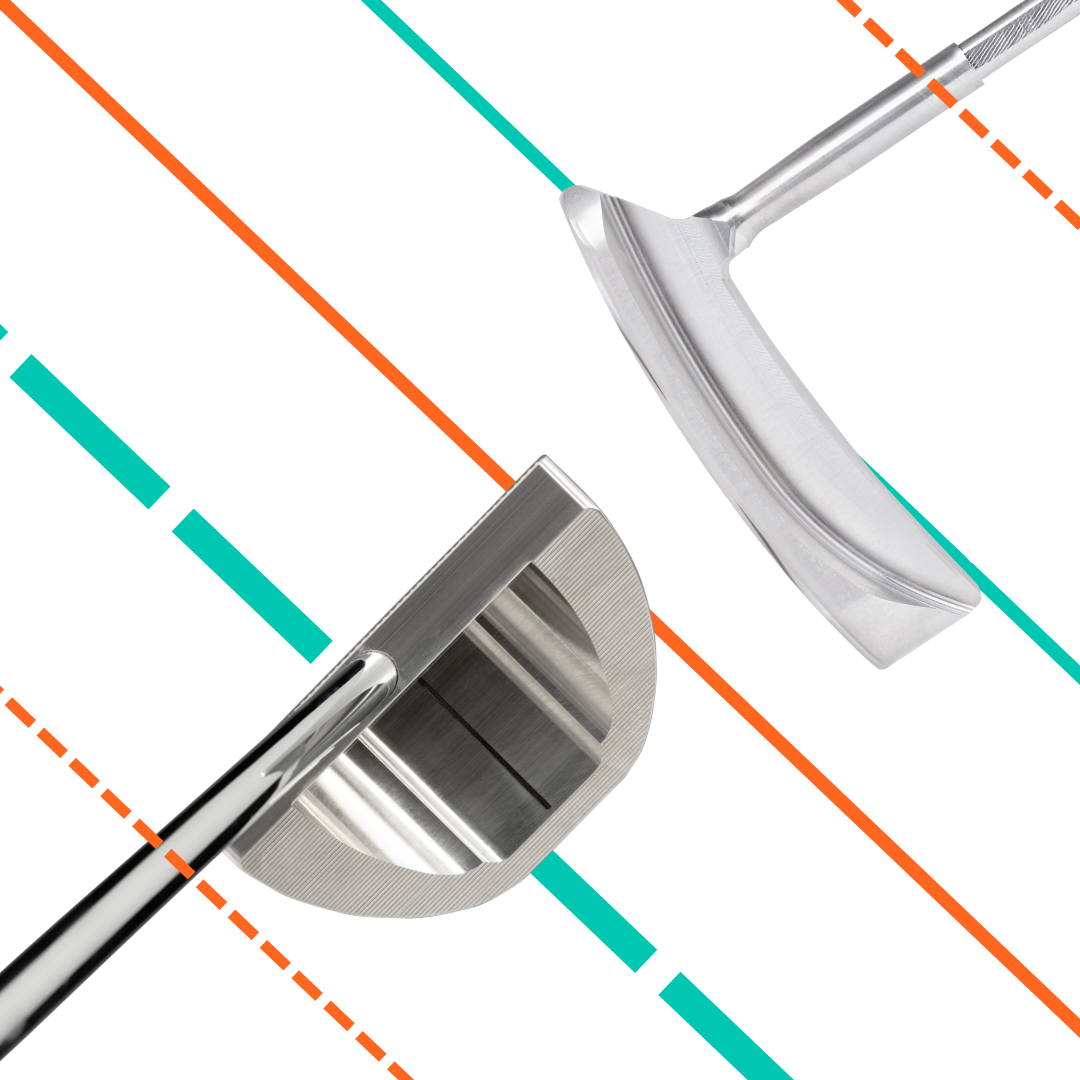
Both mallet putters and blade putters have models for different budgets. The mallet putter vs blade putter choice also ties to cost and upkeep.
What to expect:
- Price range: Entry-level blades and mallets start affordably; premium models cost more due to materials and tech.
- Maintenance: Keep faces clean; periodic loft and lie checks keep performance stable.
- Brands and tech: Many brands add inserts, adjustable weights, and alignment systems to both styles.
Budget players can find great value. Fitters often recommend starting with mid-range models before investing in pricey options.
My Experience and Practical Tips
I switched between mallet putters and blade putters many times while testing. My students taught me that the best choice is the one that builds confidence and lowers scores.
Practical tips from the course:
- If you miss short putts, try a blade for better feel, then retest.
- If you miss to the left or right on long lag putts, a mallet can reduce side spin.
- Don’t buy just for looks—test both under pressure, like with a small wager or match play.
A young player I worked with dropped three strokes after switching to a mallet that matched his straight stroke and steadyed his aim. Changes should be measured and tested.
Frequently Asked Questions of mallet putter vs blade putter
What is the main difference between mallet putter vs blade putter?
The main difference is head shape and weight placement. Mallet putters are larger and more forgiving, while blade putters are slimmer and give more feel.
Which putter type helps reduce mishits?
Mallet putters tend to reduce mishits because of perimeter weighting and higher MOI. They keep the ball straighter on off-center strikes.
Do professionals use mallet putters or blade putters more often?
Both types are used by professionals; the choice depends on stroke and preference. Many pros favor blades for feel, but top players also use mallets for stability.
Can switching putter types improve my score quickly?
Yes, switching can help if the new putter matches your stroke and needs. Test both types in play to confirm any gains.
How should I test mallet putter vs blade putter before buying?
Test on real greens with short and long putts, and compare make rates and feel. Use a fitting session or a launch monitor for precise data.
Conclusion
Mallet putters and blade putters each offer clear strengths: mallets give forgiveness and alignment help; blades give feel and precise feedback. Try both with a simple testing routine, and pick the one that boosts your confidence and makes more putts. Start by testing during practice and a short on-course session, then choose the putter that helps you save strokes.
Take action today: test one mallet and one blade, track your makes, and share your results or questions below — I’ll help you interpret them.