Iron distance gaps are the yardage differences between your irons that guide club choice.
I’ve spent years fitting clubs and studying swing data, and I know how frustrating mismatched distances can be. This article explains what iron distance gaps are, why they matter, and exactly how to measure, fix, and practice them. Read on for clear steps, simple drills, and real-world tips you can use on the range and on the course.
What are iron distance gaps?
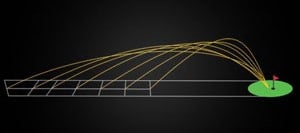
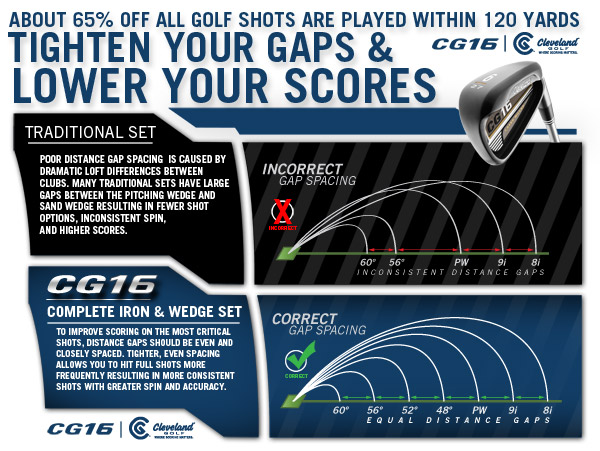
Iron distance gaps are the yardage differences you get from one iron to the next. They show how far the ball flies with each iron. Good iron distance gaps give you predictable yardages. Bad gaps leave you guessing and cost strokes.

Why iron distance gaps matter
Clear iron distance gaps let you pick the right club in pressure moments. When gaps are even, you can commit to a shot and hit the target. Uneven gaps force conservative play or risky guesses. That adds stress and raises scores.

Typical targets for iron distance gaps
Most players aim for steady gaps between clubs. The exact number depends on swing speed and set makeup. Here are common targets to help you plan and test your set.
- 10 to 15 yards per iron for mid- to high-handicap players, making club selection easier.
- 8 to 12 yards per iron for low-handicap players who need tighter control and shot-making.
- 4 to 6 yards between wedges to cover short-game distances precisely.
- 12 to 20 yards gap when replacing long irons with hybrids or fairway woods.
How to measure your iron distance gaps
Measure gaps on the range and on a launch monitor if possible. Follow these steps to get reliable numbers.
- Warm up for 10 minutes so swings are consistent.
- Hit 5 solid shots with each iron and record carry distances or total distance.
- Take the median distance for each club to avoid outliers.
- Compare adjacent clubs to see the yardage gaps.
Record the results in a simple chart. Re-test every few months or after equipment changes.

Common causes of uneven iron distance gaps
Several things create messy iron distance gaps. Identifying the root helps you fix the issue.
- Mismatched lofts and club design can create big string-of-numbers gaps.
- Swing speed changes across clubs often cause irregular distances.
- Poor contact or inconsistent ball strike widens gaps unpredictably.
- Switching ball types or using different shafts alters carry and spin.
Find the biggest factor first. That directs whether you need a fitting, technique work, or a ball change.

How to fix iron distance gaps — equipment and technique
You can repair gaps with simple changes. Mix equipment tweaks with smart practice.
- Re-gap your set by adjusting lofts or replacing certain clubs to smooth yardage steps.
- Consider hybrids for long irons if gaps are too large or ball flight is inconsistent.
- Fit shafts to match your tempo and speed so distances become more regular.
- Improve strike with a short drill that trains consistent contact and ball position.
- Change to a ball that fits your spin profile if wedges or long irons are off.
Start with the least invasive fix. Test after each change to measure the effect.
.jpg)
Practice drills to even out iron distance gaps
Practice with purpose to turn numbers into confidence. Try these drills on the range.
- Ladder drill: Hit each iron from the same lie and mark carry distances to compare side-by-side.
- 3-ball control: Hit three shots with one club and aim for the same spot to tighten dispersion and distance.
- Half-swing work: Use 3/4 swings to find consistent carry and see how gaps compress or expand.
- Target practice: Pick multiple targets at known distances and choose clubs based on your measured gaps.
Do these drills weekly. Short, focused practice beats long, unfocused sessions.
Club fitting and technology — when to use them
A professional fitting can fix hidden problems fast. Use tech when you want precise control.
- Get a loft and lie check to ensure club specs match your set goals.
- Use a launch monitor to measure carry, spin, and launch angle for real data.
- Ask a fitter about replacing clubs that create big holes in your yardage profile.
I recommend a fitting when you buy a new set or after a big change in swing. The cost often saves strokes.
My personal experience with iron distance gaps
I once had a set with a 25-yard jump between 6-iron and 7-iron that cost me several par opportunities. I booked a short fitting, adjusted lofts and tried a hybrid, and the gaps tightened immediately. After targeted drills, my scoring shots became more confident and my scores dropped. The lesson: measure first, change one thing at a time, and test again.
Frequently Asked Questions of iron distance gaps
What is a good iron distance gap?
A good gap is usually 8 to 15 yards between irons depending on your level. Tighter gaps help skilled players; wider are fine for slower swing speeds.
How often should I measure my iron distance gaps?
Measure every 3 to 6 months or after equipment or swing changes. Regular checks keep your yardages reliable.
Can changing the golf ball fix iron distance gaps?
Yes, switching to a lower- or higher-spin ball can change carry and wedge distances. Always test new balls on the range before committing.
Should I re-lie or re-loft my irons to fix gaps?
Re-lofting can smooth gaps, especially in older sets or mixed brands. Consult a fitter to keep club integrity and value.
Are hybrids a good fix for large gaps?
Hybrids often replace long irons and reduce big gaps with more consistent carry. They can help players who struggle with long-iron flight and control.
Do shaft changes affect iron distance gaps?
Yes, shaft flex and weight affect launch and carry. Matching shafts to your tempo can tighten or widen gaps depending on the fit.
Conclusion
Consistent iron distance gaps give you the confidence to choose the right club and lower your scores. Measure your distances, find the cause of any gaps, and fix them with smart gear changes and focused practice. Try one change at a time, retest, and keep a simple chart of your yardages. If this helped, leave a comment, subscribe for more tips, or book a fitting to start closing your gaps today.