Iron distance gaps are the yardage differences you get between each iron club.
I’ve coached golfers and tracked thousands of practice swings. I know how confusing iron distance gaps can be. This guide breaks the topic down simply. You will learn what iron distance gaps mean. You will learn why they matter. You will get clear steps to measure and fix gaps. I share real tips from my time on the range and lessons learned with students. Read on for a full, practical guide to mastering your iron distance gaps.
What are iron distance gaps?
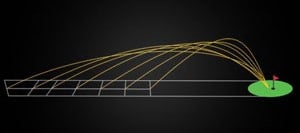
Iron distance gaps are the yardage differences between one iron and the next. This usually means the carry or total yards you hit with each numbered iron. Good iron distance gaps are consistent. They help you pick the right club for each shot. Gaps come from loft differences, shaft length, swing speed, and ball contact. Measuring carry distance is the most useful way to track iron distance gaps.

Why consistent iron distance gaps matter
Consistent iron distance gaps give you better club selection. You miss fewer greens and hit more greens in regulation. You save strokes by using the right club for the yardage. Consistent gaps reduce doubt on the course. They improve shot shaping and course management. When gaps are uneven, you end up guessing and leaving shots short or long.

How to measure your iron distance gaps
You can measure gaps with simple steps. Here’s a clear process.
- Warm up like you would on the course. Take 10 swings to settle in.
- Pick a neutral ball and use the same tee or lie for each shot.
- Start with your highest-numbered iron and work up to your longest iron.
- Hit 4 to 6 full swings per club. Record carry and total distance for each swing.
- Drop the highest and lowest numbers. Average the middle results.
- Note the average carry for each club. Subtract adjacent clubs to get your iron distance gaps.
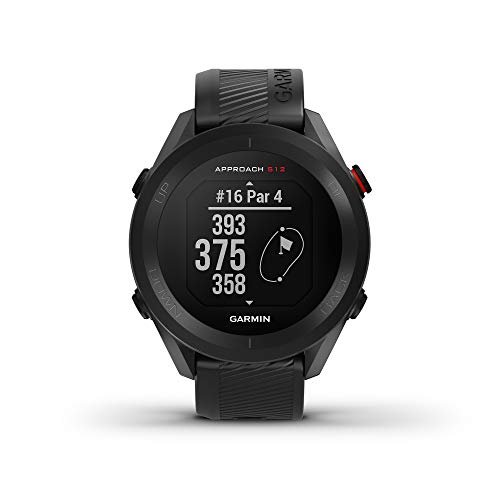
Use a launch monitor if you can. If not, use a range with markers or a GPS watch. Track both carry and total. Carry tells you how the ball behaves in play. Total includes roll, which matters on firm courses. Repeat this test in different conditions for accuracy.
Common gapping problems and fixes
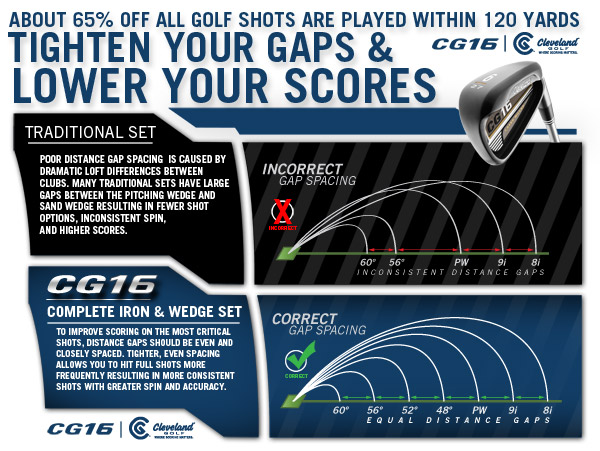
Problem: Overlap between clubs. This is when two clubs land at nearly the same yardage.
Fixes:
- Check lofts. Modern clubs may have similar lofts.
- Adjust ball position or shaft flex.
- Consider adding a utility or gap wedge.
Problem: Uneven big gaps. This is when one gap is much larger than others.
Fixes:
- Measure swing speed and ball speed.
- Add a club or change lofts to even out gaps.
- Work on consistent contact to reduce variability.
Problem: Inconsistent distances day to day.
Fixes:
- Track distances in different weather.
- Use the same ball make and model.
- Log results and practice tempo control.
Problem: Big change after new clubs.
Fixes:
- Re-measure all irons after any club change.
- Adjust set makeup, not swing, at first.
Small tweaks in loft, lie, or shaft can remove many issues. Always test changes on the range before altering your on-course strategy.

Building a personalized iron gapping chart
A gapping chart is one page of truth for your bag. It should show carry and total yards per club. Use this to pick clubs with confidence.
Steps to build a chart:
- List each iron from PW to longest iron.
- Record average carry and average total for each.
- Calculate yardage gaps between clubs.
- Note conditions used for testing (wind, turf, temperature).
- Update the chart after major changes to clubs or swing.
Sample chart (example numbers for a mid-handicap player):
- PW: 110 carry, 115 total
- 9-iron: 120 carry, 126 total
- 8-iron: 130 carry, 136 total
- 7-iron: 140 carry, 146 total
- 6-iron: 150 carry, 157 total
- 5-iron: 165 carry, 172 total
Aim for gaps that suit your game. Many players aim for 8–12 yards between irons. Some need larger gaps between long irons due to roll. Keep your chart handy on your phone or in your bag.

Tools and tech that help with iron distance gaps
Modern tools speed up gapping. They also add precision.
- Launch monitors that show carry, spin, and ball speed. These give the clearest data.
- Radar devices for outdoor tracking. They work well for total distance.
- Rangefinder or GPS watch. Good for on-course validation.
- Shot-tracking apps. They let you log rounds and practice sessions.
- Simple range markers and a notebook. Low-tech but effective.
Use technology to measure. Then practice to repeat those numbers. Technology is a guide, not a fix. Real improvement comes from consistent practice and good setup.
.jpg)
My experience and lessons learned
I once worked with a player who hit 7- and 8-iron the same distance. We tested on a launch monitor and found the 7-iron had a soft shaft and odd loft. A simple re-shaft and loft tweak fixed the overlap. After that, the player was 50% closer to the pin on approach shots.
Key lessons I learned:
- Always measure before you change clubs.
- Small gear fixes beat massive swing overhauls for gapping issues.
- Track, test, and then adjust. Repeat regularly.
These steps saved my students lost strokes and gave them real confidence on the course.
Frequently Asked Questions of iron distance gaps
What is a good gap between irons?
A typical gap is 8–12 yards between irons for many players. Better players often aim for tighter gaps of 6–10 yards.
How often should I test my iron distance gaps?
Test your gaps at least twice a year or after any new club or major swing change. Also test before a big tournament or trip.
Should I use carry or total distance for my gapping chart?
Use carry as the primary metric. Total distance matters on firm courses, so log both if you can.
Can changing the ball affect iron distance gaps?
Yes. Different balls change spin and roll. A firmer ball can add roll and change total yards, so test with your usual ball.
What if my gaps are too small?
If gaps are too small, you may have redundant clubs. Consider changing lofts, altering shafts, or adding a higher-lofted club to widen gaps.
Is it better to change my swing or my clubs to fix gaps?
Start by measuring and testing clubs first. Often gear tweaks solve the issue. If distances still vary widely, then work on swing consistency.
Can loft adjustments fix uneven gaps?
Yes. Loft adjustments can shift distances by several yards and help even out gaps. Work with a pro or fitter for safe changes.
Conclusion
Understanding iron distance gaps will cut strokes and boost your confidence. Measure your distances. Build a clear gapping chart. Use tech when you can, but trust consistent practice most of all. Start by testing one club per week until you have a full chart. Then keep it current and use it on the course. If you found this helpful, try measuring your gaps this weekend and leave a note about your results below.