Hybrids replace long irons for many golfers, offering more forgiveness and easier launch.
I have tested clubs for years and fitted players of all levels. In this article I compare hybrid vs long iron with clear facts, real test notes, and practical tips. You will learn when to choose a hybrid or a long iron, how each affects distance and trajectory, and how to set up your bag for consistent scoring. Read on for easy-to-use guidance that comes from real rounds and fitting sessions.
Head-to-head: what is the real difference between hybrid vs long iron?
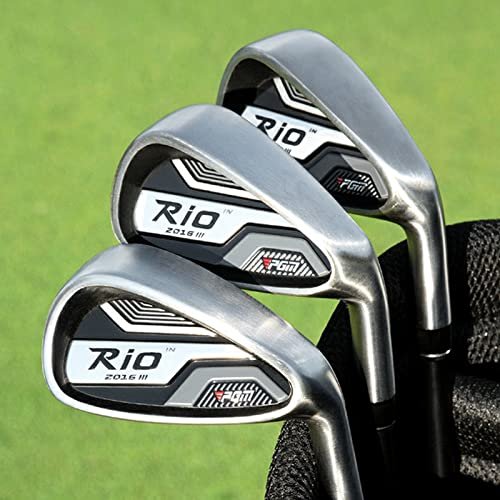
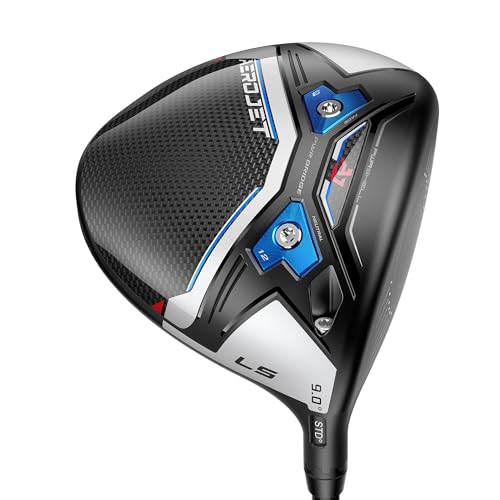
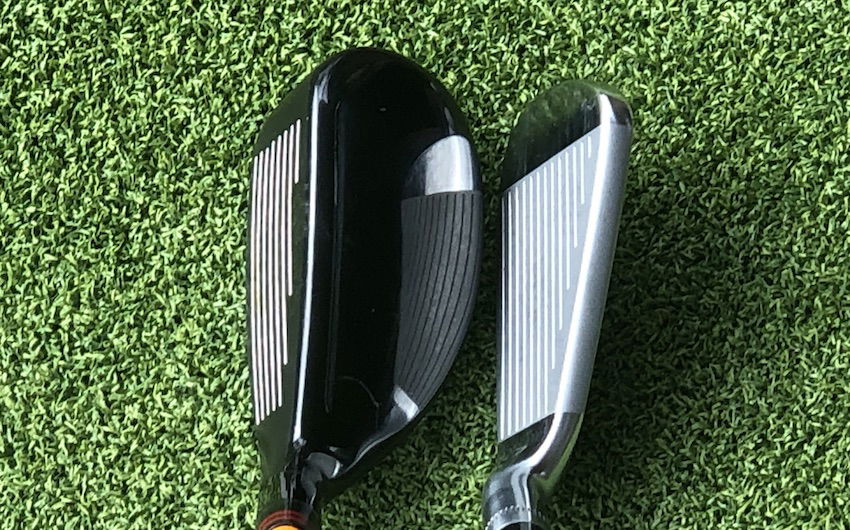
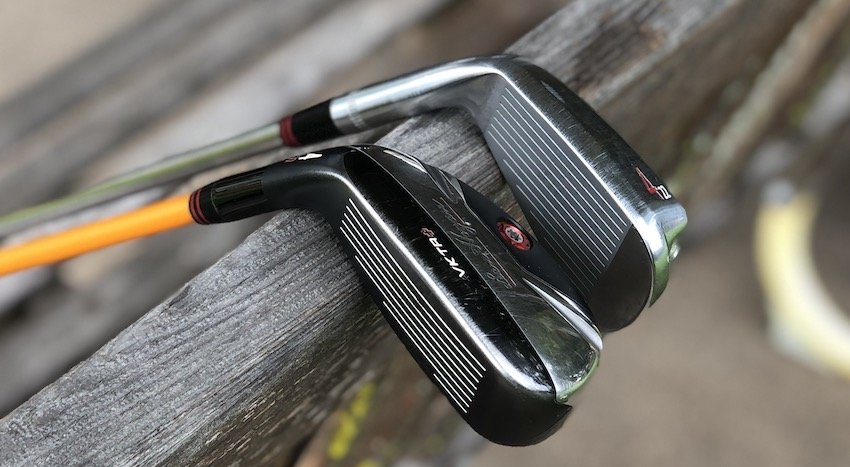
Hybrids blend iron and wood design. They have a wider sole, compact head, and a lower center of gravity. Long irons are skinny, with smaller heads and a higher center of gravity. They reward precise ball-striking and give more control for skilled players.
Hybrids launch higher and stop faster on greens. Long irons offer a tighter dispersion for solid strikes and more workability. When debating hybrid vs long iron, think about your swing speed, turf contact, and how you manage distance gaps.
Performance factors: distance, trajectory, spin, and forgiveness
Distance
- Hybrids often carry farther for mid-to-slow swings because of higher launch and lower spin.
- Long irons can be longer for very fast, accurate players who compress the ball well.
Trajectory
- Hybrids provide a high, soft landing shot that works well into greens.
- Long irons keep a lower, piercing flight that can roll out more on firm fairways.
Spin and control
- Hybrids typically generate moderate spin that helps stop the ball.
- Long irons can produce lower spin, which aids roll but makes stopping on soft greens harder.
Forgiveness
- Hybrids are more forgiving on thin or off-center strikes.
- Long irons punish mistakes more but reward pure contact with repeatable results.
When comparing hybrid vs long iron, the key trade-off is forgiveness and ease versus precision and workability.

Who benefits most from hybrids and who should stick with long irons?
Players who benefit from hybrids
- Golfers with slower swing speeds who need help getting the ball airborne.
- Players who miss slightly fat or thin and need a club that reduces the penalty.
- High-handicap players who want fewer lost shots from long approach attempts.
Players who benefit from long irons
- Low-handicap players who can hit the sweet spot consistently.
- Shotmakers who need trajectory control and flight shaping.
- Golfers who want a smoother distance progression between clubs.
Match your game to the tool. If you often leave long approaches short or in the rough, hybrid vs long iron becomes an easy choice based on confidence and results.
How to build a bag: hybrids, long irons, and gap management
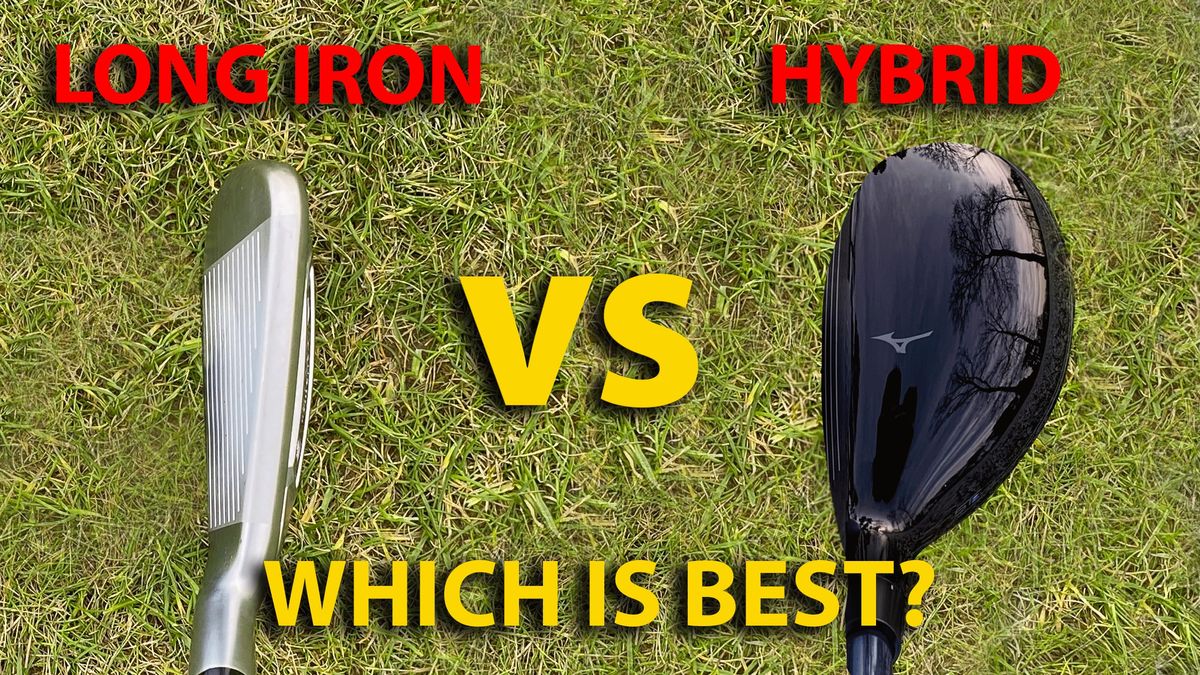
Decide on distance gaps
- Measure carry and total distance for each club on the range.
- Keep 10 to 15 yards between clubs for predictable gapping.
Replace or supplement
- Replace a 3-iron with a 3-hybrid if you miss greens often.
- Keep a long iron if you hit it reliably and need a specific low shot shape.
Set makeup examples
- Typical modern bag: 4-iron, 5-iron, 6-iron or 5-iron, 6-hybrid, 7-iron.
- For many players, a 3-hybrid plus 4-iron works well for both launch and control.
When you test hybrid vs long iron in your bag, track real practice stats. Note which club gives the best scoring proximity and consistency.

Fitting and setup tips for choosing between hybrid vs long iron
Get a launch monitor session
- Check launch angle, spin rate, and carry distances for both clubs.
- Look for dispersion patterns that match your goals.
Evaluate lie and loft
- Adjust loft if a hybrid flies too high or a long iron is too low.
- Ensure lie angle helps your swing path and turf interaction.
Shaft choices matter
- Stiffer shafts can tame spin in hybrids and long irons.
- Lighter shafts help players with slower swings get better speed.
I always encourage players to try both clubs under real conditions. A round or two with each club gives insight no static test can match.

My hands-on experience with hybrid vs long iron
I have lugged both into windy links, tight tree-lined courses, and soft, receptive parkland greens. Early in my playing years I clung to a 3-iron. I lost balls and confidence when I missed one. I switched to a 3-hybrid and saw more fairways hit and fewer big numbers. On the flip side, I’ve kept a 2-iron for one stretch when I needed a low runner for windy holes. The hybrid vs long iron choice came down to course fit and my confidence.
Lessons learned
- Test on the course, not just the range.
- Trust the club that reduces rounds with big scores.
- Keep options: a hybrid for forgiveness and a long iron for specific shot needs can coexist.
Common setup mistakes and how to avoid them
Setting the wrong ball position
- Placing the ball too far forward makes hybrids balloon and long irons thin.
- Keep the ball just forward of center for hybrids and slightly back of center for long irons.
Using the wrong shaft flex
- Too soft a shaft can cause loss of control in long irons.
- Too stiff a shaft may reduce distance in hybrids for slower swingers.
Ignoring loft gaps
- Sticking to clubs with overlapping lofts causes distance confusion.
- Re-loft or re-shaft when needed to create tidy gaps.
These small setup fixes often swing the hybrid vs long iron debate quickly in favor of consistent scoring.

When course design should decide hybrid vs long iron
Soft, target-style courses
- Favor hybrids because they stop quicker on greens.
- Hybrids give you more carry and less roll on receptive turf.
Firm, windy courses
- Favor long irons when you need to keep the ball low.
- Long irons work well when roll matters for distance.
Risk-reward holes
- Use the club that matches the hole shape and your comfort level.
- Choose the club that gives the best chance to hit the safe target.
Match the course to your club selection. The hybrid vs long iron choice should be situational as much as personal.

Maintenance and practice: get better fast with either choice
Practice drills
- Hit long shots to a precise target to build confidence with either club.
- Practice turf-contact drills to learn how each club interacts with grass.
Club care
- Keep clubfaces clean to maintain consistent spin and launch.
- Inspect shafts and grips; small issues create big misses under pressure.
Routine
- Spend at least two focused range sessions with a new hybrid or long iron before using it in competition.
- Track results and adjust loft or shaft after several sessions.
A measured approach makes hybrid vs long iron decisions irreversible in a good way.
Frequently Asked Questions of hybrid vs long iron
What club should a beginner choose: hybrid or long iron?
Beginners usually benefit from hybrids. Hybrids launch easier and are more forgiving on miss-hits, which leads to better confidence and fewer lost strokes.
Can hybrids replace all long irons in the bag?
Hybrids can replace most long irons for many players. Some low-handicap players still prefer one or two long irons for shot-making control.
Do hybrids reduce workability compared to long irons?
Yes, hybrids generally offer less flight-shaping ability than long irons. They trade some workability for easier launch and more forgiveness.
How does shaft choice affect hybrid vs long iron performance?
Shaft flex and weight change launch and spin for both clubs. Lighter shafts help slower swingers while stiffer shafts favor fast swingers who need control.
Should I test on the course or the range to decide between hybrid vs long iron?
Test on the course in real conditions to see how each club performs under pressure. The range is helpful, but course tests reveal true scoring differences.
Conclusion
Choosing between hybrid vs long iron is about balance. Think about forgiveness, control, and the courses you play. Test both on the course and use launch data to confirm feelings. Start by replacing one long iron with a hybrid for confidence and practice the new gap until your distances are stable. Try this change for a month of rounds and track your scoring; you may find fewer big numbers and more fairways hit. If you found this useful, leave a comment, subscribe for gear guides, or try a fitting to see what suits your game best.