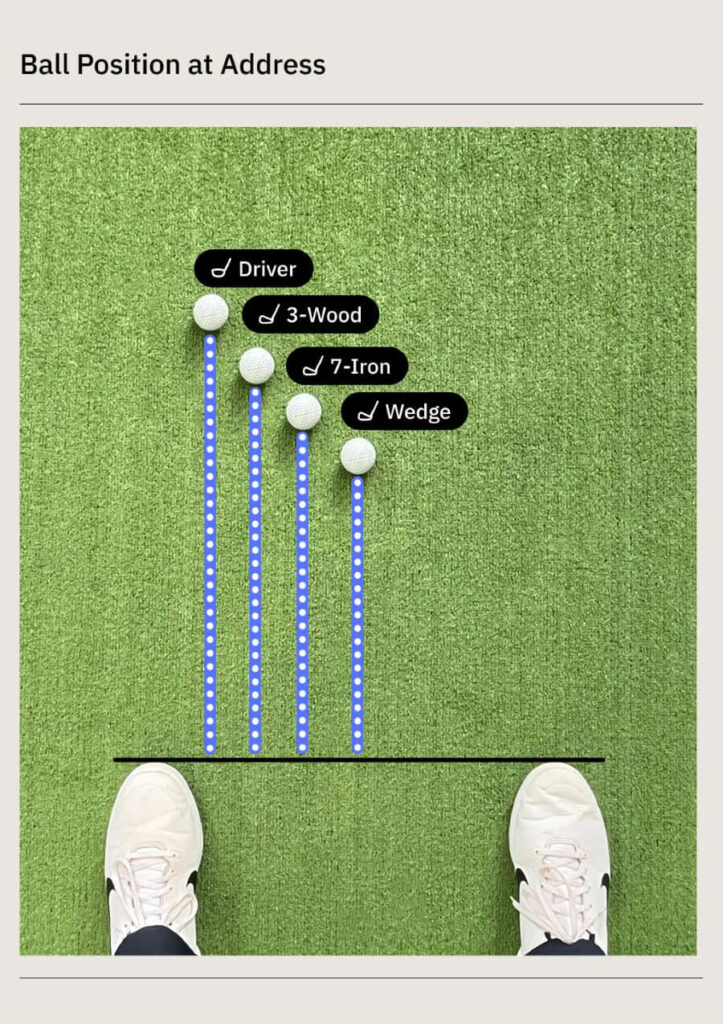
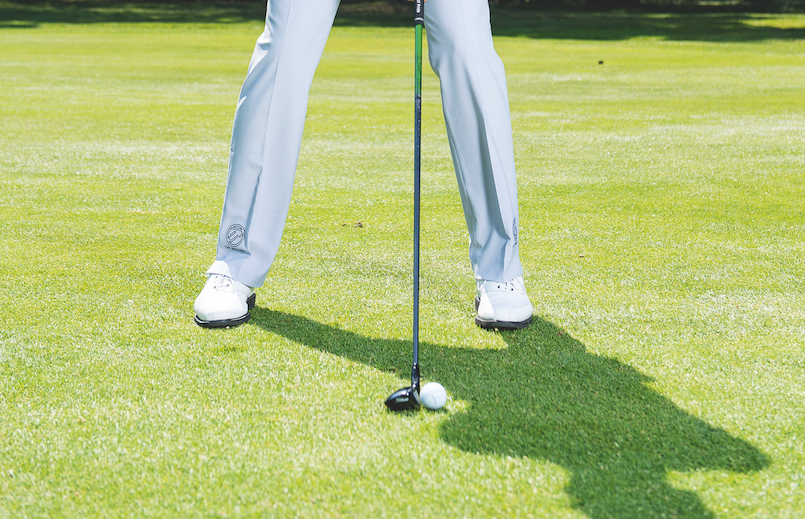
Place the ball slightly forward of center for most hybrid shots, just inside your lead heel.
I’ve coached and played thousands of hybrid shots, and I’ll walk you through exactly where to place the ball, why it matters, and how to practice it. This guide breaks down hybrid ball position into simple steps, drills, and on-course tips so you can hit more consistent, high-launching hybrid shots with control and confidence.

Why hybrid ball position matters
The hybrid ball position changes how the clubhead meets the turf and the angle the ball launches. A small shift forward or back can raise or lower launch, change spin, and alter distance. Understanding hybrid ball position helps you shape shots and trust hybrids in more situations.
I use hybrids for long approach shots and tight par-5 plays. Tweaking the hybrid ball position fixed my misses and made the club far more reliable. You’ll learn the same adjustments I used to improve contact and flight.
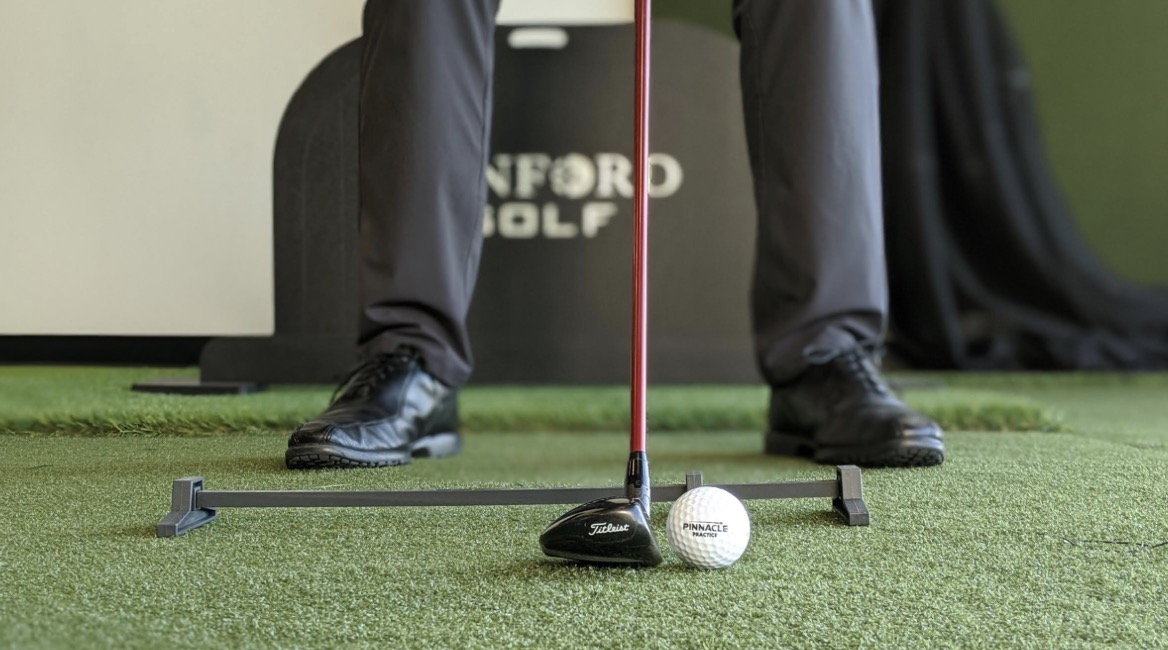
Basic hybrid ball position setup
Follow these simple steps for a reliable starting point.
- Stance width: Stand shoulder-width apart for balance and control.
- Ball location: Place the ball just inside your lead heel for most full-swing hybrid shots.
- Weight distribution: Start with about 55% weight on your front foot. This helps sweep the ball slightly up.
- Spine tilt: Lean slightly away from the target at address to promote a shallow angle of attack.
This basic hybrid ball position works for full swings from the fairway and light rough. It encourages a clean strike and a higher launch that hybrids are known for.

When to move the hybrid ball position forward or back
Small moves can get big results. Use these rules of thumb.
- Move the ball forward when you want higher launch and more carry distance.
- Move the ball back when you need a lower, penetrating flight and more control into the wind.
- If you catch thin shots, try a slightly more centered hybrid ball position to encourage a shallower sweep.
- If you dig or catch fat shots, move the ball forward to reduce the downward attack.
I often move the hybrid ball position a half-inch forward for shots into soft greens. It gave me more stopping power without losing distance.
Address adjustments and swing feel
How you stand affects how the club reacts. These small tweaks make the hybrid ball position feel natural.
- Hands: Keep hands slightly ahead of the ball at address for crisp contact.
- Posture: Bend from the hips with knees soft. Good posture keeps the hybrid ball position stable.
- Swing path: Aim for a shallow, sweeping arc instead of a steep chop.
- Tempo: Smooth tempo helps hybrids launch high and land soft.
Practicing these feel cues helped me stop trying to hit down. Hybrids work best with a shallow angle. The hybrid ball position supports that feel.
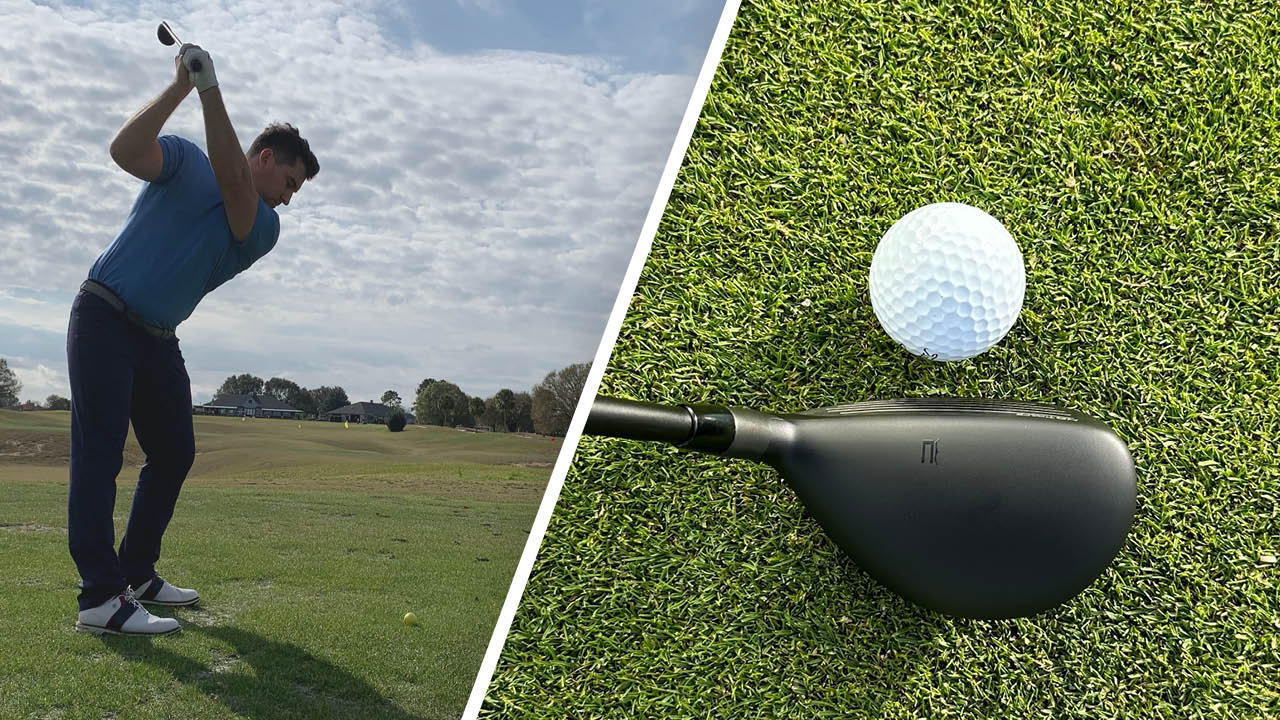
Drills to practice hybrid ball position
Simple drills speed up learning and build muscle memory.
- Tee drill: Practice hitting hybrids from a low tee. This reinforces the hybrid ball position and shallow attack.
- Two-ball drill: Place a second ball just behind the ball to avoid hitting behind it. This teaches forward contact.
- Step drill: Step slightly toward the target on the downswing to feel weight shift into the front side.
- Impact tape drill: Use impact tape to see where you strike. Adjust hybrid ball position if strikes are too high or low on the face.
I used the tee drill for a week and fixed a slice caused by too far-back hybrid ball position. The change was immediate.

Adjusting hybrid ball position from different lies
Different turf demands different hybrid ball position choices.
- Tight fairway: Ball slightly forward of center for clean launch.
- Light rough: Ball just forward of center to sweep the grass.
- Deep rough: Ball more centered to ensure the club can dig through the grass.
- Tight lie or firm turf: Move forward to avoid thin shots and encourage higher spin.
On a tournament day, I learned to move the hybrid ball position back slightly when rough was damp. That kept shots lower and more predictable.
Club setup, loft, and shaft considerations
Your gear affects the hybrid ball position sweet spot.
- Higher-loft hybrids launch more easily. Use a slightly more centered hybrid ball position for control.
- Lower-loft hybrids need the ball a touch more forward to help carry.
- Stiffer shafts can reduce launch. Compensate by moving the hybrid ball position forward if needed.
- Long shafts increase swing arc. Check your hybrid ball position to keep contact consistent.
I swapped to a hybrid with a higher loft and moved the hybrid ball position a bit back. That balance increased spin and gave better stopping power.
On-course strategies and shot selection
Use hybrid ball position as a tool, not a rule.
- Tee shots: Place the ball forward for a higher launch on tight par-3 tee shots.
- Approach shots: Standard forward-of-center hybrid ball position for distance and carry.
- Punch shots: Move the ball back for a lower flight under wind or trees.
- Bump-and-run: Set the ball back and use a short swing for rolling approach shots.
In windy conditions, I move the hybrid ball position back and focus on a controlled swing. It keeps the ball out of trouble and yields better results.
Common mistakes and how to fix them
Avoid these frequent errors with clear fixes.
- Ball too far back: Causes low, thin shots. Fix by moving the ball forward half an inch.
- Ball too far forward: Can produce high fades or misses to the right. Move it slightly back.
- Hands too far behind: Leads to fat shots. Move hands slightly ahead and keep the hybrid ball position steady.
- Inconsistent stance: Causes poor contact. Use a consistent hybrid ball position and stance routine.
I once battled a fat-hit streak. Resetting my hybrid ball position and hands made contact cleaner in one range session.
Measuring progress and building confidence
Track changes to know what works.
- Use a launch monitor or phone video to see ball flight and impact.
- Keep a practice log noting hybrid ball position changes and results.
- Test one change at a time and record distance, spin, and dispersion.
- Give each setup at least 50 swings before deciding.
My logs showed that a half-inch forward hybrid ball position improved carry by 8 yards. Simple data gave me confidence to use the change on course.
Personal tips and lessons learned
I’ve taught players and tested setups for years. Here are honest tips I use daily.
- Start with the standard hybrid ball position just inside the lead heel.
- Make tiny moves. Small changes create big differences.
- Practice drills that force consistent contact.
- Use feel cues—weight forward, hands slightly ahead—rather than overthinking.
- Trust hybrids for long approaches once hybrid ball position is dialed in.
These lessons saved me strokes during windy matches. Hybrids became a favorite club when ball position matched the shot.
Frequently Asked Questions of hybrid ball position
What is the best hybrid ball position for most shots?
Place the ball just inside your lead heel for most full-swing hybrid shots. This promotes a high, controlled launch and clean contact.
Should the hybrid ball position change for wind?
Yes. Move the hybrid ball position slightly back to lower trajectory in strong headwinds. This helps keep the ball from ballooning.
How do I stop hitting hybrids fat?
Check that your hybrid ball position is not too far back and that your hands are slightly ahead at address. Use the two-ball drill to train forward contact.
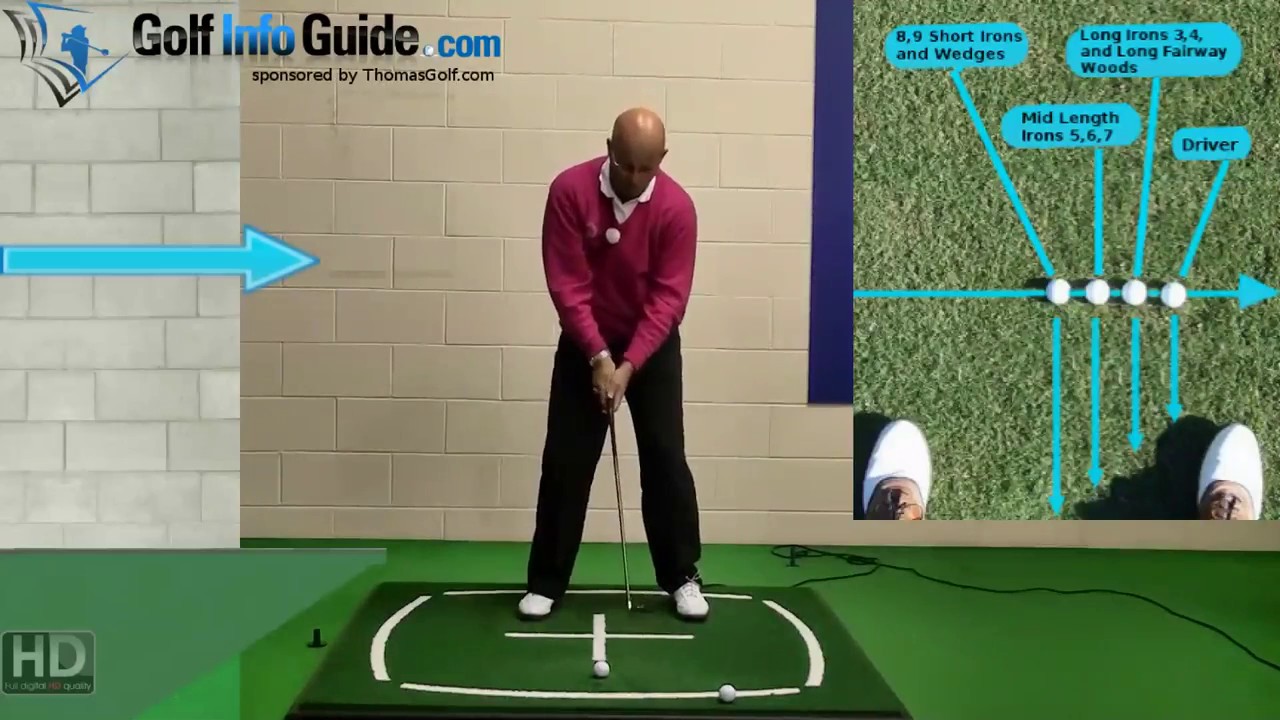
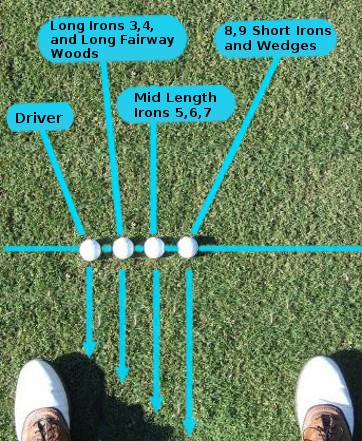
Is the hybrid ball position the same as for long irons?
No. Hybrids usually sit a bit more forward than long irons to help the club sweep the ball and launch higher. Adjust as needed for feel.
Can hybrid ball position affect shot shape?
Yes. Moving the ball forward tends to encourage a draw or higher flight, while moving it back can produce a lower, more controlled fade. Small shifts change spin and path.
Conclusion
A simple, consistent hybrid ball position can transform your long-game reliability. Start with the ball just inside your lead heel, then test small moves for height and control. Use drills, track results, and trust what the data and feel tell you. Take one practice change at a time and commit to it for real improvement. Try the suggested drills this week and leave a comment on your results or questions so we can fine-tune your setup together.