How To Tell If A Golf Ball Is Waterlogged: Quick Tests
A waterlogged golf ball feels heavier, sinks, has dull sound, and performs poorly on shots.
I’ve tested hundreds of golf balls over the years and repaired or tossed many that spent too long in water. This article explains how to tell if a golf ball is waterlogged with clear, tested methods you can try at home or on the course. Read on for simple tests, real-world tips, and what to do next when you suspect a ball has taken on water.
What “waterlogged” means for a golf ball
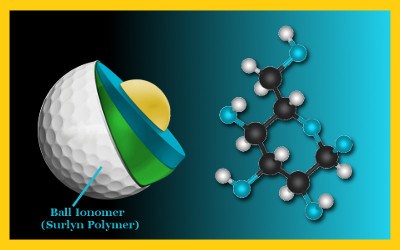
Waterlogged means the ball’s inner layers have absorbed water. This changes weight, feel, and performance. Materials like wound rubber cores or older construction soak up water more easily. Modern multilayer balls resist water better, but long submersion still does damage.
Water moves into the core through seam cracks, small cuts, and worn covers. Even brief pond time can lead to slow changes. Knowing how to tell if a golf ball is waterlogged helps you spot bad performance before you hit a round.
Reliable tests to tell if a golf ball is waterlogged
Here are practical tests to determine if a golf ball is waterlogged. Do several tests to confirm. Each test is fast and uses simple tools or no tools at all.
-
Visual inspection
- Look for faded seams, peeling cover, or tiny cuts.
- Discoloration inside dimples or a swollen seam suggests water intrusion.
- A clean exterior doesn’t always mean the core is dry.
-
Float test
- Place the ball in plain water. A normal ball usually floats or sits near the surface briefly.
- A ball that sinks and rests on the bottom has likely absorbed a lot of water.
- Do this test in calm water to avoid false reads from bubbles or dirt.
-
Weight comparison
- Weigh the suspect ball on a small kitchen scale.
- Compare with a fresh ball of the same model. A waterlogged ball is noticeably heavier by a fraction of an ounce.
- Keep a record of known-good ball weights for more precise checks.
-
Sound tap test
- Tap the ball with a metal spoon or a small hammer on a hard surface.
- A dry ball gives a crisp, high-pitched “click.” A waterlogged ball sounds dull and muted.
- Do this in a quiet place and compare to a known-good ball for best results.
-
Bounce and drop test
- Drop the ball from a fixed height onto a hard floor.
- A dry ball bounces higher and with more vigor. A waterlogged ball has a lower, dampened bounce.
- Repeat with a control ball to spot differences.
-
Squeeze and feel test
- Squeeze firmly with both hands or use a compression gauge if you have one.
- Waterlogged balls may feel softer or oddly squishy, especially in older wound designs.
- Newer multilayer balls can hide moisture, so use other tests too.
-
Performance test on the course or range
- Hit several shots with the ball and watch spin, distance, and sound at impact.
- Waterlogged balls often lose distance, reduce spin, and feel dead at impact.
- If you notice sudden drop in performance, suspect water damage.
-
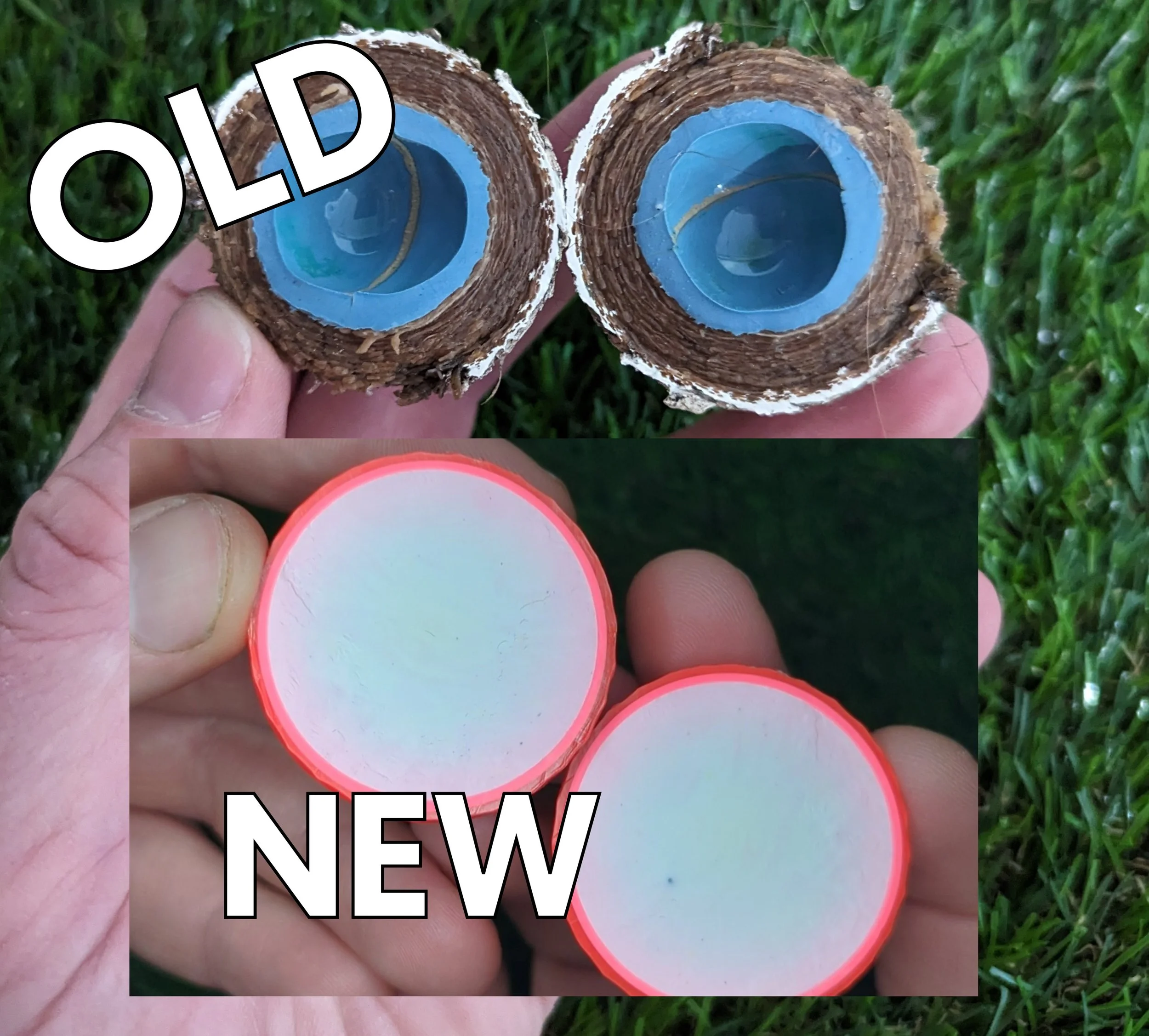
Cut-open inspection (destructive)
- If you want to be certain, cut the ball open with a band saw or sharp blade.
- Moisture-spotting, rust on metal parts, or a soggy core confirms waterlogging absolutely.
- Only use this if the ball is already retired or for research.

Simple tools and steps for home testing
You do not need expensive gear to check a ball. These simple tools make testing easier and more repeatable.
- Kitchen scale
- Accurate to 0.1 gram helps spot small weight gains.
- Small bucket or sink
- Use for a clean float test in still water.
- Spoon or small hammer
- For sound testing in a quiet room.
- Compression gauge or calipers
- For comparing diameter and firmness to known-good balls.
- Towel and magnifier
- For drying and inspecting seams closely.
Practical step-by-step at home
- Wipe the ball clean and dry.
- Perform visual inspection and tap test.
- Do float and drop tests.
- Weigh the ball and compare to a control.
- If still unsure, retire the ball or cut it open for a final check.
How a waterlogged ball affects play
Understanding the effects helps you spot problems faster. The signs on the course are often subtle at first.
- Distance loss
- Water increases weight and reduces internal rebound. You will see shorter drives.
- Reduced spin control
- Spin rates drop, and short game feel changes. Expect less stopping power on greens.
- Inconsistent flight
- The ball may slice or hook more due to uneven core behavior.
- Muted impact feel
- Impacts sound dull and give less feedback to the hands.
I once played a round using retrieved pond balls. One looked fine but lost 20 yards off the tee. After tests, it proved waterlogged. Lesson: performance checks beat looks.

Preventing waterlogging and caring for golf balls
Prevention is cheaper than testing and replacing balls. Small habits prolong ball life and performance.
- Retrieve and rinse balls quickly after water exposure.
- Dry balls fully with a towel and air dry for 24 hours.
- Store balls in cool, dry places away from direct sun.
- Inspect used balls before adding them to your bag.
- Consider newer multilayer balls for wet course play; they resist water better.
Avoid leaving balls in wet bags or trunks for long periods. Quick drying and proper storage cut down on water intrusion.

Repair, repurpose, or discard: what to do with waterlogged balls
Not every waterlogged ball needs to return to play. You have options depending on condition.
- Repair and reuse
- Some casual play or practice balls can be dried and used for short game practice.
- Repurpose
- Use damaged balls for chipping practice, dog toys, or crafts.
- Recycle or dispose
- If core is ruined, recycle through local programs or discard responsibly.
- Don’t use in tournaments
- Waterlogged balls are not fit for competitive play due to altered performance.
Be honest about performance. I keep one "practice" bucket for any ball that fails tests. It saves rounds and frustration.
Frequently Asked Questions about how to tell if a golf ball is waterlogged
How long does it take for a golf ball to become waterlogged?
Water can begin entering through small cuts within days, but full waterlogging often takes weeks to months. Factors like ball type, water temperature, and damage speed this up or slow it down.
Can a waterlogged ball be dried and returned to normal?
Drying can remove surface water but won’t always restore a ball whose core has absorbed moisture. Severe cases rarely return to original performance.
Does a waterlogged ball always sink in water?
Many waterlogged balls sink, but not always. Slight absorption may only reduce buoyancy and not cause immediate sinking, so use several tests for certainty.
Will a waterlogged ball damage my clubs?
A waterlogged ball won’t damage clubs, but it can reduce control and increase the risk of bad shots, which may strain your game more than your gear.
Are modern golf balls less likely to become waterlogged?
Yes, modern multilayer and urethane-covered balls resist water better than older wound-core balls, but long submersion or seam damage can still let water in.
What is the easiest test to check a ball quickly on the course?
The tap test and a quick drop test are fast and effective. Carry a spare ball as a control for quick comparisons.
Conclusion
You can tell if a golf ball is waterlogged by combining visual checks, float and weight tests, sound and bounce checks, and performance trials. Use simple tools like a kitchen scale or a quiet tap test to confirm suspicions. If a ball fails multiple tests, retire it from competitive play and repurpose it for practice or crafts. Take a moment to inspect and store your balls well — a few minutes of care saves you yards and frustration on the course. Try these tests next time you suspect a ball has been in water, and share your findings or questions below.