How To Stand When Hitting A Golf Ball: Perfect Stance Tips
Stand shoulder-width, slight knee flex, weight balanced, spine tilted forward toward the ball.
I’ve coached golfers and played thousands of rounds, so I know how small stance changes can shave strokes. This guide covers exactly how to stand when hitting a golf ball, step by step, with clear tips, drills, and common mistakes to avoid. Read on for proven, practical advice you can use at the range or on the course.
Stance fundamentals
Good stance sets up every shot. When you learn how to stand when hitting a golf ball, focus on balance, alignment, and comfort. Your feet set the base for the swing, so small tweaks make big differences in contact and direction. Aim for a stance that lets you swing freely while keeping control.
- Feet placement: Place feet about shoulder-width apart for a full swing.
- Weight distribution: Keep weight roughly 50/50 on both feet at address.
- Knee flex: Bend knees slightly to stay athletic and ready to move.
- Spine angle: Tilt forward from the hips so your arms hang naturally.
I often tell players to set up slowly, then take a breath. That small pause helps keep your stance calm and repeatable. How to stand when hitting a golf ball starts with a steady base and a relaxed body.
Grip, posture, and balance
Grip, posture, and balance connect directly to how to stand when hitting a golf ball. A correct grip and posture let your stance support a smooth swing.
- Grip: Hold the club lightly but securely. Tension in hands hurts feel and rhythm.
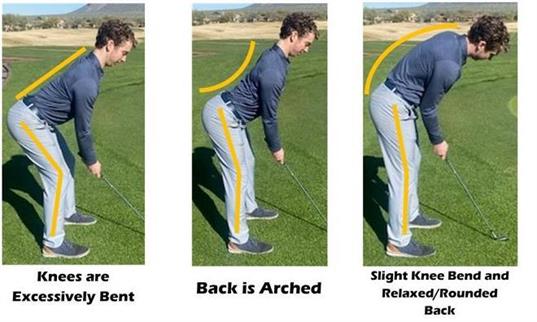
- Posture: Keep a straight back, hinge at hips, and let shoulders and arms hang.
- Balance: Keep weight centered over the middle of your feet. Avoid leaning too far forward or back.
From experience, players who grip too tight or stand too tall lose consistency. I fix this by having them loosen their grip and bend from the hips, then check their weight distribution again.
 position and distance to the ball”
style=”max-width: 100%; height: auto; border: 2px solid black; border-radius: 10px; display: block; margin: 0 auto;”
loading=”lazy”
/>
Ball position and distance to the ball
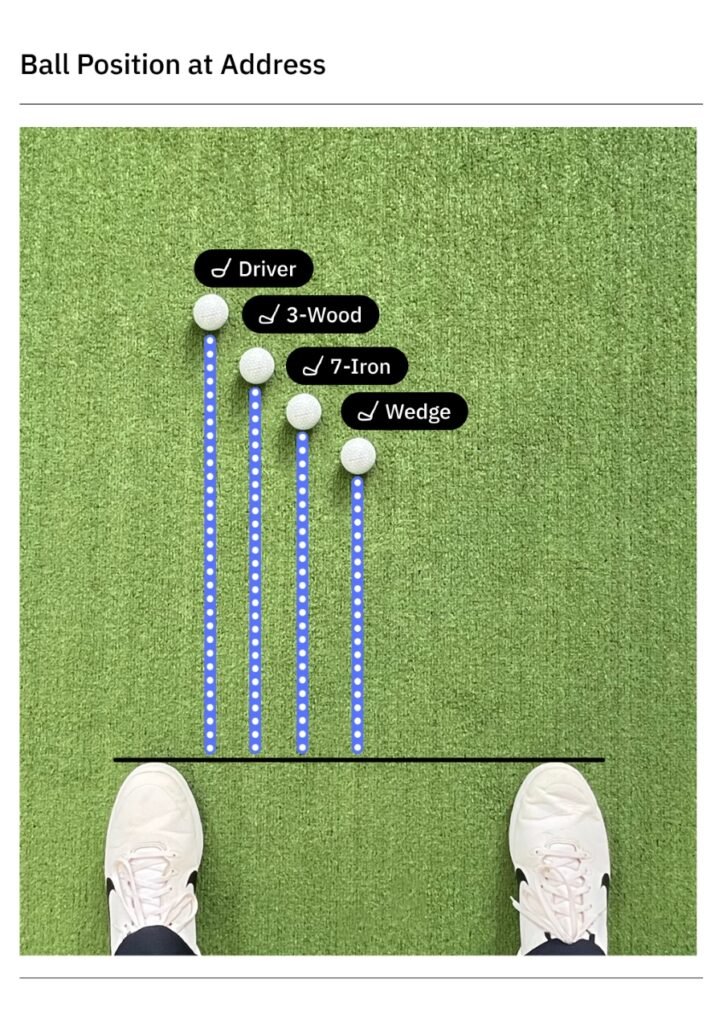
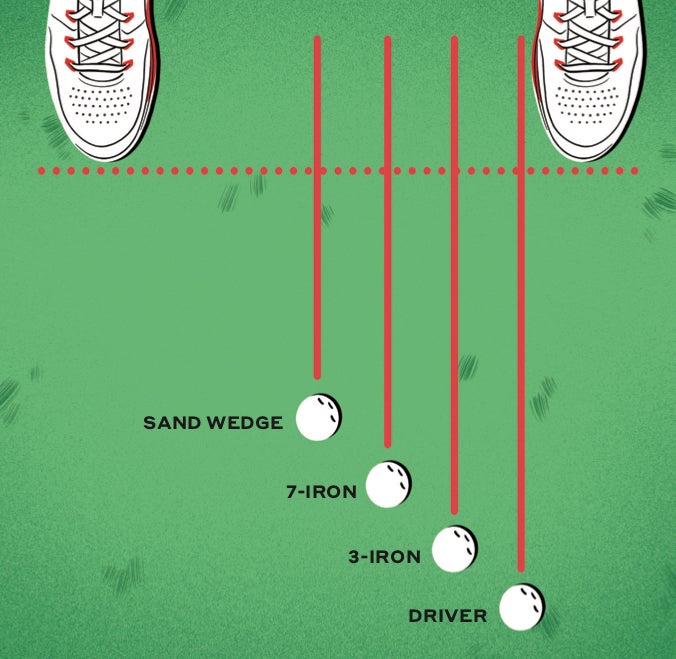
Ball position changes how you attack the ball. Learning how to stand when hitting a golf ball means matching ball position to the club.
- Driver: Ball off the inside of the left heel for right-handed players.
- Mid-iron: Ball centered between your feet.
- Short iron/wedge: Ball slightly back of center.
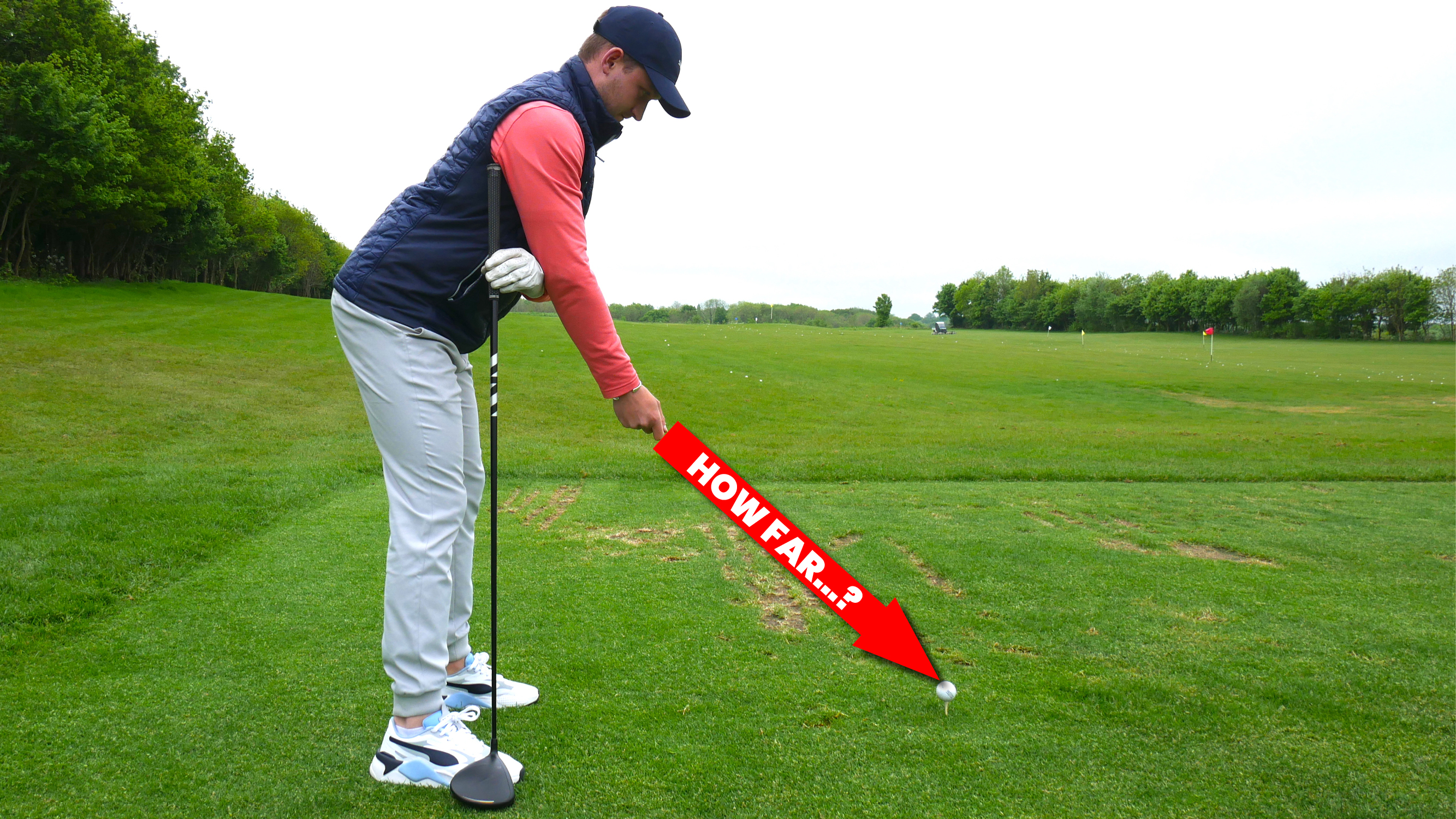
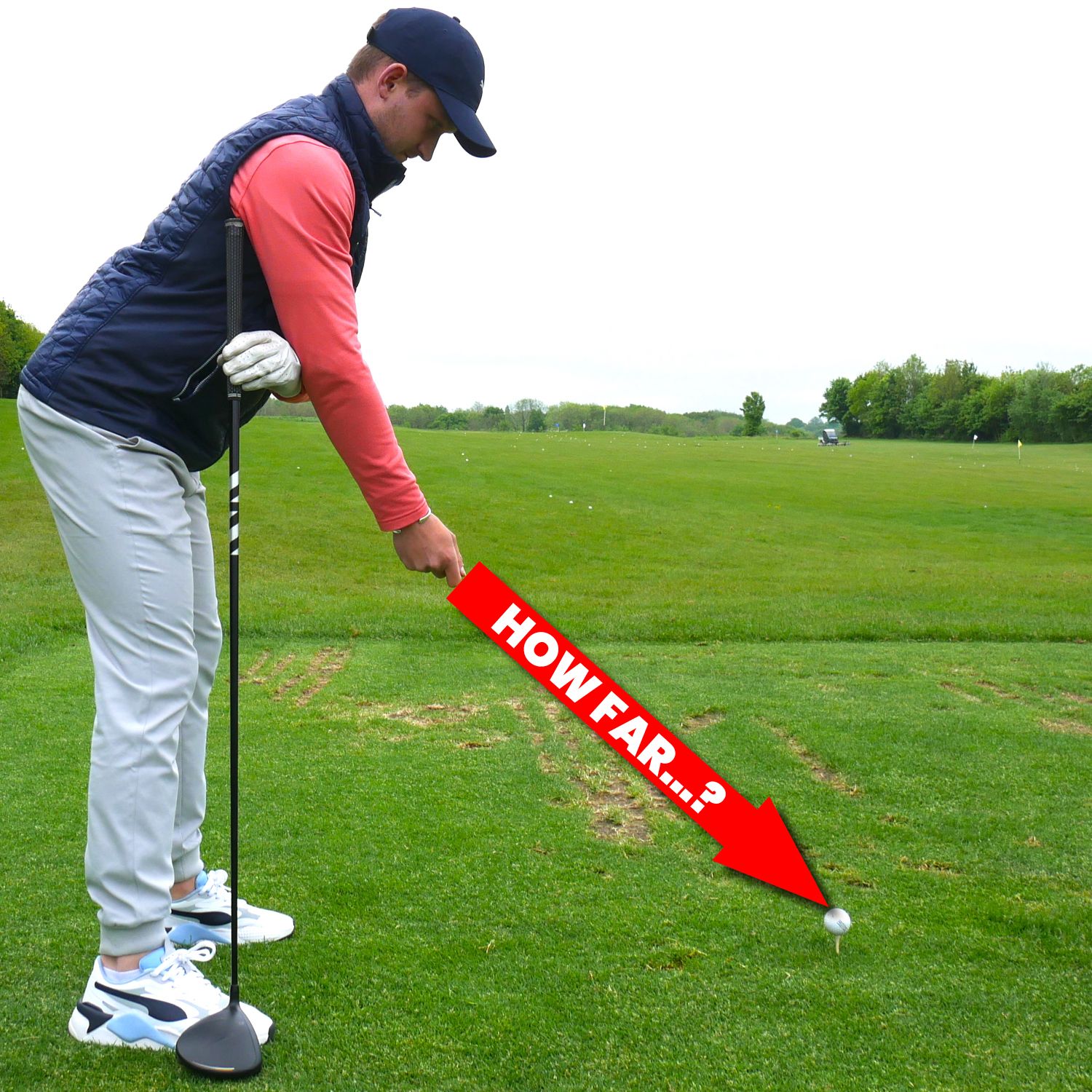
Distance from the ball matters as much as ball position. Stand close enough that your arms hang naturally and you can swing without reaching. If you stand too far away, you’ll lose control. If you stand too close, you’ll flip the club and mis-hit shots.
How wide should my stance be?
A shoulder-width stance is a good starting point for most full shots. Widen slightly for power and narrow slightly for finesse or short shots.
Should my weight favor one foot at address?
At address, aim for a slight bias toward the front foot for drivers and a balanced 50/50 for irons. During the swing, weight will shift naturally toward the front foot.

Types of stance for different shots
How to stand when hitting a golf ball changes with shot type. Use the right stance for the shot you want to hit.
- Full swing: Shoulder-width stance, neutral ball position for irons, wider for driver.
- Punch shot: Narrow stance, ball back in stance, less body turn.
- Chip/putt: Feet close together, minimal knee bend, steady head.
Match your stance to the club and situation. On windy days, for example, narrow your stance and keep the ball lower in your stance to control trajectory.
Common stance mistakes and fixes
Mistakes in stance are common. Fixing them improves contact and direction instantly.
- Standing too tall causes a steep swing. Fix: hinge more at hips and drop shoulders.
- Weight on toes makes shots thin or topped. Fix: feel weight on mid-foot or heel.
- Feet too wide prevents rotation. Fix: bring feet in slightly to allow hip turn.
- Ball too far forward or back causes misses. Fix: adjust ball position for club choice.
I remember a player who kept topping the ball. We moved his stance in slightly and relaxed his grip; within 10 minutes he was hitting crisp shots. Small stance fixes yield fast improvements.

Simple drills to practice your stance
Practicing stance is fast and effective. Use these drills to lock in how to stand when hitting a golf ball.
- Line drill: Place a club on the ground along your toes to check foot width and alignment.
- Mirror check: Use a mirror or phone camera to confirm spine angle and shoulder tilt.
- Weight-shift drill: Rock gently from back foot to front foot to feel proper weight flow.
- One-foot setup: Lift the trail foot slightly to train balance and rotation.
Do each drill for 5–10 minutes at the range. Consistent practice builds a repeatable stance.
Personal experience and lessons learned
I’ve seen beginners and scratch golfers struggle with the same stance issues. Early in my coaching I focused only on swing mechanics, but I learned that stance is the foundation. When I helped a mid-handicap player fix their stance, their ball striking improved faster than if we changed swing paths first. Key lessons I share:
- Small changes matter. Adjust foot width by a half inch before big swings.
- Check stance every shot. Routine builds muscle memory.
- Use video. Seeing your address position reveals flaws you can’t feel.
These lessons come from years on the range and coaching in real conditions. They are practical and easy to apply.
Related concepts and limitations
How to stand when hitting a golf ball links to alignment, swing plane, and physical limits. Be aware of your body’s flexibility and strength.
- Flexibility: Limited hip or back mobility may require a more upright stance.
- Age and injury: Modify stance to reduce stress and avoid pain.
- Equipment: Club length and lie angle affect ideal distance and posture.
If you have physical limits, prioritize comfort and consistency over trying to copy a tour pro. A stance that fits your body helps prevent injury and improves repeatability.
Frequently Asked Questions of how to stand when hitting a golf ball
How wide should my feet be for a full swing?
Feet should be about shoulder-width apart for most full shots. This width supports rotation while keeping balance.
Where should the ball be for my driver?
Place the ball opposite your front heel (inside the left heel for right-handed players). This lets you hit up on the ball for more distance.
How much should I bend my knees at address?
Bend knees slightly—enough to feel athletic and ready, not so much that you squat. Keep the bend natural and relaxed.
Should my weight be on my toes or heels?
Keep weight centered over the mid-foot at address. During the swing, weight moves to the front foot through impact.
How do I adjust stance for windy conditions?
Narrow your stance slightly and play the ball a touch back for a lower, more controlled ball flight.
Conclusion
Mastering how to stand when hitting a golf ball gives you a reliable foundation for every shot. Focus on foot width, balance, spine angle, and ball position, and practice simple drills to make the stance repeatable. Start small, check your setup each shot, and build habits that lead to better contact and lower scores. Try the drills at your next practice session and leave a comment with your results or questions—let’s improve together.