How To Drive A Golf Ball For Beginners: Simple Tips
Start with a relaxed stance, tee the ball high, keep your head steady, and rotate your hips.
I teach new golfers how to drive a golf ball for beginners every week. I have coached people who never swung a club to players who shave strokes off their game. This guide breaks the skill into simple parts. You will learn gear choices, setup, grip, swing steps, drills, and fixes. Read on and you will feel confident to step up to the tee and drive the ball with more control and power.

Why the driver matters and what beginners should know
Your driver is the club that can give the most distance. It is also the club that often causes the biggest mistakes for new players. Learning how to drive a golf ball for beginners focuses on simple, repeatable moves. Good driver technique saves strokes and makes golf more fun.

Equipment: choosing the right driver for beginners
Choosing the right driver makes learning easier. Pick a driver with a larger head and more forgiveness. A higher loft (10.5°–12°) helps get the ball airborne. Graphite shafts feel lighter and can help you swing faster without extra effort. Try clubs at a fitting or demo day if possible. I once improved a student’s drives simply by switching to a 12° driver and a more flexible shaft. The ball flew straighter and farther that day.
Setup and stance: the foundation of every good drive
Setup is where most drives are won or lost. Use simple steps:
• Stand with feet shoulder-width apart for balance.
• Place the ball off the inside of your front heel.
• Tilt your spine slightly away from the target to help an upward strike.
• Keep your weight slightly on the back foot at address, ready to transfer forward.
A consistent setup makes the swing repeatable. Practice getting into this stance until it feels natural.

Grip and alignment: small changes, big effects
A neutral grip helps control the clubface. Follow these tips:
• Place the club in the fingers, not deep in the palm.
• Show two or three knuckles on your lead hand for a neutral grip.
• Keep the trail hand under and behind the club for support.
• Align your feet, hips, and shoulders parallel to the target line.
I often see beginners grip too tight. A light grip reduces tension and improves swing speed and feel.

Swing basics: a simple step-by-step plan
Break the drive into manageable steps. This helps you focus and build muscle memory.
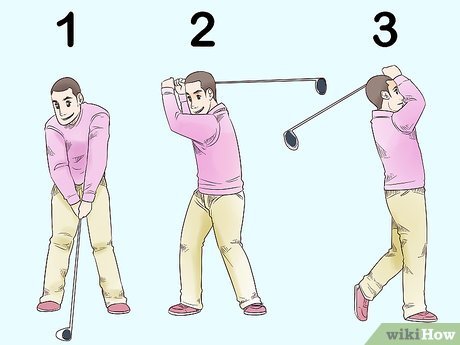
- Takeaway: Start the club back low and slow. Keep the clubhead outside your hands.
- Backswing: Turn your shoulders while keeping your lower body stable. Don’t sway.
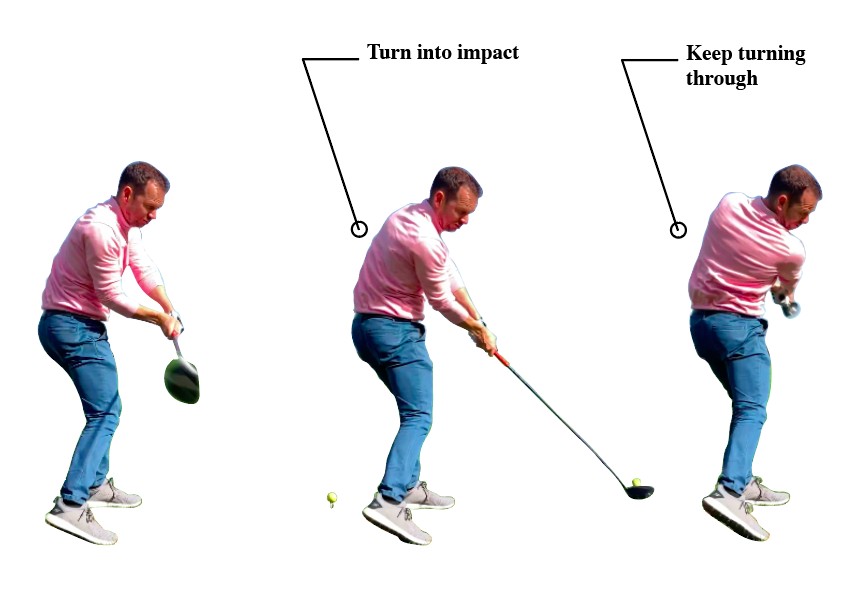
- Transition: Start the downswing with your hips rotating toward the target.
- Impact: Aim to strike slightly up on the ball. This creates launch and less spin.
- Follow-through: Let your body rotate fully toward the target. Finish balanced.
Repeat these steps at the range. Short, focused reps beat long, sloppy sessions. I taught these five steps to a beginner who went from slicing to straight drives in two weeks.

How far should a beginner hit a driver?
Most beginners hit a driver 150–200 yards depending on strength and technique. Focus first on solid contact and direction before distance.
Why do I slice my drives?
A slice often comes from an open clubface or an outside-in swing path. Work on a neutral grip and starting the downswing with the hips to reduce a slice.
Common mistakes and quick fixes
Beginners often make the same errors. Fixing these will boost consistency.
• Over-swinging and losing balance.
Keep your swing smooth and control tempo.
• Lifting your head at impact.
Keep your eyes on the back of the ball through impact.
• Standing too upright or too close to the ball.
Check posture and ball position before every shot.
• Gripping too tight.
Relax your grip to improve feel and swing speed.
I used a simple drill of halving the backswing to help a new player stop topping and slicing. Short swings build confidence and repeatable mechanics.

Practice drills to improve driving quickly
Use short, focused drills. Repeat each for five to ten minutes.
• Tee-and-capture drill: Tee ball high and try to “capture” the ball with the club’s sweet spot. Focus on hitting the top third of the driver face.
• Slow-motion swing: Make slow half swings to feel the shoulder turn and hip rotation.
• Impact bag or towel drill: Take half swings and feel your hands lead through impact.
• Alignment stick drill: Place a stick on the ground to train your swing path and alignment.
• Balance hold: Finish a drive and hold your balanced follow-through for three seconds.
Drills shorten the learning curve. I recommend 2–3 short practice sessions per week over long, tiring sessions.

How to practice on the course versus the range
Practice must match real play. Here is how to split time.
• Range work: Focus on mechanics and drills. Use targets and vary clubs.
• Short course: Hit drives on short holes to practice hitting fairways under mild pressure.
• On-course practice: Play full holes and use pre-shot routines as you would in a round.
I saw the fastest improvement when students mixed range practice with actual play. It built skill and course sense together.

Simple pre-shot routine for consistent drives
A short routine reduces nerves and improves focus. Try this:
- Visualize the target line.
- Pick a small intermediate target (a mark on the ground).
- Take one practice swing to feel tempo.
- Set up, breathe, and execute one smooth swing.
Keep the routine short. The same routine before every drive builds confidence and consistency.
Tracking progress and setting goals
Measure what matters. Use simple goals and track results.
• Goal examples: Hit the fairway 50% of the time; reduce big misses; increase solid contact.
• Track: Note ball flight, launch, and where drives end up.
• Adjust: Change practice focus based on tracking.
Small, steady gains beat dramatic but inconsistent efforts. Celebrate small wins.
Frequently Asked Questions of how to drive a golf ball for beginners
How should a beginner set ball position for a driver?
Place the ball off the inside of your front heel. This helps you hit slightly up on the ball and get more launch.
What tee height should I use when learning to drive?
Tee the ball so half the driver face sits above the top of the ball. A taller tee makes upward contact easier for beginners.
How fast should a beginner swing the driver?
Swing at a comfortable, smooth speed. Control and solid contact matter more than max speed.
Is it better to use a 3-wood or driver when starting out?
A 3-wood can be easier to control and often gives better accuracy. Use the driver as you build confidence.
How often should I practice driving to see improvement?
Two to three short sessions per week is a good start. Focused practice beats long, unfocused time at the range.
Conclusion
You can learn how to drive a golf ball for beginners by focusing on simple steps. Start with the right driver, a solid setup, a neutral grip, and a slow, repeatable swing. Use short drills and a steady practice plan. Track small wins and keep a calm pre-shot routine. Practice with purpose and you will see steady improvement. Try one new tip at a time and play more—confidence grows with experience. Share your progress, ask questions, or subscribe to learn more and keep improving your drives.