How To Choose A Golf Ball: Best Tips For Every Swing
Pick a ball that matches your swing speed, feel preference, and short-game spin needs.
Choosing how to choose a golf ball matters more than most players think. I’ve tested dozens of balls over years on the range and course, worked with club fitters, and tracked results on a launch monitor. This guide explains how to choose a golf ball step by step, with simple tests, real-world tips, and clear rules so you find the right ball for your game and budget.
Why choosing the right golf ball matters
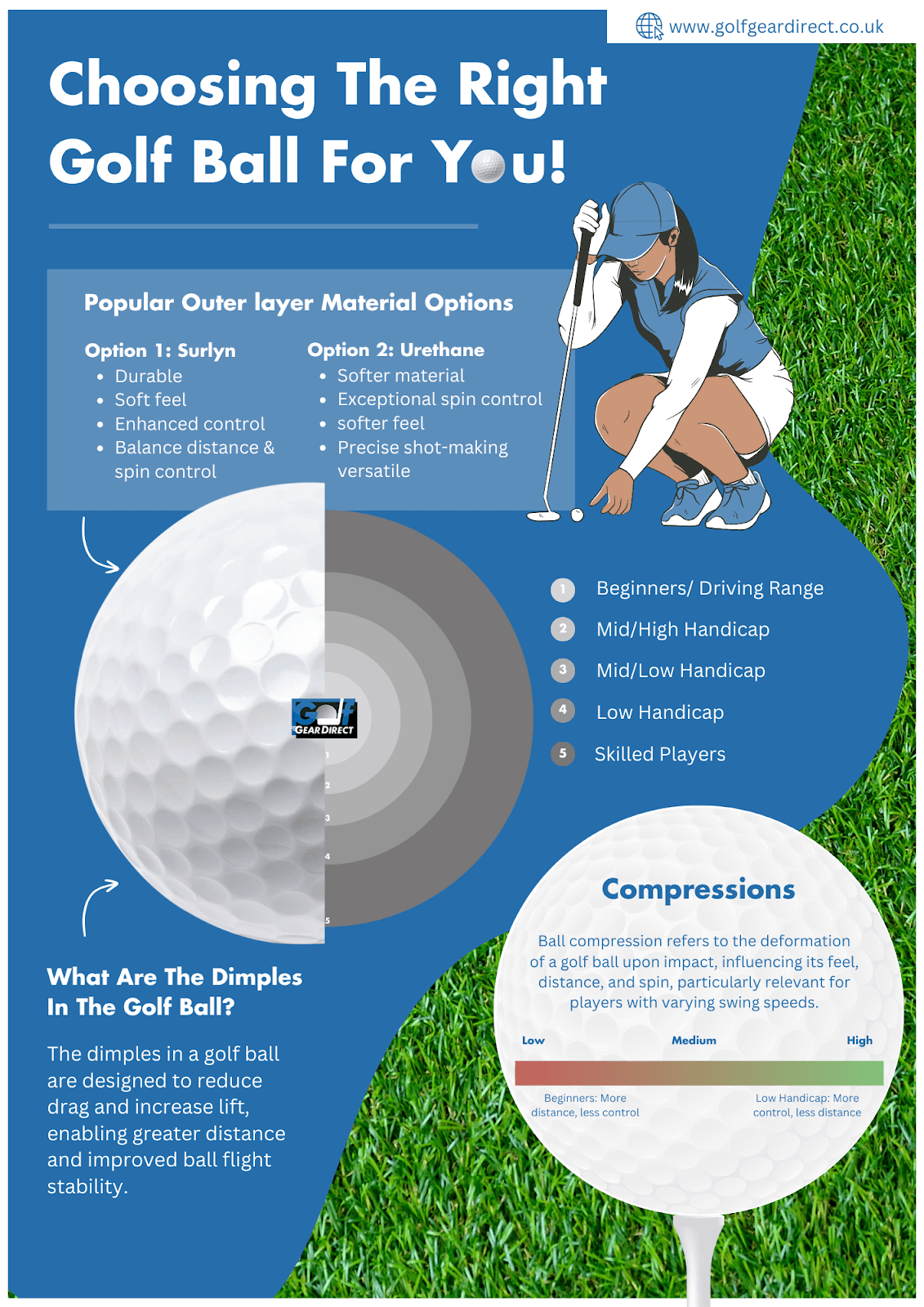
The golf ball links your swing to shot outcome. Small differences in compression, spin, or cover change distance, accuracy, and control. Picking the right ball can shave shots off your score and boost confidence around the greens.
Experience tip: early in my playing years I used one brand because it felt premium. After switching to a ball matched to my swing speed, I gained easier distance and better spin control. That change taught me why how to choose a golf ball influences both distance and scoring.
Key factors to consider when learning how to choose a golf ball
Knowing the main ball features helps you match equipment to skill. Focus on these factors.
- Construction — Two-piece, three-piece, or multi-layer designs affect spin and feel. Two-piece balls favor distance and durability, while multi-layer balls give more spin control.
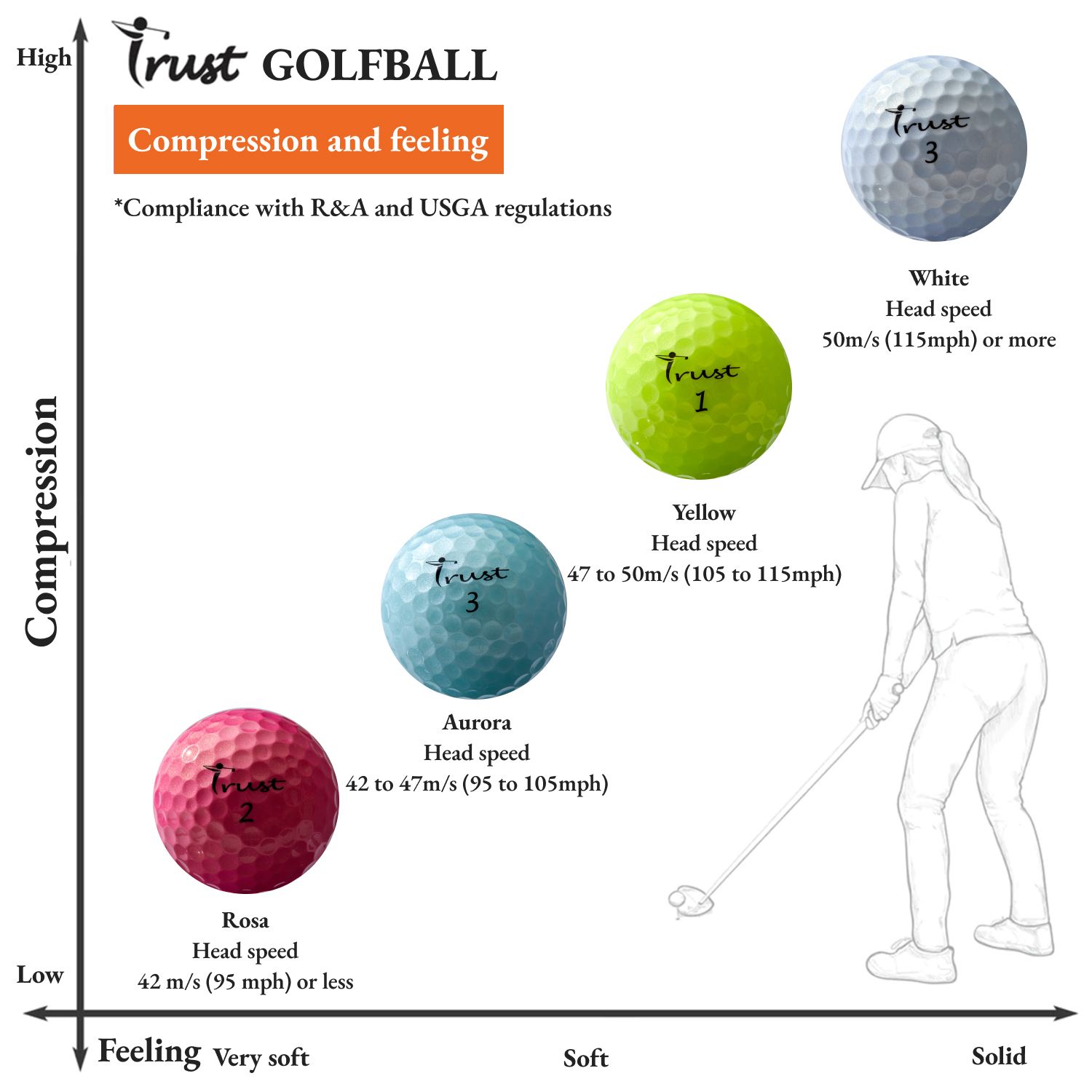
- Compression — Lower compression feels softer and suits slower swing speeds. Higher compression helps players with fast swing speeds get more energy transfer.
- Cover material — Surlyn covers are durable and lower spin. Urethane covers offer softer feel and more spin around the green.
- Spin profile — High-spin irons and wedges help stopping power. Low-spin balls reduce side spin and can cut slicing or hooking.
- Feel and sound — Personal preference matters. Some players want a crisp click; others prefer a soft thud.
- Launch and trajectory — Ball design can raise or lower launch angle. Choose one that matches your typical launch for better carry distance.
- Durability and price — Practice balls can be cheaper and durable. Premium balls cost more but often improve feel and control.
- Player skill and goals — Beginners usually benefit from distance and forgiveness. Better players often choose control and feel to shape shots.
How to choose a golf ball tip: make a short list of two or three balls that fit these factors, then test them.

Match your ball choice to swing speed and skill
A simple system helps you select a category of balls quickly. Below are practical matches.
- Swing speed under 85 mph — Choose low- to mid-compression balls for better energy transfer and softer feel.
- Swing speed 85–105 mph — Mid-compression balls work well; they balance distance and control.
- Swing speed over 105 mph — Higher-compression or tour-level balls maximize energy transfer and control.
- Handicap 20+ or beginner — Prioritize distance and forgiveness with two-piece designs.
- Handicap 10–19 or intermediate — Look for a mid-compression ball with a bit of short-game spin.
- Handicap under 10 or advanced — Opt for urethane, multi-layer balls to maximize spin control and feel.
PAA-style question 1: Will a softer ball give me more distance?
A softer ball can help slower-swing players gain distance by compressing better. Faster swingers may lose distance with very soft balls because they can’t compress them optimally.
PAA-style question 2: Should I use a urethane ball right away?
You can, but urethane balls show more spin and wear quickly. Try them on the course and compare short-game control before committing.
Testing and fitting: a simple process to find your best ball
Testing is the most reliable way to decide how to choose a golf ball. Follow these steps.
- Pick three candidate balls that fit your swing speed and budget.
- Use a launch monitor or a range session and hit 10 shots with each ball using driver, 7-iron, and pitching wedge.
- Track average carry, spin, launch angle, and dispersion. Note how the ball feels and reacts around the green.
- Play a 9-hole test round switching balls every three holes to judge real-course performance.
- Compare results: pick the ball that gives the best balance of distance, control, and feel.
Personal testing note: I once chose a ball because it added 5 yards off the tee on the launch monitor, but during match play I missed the greens more due to higher spin on my driver. Testing on course for short-game control fixed my choice.

Top mistakes to avoid when deciding how to choose a golf ball
Avoid these common errors to make a better choice faster.
- Choosing by price alone — Expensive doesn’t always mean better for your swing.
- Relying only on range numbers — Real-course feel and short-game control matter most.
- Ignoring durability — If you lose balls often, a cheaper durable ball may save money.
- Sticking to one brand forever — Different manufacturers suit different swings; keep an open mind.
- Not testing different compression levels — Compression affects distance and feel more than color or logo.
Frequently Asked Questions of how to choose a golf ball
What is the difference between two-piece and multi-layer balls?
Two-piece balls have a solid core and a cover and focus on distance and durability. Multi-layer balls add extra layers for better spin control and feel.
How does compression affect my shots?
Compression measures how much the ball deforms at impact. Lower compression suits slower swings; higher compression benefits fast swingers for optimal energy transfer.
Are urethane covers worth the extra cost?
Urethane covers provide softer feel and more spin around the greens, which benefits better players. If you prioritize durability and distance, cheaper covers may be fine.
How many balls should I test before choosing one?
Test two to four different balls in a consistent session to get reliable comparisons. More than four can make results noisy and harder to interpret.
Can changing balls improve my score quickly?
Yes. Matching a ball to your swing speed and short-game needs can improve distance, accuracy, and control, often cutting strokes quickly.
Should I consider environmental conditions when choosing a ball?
Yes. Cold or wet conditions reduce ball speed and change feel; lower compression or high-launch designs can help in cooler weather. Wind and humidity also influence ball flight and spin.
Conclusion
Choosing how to choose a golf ball is a mix of facts, testing, and personal feel. Start by matching ball construction and compression to your swing speed, then test 2–3 candidates on the range and course. Use simple metrics like carry, dispersion, and short-game stopping power to pick the best fit.
Takeaway: spend one focused practice session testing a few balls — you may find a better match that lowers your scores. Try the steps here, leave a comment about your results, or subscribe for more gear guides and testing tips.