How Much Do Golf Shoes Weigh: Average Weight Guide
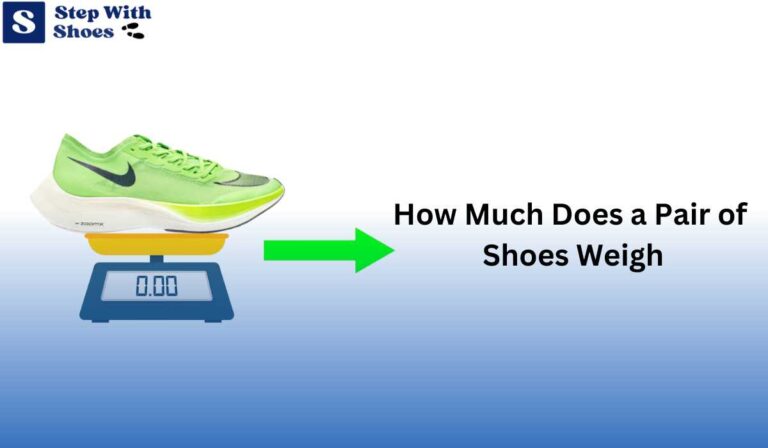
Golf shoes are lighter than many people expect. Most adult golf shoes weigh about 10 to 18 ounces per shoe, or 20 to 36 ounces per pair. That equals roughly 1.25 to 2.25 pounds per pair. Lightweight spikeless shoes often sit near the low end, while waterproof, leather, winter, or heavily structured shoes often weigh more.
The exact answer depends on shoe size, upper material, outsole design, traction system, waterproof membrane, and midsole. A junior shoe may weigh only 6 to 12 ounces, while a large men’s golf shoe with added support may exceed 18 ounces. Weight also matters more to golfers who walk, play long rounds, or have foot, knee, hip, or back concerns than to golfers who ride in a cart.

Quick answer: How much do golf shoes weigh?
A typical adult golf shoe weighs 10 to 18 ounces, and a typical pair weighs 1.25 to 2.25 pounds. Women’s shoes often fall near 9 to 15 ounces per shoe, men’s shoes often fall near 12 to 18 ounces, and junior shoes often weigh about 6 to 12 ounces.
Golf shoes do not have one standard weight. A small, breathable shoe can feel very light, while a waterproof shoe with a firm sole and extra traction can feel much heavier. Always compare weights using the same unit and the same shoe size.

| Golf shoe type | Typical weight per shoe | Typical weight per pair |
|---|---|---|
| Junior or youth golf shoe | 6–12 ounces | 12–24 ounces |
| Lightweight adult spikeless shoe | 9–14 ounces | 18–28 ounces |
| Standard adult golf shoe | 12–18 ounces | 24–36 ounces |
| Waterproof or winter golf shoe | 15–22+ ounces | 30–44+ ounces |
These ranges are useful guides, not fixed rules. Large sizes may weigh more than small sizes in the same model, and construction can vary greatly between brands and shoe styles.
Why golf shoe weight matters on the course
Golf shoe weight matters most during walking, uneven lies, and long rounds. A golfer takes thousands of steps during an 18-hole round, so even a small difference in each shoe can change how the feet, calves, and hips feel late in the day.
The main difference between a light golf shoe and a heavy golf shoe is not only the number on a scale. Weight can affect fatigue, ground feel, stability, traction, comfort, and how quickly the shoe dries after wet play.

Walking distance and total effort
A walking golfer may cover several miles during a round. The exact distance depends on the course layout, how far the ball travels from the cart path, and how often the golfer walks back to a previous shot. A short executive course usually demands less walking than a long championship course.
A heavier shoe adds a small amount of work to each step. The difference may not matter on the first tee, but it can become noticeable after several hours. Tired feet can change posture, stance width, balance, and swing tempo.
This point suits walkers, older golfers, players with high handicaps, and anyone who feels foot or calf fatigue late in a round. It may matter less to a golfer who rides and spends little time walking away from the cart.
Stability during the golf swing
A heavy shoe is not automatically more stable. Stability comes from the outsole, tread pattern, heel structure, fit, and how well the shoe holds the foot during the swing.
A stable shoe helps the golfer keep a steady base during the backswing, downswing, impact, and follow-through. The grip must support the ground forces created when the golfer turns the hips and pushes through the feet.
A very light shoe can still provide strong traction. A heavy shoe can still slip if its sole is worn, wet, or poorly suited to the grass. Weight is only one part of the stability question.
Comfort over 18 holes
Comfort is personal. Some golfers prefer a soft, flexible shoe that feels close to a walking sneaker. Others prefer a firm shoe that supports the arch, heel, and outer edge of the foot.
A shoe that is too light may lack the structure a golfer needs. A shoe that is too heavy may cause fatigue. The best match depends on foot shape, walking habits, age, fitness, injury history, and course conditions.
Golfers with recurring pain should not treat shoe weight as a medical solution. Persistent foot, knee, hip, back, elbow, or wrist pain calls for advice from a qualified health professional.
| Factor | How shoe weight can affect it | Golfer most likely to notice |
|---|---|---|
| Walking fatigue | More weight can add to foot and leg fatigue | Walkers and seniors |
| Swing stability | Weight may add structure, but traction matters more | Fast swingers and players on hills |
| Ground feel | Lighter shoes may feel more flexible and direct | Juniors and athletic players |
| Wet-weather comfort | Waterproof shoes may weigh more and dry slowly | Golfers in damp climates |
| Cart use | Total walking demand may be lower | Riders and casual players |
The key takeaway is simple: a lighter shoe can help reduce fatigue, but a secure fit and suitable traction matter more than weight alone. A heavier shoe can suit a golfer who values support, warmth, or protection.
What makes one golf shoe heavier than another?
Golf shoe weight comes from several parts. The upper is the material around the foot. The midsole is the cushioning layer. The outsole is the bottom section that meets the turf. Each part can add or remove weight.
Waterproof layers, thick padding, firm heel counters, wide outsoles, and traction elements often add weight. Breathable mesh, thin synthetic panels, flexible foam, and reduced structure often lower weight.

Upper materials
The upper covers the top and sides of the foot. Mesh and thin synthetic fabrics usually weigh less than thick leather or heavily lined materials.
A leather upper may feel firm and protective. It may also resist scuffs and wind well. A mesh upper may feel lighter and cooler in warm weather. Neither material is automatically better for every golfer.
Women’s, men’s, and junior shoes may use similar materials but differ in size, width, padding, and shape. A junior golfer should use properly sized equipment. An oversized shoe can create more movement inside the shoe, which may harm balance and comfort.
Waterproof membranes
A waterproof membrane is a thin layer designed to block water while allowing some vapor to pass. It can add weight, especially when combined with a waterproof upper, sealed seams, thicker lining, and a protective tongue.
Wet-weather shoes can also hold more water after a round. That makes the shoe feel heavier during play and while it dries. A damp shoe may also increase the risk of blisters if the foot moves inside it.
A breathable, non-waterproof shoe may suit hot, dry weather. A waterproof design may suit wet grass, early morning rounds, or rainy regions. Climate matters more than a simple “light is always best” rule.
Midsoles and cushioning
The midsole sits between the foot and the outsole. It helps absorb impact and shapes how the shoe bends.
More foam does not always mean better comfort. A very soft midsole may feel pleasant at first but may not give enough support for a golfer who rolls inward or needs a stable platform. A firmer midsole can help some golfers feel more secure during the swing.
Seniors, golfers with sensitive joints, and players who walk often may value cushioning. However, anyone with pain should seek medical guidance rather than rely on shoe design alone.
Outsoles and traction
The outsole creates contact with the turf. It may use rubber nubs, molded lugs, or other traction features. Traditional replaceable spikes add more parts and can raise weight, though the difference varies by design.
Traction should match the course. A dry parkland course, a wet links course, and a hilly rough area place different demands on the outsole. A shoe with too little grip may slip. A shoe with an overly aggressive tread may feel stiff on firm paths.
| Shoe component | Common weight effect | Main performance role |
|---|---|---|
| Mesh upper | Usually lowers weight | Breathability and flexibility |
| Leather or thick synthetic upper | Often adds weight | Protection and structure |
| Waterproof membrane | Adds some weight | Water resistance |
| Cushioned midsole | May add weight | Comfort and shock control |
| Wide rubber outsole | May add weight | Stability and traction |
| Spikes or firm traction lugs | May add weight | Grip during the swing |
Shoe weight is the total of many small choices. Looking only at the upper or sole can give a false impression of how heavy the complete shoe feels.
Typical golf shoe weights by golfer
Golf shoe weight varies by the golfer as well as the shoe. Foot size, walking style, age, strength, and playing conditions all matter. The ideal weight for a junior is not the same as the ideal weight for a large adult who plays in cold rain.
Men’s golf shoes
Men’s golf shoes often weigh about 12 to 18 ounces per shoe. Larger sizes, wide widths, thick uppers, and waterproof designs may exceed that range.
A male golfer with a fast swing may focus more on traction and foot security than on the lowest possible weight. A new golfer with a high handicap may benefit from a comfortable, stable platform while learning stance, posture, grip, and balance.
This does not mean heavier shoes improve swing mechanics. Shoes cannot replace a sound setup, a balanced backswing, or a controlled downswing.
Women’s golf shoes
Women’s golf shoes often weigh about 9 to 15 ounces per shoe, although larger sizes and structured designs may be heavier.
Women golfers may have different heel, arch, width, and forefoot needs. Weight alone cannot show whether a shoe fits well. A light shoe that allows the heel to lift or the foot to slide may be less useful than a slightly heavier shoe with a secure fit.
For women who walk, a low-weight shoe may reduce fatigue. For women who play on wet or hilly courses, traction and stability may matter more than a small difference in ounces.
Junior golf shoes
Junior golf shoes commonly weigh about 6 to 12 ounces per shoe. The range depends on the child’s size, shoe construction, and amount of padding.
Children grow quickly, but an oversized golf shoe can be unsafe. Too much extra room may cause sliding, blisters, or poor balance. Junior golfers also need clear space around them during practice, especially at a driving range.
Parents should watch for changes in comfort, foot movement, and walking pattern. A child who often trips, complains of pain, or avoids walking may need an assessment from a health professional.
Senior golf shoes
Senior golfers may value low weight because fatigue can build during a long round. Yet many seniors also need support, cushioning, warmth, and secure traction.
A lightweight shoe may suit a senior who walks on a dry, flat course. A more structured shoe may suit a senior who plays on hills, damp turf, or uneven rough. The right choice depends on strength, balance, foot shape, and medical needs.
There is no special golf shoe weight rule for seniors. The useful question is whether the shoe supports safe movement without adding needless fatigue.
| Golfer group | Common per-shoe range | Main factors to review |
|---|---|---|
| Men | 12–18 ounces | Size, width, traction, waterproofing |
| Women | 9–15 ounces | Fit, heel security, arch support |
| Juniors | 6–12 ounces | Correct size, flexibility, safety |
| Seniors | 10–18 ounces | Fatigue, balance, cushioning, grip |
| Larger or wide sizes | Often above the listed range | Extra material and outsole width |
These ranges overlap because golfers and shoe shapes differ. The label “men’s,” “women’s,” “junior,” or “senior” does not determine weight by itself.
Lightweight versus heavier golf shoes
The main difference between lightweight and heavier golf shoes is the balance between freedom and structure. Lightweight shoes often feel easy to walk in, while heavier shoes may provide more material, protection, and support.
Neither category guarantees better performance. The correct match depends on the golfer, course, weather, and amount of walking.

Benefits of lightweight golf shoes
Light golf shoes can feel natural during walking and practice. They may help a golfer notice the ground and move the feet freely. This can appeal to beginners, juniors, runners, and golfers who dislike stiff footwear.
Light shoes may also dry faster when they use less padding and fewer thick layers. That can help in warm climates or during early morning rounds when grass is damp but rain is not falling.
However, a light shoe may not suit every foot. Some golfers need a firmer heel, stronger side support, or more protection from cold and wet conditions.
Benefits of heavier golf shoes
Heavier shoes may provide a more solid feel. They often include thicker uppers, firmer midsoles, wider outsoles, and extra water protection.
That structure can suit a golfer who plays in cool weather, walks on hills, or wants a secure base during a full swing. It may also help a player who prefers a firm stance during bunker shots, pitching, or long iron swings.
The trade-off can be extra fatigue. A heavy shoe may feel fine for nine holes but tiring over 18. It may also feel warm in summer.
Pros and cons
| Weight style | Advantages | Limitations |
|---|---|---|
| Lightweight | Easy walking, flexible feel, often cooler | May offer less structure or protection |
| Medium weight | Balanced support and comfort | May not excel in extreme weather |
| Heavy or structured | Firm feel, warmth, water protection | Can increase fatigue and heat |
For beginners, medium weight often offers a practical starting point because it balances comfort and support. For experienced walkers, the best answer depends on course length, foot health, and weather habits.
Does golf shoe weight affect your golf swing?
Golf shoe weight can affect how your feet feel, but it does not directly fix a slice, hook, topped shot, fat shot, or poor putting stroke. Swing results come from the relationship between grip, stance, posture, ball position, club path, face angle, impact, and follow-through.
A secure golf shoe can help a golfer stay balanced. That matters because balance supports consistent pressure shifts from the trail foot to the lead foot. Still, weight is only one small part of this chain.

Ground pressure and balance
During the backswing, pressure usually moves toward the trail side without forcing the body to sway. During the downswing, pressure moves toward the lead side as the hips and body rotate.
The shoes must stay connected to the turf while this happens. If the feet slide, the golfer may lose balance or change the swing path. A stable sole and suitable traction usually matter more than adding ounces.
This advice suits improving amateurs who notice movement in the feet during full swings. It may not help a golfer whose main issue is grip, posture, ball position, or clubface control.
Swing speed and shoe weight
Players with high swing speed can create greater ground forces. They may notice a weak outsole, loose heel, or poor side support more than a beginner with a slow swing.
That does not mean high-speed players need heavy shoes. It means they need a secure connection to the ground. A fast swing in a heavy but slippery shoe is not stable.
Beginners should focus first on balance, tempo, and centered contact. Swing speed often changes as technique improves, so shoe needs may change over time.
Left-handed and right-handed golfers
Left-handed and right-handed golfers do not need different shoe weights. The swing direction changes, but both players need traction under the trail and lead foot.
The wear pattern may differ. A right-handed golfer may place different stress on the lead foot than a left-handed golfer. A shoe that feels secure in both directions also helps during chipping, putting, walking, and practice.
Golf shoes and putting
Putting uses less force than a full swing, but foot comfort still matters. A golfer who stands on the green for a long time may notice pressure in the heel, arch, or forefoot.
Green reading requires a stable stance and quiet body. A shoe that pinches or slides can distract the golfer. Shoe weight has less effect on the putt than posture, eye position, green speed, and distance control.
Walking, riding, and course type
The effect of golf shoe weight changes with how you play. A golfer who walks 18 holes on a hilly course has different needs from a golfer who rides on a flat executive course.
Course type also matters. A links course may have firm ground, strong wind, and uneven lies. A wet parkland course may have soft grass and muddy paths. A short executive course may reduce total walking but still include slopes and rough.

Walking a full 18-hole round
Walking golfers should think about total comfort over time. A shoe may feel fine during a warm-up but cause pressure after 12 holes.
A simple warm-up routine can help. Walk for a few minutes, move the ankles, and make easy practice swings before the first tee. Do not begin with full-force swings when the body is cold.
Walkers should also manage hydration, sun protection, and pace of play. If heat, dizziness, or unusual fatigue appears, stop and seek help.
Riding in a golf cart
Riding usually reduces walking distance, but it does not eliminate movement. Golfers still walk from the cart to the ball, around the green, into bunkers, and across the tee box.
Cart users may tolerate a heavier shoe more easily. Yet comfort remains important because an uncomfortable shoe can affect concentration and stance. Cart safety also matters: follow course signs, slow down on slopes, and keep hands and feet inside the cart.
Links and firm courses
A links course often has firm turf, slopes, wind, and deep rough. Traction and foot security can matter more than maximum softness.
Firm ground can also make a stiff outsole feel uncomfortable. Golfers may prefer enough cushioning for walking but not so much that the foot feels unstable.
Wet and soft courses
Wet grass increases slipping risk. Mud can collect in the outsole and make a shoe feel heavier as the round continues.
Golfers should clean mud from the sole safely and avoid damaging the turf. Do not drag feet across greens or wet tee boxes. Repair ball marks, replace divots, rake bunkers, and protect delicate areas.
| Playing setting | Weight concern | Higher-priority feature |
|---|---|---|
| Flat executive course | Less total walking | Comfort and flexibility |
| Hilly walking course | Fatigue over many steps | Low weight and secure fit |
| Wet parkland course | Mud and slipping | Traction and water resistance |
| Firm links course | Hard ground and slopes | Stable sole and cushioning |
| Cart-based round | Less walking, but movement remains | Fit and stance security |
The best shoe weight changes with the round. A golfer may use different footwear needs in summer heat, winter rain, and dry spring conditions.
How to compare golf shoe weight correctly
Golf shoe weight comparisons can be misleading. A stated weight may apply to one shoe, one size, or one color and material. Some descriptions list a pair weight, while others list the weight of a single shoe.
The best way to compare golf shoe weight is to use the same size, unit, and measurement method. Compare complete shoes, not just the upper or outsole.

Per shoe versus per pair
Many people ask, “How much do golf shoes weigh?” but do not specify whether they mean one shoe or the pair. This creates a common error.
If one shoe weighs 14 ounces, the pair weighs about 28 ounces, or 1.75 pounds. Do not double a listed pair weight, and do not compare a single-shoe figure with a pair figure.
Ounces, pounds, and grams
Golf shoe weights may appear in ounces, pounds, or grams. Useful conversions include:
- 16 ounces = 1 pound
- 28.35 grams = 1 ounce
- 453.6 grams = 1 pound
- 1 kilogram = about 2.2 pounds
A pair weighing 28 ounces is about 1.75 pounds. A pair weighing 36 ounces is about 2.25 pounds.
Shoe size and width
A larger shoe uses more material. A wide shoe may use more upper material and a broader outsole. The weight difference can be modest, but it matters when comparing close models.
A golfer should not use a smaller size to reduce weight. Poor fit can cause blisters, sliding, pressure, and balance problems.
Measuring at home
A small kitchen scale can measure golf shoes. Remove loose items, use dry shoes, and weigh each shoe separately. Record the size, whether the shoe is wet or dry, and whether the insole is included.
This method gives a useful personal number. It does not prove that one shoe performs better than another. Comfort and traction still require real-world use.
| Measurement question | Correct method | Common mistake |
|---|---|---|
| One shoe or pair? | State both clearly | Comparing unlike figures |
| Which size? | Use the same size | Comparing a small shoe with a large shoe |
| Wet or dry? | Measure dry and note conditions | Ignoring absorbed water |
| Insole included? | Use the same setup | Removing parts from only one shoe |
| Which unit? | Convert ounces, pounds, or grams | Mixing units |
Weight is most useful when it supports a larger decision about comfort, support, walking, and weather. It should not be the only number you consider.
Common mistakes when choosing by weight
Many golfers focus too much on the lightest possible shoe. This can overlook fit, traction, foot shape, weather, and the golfer’s own walking pattern.
The goal is not to make the shoe as light as possible. The goal is to avoid unnecessary weight while keeping the features that support safe and steady movement.

Mistake 1: Assuming lighter always means better
A light shoe may feel pleasant in a store or at the driving range. After several hours, though, a golfer may need more support or cushioning.
This mistake often affects beginners and runners who expect golf shoes to feel like running shoes. Golf requires rotation, side forces, uneven lies, and long periods of standing. The shoe must suit all of those tasks.
Mistake 2: Ignoring fit
A poorly fitted light shoe can move more than a well-fitted heavier shoe. Foot movement can create blisters and reduce confidence during the swing.
Check heel security, toe room, width, and pressure across the top of the foot. Toes should have room to move, but the foot should not slide inside the shoe.
Mistake 3: Forgetting the weather
A breathable shoe may feel ideal on a hot, dry morning. It may feel less useful in steady rain or wet rough.
Climate changes the practical weight of a shoe. Water, mud, and thick socks can all increase the load and change how the shoe feels.
Mistake 4: Blaming shoes for swing faults
A golfer may blame heavy shoes for a slice or thin iron shot. Most swing faults come from technique, timing, clubface control, or poor contact.
A PGA professional can assess grip, stance, posture, ball position, backswing, downswing, and impact. Shoe weight may be part of comfort, but it is rarely the main cause of a recurring shot pattern.
Mistake 5: Forgetting practice areas
Golfers need safe footwear at the driving range, putting green, and short-game area. Keep a safe distance from other golfers, check the swing area, and never walk in front of someone making a swing.
Children need extra supervision. Parents should teach juniors to wait behind the hitting line and keep clubs under control.
Golf shoe weight and golf rules
The Rules of Golf do not set a standard weight for golf shoes. In normal play, golfers may wear shoes that suit the course and their feet, as long as the footwear follows local requirements and does not damage the course.
The USGA and R&A Rules of Golf govern play, while a club or tournament committee may set additional conditions about dress or course access. Check the latest Rules of Golf and local rules for updates.
Are golf shoes required?
Golf shoes are not always required by the Rules of Golf. A course may have a dress code or footwear policy, and some events may impose conditions for safety or turf care.
Golfers should check with the course or event committee before play. The rule comes from the facility or competition policy, not from a universal shoe-weight standard.
Spikes and spikeless soles
Both spiked and spikeless designs may be used on many courses. The local club may restrict certain outsole types if they damage greens or create safety concerns.
The important issue is not simply whether a shoe has spikes. The condition of the sole, the golfer’s walking behavior, and the course policy all matter.
Protecting the course
Golf shoes can damage turf if a golfer drags feet, twists aggressively on a green, or ignores wet-area signs. Weight does not excuse poor etiquette.
Good golf etiquette includes repairing ball marks, replacing divots when allowed, raking bunkers, keeping pace, and disposing of broken tees and litter properly.
📜 Check the Rules: Rules, dress codes, and local conditions can change. Check the latest Rules of Golf and the current instructions from the course or tournament committee.
How to make golf shoes feel lighter
You cannot change the listed weight of a shoe, but you can reduce how heavy it feels during play. Fit, socks, drying, walking habits, and foot strength all affect comfort.
These steps suit walkers and golfers who feel tired feet. They may not help someone with an injury, nerve problem, or serious balance issue.
Use the correct fit
A secure heel reduces sliding. Enough toe room helps prevent pressure on long walks. The midfoot should feel held without painful tightness.
A shoe that is too loose may require extra effort from the toes and lower leg. A shoe that is too tight may create numbness, blisters, or hot spots.
Keep shoes dry
Wet shoes can feel heavier. Let them dry in a cool, ventilated place, and follow the care directions for the material.
Avoid placing footwear next to extreme heat. High heat can damage adhesives, coatings, and structural parts.
Wear suitable socks
Socks affect friction, moisture, and comfort. Thin socks may reduce heat, while thicker socks may increase warmth but change fit.
Golfers should use socks that suit the weather and allow the foot to stay dry. A damp foot may slide more inside the shoe.
Build walking fitness
Walking on a golf course is a form of golf fitness. Start with shorter walks if you are not used to 18 holes. Add distance over time and pay attention to unusual pain.
Simple calf raises, ankle movements, balance work, and gentle mobility can support general fitness. Stop if pain appears, and ask a qualified professional for advice when needed.
💡 Pro Tip: Test comfort after several hours, not only during the first few minutes. A shoe that feels fine at the first tee may feel very different near the 16th hole.
A simple checklist for different golfers
The useful weight range depends on the golfer’s needs. Use the checklist below as a way to think through the issue, not as a strict rule.
For beginners
Beginners often spend much of their time learning grip, stance, posture, alignment, and balance. Shoe weight should support those basics without becoming a distraction.
A moderate-weight shoe with a secure fit can provide a stable base. Beginners do not need to chase the lightest number or assume a heavy shoe creates a better swing.
New golfers should also learn basic golf etiquette. Keep pace, stand still when others swing, repair the green, and follow cart rules.
For improving amateurs
Improving players may notice differences in traction during full swings, uneven lies, and course management decisions. They may also walk farther while searching for better angles from the fairway or rough.
These golfers should compare weight with stability and comfort. A shoe that supports consistent pressure movement may suit them better than one that is simply lighter.
For fans, parents, and junior families
Parents should focus on correct size, safe movement, and comfort. Children should not wear oversized footwear to “leave room to grow.”
Fans who spend many hours walking at a golf event may have similar needs to a walking golfer. Light, comfortable footwear can reduce fatigue, but weather and support still matter.
| Golfer | Weight priority | What not to overlook |
|---|---|---|
| Beginner | Comfortable, stable feel | Fit, balance, and traction |
| Improving amateur | Secure ground contact | Swing mechanics and course conditions |
| Junior | Very low fatigue and correct size | Safety, growth, and supervision |
| Walking senior | Reduced fatigue | Cushioning, balance, and medical needs |
| Casual rider | General comfort | Fit, heat, and local footwear rules |
No weight category suits every golfer. Age and handicap can guide the question, but personal comfort and course conditions finish the answer.
Safety, foot health, and golf shoe weight
Footwear is part of golf safety, but it cannot prevent every injury. Golfers should warm up, stay hydrated, protect themselves from the sun, and stop when unusual pain or illness appears.
In hot weather, take shade breaks and drink fluids. In storms, leave the course at the first warning of lightning and follow the facility’s emergency plan.
Foot and joint concerns
Heavy footwear can increase fatigue for some golfers. Very flexible footwear may not provide enough support for others. Neither issue should be used to diagnose a condition.
Pain in the foot, ankle, knee, hip, or back deserves attention. A doctor, physical therapist, or other qualified health professional can assess the problem. Do not keep playing through sharp, worsening, or persistent pain.
Warm-up before play
A short warm-up can prepare the body for walking and swinging. Begin with an easy walk, ankle circles, gentle leg movements, and a few slow practice swings.
Then progress from short pitches to half swings before full shots. This plan suits golfers of all skill levels, especially older players and anyone returning after a break.
Lightning and severe weather
Lightning is a serious hazard. Leave the course at the first warning, even if the storm seems distant. Do not shelter under a lone tree or remain in an open area.
Extreme heat also changes how a round feels. Heavy shoes, wet socks, and poor hydration can increase discomfort. Plan rest, water, and sun protection before the round begins.
⚠️ Safety Warning: Golf shoes do not make lightning, heat, slippery slopes, or cart travel safe. Follow course warnings at once, leave during lightning, and seek medical help for serious symptoms or persistent pain.
Frequently asked questions
Q: What is a good weight for golf shoes?
A: A good weight depends on the golfer. Many adults find 10 to 18 ounces per shoe practical, but comfort, fit, traction, and weather matter more than a specific number. Walkers often value lower weight, while golfers in wet or cold conditions may prefer more structure.
Q: How much do men’s golf shoes weigh?
A: Many men’s golf shoes weigh about 12 to 18 ounces per shoe, or 24 to 36 ounces per pair. Large sizes, wide designs, waterproof materials, and firm outsoles may weigh more.
Q: How much do women’s golf shoes weigh?
A: Many women’s golf shoes weigh about 9 to 15 ounces per shoe. Weight varies with size, width, upper material, cushioning, waterproofing, and traction.
Q: How much do junior golf shoes weigh?
A: Junior golf shoes often weigh about 6 to 12 ounces per shoe. Correct sizing matters more than finding the lowest weight. An oversized shoe can affect balance and create blisters.
Q: Are lighter golf shoes better for walking?
A: Lighter shoes can reduce fatigue, but they are not always better. Walkers also need a secure fit, useful traction, suitable cushioning, and protection from weather. A slightly heavier shoe may feel better over 18 holes if it fits the foot well.
Q: Do heavier golf shoes help you swing harder?
A: No. Shoe weight does not create swing speed. A stable sole and good traction can help a golfer maintain balance, but speed comes from technique, body motion, timing, and impact quality.
Q: Do golf shoes improve balance?
A: Golf shoes can support balance through fit and traction. They do not replace sound posture, stance, pressure movement, or swing practice. A golfer who often loses balance should review technique and consider a lesson with a PGA professional.
Q: Are spiked golf shoes heavier than spikeless shoes?
A: They can be, but not always. Weight depends on the full construction, including the upper, midsole, outsole, and traction system. Some spikeless shoes are heavily structured, while some spiked shoes are relatively light.
Q: Can golf shoes be too light?
A: Yes. A very light shoe may lack the structure, cushioning, warmth, or water protection a golfer needs. This is more likely to matter on wet, cold, hilly, or uneven courses.
Q: Can golf shoes be too heavy?
A: Yes. A heavy shoe can increase fatigue, heat, and discomfort during a long walking round. The effect is often greater for seniors, golfers with lower fitness, and players who walk 18 holes.
Q: Does golf shoe weight matter for high-handicap golfers?
A: It can matter for comfort and balance, but it does not directly determine score. High-handicap golfers should focus on grip, stance, posture, alignment, contact, pace of play, and basic course management.
Q: Do left-handed golfers need different golf shoes?
A: No. Left- and right-handed golfers can use the same types of shoes. Both need stable footing, secure fit, and traction during the swing.
Q: How long does it take to get used to golf shoes?
A: Many golfers adjust after a few practice sessions, but the time varies. Wear them during short walks and light practice before a full round. If pain, rubbing, or numbness continues, stop using them and seek advice.
Q: Can golf shoes affect putting?
A: They can affect comfort and stance stability, but putting success depends mainly on setup, green reading, speed control, and the stroke. Shoe weight has a smaller effect than posture and distance control.
Q: Do golf shoes have to be worn under the Rules of Golf?
A: The Rules of Golf do not set a universal requirement for golf shoes. A course or event may have its own dress or footwear policy. Check local rules and the committee’s instructions before play.
Final thoughts
Most golf shoes weigh between 10 and 18 ounces per shoe, but the useful answer depends on the golfer and the round. Lightweight shoes can help walkers reduce fatigue, while heavier shoes can provide structure, warmth, and water protection.
Think beyond the scale. Consider fit, traction, cushioning, climate, course type, walking distance, age, fitness, and foot health. For beginners, a secure and comfortable base supports learning. For improving golfers, reliable traction supports balance and course movement. For juniors and seniors, correct sizing and safe comfort deserve special attention.
The best golf shoe weight is not the lowest number. It is the weight that lets you walk, swing, putt, and care for the course with steady feet and a clear mind.