How Much Are FootJoy Golf Shoes: Price Guide & Tips
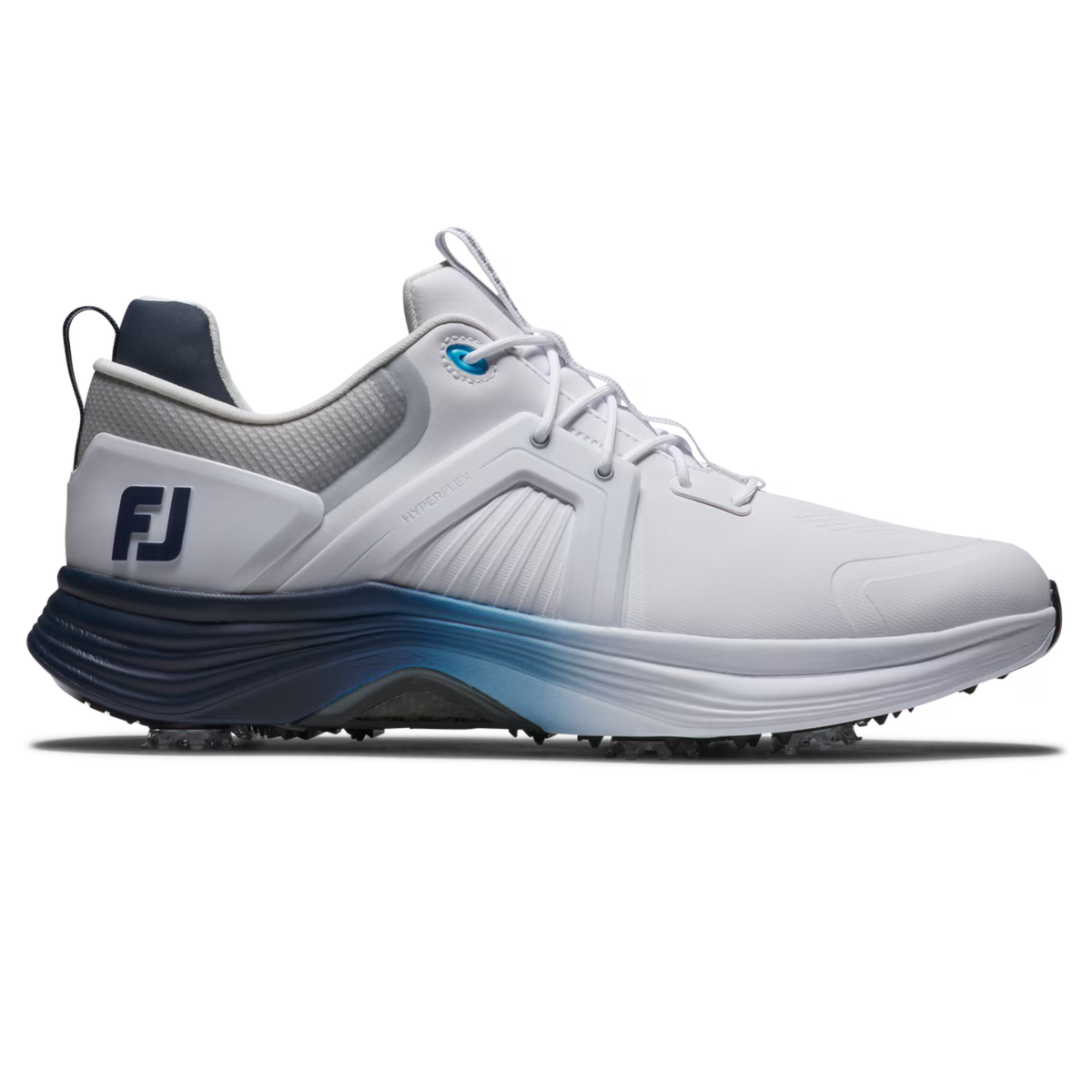
FootJoy golf shoes are made in several lines, so there is no single answer to “how much are FootJoy golf shoes?” The final amount depends on the shoe family, materials, waterproofing, sole type, season, and whether the shoe is made for walking, riding, rain, heat, or tournament play. A simple spikeless shoe usually sits in a different tier from a premium leather model with advanced support and waterproof protection.
For beginners, the key point is not the label alone. A good golf shoe should fit well, hold the foot during the golf swing, and suit the course and weather you face. A junior golfer, senior walker, tournament player, and casual rider may all need different features.

Quick answer: how much are FootJoy golf shoes?
FootJoy golf shoes cover a broad range rather than one fixed amount. Basic models use simpler materials and lighter soles, while premium models may add waterproof leather, stronger heel support, better cushioning, and advanced traction. The exact current price changes by model, size, color, season, and retailer.
For a useful comparison, group FootJoy golf shoes into entry-level, mid-range, and premium tiers. This helps you understand what you are paying for without judging a shoe by its name alone.
| FootJoy shoe tier | Common design focus | Best fit |
|---|---|---|
| Entry level | Simple comfort, basic traction, light build | New golfers and occasional players |
| Mid range | Better support, cushioning, and weather control | Regular walkers and improving players |
| Premium | Higher-grade materials, refined fit, and strong weather protection | Frequent players and tournament golfers |
The main takeaway is simple: the most expensive shoe is not always the best match. A golfer who plays a short executive course in warm weather may need less protection than someone who walks a wet links course.
What changes the price of FootJoy golf shoes?
The largest price differences come from construction, materials, waterproofing, and sole design. Brand reputation matters, but it is only one part of the value. The shoe must also suit your foot shape and how you play.
A shoe for golf must do more than feel soft. It needs to keep the foot stable as the golfer moves from the backswing to the downswing, impact, and follow-through. It also needs enough flexibility for walking without allowing the foot to slide inside the shoe.

Materials and upper construction
The upper is the part of the shoe that covers the foot. FootJoy golf shoes may use leather, synthetic materials, mesh, or a mix of these materials.
Leather can offer a firm feel and a clean look. It may also provide strong water resistance when sealed well. Synthetic uppers often reduce weight and may dry faster. Mesh can improve airflow, which helps in hot weather, but it may offer less protection in heavy rain.
| Upper material | Main benefit | Possible limit |
|---|---|---|
| Leather | Firm support and weather protection | May need more care and can feel warmer |
| Synthetic | Light weight and easy care | Feel and durability vary by model |
| Mesh | Air flow and low weight | Less suited to wet or cold conditions |
The right choice depends on where and when you play. A golfer in Arizona may value air flow, while a golfer in Oregon may place more weight on waterproof protection.
Waterproofing
Waterproofing can affect the amount a golf shoe costs because it requires sealed seams, treated materials, and extra testing. Waterproof shoes can help keep feet dry during wet rounds, early morning starts, and damp fairway walks.
Waterproof does not mean the shoe can stay submerged. Water can enter through the tongue, collar, or open seams. Fit also matters because a loose collar may allow water to reach the sock.
Sole and traction
The sole affects grip, balance, and comfort. Spiked shoes use removable cleats. Spikeless shoes use molded lugs or patterns in the rubber sole.
Spiked shoes can provide strong grip on wet grass and steep slopes. Spikeless shoes are often easier to wear away from the course and may feel more natural during long walks. Neither type is right for every player or every club.
| Sole type | Strength | Limitation |
|---|---|---|
| Spiked | Strong traction on soft or wet turf | Cleats need care and replacement |
| Spikeless | Versatile and easy to walk in | May lose grip on very wet slopes |
| Hybrid | Mix of comfort and strong grip | Design and feel vary by model |
Always check the club’s local rules. Most modern courses allow both types, but some clubs restrict certain sole designs to protect greens and clubhouse floors.
Cushioning and stability
Cushioning softens impact during walking. Stability helps keep the foot from rolling or sliding during the swing. These goals can conflict if a shoe is too soft or too stiff.
A beginner may enjoy a comfortable, flexible shoe. A player with a fast swing or strong weight shift may need firmer side support. A senior golfer may prefer cushioning and a stable heel, especially when walking 18 holes.
💡 Pro Tip: Press your thumb into the heel counter, which is the firm section around the back of the shoe. It should resist collapse. A weak heel can make the foot move inside the shoe during the downswing.
FootJoy golf shoe types and who they suit
FootJoy makes golf shoes for different playing styles, weather needs, and foot shapes. The best comparison starts with use, not appearance.
Think about your normal round. Do you walk or ride? Do you play in wet grass? Do you use a driving range before the round? Do you play a flat parkland course or a windy links course?

Spiked shoes
Spiked golf shoes use cleats that grip the turf. They can suit players who want strong traction during the golf swing, especially on damp ground or sloped lies.
They may help golfers who create a strong push from the trail foot. They can also suit players with a fast tempo, which is the speed and rhythm of the swing. However, spikes may feel less comfortable on hard paths and clubhouse floors.
Spikeless shoes
Spikeless models use rubber nubs, lugs, or tread patterns. They can suit beginners, casual golfers, and players who walk across many surfaces.
A spikeless shoe can be useful for a nine-hole round, a practice session, or a day that includes both golf and travel. Its grip depends on the tread pattern and the condition of the turf.
Waterproof golf shoes
Waterproof models suit golfers who play in rain, dew, or cool mornings. They can also help parents who spend long hours at junior events.
Waterproof shoes may feel warmer than mesh shoes. They can also need more time to dry if water enters through the opening. Let them dry at room temperature rather than placing them against a heater.
Lightweight golf shoes
Lightweight shoes can suit golfers who walk often. They may reduce the feeling of tired feet late in the round.
Light weight should not mean weak support. Look for a secure heel, firm midfoot hold, and enough structure around the outside of the foot. This matters during chipping, pitching, bunker shots, and uneven lies.
Wide-fit golf shoes
Wide-fit shoes can help golfers with broad feet, bunions, swelling, or high-volume feet. A wide fit does not mean the shoe should be loose.
The foot should not slide from side to side. There should be room to spread the toes, but the heel should stay in place. Seniors and players with foot discomfort should pay close attention to this balance.
A practical FootJoy golf shoe comparison
The best shoe depends on the demands placed on your feet. The table below compares common needs rather than specific products.
| Golfer or condition | Useful shoe traits | Why they matter |
|---|---|---|
| Beginner | Comfort, easy fit, stable sole | Reduces distractions while learning |
| Frequent walker | Cushioning, low weight, heel hold | Helps manage long rounds |
| Wet-climate player | Water resistance, sealed upper, traction | Helps keep feet dry and stable |
| Senior golfer | Cushioning, wide options, easy entry | Supports comfort and balance |
| Junior golfer | Light build, proper youth fit | Avoids excess weight and poor control |
| Fast-swing player | Firm heel and side support | Helps control foot movement |
| Hot-climate player | Breathable upper and moisture control | Helps reduce heat and dampness |
The main lesson is that “good” means suitable. A shoe that works for a strong player on a wet course may feel too firm for a new golfer on a dry executive course.
How much should beginners focus on golf shoes?
Beginners should focus first on fit, comfort, traction, and safe movement. The shoe does not need to be the most advanced option to support learning.
A new golfer often spends more time walking, standing, and practicing than expected. A poor fit can lead to blisters, foot fatigue, or a change in posture. Poor posture can then affect the grip, stance, backswing, and balance.
Fit basics for new golfers
Try shoes with the socks you normally wear for golf. Check the fit later in the day, when feet may be slightly larger.
There should be a small amount of space in front of the longest toe. The heel should stay in place when you walk. The midfoot should feel secure without numbness or pressure.
| Fit check | What to do | Good sign |
|---|---|---|
| Toe room | Move your toes inside the shoe | Toes can spread without hitting the front |
| Heel hold | Walk and take a few practice swings | Heel stays down |
| Width | Stand and shift weight | No pinching or side pressure |
| Flex point | Bend the shoe near the toes | Flex occurs under the forefoot |
Beginners should not judge fit while sitting only. Walk, bend, and make slow practice swings. A shoe can feel fine in a chair but shift during impact.
How long does it take to get used to golf shoes?
Most golfers can learn the feel of a new shoe within a few practice sessions, but the break-in time varies. A stiff leather shoe may take longer than a soft synthetic or mesh shoe.
Wear new shoes for short periods first. Walk around the house or practice area before playing 18 holes. This is especially useful for juniors, seniors, and golfers prone to blisters.
👪 Parent or Beginner Note: Children grow quickly, but oversized golf shoes can cause slipping and poor balance. Junior shoes should fit the child now, with safe toe room, rather than being several sizes too large.
FootJoy shoes for men, women, seniors, and juniors
Golf shoes should match the foot, not a label. Men’s, women’s, senior, and junior lines may differ in shape, width, weight, and color, but the core fit rules remain the same.
A woman with a wide foot may need a wider shape. A man with a narrow heel may need a snug heel design. A senior golfer may need easy entry and cushioning. A junior golfer needs a light shoe that does not restrict natural movement.

Shoes for women golfers
Women’s golf shoes often use different shape measurements around the heel, arch, and forefoot. This does not mean every woman needs a women’s model or every man needs a men’s model.
Women golfers should look for a secure heel and enough toe space. Narrow shoes can create pressure near the toes. Loose shoes can make the foot slide during the downswing.
Shoes for men golfers
Men’s models often offer a wider range of width choices. This can help players with broad feet, high arches, or larger foot volume.
A larger shoe is not always a better shoe. The heel must stay stable, and the upper should not fold or pinch when the golfer bends into posture.
Shoes for seniors
Seniors often benefit from cushioning, stable soles, and easy entry. A supportive shoe may help reduce strain during a long walk, but it cannot correct a medical foot problem.
Senior golfers should also check the course surface. A hilly course may demand more traction than a flat course. A riding golfer may value easy comfort, while a walking golfer may need lower weight.
Shoes for juniors
Junior golfers need proper fit, low weight, and safe grip. Heavy adult shoes can change balance and make it harder to learn a smooth tempo.
Parents should check the sole after practice. Mud and grass can reduce traction. Juniors should also learn course care early by repairing ball marks, replacing divots, and keeping broken tees out of the turf.
Does foot shape affect the right FootJoy shoe?
Foot shape affects fit more than gender, handicap, or swing speed. A golfer with flat feet may prefer a different arch feel from a golfer with a high arch.
Common foot shapes include narrow, regular, wide, high-volume, and low-volume. Swelling can also change fit during a long round or hot day.
Signs of a poor fit
A poor fit can create clear warning signs. Watch for numb toes, heel blisters, rubbing near the little toe, or a feeling that the foot slides when you turn.
| Symptom | Likely fit issue | Useful response |
|---|---|---|
| Heel blister | Heel is loose or collar rubs | Try a better heel hold and proper socks |
| Toe pressure | Shoe is short or narrow | Check length and width |
| Foot slides | Upper or lacing lacks hold | Adjust fit or change shape |
| Arch pain | Arch feel does not suit foot | Try a different support profile |
| Hot spots | Pressure is uneven | Stop and check fit before playing on |
Do not play through sharp pain. Persistent pain in the foot, ankle, knee, back, wrist, or elbow deserves attention from a qualified medical professional.
⚠️ Safety Warning: Stop if footwear causes pain, numbness, or loss of balance. Footwear may affect comfort, but it cannot treat injury. See a doctor or physical therapist for ongoing symptoms.
Spiked versus spikeless FootJoy golf shoes
The main difference between spiked and spikeless golf shoes is how they create traction. Spiked shoes use separate cleats, while spikeless shoes use built-in rubber tread.
Your swing and course conditions both matter. A player who uses a strong ground push may prefer firm traction. A beginner who is still learning balance may prefer a more natural walking feel.
When spikes may suit you
Spikes may suit players who face wet slopes, soft turf, or high lateral force. They can also help when the golfer wants to feel locked into the ground.
Check the cleats often. Worn cleats can reduce grip and change the feel of the stance. Keep spare cleats and the correct tool if your course and shoe system require them.
When spikeless may suit you
Spikeless shoes may suit golfers who walk on paths, visit the range, or want one pair for many parts of the day. They can feel less stiff on hard ground.
Spikeless does not mean low traction. Tread depth, rubber quality, turf moisture, and slope all matter. A worn sole can lose grip even when the upper still looks good.
| Playing setting | Spiked may help | Spikeless may help |
|---|---|---|
| Wet, hilly course | Strong turf grip | Works if tread is deep and clean |
| Dry, flat course | May be more grip than needed | Comfortable and flexible |
| Walking and travel | Less useful away from turf | More versatile |
| Fast swing | Firm ground connection | Fine with a stable design |
| Casual nine holes | Often unnecessary | Simple and comfortable |
No sole can remove every slipping risk. Slow down on wet slopes and use care near bunkers, cart paths, and steep banks.
Weather, course type, and walking habits
Weather changes how golf shoes perform. Dew, rain, heat, cold, mud, and firm turf all affect comfort and traction.
A links course often has wind, firm ground, and open exposure. A parkland course may have softer turf, tree roots, and damp shade. An executive course may involve shorter holes but still require several miles of walking.
Wet weather
Wet grass can reduce traction. Waterproof shoes may help keep socks dry, but tread condition remains important.
Carry a second pair of socks when rain is likely. Clean mud from the sole during the round. If lightning is present, leave the course at the first warning and follow the club’s safety plan.
Hot weather
Heat can increase foot swelling. Breathable shoes and moisture-wicking socks may help, but hydration and shade matter too.
Use sun protection and take breaks when needed. Heat can affect judgment, pace of play, and swing tempo. A golfer who feels dizzy or confused should stop and seek help.
Cold weather
Cold can make materials feel stiffer. Thick socks may change the fit, so test the complete setup before the round.
Cold hands can also affect the grip. Use a warm-up routine that includes gentle walking, ankle circles, hip movement, and easy practice swings.
Walking versus riding
Walkers place repeated load on the feet. Riders still need stable shoes because the swing creates force through the ground.
A walker may value cushioning and low weight. A rider may place more value on traction and quick drying. Neither choice is universal.
| Condition | Shoe feature to assess | Other useful step |
|---|---|---|
| Heavy rain | Water resistance and tread | Carry dry socks |
| Morning dew | Grip and sealed upper | Wipe soles during the round |
| Hot weather | Breathability and fit | Hydrate and use sun protection |
| Cold weather | Flexible upper and sock space | Warm up before full swings |
| Long walking day | Cushioning and heel hold | Plan water and rest points |
The key takeaway is that shoes work as part of a system. Socks, foot care, weather planning, and course awareness all matter.
Can golf shoes change your swing?
Golf shoes can affect how stable you feel, but they do not replace sound technique. A stable sole may help you keep balance while learning posture, stance width, and weight shift.
During the backswing, the trail foot supports rotation. During the downswing, pressure moves toward the lead side. At impact, the feet help the golfer stay balanced. During the follow-through, stable footing helps the body finish without slipping.
A shoe cannot fix a slice, hook, shank, or poor contact. If a fault continues, a PGA professional can review your grip, setup, ball position, tempo, and swing path.
Footwear and common swing faults
A golfer who slips may lose balance and pull away from the ball. A golfer in a very stiff shoe may limit natural foot movement. A golfer in a loose shoe may move the foot inside the shoe.
| Swing concern | Possible footwear effect | Better focus |
|---|---|---|
| Loss of balance | Sole or heel lacks grip | Check fit and slow the tempo |
| Pulling away | Feet do not feel stable | Review posture and pressure shift |
| Early lifting of heel | Shoe feels restrictive | Check flexibility and setup |
| Inconsistent contact | Foot slides at impact | Check lacing and sole condition |
This table shows possible links, not proof of cause. Most swing faults need a full view of the golfer and club.
FootJoy golf shoes and handicap level
Handicap index measures a golfer’s demonstrated playing ability. It does not determine which shoe a golfer must wear.
A high-handicap beginner may need comfort and confidence. A mid-handicap player may notice traction during uneven lies. A low-handicap player may care more about precise fit, weight, and weather performance.
High-handicap and new golfers
New golfers often lose balance because the swing is still developing. A comfortable, stable shoe can reduce one source of distraction.
Focus on a repeatable warm-up routine. Start with putting, short chipping, and half swings before hitting full shots. The shoe should support practice rather than become the center of attention.
Mid-handicap golfers
Improving players often walk more, practice more, and play in varied conditions. They may notice differences between a soft spikeless sole and a firmer spiked sole.
This golfer should track when slipping or foot fatigue occurs. Note the weather, lie, course type, and round length. Patterns are more useful than one isolated feeling.
Low-handicap and competitive golfers
Competitive golfers may need consistent footing across many rounds. They should check the rules of the event and local course before play.
In stroke play, every shot counts toward the final score. In match play, the value of a hole depends on the current match status. In a scramble or Stableford event, local competition rules still control equipment and conduct.
📜 Check the Rules: Golf shoe designs are usually equipment matters rather than stroke rules, but local committees may set conditions about footwear, carts, or course access. Check the latest Rules of Golf and the local committee for updates.
FootJoy shoe care and useful life
Care affects how long golf shoes remain comfortable and stable. Dirt, grass, salt, and moisture can damage materials and reduce grip.
Clean the sole after each round. Remove loose dirt from the upper with a soft brush. Let wet shoes dry naturally. Do not store them in a sealed bag while damp.
A simple care routine
- Remove grass and mud from the sole.
- Wipe the upper with a damp cloth.
- Remove the insole if it needs air.
- Dry the shoes away from direct heat.
- Check cleats, tread, laces, and seams.
- Store shoes in a cool, dry place.
Replace shoes when the sole is worn, the heel loses support, the upper separates, or the foot moves inside the shoe. Appearance alone is not a reliable test.
| Care issue | Risk | Simple care action |
|---|---|---|
| Wet storage | Odor and material damage | Air dry fully |
| Packed mud | Less traction | Clean the sole after play |
| Worn cleats | Reduced grip | Inspect and replace as needed |
| Cracked upper | Water entry and poor hold | Check for structural wear |
| Loose laces | Foot movement | Replace or secure laces |
Good care also supports course care. Clean shoes reduce the chance of carrying excess mud onto paths, greens, and clubhouse areas.
Common mistakes when comparing FootJoy golf shoes
Many golfers compare color, logo, or softness first. Those details matter less than fit, traction, and use.
A shoe may feel comfortable for five minutes but become painful after several hours. Another may feel firm at first but support a long walk better. Test the complete setup when possible.
Mistake 1: Choosing by appearance
A clean design does not show how the shoe fits. Look at heel hold, toe room, width, and sole grip.
Mistake 2: Wearing the wrong socks
Thick cotton socks can hold sweat and change the fit. Very thin socks may create rubbing. Use the socks you plan to wear during golf.
Mistake 3: Ignoring the course
A dry range does not show how a shoe performs on wet rough or a sloped bunker edge. Think about your real course.
Mistake 4: Using worn soles
A shoe can look fine from above while the tread is smooth underneath. Check the sole before a tournament or wet round.
Mistake 5: Assuming soft means supportive
Soft foam can feel pleasant but may not control side movement. Support should be comfortable, not loose or unstable.
Mistake 6: Playing through pain
Pain is not a normal part of learning golf. Stop, assess the fit, and seek medical advice if pain continues.
A simple golf shoe testing checklist
A short test can reveal more than a label. Use a flat surface, stairs if safe, and a few slow practice swings.
Test the fit
Stand with your normal stance. Shift weight from heel to toe. Then rotate gently as if making a half swing.
Your toes should not hit the front. Your heel should not lift sharply. Your foot should not slide inside the upper.
Test the sole
Walk on clean ground first. If permitted, test a small patch of grass. Avoid dragging your feet, because dragging can hide how the sole grips during a real swing.
Test the comfort
Wear the shoes long enough to notice pressure points. Beginners and seniors should test before committing to a full 18-hole walk.
| Test | Question | What a good result feels like |
|---|---|---|
| Walking | Does the shoe rub? | Smooth and free of hot spots |
| Stance | Does the foot feel stable? | Firm without pressure |
| Half swing | Does the heel lift? | Heel stays controlled |
| Weight shift | Does the sole slide? | Foot remains secure |
| Toe movement | Can toes spread? | Room without excess space |
A shoe test cannot predict every condition. Wet grass, heat, hills, and long walks may reveal different needs.
FootJoy golf shoes and golf etiquette
Golf footwear does not change basic etiquette. Players should repair ball marks, replace divots, rake bunkers, and keep the group moving.
Avoid dragging your feet across greens. Spikeless or spiked shoes can damage putting surfaces when a player twists or walks carelessly. Stand away from another player’s line of putt.
Keep pace of play. Prepare your club while others hit, but stay still and quiet during a shot. Follow cart signs and keep carts away from restricted areas.
🌿 Course Care Note: Clean your shoes before entering the clubhouse. Brush off mud, remove loose grass, and dispose of broken tees, wrappers, and old balls properly.
Do FootJoy shoes work for left-handed golfers?
Yes. Golf shoe design is not based on whether a golfer is left-handed or right-handed. Both players need secure footing, balanced traction, and a proper fit.
The direction of play may change which foot feels more pressure during certain shots, but both feet work throughout the swing. Left-handed golfers should use the same fit tests: walk, shift weight, make slow practice swings, and check heel hold.
A right-handed golfer may notice more force on the lead foot during the downswing. A left-handed golfer experiences the mirrored pattern. This does not require a different shoe type by itself.
Are FootJoy golf shoes worth the cost?
A shoe can be worth its financial amount when its features match your use and remain comfortable over time. Brand name alone does not prove value.
For a golfer who plays twice a year, advanced waterproof materials may not matter. For a golfer who walks 50 rounds in mixed weather, support, drying time, and durability may matter much more.
| Use pattern | Features that may add value | Features that may matter less |
|---|---|---|
| Occasional golf | Comfort and basic traction | Advanced weather systems |
| Weekly walking | Cushioning and low weight | Decorative details |
| Wet climate | Waterproof upper and grip | Extra-light mesh |
| Tournament play | Secure fit and consistent sole | Casual street styling |
| Junior growth years | Proper fit and light build | Long-term premium materials |
Value is personal. A shoe should serve the golfer, not force the golfer to adapt to an unsuitable design.
Frequently asked questions
Q: How much are FootJoy golf shoes?
A: FootJoy golf shoes span several pricing tiers, so one fixed amount does not apply. Entry models usually use simpler materials, while premium models may add waterproof leather, advanced cushioning, stronger stability, and refined traction. The current amount varies by model, size, color, season, and seller.
Q: Are FootJoy golf shoes good for beginners?
A: They can suit beginners when the fit is secure and comfortable. New golfers should focus on toe room, heel hold, traction, and walking comfort rather than advanced features. A lesson with a PGA professional can help more with swing progress than footwear alone.
Q: Are FootJoy shoes good for walking 18 holes?
A: Many FootJoy models are designed for walking, but comfort depends on fit and construction. Test the heel, midfoot, cushioning, and sole before a full round. Walkers should also use proper socks, carry water, and take care on hills.
Q: Are spiked or spikeless FootJoy shoes better?
A: Neither is always better. Spiked shoes may suit wet or sloped turf and golfers who want firm traction. Spikeless shoes may suit dry courses, casual play, travel, and players who prefer a flexible walking feel.
Q: Do FootJoy golf shoes run true to size?
A: Fit can vary by shoe line, width, upper material, and foot shape. Do not rely only on your usual street-shoe size. Check toe room, heel hold, and width while standing and making slow practice swings.
Q: Are FootJoy golf shoes waterproof?
A: Some models are made with water-resistant or waterproof materials, while others focus on breathability. Check the exact model details. Even waterproof shoes need care, and water can still enter through the collar or opening.
Q: What FootJoy shoes are best for seniors?
A: Seniors often benefit from cushioning, a stable heel, enough toe room, and easy entry. The best choice depends on foot shape, walking distance, balance, and course terrain. Ongoing foot pain should be assessed by a medical professional.
Q: What FootJoy shoes are suitable for junior golfers?
A: Junior golfers need a light shoe with proper length, secure heel hold, and safe traction. Avoid oversized adult shoes. Parents should check fit during the season because children’s feet can grow quickly.
Q: Can golf shoes help fix a slice?
A: Golf shoes cannot fix a slice. A slice often involves the club face, swing path, grip, or body motion. Stable footing can help a golfer practice, but a PGA professional should assess a recurring fault.
Q: Can I wear FootJoy golf shoes away from the course?
A: Spikeless models are often easier to wear on paths and other firm surfaces. Spiked models are less suited to hard floors. Follow your club’s rules and avoid wearing muddy shoes indoors.
Q: How long should FootJoy golf shoes last?
A: Useful life depends on rounds played, walking distance, weather, care, and sole wear. Replace them when the tread is smooth, the heel collapses, the upper separates, or the foot no longer stays secure.
Q: Do golf shoes affect the Rules of Golf?
A: Golf shoes usually do not change how strokes are counted, but course and event committees may set footwear or access conditions. Check the latest Rules of Golf, local rules, and tournament instructions before play.
Q: Can I use golf shoes on a driving range?
A: Many ranges allow golf shoes, but policies differ. Check the range rules. Clean mud from the soles and avoid damaging mats, grass, or restricted areas.
Q: Should I wear golf shoes for putting?
A: Golf shoes can help maintain balance during putting, especially on wet greens or sloped surfaces. Avoid twisting or dragging your feet because green care matters more than the sole type.
Final thoughts
The answer to “how much are FootJoy golf shoes?” depends on what the shoe must do. Entry models focus on basic comfort and traction. Mid-level designs may add stronger support, cushioning, and weather control. Premium models often use more advanced materials and construction.
The right choice starts with your feet, course, weather, and playing habits. Beginners need a secure fit. Walkers need comfort over distance. Seniors may need cushioning and balance. Juniors need a light, proper fit. Competitive players need consistent traction and must follow local event rules.
Test shoes while standing and moving. Check the sole, heel, toe room, and weather protection. Care for the shoes after every round, and remember that good footwear supports golf skills; it does not replace sound grip, posture, tempo, course management, or a professional lesson when a swing fault persists.