How Many Pairs Of Golf Shoes Do I Need: Ideal Guide
Golfers often ask, “How many pairs of golf shoes do I need?” The short answer is simple: most golfers can manage with two pairs, while one pair may suit a casual player and three or more pairs can help golfers who play often in changing weather. The right number depends on how many rounds you play, whether you walk or ride, the climate, and how quickly your shoes dry.
Golf shoes do more than cover your feet. They help you keep a stable stance during the backswing, downswing, and follow-through. They also support comfort during long walks from the tee box to the fairway, rough, bunker, and green. A wet pair can feel like a small problem at first, but it can lead to poor grip, sore feet, blisters, and less focus by the back nine.
Quick answer: two pairs suit most golfers
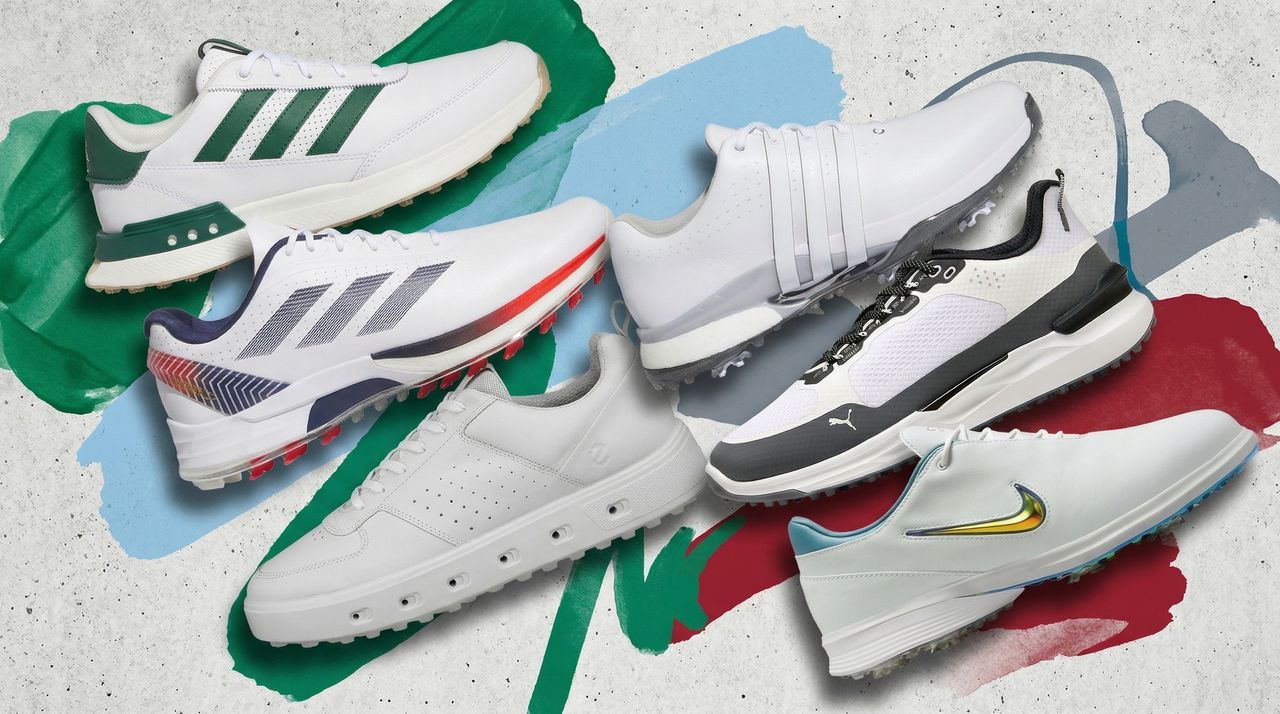
For most golfers, two pairs of golf shoes are enough. Use one pair for normal play and keep the second pair ready while the first pair dries, rests, or needs cleaning. This simple rotation can suit beginners, improving amateurs, seniors, and junior players who play on a regular basis.

A golfer who plays only a few times each year may need just one reliable pair. A golfer who plays several times each week, walks in wet conditions, or travels between different course types may find three pairs more useful. More shoes do not improve your swing by themselves, but dry, stable footwear can support good posture, balance, and footwork.
| Golfer or use pattern | A practical number of pairs |
|---|---|
| Casual golfer who plays a few times each year | 1 |
| Regular golfer who plays weekly | 2 |
| Frequent golfer who plays several times each week | 2–3 |
| Junior golfer who grows fast | 1, replaced as fit changes |
| Golfer in a wet climate | 2–3 |
| Tournament or travel golfer | 2–3 |
The main takeaway is that two pairs offer a useful balance for most people. One pair can work, but only if it dries fully and remains comfortable between rounds.
Why the number of pairs matters
The best reason to have more than one pair is recovery time. Golf shoes collect grass, mud, sand, and moisture. If they stay damp inside, the lining may remain uncomfortable, and the footbed may not recover before your next round. A rotation gives each pair time to air out.

Foot comfort also affects your golf swing. Your feet connect your body to the ground. If your feet slide, pinch, or ache, you may change your stance width, posture, or balance without noticing. That change can affect the path of the club, the quality of impact, and your follow-through.
A pair that feels fine for nine holes may feel very different after 18 holes. Walking golfers place more stress on the heel, arch, ankle, and forefoot. Cart users may need less walking support, but they still need stable footing for the swing and safe movement on slopes.
Golf shoes and swing stability
A stable golf stance does not mean locking your feet in place. You need enough grip to resist unwanted movement while still allowing the hips and body to turn. During the backswing, pressure often moves toward the trail foot. During the downswing, pressure shifts toward the lead foot.

If the sole slips during that shift, you may lose balance or change your swing tempo. Tempo means the smooth pace and rhythm of the swing. This issue can affect players of every handicap, from a new golfer learning grip and posture to a low-handicap player working on impact.
Golf shoes and walking comfort
Walking 18 holes can cover several miles, depending on the course layout and your route. An executive course may require less time and distance than a long championship course. A links course may include firm ground, wind, slopes, and uneven turf. A parkland course may have softer grass and more tree-lined paths.
For seniors and golfers with past ankle, knee, back, or foot problems, comfort matters even more. However, no golf shoe can correct a medical issue. If you have lasting pain, numbness, swelling, or sharp pain, stop and seek medical advice.
One pair, two pairs, or three pairs?
The right number depends less on gender or handicap and more on use. Men’s and women’s feet differ in shape on average, but the same basic rule applies: the shoe must fit well, support the foot, and match the course and weather. Left-handed and right-handed golfers also need the same number of pairs.

Your handicap index can guide your playing habits, but it does not decide how many pairs you need. A high-handicap golfer who walks four rounds each week may need more rotation than a low-handicap golfer who rides once each month. Skill level affects swing demands, while playing frequency affects shoe wear and drying time.
| Number of pairs | Best fit | Main limit |
|---|---|---|
| One pair | Casual play and dry climates | Little drying or rotation time |
| Two pairs | Weekly play and mixed conditions | Needs a simple care routine |
| Three pairs | Frequent play, wet weather, or travel | More pairs need storage and care |
One pair is enough when you play rarely, stay in dry weather, and allow the shoes to dry after every round. Two pairs are the safest general answer for a regular golfer. Three pairs make sense when wet conditions, heavy use, or travel create a short turnaround between rounds.
When one pair is enough
One pair can suit a beginner who plays once or twice a month. It can also suit a junior golfer who may outgrow footwear before heavy wear appears. Casual golfers should still check the fit before each round and inspect the sole for damage.

One pair may not suit a golfer who plays on back-to-back days. It may also be a poor fit for someone who often plays in rain, dew, or soft ground. Damp shoes need time to dry naturally. Heat from a radiator or strong artificial heat can damage materials and shape.
When two pairs are the sweet spot
Two pairs suit the largest group of golfers. You can use one pair while the other rests, dries, and receives a quick clean. This rotation is helpful for a weekly golfer who plays on both firm and soft courses.

Two pairs also create a simple backup. If a lace breaks, a sole separates, or a shoe becomes uncomfortable, you have another option for the round. This is useful for a junior, a golfer traveling to a tournament, or a player who does not want a small footwear issue to distract from course management.
When three pairs can help
Three pairs may suit a golfer who plays four or more rounds in a week. It can also help a golfer in a wet coastal climate, a region with heavy morning dew, or an area with frequent rain. One pair can be in use, one can dry, and one can remain ready.

Three pairs do not suit everyone. If the shoes are stored while damp, unused pairs can also develop odor or damage. More footwear only helps when each pair receives proper care.
Match your golf shoes to your course and weather
Course conditions should shape your rotation. A dry desert course, a wet parkland course, and a windy links course place different demands on the feet. The course superintendent manages turf health, drainage, mowing, and recovery, but golfers still need to respect soft ground and avoid unnecessary damage.

In wet weather, a stable sole helps you maintain balance, but it does not make every slope safe. Slow down near wet bridges, cart paths, banks, and bunker edges. In very soft areas, follow cart signs and local instructions. Do not drive where the committee or course staff has restricted carts.
| Condition | What your feet may face | Useful approach |
|---|---|---|
| Dry, firm fairway | Hard ground and more foot pressure | Focus on comfort and steady balance |
| Wet grass or morning dew | Less reliable footing and damp shoes | Allow a full dry period between rounds |
| Sandy bunker area | Loose sand and extra debris | Clean soles before walking onto greens |
| Hilly course | More strain on ankles and calves | Use a careful pace and stable stance |
| Links course | Wind, firm turf, and uneven lies | Keep balance and avoid rushed steps |
| Hot summer day | Heat, sweat, and swelling | Hydrate and check foot comfort often |
The key point is simple: wet and hilly conditions increase the value of a second pair. Firm, dry conditions may let one pair last longer, but comfort and fit still matter.
Rain, dew, and wet turf
Rain can enter around the tongue, seams, or collar of a shoe. Heavy dew can make shoes wet even when the sky is clear. If you walk early in the morning, your shoes may need as much care as they would after a light shower.

After a wet round, remove loose grass and mud. Open the shoes so air can move through them. Let them dry at room temperature. Do not leave them in a sealed bag or damp car trunk.
Heat and humidity
Heat can cause feet to swell during a round. A shoe that feels fine on the first tee may feel tight on the 16th hole. This issue can affect juniors, seniors, and golfers with wide feet or circulation concerns.

Wear suitable socks, drink water, and take short breaks when conditions are severe. Use sun protection and follow local heat guidance. If you feel dizzy, confused, weak, or unusually sick, stop playing and get help.
⚠️ Safety Warning: Leave the course at the first warning of lightning. Do not shelter under a tree. Follow the course’s storm plan and wait for an official all-clear before returning.
Walking, riding, and shoe rotation
Walking golfers usually need a stronger rotation than riders because they place more steps and more hours of wear on each pair. This does not mean a riding golfer can ignore fit. The swing still creates force through the feet, and uneven ground can challenge balance.

A push cart can reduce some carrying strain, but it does not remove the need for a warm-up routine. Before a round, move the ankles, calves, hips, and upper back. Begin with easy swings before hitting full shots at the driving range.
| Playing style | Main footwear demand | Rotation effect |
|---|---|---|
| Walking 18 holes | Repeated steps and long wear time | Two pairs often help |
| Riding most holes | Less walking but strong swing forces | One or two pairs may suit |
| Walking an executive course | Shorter route and fewer shots | One pair may be enough |
| Carrying a bag | Extra load on feet, hips, and back | Allow more recovery time |
| Tournament rounds | Long days and repeated play | A dry backup is useful |
Walking golfers should pay close attention to hot spots. A hot spot is an area that feels irritated before a blister forms. Do not ignore it. Adjust the fit, stop to inspect the foot, and avoid playing through serious pain.
Spiked and spikeless golf shoes
Spiked and spikeless shoes can both support a golf stance. The main difference is how the sole creates traction. Spiked models use replaceable or fixed cleats, while spikeless models use built-in patterns in the sole.
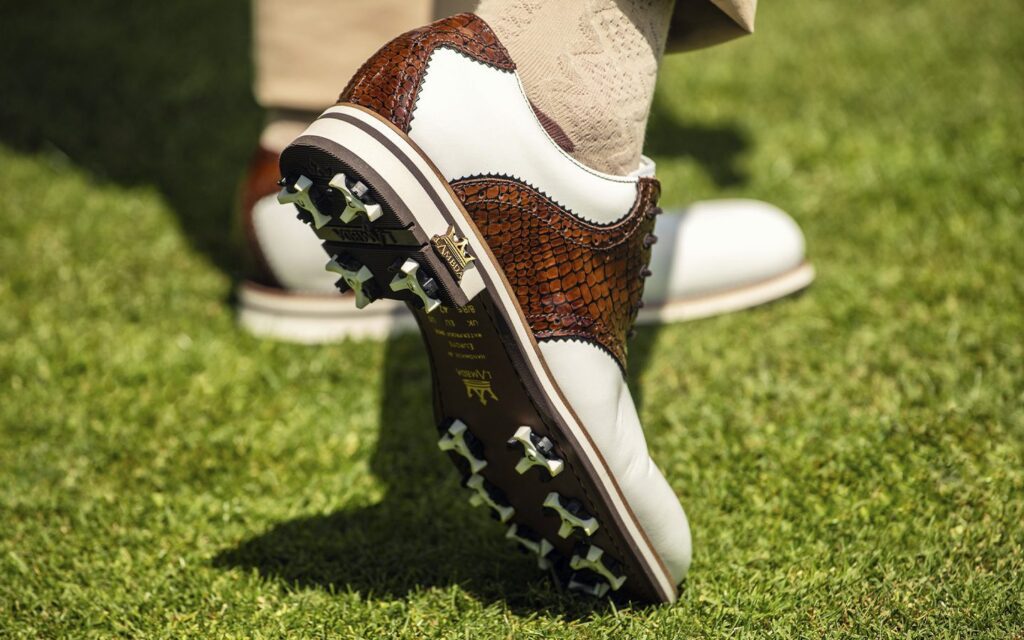
The choice depends on course rules, turf conditions, personal comfort, and walking habits. Some clubs restrict certain sole types in the clubhouse or on indoor surfaces. Check local rules and facility policies before a round.
| Sole style | Strength | Limitation |
|---|---|---|
| Spiked | Strong traction in many wet conditions | Cleats need inspection and care |
| Spikeless | Easy walking and flexible use | Traction may vary by sole pattern |
| Traditional hard sole | Firm feel on some surfaces | Can feel less comfortable for walking |
| Flexible walking sole | Good comfort for long routes | May feel less stable to some golfers |
Neither style is automatically best for every golfer. A beginner may prefer comfort and easy walking. An improving golfer may care more about traction during a powerful downswing. A senior golfer may value balance, cushioning, and reduced foot fatigue.
Do spiked shoes last longer?
Not always. A spiked shoe may keep useful traction when its cleats are maintained, but the upper, midsole, and heel can still wear. A spikeless sole may remain comfortable for a long time, but its traction pattern can become smooth.

Inspect the whole shoe, not just the bottom. Look for worn tread, loose seams, damaged heels, cracked areas, and changes in fit. Replace or retire footwear when it no longer supports safe play.
A simple golf shoe care routine
Good care can extend the useful life of each pair. It can also make one pair perform more like two by keeping the shoes dry, clean, and ready. Care does not need to take long.
Use this routine after each round:
- Remove grass, mud, sand, and loose debris.
- Check the sole for stones or blocked traction areas.
- Open the tongue and loosen the laces.
- Let the shoes air dry at room temperature.
- Store them in a dry, ventilated place.
- Inspect the heel, seams, and sole before the next round.
Do not put wet shoes beside a heater or use intense heat to dry them. High heat can warp the shape and weaken adhesives. If the shoes become soaked, allow a longer drying period before the next round.
🌿 Course Care Note: Clean mud from your shoes before stepping onto a putting green when possible. Repair ball marks, replace divots, rake bunkers, and keep broken tees and litter out of the turf.
Signs you need another pair
The clearest sign is not a number. It is a repeated problem. If your shoes are still wet, uncomfortable, or dirty when the next round begins, your rotation may be too small.
Watch for these signs:
- Your shoes remain damp after a full rest period.
- You play back-to-back rounds in wet conditions.
- You develop hot spots or blisters often.
- The sole loses grip on normal turf.
- You walk several rounds each week.
- You travel for events and cannot dry shoes well.
- Your feet feel tired before the back nine.
- One pair must be used in every type of weather.
| Sign | Possible cause | Helpful response |
|---|---|---|
| Damp interior | Short drying time or poor airflow | Rotate pairs and air them fully |
| Foot slipping | Worn sole or poor traction for conditions | Inspect the sole and change conditions |
| Heel pain | Fit, walking load, or injury | Stop if pain persists and seek medical advice |
| Blisters | Friction, moisture, or poor fit | Check fit and reduce moisture |
| Uneven wear | Walking pattern or shoe breakdown | Inspect both shoes and your feet |
A second pair may solve a drying problem, but it cannot solve persistent pain or a serious fit issue. A PGA professional can discuss stance and balance concerns, while a medical professional should assess ongoing foot, ankle, knee, or back pain.
Golf shoes for beginners, improving players, and experts
Golfers at different stages need different levels of planning. A new golfer often needs comfort, stability, and simple care. An improving amateur may notice how footwear affects practice and course management. A skilled player may need reliable performance across many rounds and conditions.
Beginners and new golfers
A beginner who plays once a month may start with one pair. Focus on a comfortable fit, steady footing, and the ability to walk without pain. Do not choose footwear based only on appearance.
New golfers often spend more energy on grip, stance, posture, ball position, and club choice than on foot pressure. That is normal. Shoes should support learning rather than become another source of distraction.
Improving amateurs
An improving golfer who practices at the driving range and plays weekly may benefit from two pairs. Range sessions can add wear, especially when the surface is hard or wet. A second pair can help separate practice use from course use without changing your basic swing.
Use the same stance width and balance checks in practice and on the course. Notice whether your lead foot stays stable through impact. If you change footwear often, avoid drawing quick conclusions about swing changes. Test one adjustment at a time.
Low-handicap and tournament golfers
A low-handicap golfer may play under pressure in stroke play, match play, Stableford, or a scramble. Stroke play counts the total score. Match play compares holes won. Stableford awards points by hole score, and a scramble uses a team format in which players select useful shots.
In all formats, footwear should reduce distractions. A tournament player may need two or three pairs because of repeated rounds, travel, rain, and limited drying time. This is a planning issue, not a status symbol.
Seniors
Senior golfers may benefit from extra attention to walking comfort, ankle stability, and swelling during long rounds. A second pair can help when recovery between rounds takes longer. However, more shoes do not replace strength work, mobility, medical care, or sound course management.
A gentle golf fitness plan can include calf raises, hip mobility, balance work, and light trunk strength. Warm up before swinging. If pain changes your gait or swing, stop and speak with a doctor or qualified health professional.
Women golfers
Women golfers may have different foot shapes, width needs, and fit preferences, but the number of pairs still depends on use. A woman who walks weekly in wet weather may need two pairs, while a golfer who plays rarely may need one.
Do not assume a smaller shoe size means less support is needed. Fit, comfort, traction, and walking conditions matter more than labels. The same advice applies to men’s golf shoes.
Junior golfers and families
Junior golfers often change size before they wear out a pair. One pair may be enough if the junior plays only during a season or lesson period. Families should check fit often because tight shoes can affect comfort, posture, and willingness to practice.
Junior golfers should use age- and size-appropriate equipment and avoid footwear that is too large or too stiff. Parents should also teach basic golf etiquette: keep pace, stay clear of another player’s swing area, repair ball marks, and leave the course clean.
👪 Parent or Beginner Note: A junior or new golfer does not need several pairs to learn the game. One comfortable pair, a safe warm-up, and good course habits matter more than having a large rotation.
How many pairs do you need for different playing schedules?
Your weekly schedule gives a useful answer. Count both full rounds and long practice sessions. A two-hour driving range visit can create more wear than a short nine-hole round on a dry course.
Use this guide as a starting point:
| Playing schedule | Suggested rotation | Reason |
|---|---|---|
| One round each month | 1 pair | Plenty of time between rounds |
| One round each week | 2 pairs | Allows drying and basic rotation |
| Two or three rounds each week | 2 pairs | Helps manage wear and weather |
| Four or more rounds each week | 2–3 pairs | Reduces short turnaround pressure |
| Multi-day event | 2–3 pairs | Provides dry options between rounds |
| Mostly range practice | 1–2 pairs | Depends on surface and session length |
This table is not a rule. A golfer in a dry climate may use fewer pairs than a golfer in a rainy climate with the same schedule. Personal comfort and sole condition should guide the final decision.
Do golf shoes affect your score?
Golf shoes do not create a better swing, and they do not guarantee a lower score. They can help you maintain balance and confidence, which may support a repeatable motion.
A stable base can matter during chipping, pitching, bunker shots, and putting. A chip shot is a short shot with a low flight. A pitch flies higher and usually travels farther than a chip. A bunker shot requires a strike through sand. Putting needs a calm stance and careful green reading.
If your feet hurt, you may rush a putt, shorten a follow-through, or avoid a stable stance on a slope. That mental distraction can affect course management. Still, poor shoe fit is only one possible problem. Grip, clubface control, alignment, tempo, and decision-making matter too.
Footwear and uneven lies
On a sidehill lie, your feet may be at different heights. Your balance changes, and the ball may curve in a new direction. Stable footwear can help you stand safely, but you still need to adjust club choice, stance, and swing length.
Do not force a full swing from an unstable lie. For beginners, a shorter swing and safer target may be wiser. For improving golfers, learn how slope changes contact and ball flight. If the ground is slippery, prioritize safety over distance.
Rules, etiquette, and local policies
The Rules of Golf do not generally require a set number of golf shoes. However, a committee, club, or facility may set policies about acceptable footwear, clubhouse areas, or course access. Always check the latest Rules of Golf and local committee instructions for updates.
Golf shoes must not damage the course or create an unfair advantage under local conditions. A player should also avoid actions that harm greens, bunkers, or carefully maintained turf. In a formal event, ask the tournament committee if you are unsure about footwear rules.
📜 Check the Rules: Rules and local policies can change. Check the current USGA or R&A Rules of Golf, event conditions, and club guidance before competition. Local rules and facility policies can be stricter than casual play customs.
Golf etiquette includes more than footwear:
- Keep pace with the group ahead.
- Shout “fore” when a shot may endanger someone.
- Stay still and quiet during another player’s swing.
- Stand outside a player’s line of sight.
- Repair ball marks on the green.
- Replace divots when the course asks golfers to do so.
- Rake bunkers after playing from them.
- Follow cart paths and signs.
- Dispose of litter, broken tees, and old balls properly.
Common mistakes when choosing the number of pairs
Many golfers focus on the calendar but ignore the conditions. A golfer may play only once a week, yet play every round in wet grass. Another may play four times a week but use a dry indoor facility and a short executive course.
Avoid these common mistakes:
| Mistake | Why it causes trouble | Better approach |
|---|---|---|
| Using wet shoes every round | Can cause discomfort and poor fit | Give them time to dry |
| Ignoring sole wear | Traction may decline slowly | Inspect the sole often |
| Choosing by looks alone | Appearance does not show comfort | Assess fit, balance, and walking feel |
| Wearing one pair in all conditions | Wet and dry turf create different demands | Rotate when conditions change |
| Ignoring pain | Small problems can become larger | Stop and seek proper advice |
| Storing shoes in a sealed space | Moisture and odor remain trapped | Use a dry, ventilated place |
The biggest error is assuming that more pairs always solve the issue. If a golfer has pain, poor balance, or a recurring blister, the cause may involve fit, socks, walking form, injury, or medical health.
The wrong size or shape
A shoe that is too short can press the toes during downhill walks. A shoe that is too loose can let the heel move during the downswing. Both problems can affect comfort and balance.
Check fit later in the day if your feet swell. Leave enough room for natural toe movement without allowing excessive sliding. Juniors should be measured regularly because their feet can change quickly.
Neglecting socks and foot care
Moisture and friction often work together. Clean, dry socks can reduce discomfort, but they cannot fix a badly fitting shoe. Keep toenails trimmed and check for blisters after play.
Golfers with diabetes, circulation problems, or reduced sensation should take foot checks seriously. Ask a medical professional for personal guidance.
A simple decision guide
You can decide how many pairs you need with five questions. This guide suits beginners and experienced golfers alike.
- How often do you play or practice?
- Do you walk most of the course?
- Is your climate wet, humid, or very hot?
- Do your shoes dry fully before the next round?
- Do you have pain, blisters, or worn traction?
If you play rarely, stay dry, and have no comfort problems, one pair may be enough. If you play weekly, two pairs are a sound general plan. If you play many rounds, face wet weather, or travel for events, three pairs may offer better rotation.
Do not count shoes that no longer fit or provide safe traction. A pair with a damaged sole is not a useful backup. A junior pair that has become too small should not remain in the rotation.
Frequently asked questions
Q: Is one pair of golf shoes enough?
A: One pair can be enough for a casual golfer who plays in dry conditions and has plenty of time between rounds. Let the shoes dry fully, clean them after play, and inspect the sole and fit. One pair may not suit a frequent walking golfer or someone who often plays in rain.
Q: Is two pairs of golf shoes too many for a beginner?
A: No. Two pairs can make care easier, especially if you play weekly or in wet weather. A beginner does not need two pairs to learn the golf swing, but a rotation can support comfort and provide a dry backup.
Q: How many golf shoes do I need if I play every day?
A: Two or three pairs may suit daily play, depending on weather, walking distance, and drying time. Rotate them and inspect each pair. If all pairs become damp or worn, the issue is use and recovery time rather than the exact number.
Q: Should walking golfers have more golf shoes?
A: Often, yes. Walking creates more steps and more wear than riding. A second pair can give the first pair time to dry and recover. Walking golfers should still focus on fit, foot health, hydration, and safe pacing.
Q: Do seniors need more pairs of golf shoes?
A: Not because of age alone. Seniors who walk often, play in wet conditions, or need more recovery time may benefit from two pairs. Comfort, balance, and medical needs matter more than age.
Q: Do women golfers need a different number of pairs?
A: No. The number depends on playing frequency, weather, walking, fit, and wear. Women golfers should use the same decision guide as men while paying close attention to foot shape and comfort.
Q: How many pairs should a junior golfer have?
A: Usually one pair is enough if the junior plays occasionally and the fit remains correct. Parents should check size often. A second pair may help a junior who plays frequent tournaments or has wet-weather practices.
Q: Can golf shoes be used on the driving range?
A: Yes, if the facility allows them and the sole suits the range surface. Range mats can be firm, and natural grass can become muddy. Clean the shoes after practice and monitor sole wear.
Q: How long does it take golf shoes to dry?
A: Drying time varies with material, humidity, airflow, and how wet the shoes became. They may dry overnight in a warm, ventilated room, but soaked shoes can need longer. Do not use intense heat.
Q: Can I wear regular athletic shoes for golf?
A: Some practice areas may allow them, but regular athletic shoes may not provide enough traction on wet grass or slopes. Check the course policy. For a full round, footwear designed for golf can support a more stable stance.
Q: Do golf shoes improve balance?
A: Suitable golf shoes can provide traction and a stable base, but they do not replace good posture, stance, leg strength, or swing control. Balance also depends on the lie, slope, weather, and movement pattern.
Q: Do the Rules of Golf require golf shoes?
A: The Rules of Golf generally do not set a required number of pairs. A club or competition committee may set footwear policies. Check the latest rulebook, conditions of competition, and local facility guidance.
Q: Should I use different shoes for wet and dry courses?
A: You can, but you do not always need to. Two pairs make it easier to rotate footwear by condition. The most important points are safe traction, comfort, proper fit, and full drying between rounds.
Q: When should I replace a pair?
A: Consider retiring a pair when the sole no longer gives reliable traction, the heel is badly worn, seams separate, the shape changes, or the shoe causes repeated pain or blisters. A shoe that looks acceptable may still be unsafe if its structure has weakened.
Q: Can golf shoes cause back or knee pain?
A: Poor fit, worn soles, uneven wear, or unsuitable traction may contribute to discomfort, but pain has many possible causes. Stop if pain is sharp, persistent, or changing your gait. Seek medical advice, and ask a PGA professional to review your stance and movement if needed.
Final thoughts
For most golfers, two pairs of golf shoes are enough. One pair can suit occasional play, while two pairs give regular golfers time to dry and rotate their footwear. Three pairs may help frequent walkers, tournament players, and golfers in wet climates.
Your handicap, gender, handedness, and swing speed do not decide the number by themselves. Playing frequency, walking distance, weather, course type, foot comfort, and sole condition matter more. Keep your shoes dry, follow local rules, protect the course, and treat pain as a warning rather than something to ignore.