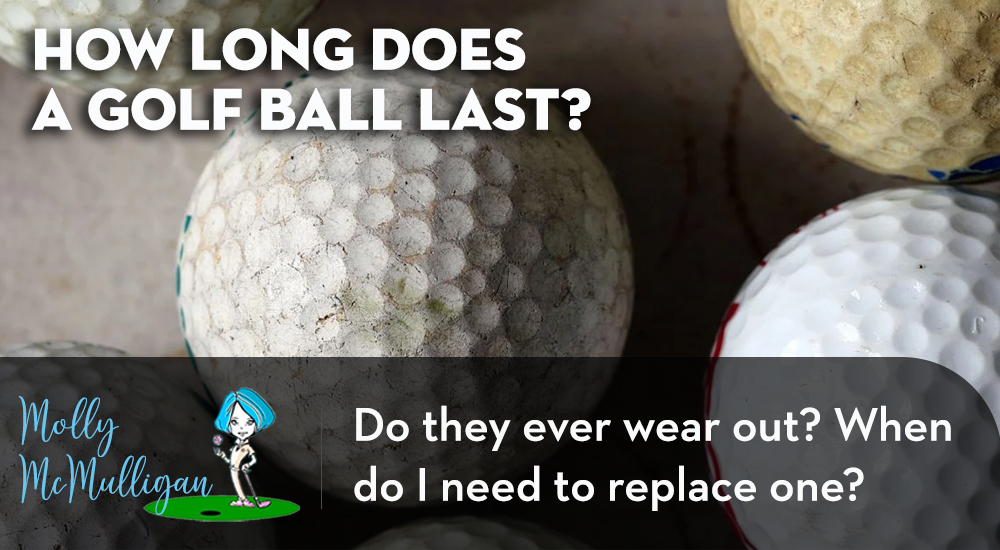
How Long Does A Golf Ball Last: Lifespan And Tips
Most golf balls remain playable for one to five years with normal use and care.
I’ve tested dozens of balls on the range and course, and I’ll walk you through exactly how long does a golf ball last. This guide blends hands-on experience, manufacturer design facts, and simple tests you can do at home. Read on to learn realistic lifespans, what shortens or extends a ball’s life, when to replace one, and tips to keep your ball performing its best.

What determines how long does a golf ball last
Golf ball life depends on design, use, and storage. Here are the main factors that shape how long does a golf ball last.
- Construction and cover material
- Urethane covers give better spin and feel but show wear faster.
- Surlyn covers are tougher and resist scuffs longer.
- Multi-layer balls balance distance and feel; more layers can hide small damage but add complexity.
- Frequency and type of use
- Hitting many shots off hard surfaces causes faster wear.
- Regular play exposes balls to dings from clubs and ground contact.
- Environmental exposure
- Sunlight and heat can gradually break down cover polymers.
- Saltwater or long immersion can damage internal materials.
- Storage conditions
- Cool, dry, dark storage preserves ball feel and compression.
- Hot attics or damp garages accelerate aging.
How long does a golf ball last in real life varies with these factors. For most golfers, the cover shows scuffs long before the core fails.

Typical lifespan estimates by player type
Here are realistic ranges for how long does a golf ball last, based on play style and care.
- Casual weekend golfer
- Expect 1 to 3 years of usable performance if balls aren’t lost or chewed up.
- Frequent player or range user
- Balls used dozens of times can show performance loss within months to a year.
- Competitive or scratch players
- Often replace balls every few rounds to keep peak performance.
- Lost-ball scenarios
- Balls retrieved from water hazards or dense rough may be playable but often have hidden damage.
These estimates assume balls are stored reasonably. If you take good care, many balls still feel fine after several seasons.
How wear affects performance: distance, spin, and feel
Understanding what changes helps answer how long does a golf ball last in terms of playability.
- Distance
- Core compression and integrity determine distance.
- Small cover scuffs rarely change distance much. Large cuts or water damage can reduce distance.
- Spin
- Cover texture and grooves affect spin. Worn covers often reduce short-game spin.
- Feel
- Urethane balls lose a crisp feel as covers wear. Surlyn feels firmer longer.
A ball can look fine but play differently. If you notice less spin or shorter drives, it might be time to replace.

Signs a golf ball is worn out or underperforming
Look for these simple signs to decide how long does a golf ball last for you.
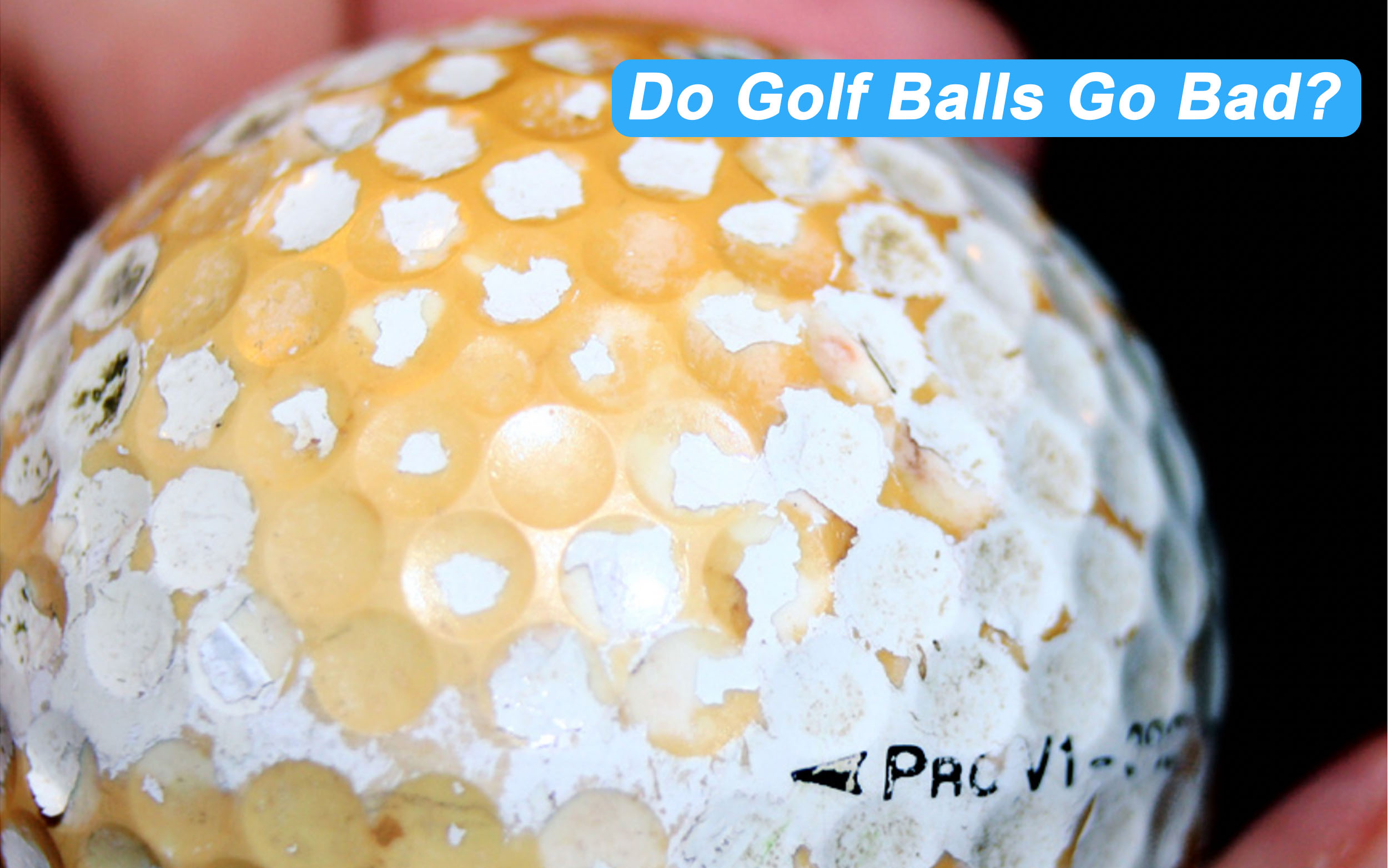
- Deep cuts or chunks missing from the cover.
- Persistent scuffs that collect dirt and won’t clean off.
- Noticeably less distance on full shots.
- Reduced greenside spin and worse stopping ability.
- Waterlogged feel or heavy weight after immersion.
If several signs appear, retire the ball from serious play. Use it for practice instead.
How to test whether a ball still performs
Quick tests help you judge lifespan and answer how long does a golf ball last for your needs.
- Visual inspection
- Clean the ball. Look for cracks, deep cuts, and discoloration.
- Tee test
- Hit a short tee shot and compare distance to a new ball.
- Short game check
- Chip and pitch with the ball. Check spin and feel on the green.
- Compression comparison
- Squeeze test by hand for soft vs hard feel. This is rough but useful.
If a ball fails two or more checks, it’s likely past peak performance.
How to extend how long does a golf ball last
Simple habits add months or years to a ball’s useful life.
- Clean after each round
- Use warm water and mild soap to remove grit that wears the cover.
- Store in cool, dry places
- Avoid hot car trunks or damp spaces.
- Rotate balls in play
- Use older balls for practice. Save newer ones for scoring rounds.
- Avoid hitting off hard pavement
- Use mats for practice if possible.
- Mark and track your balls
- Reduces accidental loss and repeated abuse.
These small steps are low effort and keep performance steady.
Buying, recycling, and ethical considerations
Buying choices and disposal affect both cost and environment and tie into how long does a golf ball last.
- Buy quality for fewer replacements
- Higher-end balls may cost more but maintain performance longer.
- Reuse and recycle
- Many lost-ball vendors clean and resell balls that are still playable.
- Recycling programs can grind and repurpose old balls for playground surfacing.
- Match ball to your game
- Don’t overspend on premium balls if you tend to lose many. Lower-cost durable balls may last longer in practical use.
Choosing wisely saves money and reduces waste.

Personal experience: what I learned testing balls
I once used the same brand and model for a full season. I tracked distance, spin, and feel every two weeks. Key takeaways:
- Distance dropped by a few yards after heavy use, mostly from cover wear.
- Urethane balls lost short-game bite earlier than expected.
- Plenty of “used” balls still performed well for practice after losing match-play viability.
My rule now: rotate and replace before score rounds when I feel performance dip. This balance saved money and improved my scores.
Practical replacement timeline and tips
A simple plan helps decide when to retire a ball and answers how long does a golf ball last practically.
- Replace immediately if core damage or large chunks are present.
- Consider replacement after 6–12 months of heavy play.
- For casual play, replace when you notice consistent loss in distance or spin.
- Use older balls for windy days, practice, or high-risk holes.
Follow this to keep your game consistent without overspending.
Common questions (people also ask)
How quickly do golf balls lose distance?
Golf balls can lose a few yards after heavy use. Typically, distance drops become noticeable after months of frequent play or when covers are heavily scuffed.
Can water-damaged golf balls be used?
Short-term water exposure often leaves balls playable. Long immersion can let water penetrate and reduce performance, so test before using in scoring rounds.
Do golf balls expire in storage?
Properly stored balls can last years. Extreme heat or sunlight can accelerate degradation, so store balls in cool, dry, dark places.
Are cheaper golf balls less durable?
Many inexpensive balls use tougher covers like surlyn and resist scuffs. They may be more durable but offer less spin and feel than premium balls.
Does yellowing mean a ball is bad?
Yellowing is cosmetic and doesn’t always mean poor performance. Check for cuts, feel, and distance to decide replacement.
Frequently Asked Questions of how long does a golf ball last
How long does a golf ball last for a weekend golfer?
For a casual weekend golfer, a golf ball can remain playable for one to three years if it isn’t lost or severely damaged.
Can a golf ball last forever if stored properly?
No. Proper storage slows aging, but materials slowly degrade. Most balls remain usable for several years, not forever.
How long does a golf ball last if it goes in the water?
A ball that goes in the water may be fine short-term, but long submersion can let water affect internal materials and reduce performance over time.
How long does a golf ball last on the driving range?
On the range, repeated hits and mats speed up wear. Expect noticeable performance change within months of heavy range use.
Do golf balls lose compression over time?
Yes. Compression can change with age and repeated impact. That change can reduce distance and alter feel after extended use.
When should I stop using a ball for tournament play?
If a ball shows scuffs, reduced spin, or less distance compared to a new ball, stop using it in tournaments. Replace to ensure consistent performance.
Conclusion
How long does a golf ball last depends on build, play, and care. Most balls stay usable for one to five years, but heavy play and poor storage shorten that window. Check balls visually, test distance and spin, and rotate older balls for practice. Take small steps—cleaning, cool storage, and mindful use—to stretch performance and save money. Try one or two of these tips on your next round and you’ll likely notice steadier results. Share your experience, subscribe for more gear tips, or leave a comment about your ball-testing stories.