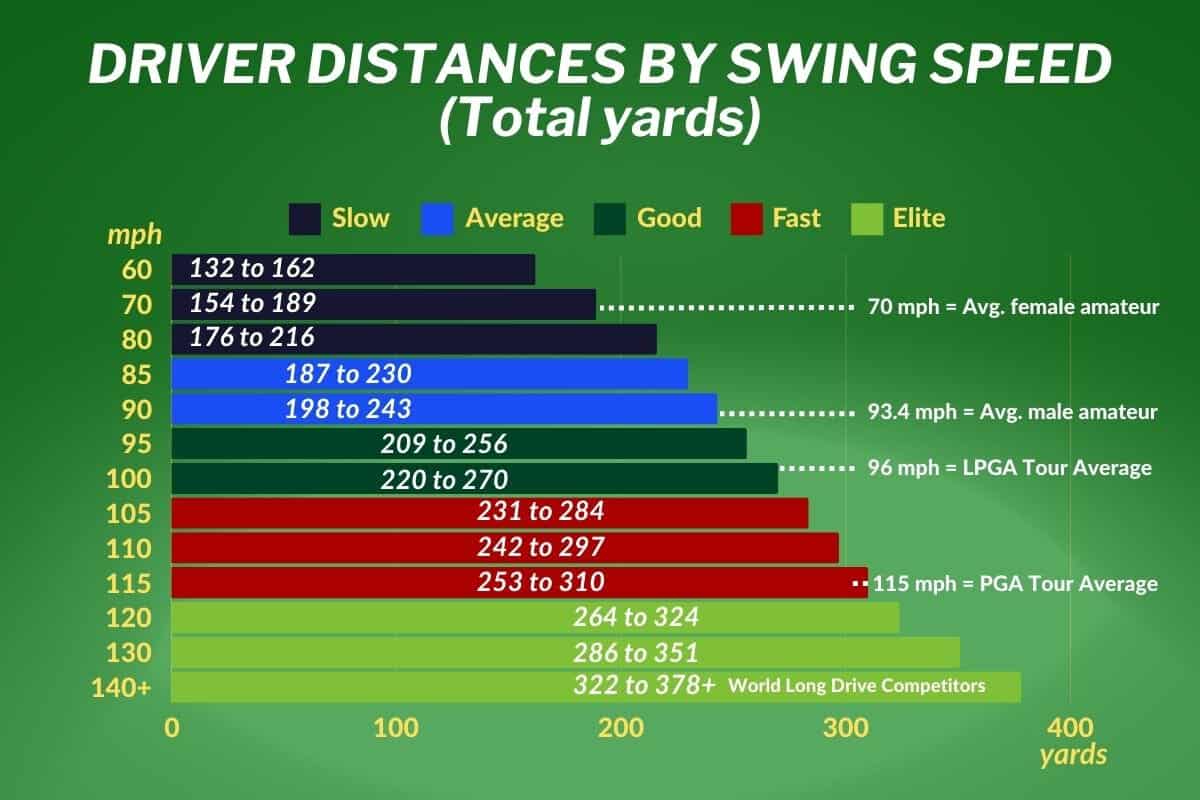
Higher swing speed generally produces greater ball speed and more total distance.
I’ve spent years coaching golfers and testing swings on launch monitors, so I know how does swing speed affect distance from both data and real life. This article breaks down the science, shows real numbers, and gives clear steps you can use to measure and improve your swing. Read on to learn how does swing speed affect distance, what limits you, and practical drills and gear tips that work.

Why swing speed matters
Swing speed is the primary engine behind distance. Faster clubhead speed usually makes higher ball speed, which drives carry and total yards. Understanding how does swing speed affect distance helps you pick the right training and gear. If you want more yards, improving swing speed is often the most direct path.
The physics: how swing speed turns into distance
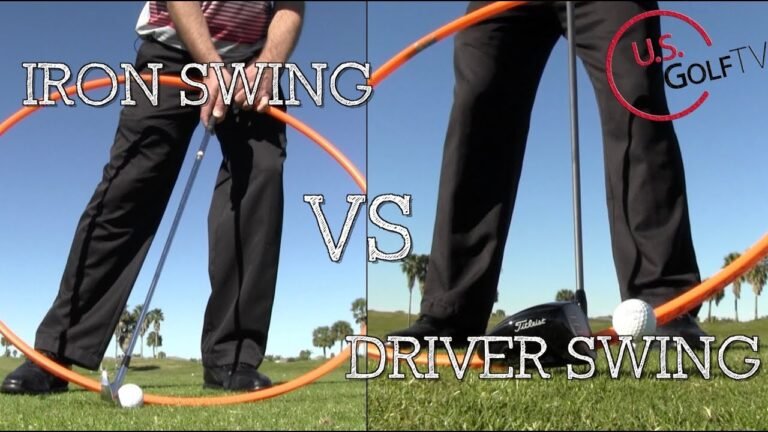
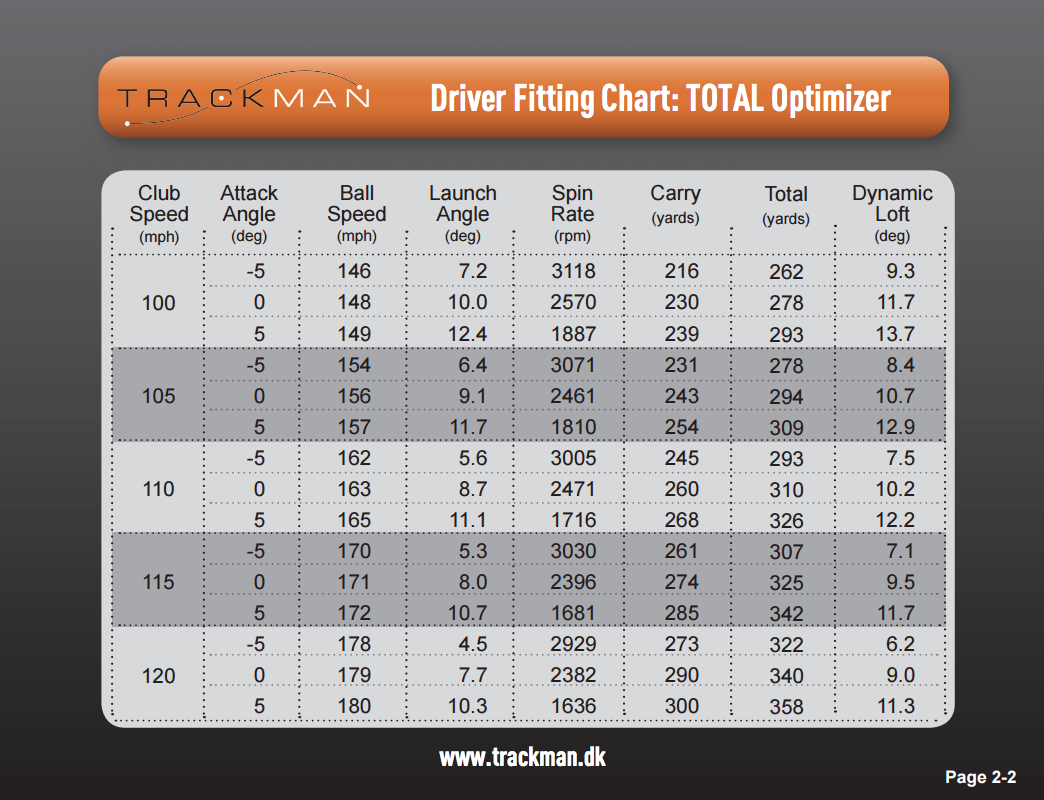
When the club hits the ball, clubhead speed transfers energy into ball speed. Ball speed times launch and spin determines carry and roll. Smash factor measures how efficiently speed turns into ball speed. That is why knowing how does swing speed affect distance means also tracking smash factor and launch conditions.

Numbers you can use: how much distance comes from swing speed
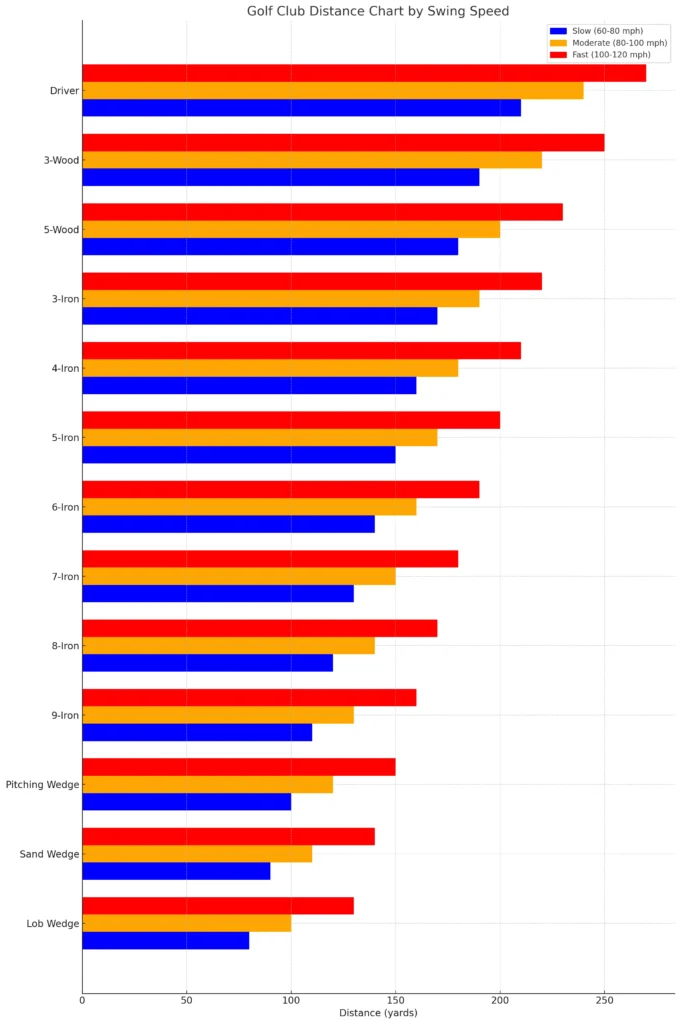
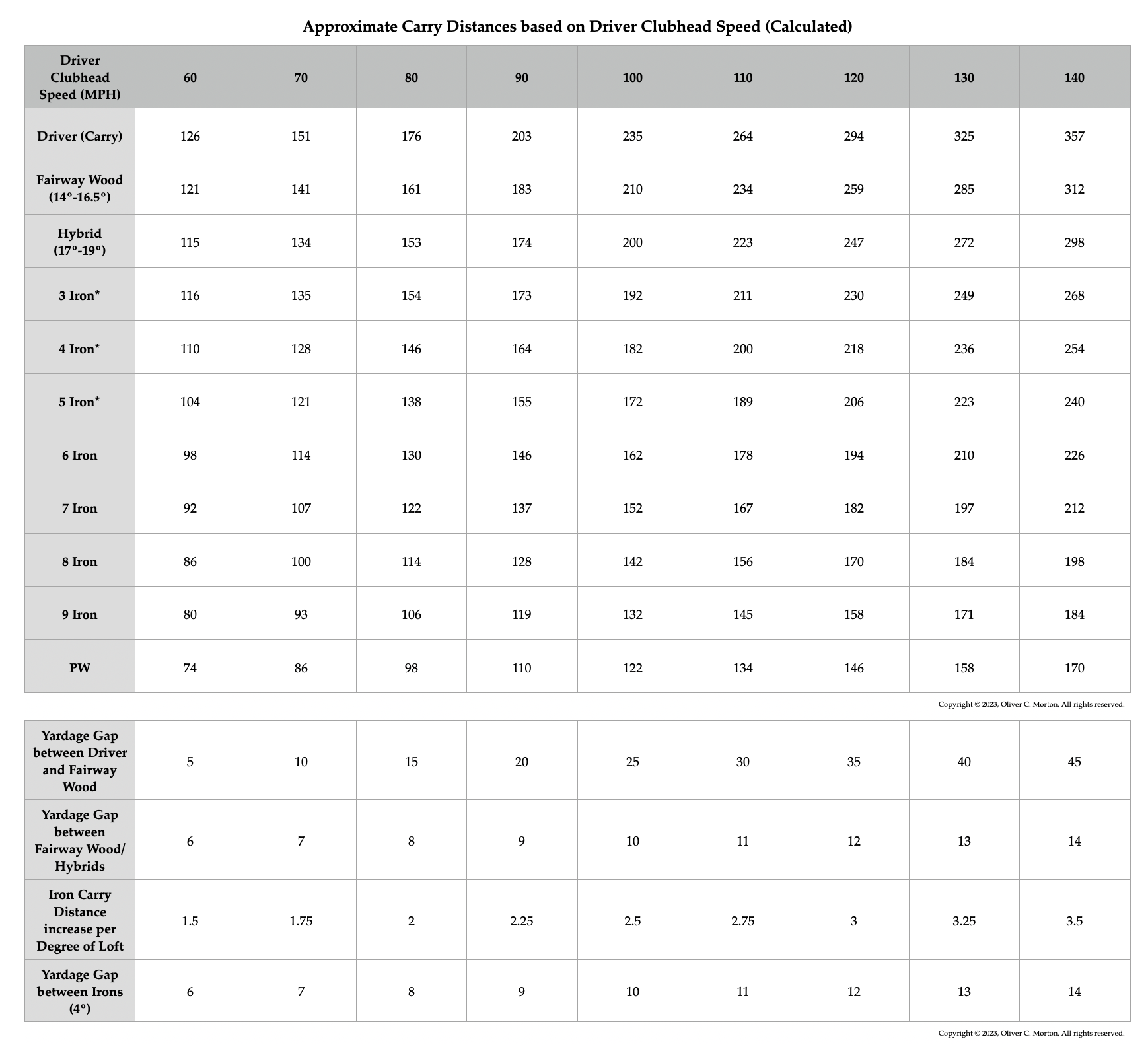
Simple rules of thumb make the idea practical. For drivers, many launch monitor tests show about 2 to 3 yards of carry per 1 mph of clubhead speed. For irons, the gain per mph is smaller, often 0.7 to 1.2 yards per 1 mph. Keep in mind these are averages. The exact change depends on smash factor, launch angle, and spin.
A quick math view:
- Clubhead speed to ball speed: ball speed = clubhead speed × smash factor.
- Ball speed to carry: carry in yards ≈ ball speed × 2.3 (driver rule of thumb).
So, if your driver smash factor is 1.48, each 1 mph of club speed adds about 3.4 yards in carry. This helps explain how does swing speed affect distance in practical terms.

Other factors that influence distance besides swing speed
Swing speed is big, but not the whole story. These items also change yards.
- Smash factor: A higher smash factor means more ball speed per mph of swing.
- Launch angle: Proper launch uses speed well and maximizes carry.
- Spin rate: Too much spin kills roll; too little cuts carry.
- Shaft and clubhead: Fit matters for translating your speed into distance.
- Contact quality: Off-center hits reduce ball speed and distance.
When you ask how does swing speed affect distance, remember these other parts control whether that speed turns into real yards.
How to measure swing speed and track progress
Use a launch monitor or radar device to measure swing speed and ball speed. Many clubs and range bays now offer this tech. Track these numbers:
- Clubhead speed: Your raw measure of power.
- Ball speed: Shows how well you convert speed.
- Smash factor: Ball speed divided by club speed.
- Carry and total yards: The end result you care about.
Record baseline numbers and retest every 3–6 weeks to see real gains. This straightforward tracking answers how does swing speed affect distance in your unique game.
Safe and effective ways to increase swing speed
Work on technique, strength, and timing. Here are proven steps that relate directly to how does swing speed affect distance.
- Improve sequencing: Learn to use the hips and torso to create speed instead of just the arms.
- Speed drills: Use overspeed training with lighter clubs or launch monitor drills to train fast feels.
- Strength and mobility: Hip and core work plus shoulder mobility lets you swing harder without injury.
- Impact practice: Hit the sweet spot more often to raise smash factor.
- Fit your clubs: Proper shaft flex and head type help convert speed into ball speed.
From my coaching: a player who added 6–8 weeks of targeted mobility and overspeed drills gained 6–8 mph of clubhead speed and picked up 15–25 yards. That shows how does swing speed affect distance in a real training plan.
Common mistakes and limits when chasing more speed
Trying to swing harder without control often hurts distance and accuracy. These common errors explain why focusing blindly on speed can backfire.
- Losing balance: Faster swings often move your center and reduce solid contact.
- Over-rotation: Throwing the arms early lowers smash factor.
- Ignoring fit: A shaft that is too stiff stops you from using your speed well.
- Neglecting recovery: Speed work needs rest to avoid injury.
Be honest: improving how does swing speed affect distance takes time, coaching, and measured training.

Equipment and launch settings: use speed wisely
Club choice and settings magnify or limit your speed gains. A few practical tips:
- Get a club fitting to match shaft flex and length to your speed.
- Adjust loft to improve launch angle as speed grows.
- Choose a head that gives a good balance of forgiveness and ball speed.
These steps help ensure that gains in how does swing speed affect distance actually show up on the course.
Practical practice plan to add swing speed over 8 weeks
Follow a simple plan that combines drills, gym moves, and on-course work. This plan ties directly to how does swing speed affect distance.
Week 1–2
- Test with a launch monitor and set baselines.
- Start mobility routine for hips and thoracic spine.
Week 3–5 - Add overspeed swings and some weighted club swings, 2–3 times per week.
- Keep impact practice focusing on center hits.
Week 6–8 - Add power gym moves like hip hinge medicine ball throws.
- Re-test on launch monitor and adjust clubs if needed.
Track numbers and adjust. Small, steady gains in swing speed usually give steady yardage increases.
Frequently Asked Questions of how does swing speed affect distance
What is swing speed and why does it matter?
Swing speed is the speed of the clubhead at impact. It matters because faster speed usually leads to higher ball speed and more carry and total distance.
How much distance does 1 mph of swing speed add?
For drivers, 1 mph of clubhead speed typically adds about 2 to 3 yards of carry. The exact gain depends on smash factor, launch angle, and spin.
Can technique improve distance as much as raw speed?
Yes. Better sequencing, balance, and contact can raise smash factor and often produce more yards than just trying to swing faster.
Is more swing speed always better for accuracy?
Not always. Increasing speed without control often reduces accuracy and solid contact. Work on balance and technique alongside speed.
How long does it take to increase swing speed safely?
With a focused plan, many golfers see measurable gains in 6 to 12 weeks. Progress depends on starting fitness, consistency, and coaching.
Conclusion
Swing speed plays a central role in hitting the ball farther, but it is only part of the story. You get the most distance when speed is paired with good launch, low unnecessary spin, and solid center contact. Start by measuring your numbers, work on technique and safe speed training, and get properly fit gear to turn speed into real yards. Take one small step today—test your swing speed or try one new overspeed drill—and track the change. Leave a comment with your swing speed or subscribe to follow progress tips and drills.