How Are Golf Shoes Different From Sneakers: Key Differences
Golf shoes and sneakers may look similar, but they serve different jobs. Sneakers are made for general walking, training, and daily use. Golf shoes are built for the special demands of a golf swing, long walks, changing ground, and careful movement around the course.
The main difference is traction. A golf shoe helps your feet stay stable as your body turns from the backswing to the downswing and through impact. A sneaker may feel soft and light, but its flat sole can slide on wet grass, loose soil, or a sloped tee box.
That does not mean every golfer needs the same type of golf shoe. A beginner on a dry executive course has different needs from a low-handicap player who walks a hilly links course. Seniors, juniors, women, right- and left-handed players, and golfers who ride in a cart may also value different levels of grip, comfort, and support.

Quick answer: How are golf shoes different from sneakers?
Golf shoes are designed for grip, balance, and stability during the golf swing. Sneakers are designed for general movement on firm surfaces. Golf shoes often have molded traction, water resistance, a wider support base, and soles that help protect the turf. Sneakers can work for a casual range visit or dry practice area, but they may slide on grass and may not be accepted on every course.
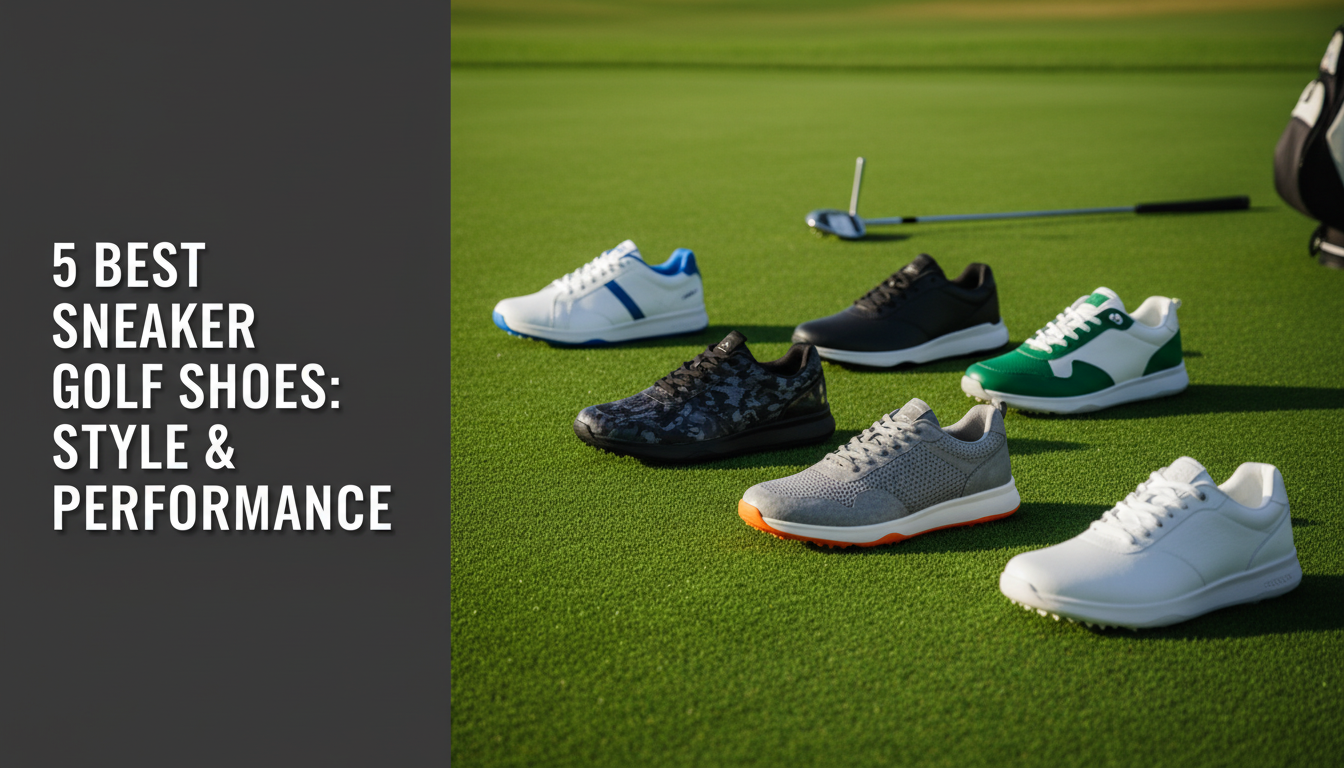
Golf shoes and sneakers at a glance
The best way to understand the difference is to look at what each shoe must do. A golf shoe supports a twisting motion on grass. A sneaker usually supports forward motion on pavement, a gym floor, or another firm surface.
Golf shoes also need to balance two goals. They must grip the ground during the swing, yet they must not damage the green or tear the fairway. Sneakers may have strong tread, but that tread is not always suited to turf.
What each shoe is built to do
The table below shows the main design goals of each type of footwear.
| Feature | Golf shoes | Sneakers |
|---|---|---|
| Main purpose | Swing stability and course walking | General walking, training, and daily use |
| Sole design | Turf-focused grip and controlled flex | Surface-focused tread for roads or floors |
| Ground support | Helps resist sliding and twisting | Varies by activity and model |
| Water protection | Often designed for damp grass | Often limited unless made for wet use |
| Course use | Made for fairways, rough, and tees | May be allowed but may lack grip |
Golf shoes suit golfers who play often, walk the course, or play in wet or hilly conditions. Sneakers suit casual golfers who practice on dry ground and do not need strong turf traction.

Spiked and spikeless golf shoes
Modern golf shoes come in two broad groups: spiked and spikeless. Spiked shoes use replaceable or molded cleats that grip the ground. Spikeless shoes use small rubber nubs or patterns across the sole.
Spiked shoes may provide more bite on wet slopes. Spikeless shoes often feel more natural when walking from the parking area to the clubhouse or around an executive course. The right choice depends on weather, course shape, walking habits, and personal comfort.
Both types must follow course rules. Most courses allow soft golf spikes and spikeless golf shoes, but a club or event may set its own policy. Check before a tournament or a visit to an unfamiliar course.

The key differences between golf shoes and sneakers
Golf shoes differ from sneakers in traction, stability, sole shape, water control, comfort over distance, and course care. These differences can affect balance, swing contact, and confidence, especially on uneven ground.
1. Traction during the golf swing
A golf swing creates forces in several directions. Your feet push into the ground, your hips rotate, and your weight shifts from one side to the other. During the downswing, the lead foot must help you brace and turn through the ball.
A sneaker may let the foot move inside the shoe or slide across the turf. That movement can change posture and impact position. A golf shoe helps keep the foot connected to the ground so the golfer can repeat the motion more easily.
This does not mean shoes fix a slice, hook, shank, or poor contact. A slice often comes from an open clubface or an outside-to-in swing path, not from footwear. Still, poor traction can make a swing fault harder to control.
2. Stability and balance
Golf is played on uneven surfaces. A tee box may have a slight slope. A fairway can have a sidehill lie. The rough may hide soft soil, roots, or wet grass. Golf shoes often use a broader sole and firmer support to help the golfer stay balanced.
Sneakers may be comfortable on level paths but less stable on a sloped lie. Their soft foam can compress under the foot. That may feel pleasant while walking, yet it may reduce the firm base needed at address and impact.
For beginners, stable footing can make it easier to learn posture, stance width, and weight shift. For advanced golfers, it can support a more controlled tempo and a consistent finish.
3. Sole shape and turf interaction
The sole of a golf shoe is made to move across grass without digging too deeply into it. Its tread spreads pressure across the ground. This helps protect the fairway and green when golfers walk, turn, and set up for a shot.
Running shoes and other sneakers may have tread made for pavement, trails, or indoor floors. Some have deep grooves that can catch grass or soil. Others are nearly flat and can slide. Neither design is always right for a golf course.
Course superintendents work hard to protect turf. A shoe that tears grass can leave marks that affect the next player. Good golf etiquette includes wearing suitable footwear and avoiding needless damage.
4. Waterproofing and wet-weather use
Morning dew, rain, irrigation, and wet rough can soak a shoe. Golf shoes often include water-resistant materials or sealed areas. Some are designed to keep moisture out while still allowing the foot to breathe.
Many sneakers absorb water through mesh panels and open seams. Wet feet can cause blisters, discomfort, and a loss of focus. Damp socks can also make a long round feel much harder.
Water resistance is not the same as full waterproofing. Heavy rain can defeat any shoe if water enters from the ankle or runs down a rain pant. In wet weather, also consider the course surface, cart paths, lightning risk, and the need to stop play.
5. Walking comfort over 18 holes
A full round can mean several miles of walking. The exact distance depends on the course, tee box, route, and how often you walk away from the cart path. A golf shoe must support the feet while also allowing a natural stride.
Sneakers may feel comfortable at first. However, comfort during a round depends on more than softness. Heel hold, arch support, toe room, heat, moisture, and foot fatigue all matter.
Golfers with flat feet, high arches, past ankle injuries, or sensitive knees may need advice from a medical professional or qualified footwear specialist. Persistent pain is not a normal part of golf fitness. See a doctor if pain continues or worsens.
6. Rules, etiquette, and course policy
The Rules of Golf focus on playing the ball and the course. They do not usually require one universal shoe type for every round. However, clubs, leagues, and tournament committees can set dress and footwear policies.
A golf course may restrict traditional metal spikes because they can damage greens and clubhouse floors. A local rule or club policy may also limit certain shoes for safety or turf care. Always check the latest Rules of Golf and local requirements.
| Situation | Golf shoes | Sneakers |
|---|---|---|
| Dry driving range | Helpful but not always needed | Often suitable |
| Wet fairway | Usually better suited | May slip or absorb water |
| Hilly course | Better support and grip | Depends on sole and fit |
| Putting green | Usually accepted if course allows them | Usually accepted if clean |
| Formal club event | Often expected | May not meet local policy |
The main takeaway is simple: sneakers can be fine for low-risk practice, while golf shoes offer more control in real playing conditions. Course policy always comes first.

How golf shoes affect the golf swing
Golf shoes do not create a good swing by themselves. They provide a stable platform for the grip, stance, posture, backswing, downswing, impact, and follow-through.
Grip and stance
Your grip connects your hands to the club. Your stance connects your body to the ground. If your shoes slide, the chain between the two can become less stable.
A balanced stance starts with feet about shoulder-width apart for a mid-iron, with a slightly wider stance for a driver. The exact width depends on body size, club length, mobility, and skill. Golf shoes can help the feet stay quiet while the upper body rotates.
A junior golfer may need a narrower stance and shorter clubs. A senior golfer with limited hip or ankle mobility may need a comfortable stance that does not force a deep knee bend. Women and men do not need completely different shoe principles; fit, foot shape, strength, and course conditions matter more than gender.
Weight shift and pressure
Pressure is not the same as body weight. Pressure describes how the feet push into the ground. During the backswing, pressure often moves toward the trail foot. During the downswing, it shifts toward the lead foot.
Good traction can help the player sense this movement. It does not mean the player should spin the trail foot wildly or lock the lead foot. The motion should remain balanced and match the golfer’s flexibility and swing style.
New golfers often try to hit harder by pushing harder into the ground. That can cause a loss of balance. A smooth tempo, solid posture, and centered contact usually matter more than maximum force.
Impact and the follow-through
At impact, the clubface meets the ball in a fraction of a second. The body is already turning toward the target. The lead foot needs to support the rotation without slipping.
A shoe with a stable heel and secure upper can help the golfer feel connected. A loose shoe can allow the foot to move inside it. That may change knee motion, hip turn, or the finish position.
Golfers should not use footwear to hide pain or force a swing change. If the ankle, knee, hip, back, elbow, or wrist hurts, stop and seek proper medical guidance.

Does footwear change ball flight?
Footwear can influence balance, but it does not directly control loft, launch angle, or spin rate. Loft is the angle of the clubface that helps send the ball upward. Launch angle is the ball’s starting angle. Spin rate is how fast the ball rotates.
A player who slips may strike the ball low, thin, heavy, or off-center. That change can look like a ball-flight problem. Yet the root issue may be unstable footing rather than a club or swing path issue.
For an improving amateur, use the driving range to compare stable and unstable conditions safely. Make small swings first. Do not test footwear by taking full-speed swings near other people.
Which golfers benefit most from golf shoes?
Golf shoes can help any golfer who plays on grass, but their value changes by skill level, handicap index, fitness, and course type. A handicap index measures a golfer’s demonstrated ability and helps compare scores across courses with different difficulty.
Beginners and new golfers
New golfers often ask whether they need golf shoes before they know if they enjoy the game. For a first lesson or short range session, clean sneakers may be enough if the surface is dry and the instructor allows them.
Once a beginner plays on a real course, traction becomes more useful. A new player is already learning ball position, club selection, pace of play, and golf etiquette. Slipping on a tee box adds an avoidable problem.
Golf shoes may also help a beginner understand the feel of a stable stance. They do not make the game easy. Golf has many moving parts, and learning basic contact can take weeks or months of regular practice.
Improving amateurs
Golfers who play each week often notice the difference between a flat sneaker and a turf-focused sole. This is especially true on wet mornings, hilly courses, or firm greenside areas.
An improving player working on clubface control, swing path, or pressure shift needs repeatable ground contact. Stable shoes can support practice, but technical feedback still comes from the ball flight, strike, and professional instruction.
Players with a handicap index in the high teens or above may gain more from reliable balance and comfort than from a small change in traction. Lower-handicap players may notice traction during fast swings, uneven lies, and competitive rounds.
Seniors and golfers with limited mobility
Senior golfers may value cushioning, heel security, light weight, and ease of walking. Strong traction can help on wet slopes, but an overly stiff shoe may limit natural foot movement.
A golfer with arthritis, reduced ankle motion, or a past joint injury should not assume that more grip is always better. The shoe must allow safe movement and fit the person’s walking pattern. A doctor or physical therapist can help with pain and mobility concerns.
A walking golfer may need a different balance of support than a rider. A player who rides most holes may still need grip for the swing, but may place less value on long-distance walking comfort.
Juniors and families
Junior golfers grow fast, so fit and comfort matter. A shoe that is too large can allow the heel to lift and the foot to slide. A shoe that is too small can affect balance and cause pain.
Parents should check that the junior can walk, squat, and swing without discomfort. Junior-sized clubs, a safe warm-up routine, sun protection, water, and clear swing-area rules matter as much as footwear.
Children should never swing while another person is within the club’s reach. On the course, teach them to repair ball marks, rake bunkers, keep pace, and leave litter and broken tees in the proper place.
| Golfer or setting | Main footwear need | Why it matters |
|---|---|---|
| Beginner on a dry range | Basic comfort and clean soles | Low risk while learning |
| Weekly walking golfer | Support, grip, and moisture control | Reduces foot fatigue during long rounds |
| Senior with joint limits | Comfort and stable movement | Helps avoid forced or painful motion |
| Junior golfer | Secure fit and light weight | Supports balance and safe movement |
| Competitive amateur | Repeatable traction | Helps on fast swings and uneven lies |
No single shoe works best for every golfer. Course conditions and personal health should guide the choice.

When sneakers can work for golf
Sneakers can be suitable in limited settings. They are often reasonable for a dry driving range, an indoor golf space, a putting mat, or a short casual session where the facility allows them.
A sneaker is less suitable when the ground is wet, the course is steep, or the golfer plans to make full swings at high speed. It may also fail to meet a club’s dress or footwear policy.
Good uses for sneakers
- Indoor putting practice
- A dry practice mat
- A short range session
- A casual visit to an executive course, if allowed
- Walking on a firm cart path between holes
- A golf fitness session that does not include swings on grass
Sneakers should be clean and free from mud or stones. Dirt can damage practice mats, clubhouse floors, and putting surfaces. A shoe that works indoors may not offer enough grip outdoors.
Times to avoid sneakers
- Wet morning rounds
- Hilly or sloped courses
- Soft ground after heavy rain
- Full-speed driver practice on grass
- Long walking rounds
- Competitive play with a strict dress code
A road-running sneaker is not automatically a poor golf shoe, but its design goal is different. A trail sneaker may grip well, yet its tread could damage turf or feel awkward during rotation. Check the surface and facility rules before using it.
Golf shoes by course and weather
Course design and weather change how much traction a golfer needs. A flat municipal course on a dry day is not the same as a wet links course with strong wind and firm ground.
Course types
A links course often has exposed terrain, firm turf, wind, and natural slopes. A parkland course may have softer fairways, trees, and shaded wet areas. An executive course is shorter, but it can still have slopes and damp grass.
A public course may have different maintenance standards from a private course. That does not make one better for every player. It simply changes the surfaces underfoot.
A golfer should also consider the tee box, fairway, rough, bunkers, and areas around the green. The same shoe may feel secure on one hole and less comfortable on another.
Weather and ground conditions
| Condition | Footwear concern | Useful adjustment |
|---|---|---|
| Morning dew | Slippery grass and wet socks | Use secure grip and moisture control |
| Light rain | Reduced traction | Shorten swings if balance feels poor |
| Heavy rain | Saturated turf and poor footing | Pause or stop if safe play is not possible |
| Hot, dry weather | Heat and foot swelling | Hydrate and allow room for foot comfort |
| Cold weather | Stiff feet and reduced mobility | Warm up longer before full swings |
| Strong wind | More balance demand | Use a stable stance and smooth tempo |
Weather changes more than shoe choice. In heat, drink water, use sun protection, and watch for signs of heat illness. In lightning, leave the course at the first warning and follow the facility’s safety plan.

Why wet traction can change strategy
Wet turf can make a golfer more cautious. A sidehill lie may demand a wider stance, a shorter backswing, and a lower finish. The goal is not to hit harder. The goal is to keep balance and make a controlled strike.
In wet conditions, course management matters. Course management means choosing a target and shot that fit the lie, weather, and risk. A player may aim for the center of the green instead of attacking a tucked pin.
This applies to beginners and advanced players. A good plan can matter more than extra club speed.
Common mistakes golfers make with footwear
Most shoe problems come from treating a golf course like a flat gym floor. The ground moves, the swing rotates, and the round lasts much longer than a short walk.
Mistake 1: Choosing softness over support
A very soft sneaker may feel comfortable in a shop or at home. During a swing, however, the foot may sink or move. That can make the base feel unstable.
Comfort still matters. The point is to find a balance between cushioning and control. A stiff, painful shoe is not a good choice just because it grips well.
Mistake 2: Ignoring the fit
A loose heel can cause rubbing and movement. A tight toe box can create numbness and blisters. Both problems can distract a player and change the walking stride.
Walk in the shoes before a long round. Check toe room, heel hold, arch comfort, and how the foot feels when turning. This advice suits every golfer, but it is especially important for seniors and players with past foot injuries.
Mistake 3: Wearing wet or dirty footwear
Wet shoes can create blisters and odor. Mud can harden on the sole and change traction. Dirt can also spread onto greens and paths.
Clean the sole after a round. Let the shoe dry as directed by its care instructions. Do not place wet footwear near extreme heat, which can damage materials.
Mistake 4: Assuming spikes solve every problem
Spikes cannot correct poor posture, a rushed downswing, or an unsafe lie. They can also feel too aggressive on hard ground for some golfers.
A player who has ankle or knee limits may not tolerate strong traction. More grip is not always safer if the body cannot rotate freely. Stop if pain appears.
Mistake 5: Forgetting course etiquette
Golf footwear should not be used to excuse careless behavior. Do not drag your feet across the putting green. Avoid stepping close to another player’s ball or line. Repair ball marks and replace divots when the course asks you to do so.
🌿 Course Care Note: Walk with normal steps, avoid needless twists on delicate turf, and rake bunkers after use. Small habits protect the course for the next group.

A simple footwear decision guide
The best way to choose between golf shoes and sneakers is to match the shoe to the setting. Start with the ground, then consider the swing, walking distance, weather, and local policy.
| Question | If the answer is yes | General direction |
|---|---|---|
| Is the grass wet or sloped? | Footing may be difficult | Golf-focused traction helps |
| Are you playing 18 holes? | Walking load is high | Prioritize fit and support |
| Are you on a dry practice mat? | Ground is firm and even | Clean sneakers may work |
| Is there a tournament rule? | Policy controls footwear | Follow the committee |
| Do you have foot or joint pain? | Fit and motion need care | Seek professional advice |
This guide is not a medical test or a substitute for local rules. A golfer with pain should not use footwear to keep playing through an injury.
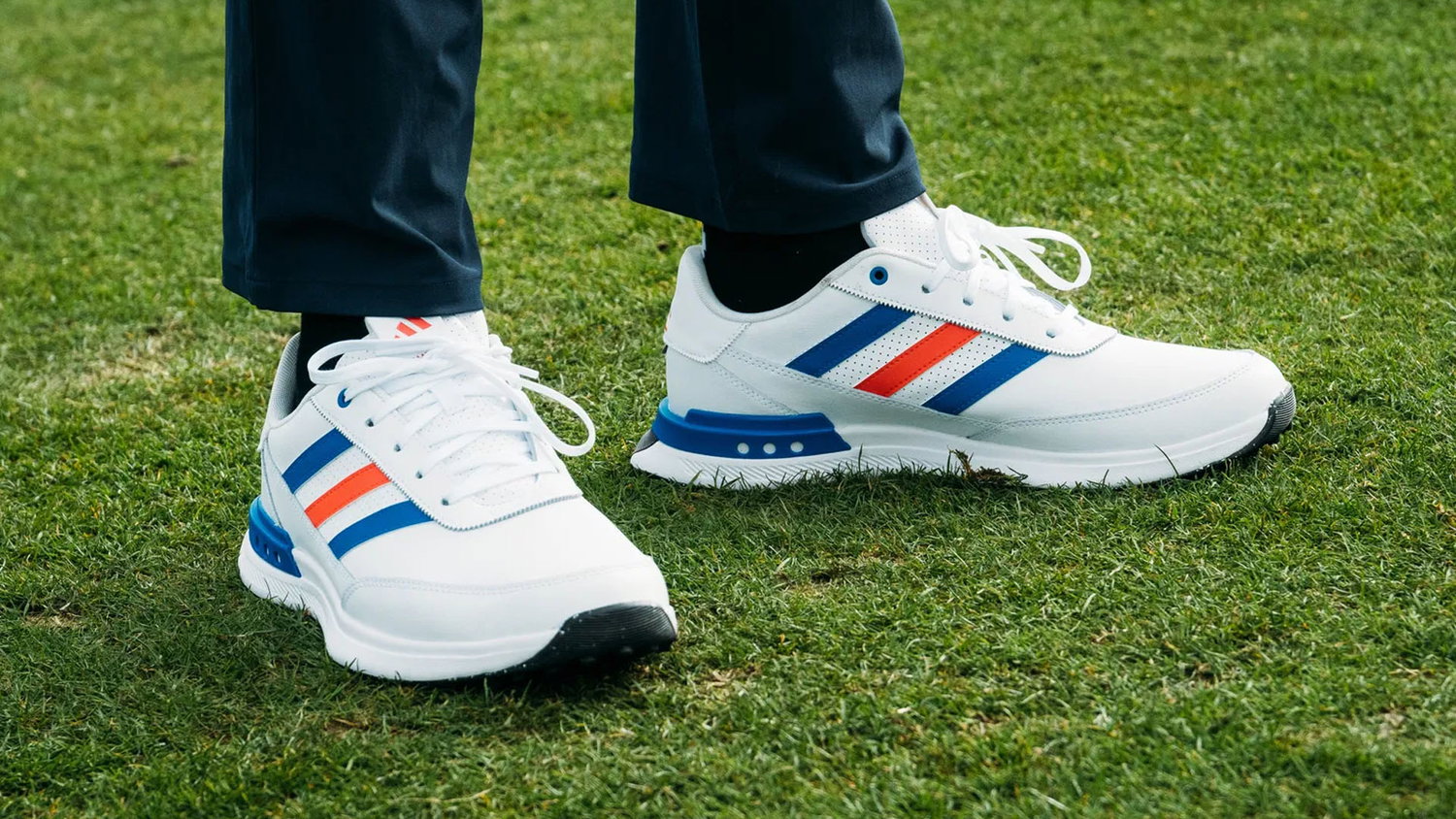
How to test golf footwear before a round
A short test can reveal problems before they affect your score or comfort. Test the shoes on safe ground, not during the first tee shot of a long event.
A five-part check
- Walk on level ground. Notice heel lift, toe pressure, and rubbing.
- Stand in your golf stance. Check whether both feet feel planted.
- Make slow practice swings. Start with a wedge and keep the swing smooth.
- Turn on a gentle slope. Stop if the sole slips or the joint feels strained.
- Walk for at least 20 minutes. Look for heat, pressure, or early fatigue.
This test suits beginners and recreational golfers. Competitive players should also test footwear in the type of turf and weather they expect to face.
Do not test full-speed swings in a crowded area. Keep clear space around the clubhead, watch nearby players, and follow range safety rules.
Golf footwear and different parts of the game
Footwear affects more than the full swing. Chipping, pitching, bunker shots, putting, and green reading all require stable movement.
Chipping and pitching
A chip is a short shot with a low flight and more roll. A pitch flies higher and usually stops faster. Both shots require balance, especially when the ball lies on a slope near the green.
Stable shoes can help the golfer keep the lower body quiet. The motion should still be small and controlled. Do not grip the ground so hard that the body becomes rigid.
Bunker shots
Sand changes how the feet move. A golfer may dig the feet into the bunker for balance, but should avoid damaging the sand more than needed. After the shot, rake the area according to local practice.
Spiked footwear can feel secure in sand, but the player must still maintain a relaxed stance. A shoe cannot replace correct club entry, speed, or splash technique.
Putting and green reading
Putting needs less force from the ground than a full swing, but balance still matters. A player who sways or moves the feet may affect the stroke.
Green reading means judging the slope and speed of a putt. Typical green speeds vary by course and conditions. Footwear should not leave marks, drag across the surface, or violate local policy.
📜 Check the Rules: The current Rules of Golf, local rules, club policies, and tournament conditions can change how footwear and conduct are handled. Confirm the latest information with the governing body or committee.

Golf shoes, fitness, and injury prevention
Golf fitness is not only about strength. It includes balance, mobility, walking ability, and the capacity to repeat a swing without pain.
Warm up before swinging
Begin with five to ten minutes of easy movement. Walk, rotate the shoulders gently, and move the ankles and hips through a comfortable range. Then make small wedge swings before moving to longer clubs.
A warm-up can help the body prepare for rotation. It does not guarantee injury prevention. Pain, numbness, or sharp discomfort is a reason to stop.
Protect the back, knees, and ankles
Footwear can change how the body meets the ground. A shoe that slips may increase stress. A shoe that stops all natural rotation may also feel harsh on the knees or back.
Use a stance that matches your mobility. Do not copy a tour player’s posture if it causes strain. A PGA professional can help with technique, while a doctor or physical therapist should assess persistent pain.
Walking and cart safety
Walk at a steady pace and keep clear of carts. Never stand on a moving cart or drive close to steep edges. In heat, carry water and watch for dizziness, confusion, severe headache, or unusual weakness.

Pros and cons of golf shoes and sneakers
Both options have a place in golf. The right answer depends on the golfer, not on a simple claim that one shoe is always best.
| Footwear | Pros | Cons |
|---|---|---|
| Golf shoes | Better turf grip, stable base, course-focused design | May feel less natural for daily use |
| Sneakers | Familiar comfort, useful for casual practice, easy to walk in | May slip, absorb water, or fail course policy |
| Trail-style sneakers | Can offer outdoor grip and support | Tread may not suit turf or golf rotation |
The main takeaway is that “comfortable” and “stable” are not opposites. A suitable golf shoe should support both. Sneakers remain useful for controlled practice when the surface and rules allow them.
Frequently asked questions
Q: Can I wear regular sneakers to play golf?
A: You can often wear regular sneakers for a dry range session or casual round if the course allows them. They may be less stable on wet grass, slopes, and uneven lies. Check the course policy first.
Q: Are golf shoes necessary for beginners?
A: No. A beginner can learn the grip, stance, posture, and basic swing in clean sneakers on a safe, dry surface. Golf shoes become more useful as the player walks full rounds or faces wet and sloped ground.
Q: Do golf shoes improve your swing?
A: Golf shoes do not repair swing faults. They can provide a steadier base for the backswing, downswing, impact, and follow-through. A lesson with a PGA professional is better for recurring slices, hooks, shanks, or poor contact.
Q: Are spikeless golf shoes as good as spiked shoes?
A: Both can work well. Spiked shoes may offer strong grip in wet or sloped conditions. Spikeless shoes may feel easier for walking and daily movement. Course conditions, fit, and local policy matter.
Q: Can golf shoes help with a slice?
A: They may help you stay balanced if your feet slide, but they do not fix a slice. A slice often relates to clubface direction, swing path, grip, or impact. Use video, launch data, or professional feedback to find the real cause.
Q: What footwear is best for seniors playing golf?
A: Seniors often benefit from a secure fit, comfortable cushioning, stable traction, and enough room for the toes. The best choice depends on foot shape, mobility, walking distance, and any medical limits. Pain should be assessed by a health professional.
Q: Do women and men need different golf shoes?
A: The basic needs are the same: fit, traction, comfort, and support. Foot shape and personal movement matter more than gender. Women and men should choose footwear that allows natural walking and a balanced swing.
Q: What should junior golfers wear?
A: Juniors need a secure, comfortable fit with room to move but not enough space for the heel to slide. The shoe should suit the course and the child’s walking ability. Parents should also teach warm-up, sun safety, hydration, and swing-area clearance.
Q: Can golf shoes be worn away from the course?
A: Some spikeless shoes are made for both course and casual walking, while others are not. Check the sole, comfort, and care instructions. Do not carry mud or turf into buildings.
Q: How long does it take to get used to golf shoes?
A: Many golfers adjust after a short practice session, but comfort varies. Walk and make slow practice swings before playing 18 holes. If rubbing, numbness, or pain continues, stop using the shoes and seek advice.
Q: Do golf shoes matter more for walking or riding?
A: They matter in both cases because the swing still needs stable footing. Walking golfers may value cushioning and moisture control more. Riders may focus more on grip, fit, and comfort during repeated swings.
Q: Can golf shoes damage the green?
A: Proper golf shoes used correctly should not damage the green. Dragging your feet, twisting sharply, or using banned spike types can cause harm. Follow local course rules and practice good golf etiquette.
Q: Are golf shoes allowed in all tournaments?
A: Not always. Tournament committees and clubs can set footwear rules. Check the conditions of competition, local rules, and club policy before play.
Q: What if I have foot or knee pain while playing?
A: Stop if the pain is sharp, severe, or getting worse. Do not use a shoe to mask an injury. Seek medical advice, and ask a PGA professional to review technique after you are cleared to play.
Final thoughts
Golf shoes and sneakers are not simply two styles of the same thing. Sneakers are general-purpose shoes. Golf shoes are built around turf, balance, rotation, walking, and course care.
For a beginner, clean sneakers may be enough for a dry range or first lesson. For regular rounds, wet conditions, hilly ground, or faster swings, golf-focused footwear can provide a more stable platform. The best choice is the one that fits well, suits your body, respects the course, and follows local policy.
Good footwear supports the game, but it is only one part of sound golf. A calm tempo, balanced stance, safe warm-up, smart course management, and good etiquette matter just as much. Take care of your feet, protect the turf, and choose footwear that lets you move with control.