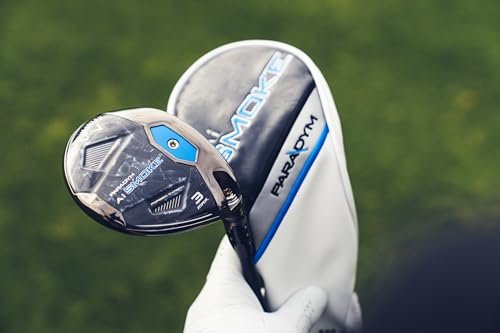
Graphite shafts are lighter and more forgiving; steel shafts give better feel, control, and consistency for many golfers.
I’ve spent years fitting clubs and testing shafts with players of all levels, so I know how confusing the graphite vs steel shafts debate can be. This guide breaks the topic down into clear, practical advice. You’ll learn how each shaft performs, who benefits most, fitting tips, cost and durability notes, and real-world testing steps you can use at the range. Read on to make a confident choice that improves your golf game.
How graphite and steel shafts differ
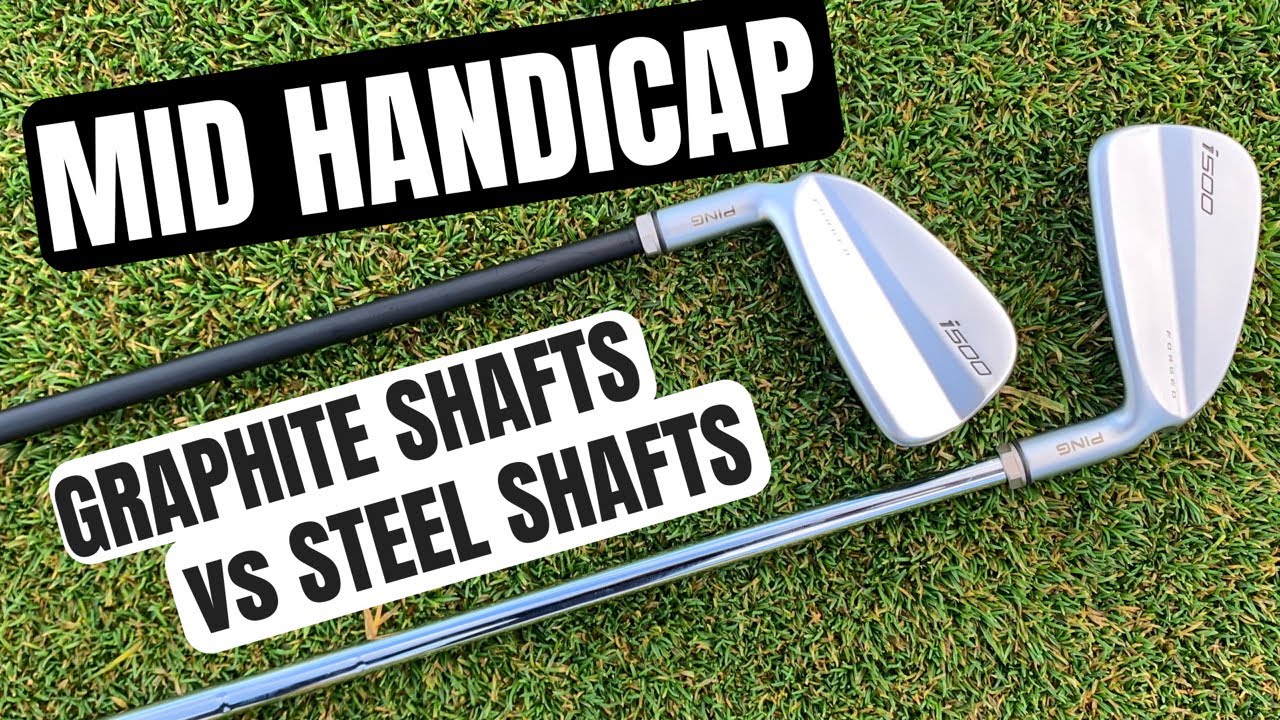
Graphite and steel shafts are built from very different materials, and that drives most of the differences you feel on the course. Graphite is a composite material made from carbon fibers and resin. Steel shafts are made from alloys and are heavier and denser.
Key technical differences
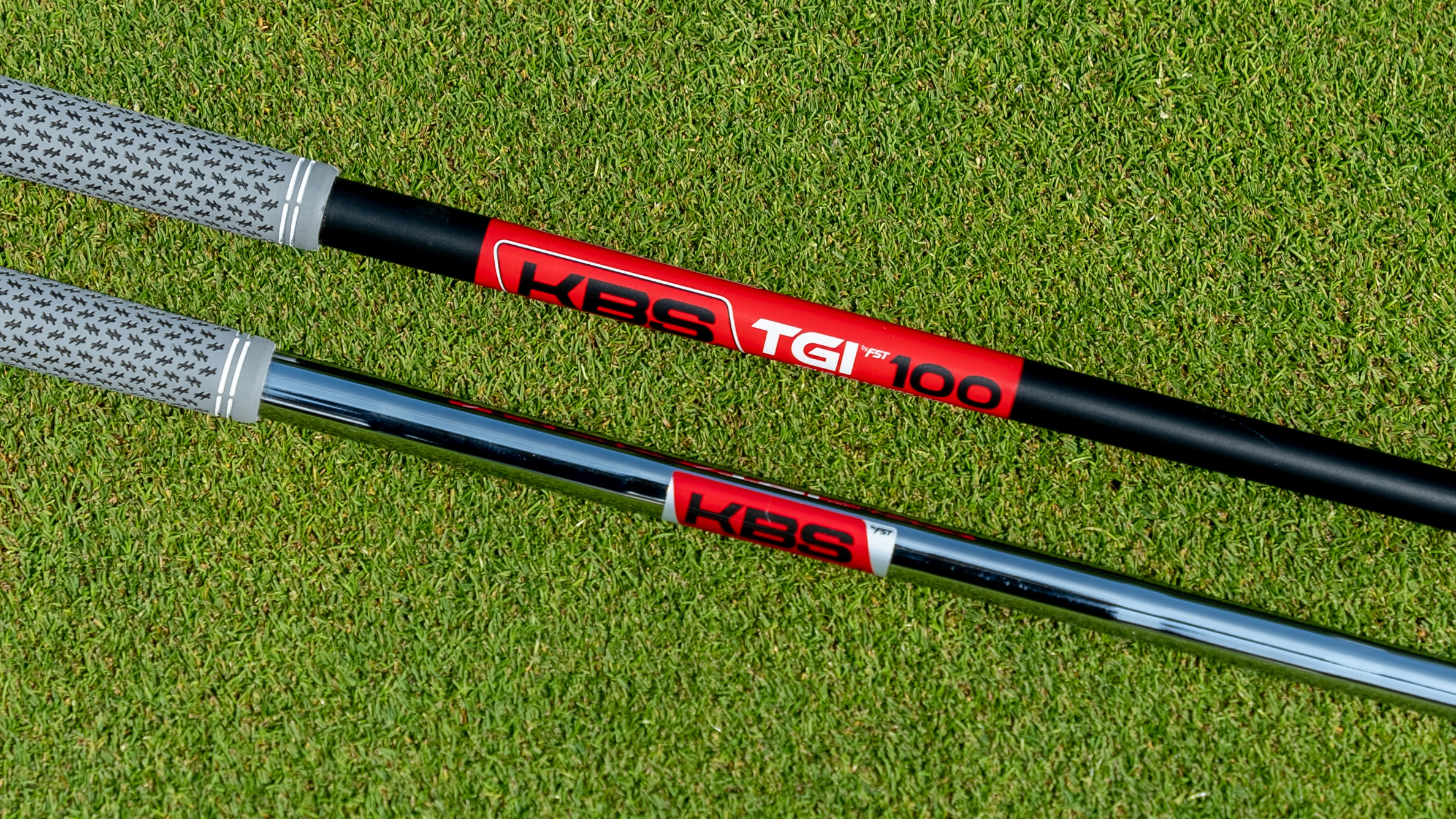
- Weight: Graphite shafts are lighter, often 20–60 grams lighter than steel. Lighter shafts can increase clubhead speed for many players.
- Flex and feel: Graphite can be engineered for varied flex profiles and higher torque. Steel gives a stiffer, more consistent feel and lower torque.
- Vibration and feedback: Graphite dampens vibration, so mishits feel softer. Steel delivers sharper feedback so you know where you struck the ball.
- Torque and kick point: Graphite typically shows higher torque numbers and a range of kick points. Steel has lower torque and a more predictable bend profile.
- Durability: Steel is generally tougher and less prone to cosmetic wear. Graphite can chip or crack under severe impact but modern shafts are very reliable.
I often tell students that the choice isn’t about better or worse; it’s about fit. The right shaft for you depends on swing speed, tempo, injury history, and performance goals.

Performance: distance, accuracy, and feel
Performance changes with shaft material because of weight, bend behavior, and energy transfer. Here’s how that translates on the course.
Distance
- Graphite can add distance for mid- to slow-speed swingers by increasing clubhead speed thanks to lower weight.
- Steel may offer more consistent ball speed for stronger players who swing fast, because it stabilizes clubhead orientation.
Accuracy
- Steel often helps players who prioritize tight dispersion due to its consistent bend and lower torque.
- Graphite can improve accuracy for players who lose clubhead speed or fight fatigue late in a round.
Feel and feedback
- Graphite feels softer on contact and masks some vibrations. That can help players with sore joints.
- Steel gives pronounced feedback; you’ll immediately know whether you struck the sweet spot.
My experience: I once fit a high-handicap player who instantly gained five yards and better control with graphite driver shafts. Conversely, a low-handicap player tightened his shot groups by moving from graphite to a mid-weight steel iron shaft.

Who should use graphite shafts
Graphite is not just for beginners. It suits many types of golfers for specific reasons.
Ideal candidates
- Players with slow to moderate swing speeds seeking more distance.
- Golfer with joint pain, tendon issues, or anyone who wants less vibration and a softer feel.
- Seniors and recreational players who want lighter clubs to reduce fatigue.
- Players who want to experiment with more flexible or higher-launch shaft profiles.
Practical tip from my fittings: If you want a faster clubhead and a softer feel through the hands, start testing graphite driver shafts in a slightly heavier weight than the lightest option. That balance often yields better control while preserving speed.

Who should use steel shafts
Steel remains the go-to option for many players, especially for irons and those focused on control.
Ideal candidates
- Players with faster swing speeds who need a stable shaft to control trajectory.
- Those who value tight dispersion and consistent feel shot-to-shot.
- Competitive amateurs and pros who prefer pronounced feedback and durability.
- Golfers who hit down on the ball and need low torque to resist twisting.
From my experience: Many mid-handicap players move to steel iron shafts after their swing speed improves. Steel gives them a steady platform for shaping shots and controlling distance.
Shaft fitting and what matters most
A poor fit hides the true potential of any shaft. A custom fit often does more for scoring than swapping club heads.
Essential fitting steps
- Measure swing speed and tempo using a launch monitor.
- Evaluate ball flight: spin, launch angle, and dispersion.
- Test shafts with the same clubhead and loft to isolate shaft behavior.
- Try multiple weights and flexes; small changes can yield big gains.
- Check shaft length, lie angle, and swing weight for overall balance.
Key metrics to watch
- Ball speed and smashes (ball speed / clubhead speed)
- Launch angle and spin rate
- Lateral dispersion and carry distance consistency
Real-world advice: I recommend testing at least three shafts per club type. Track numbers for 10 shots each to average out poor swings and reveal real trends. A fitting saved one client from buying a set that would have made his short irons worse.

Cost, maintenance, and longevity
Price and upkeep are practical considerations when choosing between graphite vs steel shafts.
Cost differences
- Graphite shafts typically cost more, especially premium models with exotic carbon layups.
- Steel shafts are generally cheaper and widely available.
Maintenance and repair
- Steel is robust and resists dings; it’s easier to inspect for issues.
- Graphite must be checked for cracks; if damaged, replacement is usually required rather than repair.
Longevity and resale
- Steel shafts can last for decades with normal use.
- Modern graphite shafts are durable but can degrade with hard impacts or long-term UV exposure. Resale value varies widely based on brand and condition.
Tip: If budget is tight, invest more in a proper fitting than the most expensive shafts. Fit first; upgrade later if needed.
Common myths and misconceptions
Let’s clear up some common confusion around graphite vs steel shafts.
Myth: Graphite is only for beginners
- Reality: Many tour pros use graphite in drivers and fairway woods for weight optimization and performance.
Myth: Steel is always better for accuracy
- Reality: Accuracy depends on fit and player profile; graphite can improve accuracy for some golfers by increasing speed and reducing fatigue.
Myth: Graphite breaks often
- Reality: Modern graphite is reliable; breakage is rare if shafts are handled and fitted correctly.
Myth: You must use one material for an entire set
- Reality: Mixed sets are common—graphite for woods and steel for irons is a popular and effective approach.

Practical tips for choosing between graphite and steel shafts
Use these steps to make a hands-on decision at the range or during a fitting.
Testing checklist
- Start with swing speed: below 85 mph favor graphite for drivers; above 95 mph often favors steel for irons.
- Test same clubhead across shafts for apples-to-apples comparison.
- Hit 10 shots per shaft and record average numbers for speed, carry, and dispersion.
- Pay attention to feel and fatigue over multiple rounds.
- Consider mixed setups: graphite woods and steel irons are a common best-of-both-worlds solution.
Final personal tip: When I teach players, I stress the need to test later in a practice session when the arms are tired. That often reveals whether graphite’s lighter weight gives real benefits over a full round.
Frequently Asked Questions of graphite vs steel shafts
What are the main pros of graphite shafts?
Graphite shafts are lighter and reduce vibration, which can increase clubhead speed and comfort. They are often the best choice for slower swingers and players with joint issues.
Do steel shafts improve accuracy?
Steel shafts can improve shot-to-shot consistency because of their lower torque and stable bend profile. Many players see tighter dispersion with a properly fitted steel shaft.
Can you mix graphite and steel in one set?
Yes. Mixing shafts is common—graphite for woods and hybrids, steel for irons—so you get distance where you need it and control where it matters.
How do I know which shaft flex I need?
Shaft flex depends on your swing speed and tempo. A fitting with a launch monitor is the best way to determine the correct flex for consistent launch and spin.
Are graphite shafts less durable than steel?
Graphite can be more vulnerable to impact damage, but modern graphite shafts are very durable for typical play. Inspect graphite shafts regularly for cracks or chips.
Will switching shafts change my ball flight?
Yes. Shaft weight, flex, and kick point all affect launch and spin, so changing shafts can raise or lower flight and alter spin rates.
Conclusion
Choosing between graphite vs steel shafts comes down to your swing profile, goals, and comfort. Graphite often helps with distance and vibration dampening, while steel gives control, feedback, and durability. Test with a launch monitor, try mixed setups, and prioritize a proper fitting to find the best match for your game. Take action: book a fitting, test the recommended shafts at the range, and track your results to make an informed choice. Share your experience or questions below — I’d love to help you dial in the right shafts.