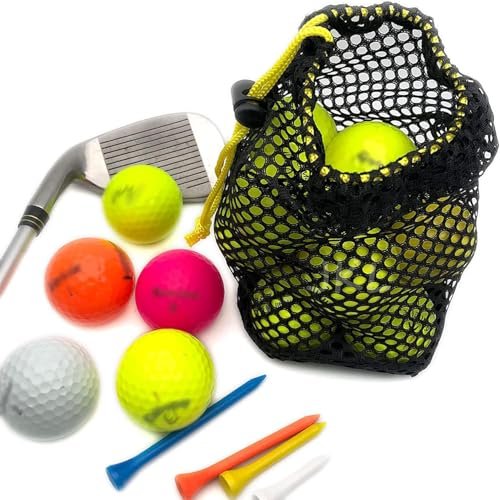
Optimal golf launch angle balances loft, speed, and spin to maximize carry and control.
I’ve spent years fitting players and testing shots to understand how launch shapes distance and feel. This guide digs into golf launch angle with clear, usable advice, real-fit lessons, and simple drills you can use today. Read on to tune your launch for more distance, better accuracy, and more fun on the course.
Understanding golf launch angle
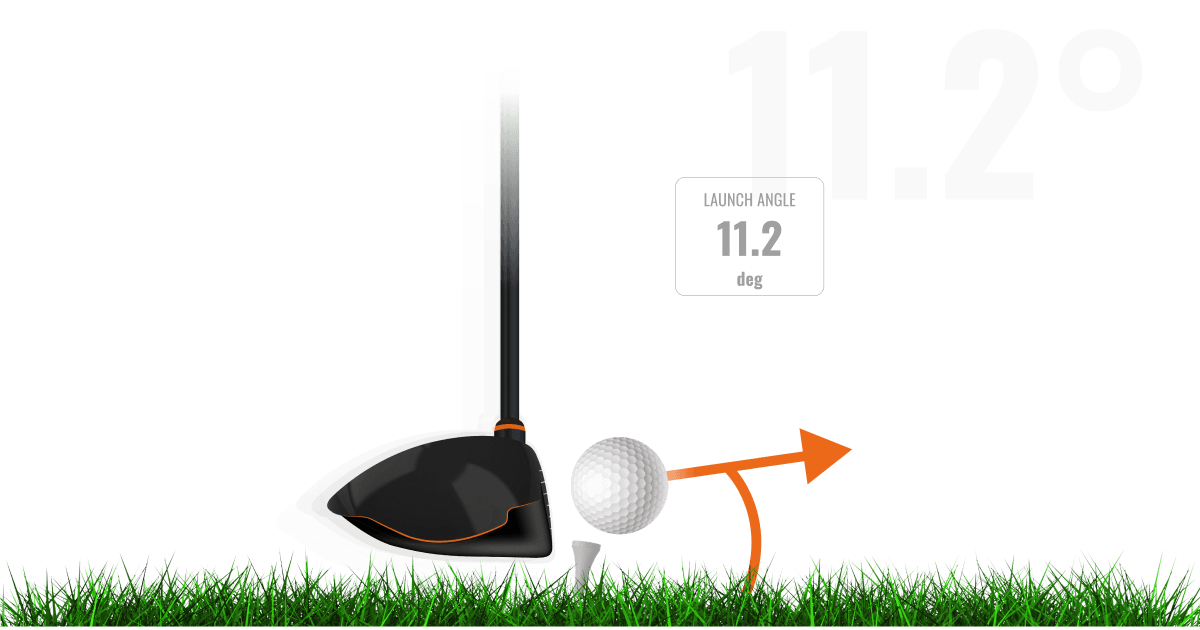
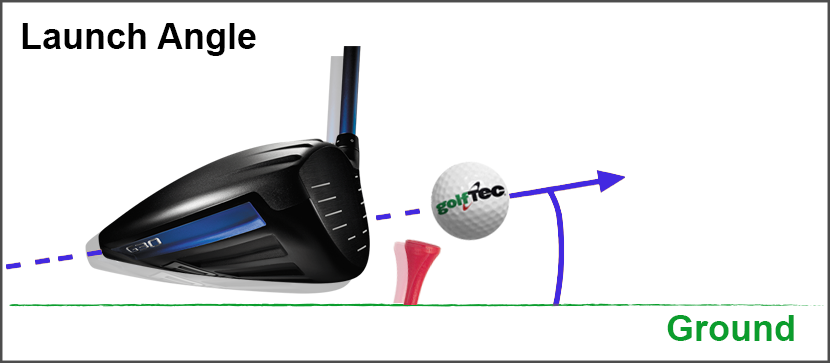
Golf launch angle is the initial angle the ball leaves the clubface relative to the ground. It is not the same as club loft, and both matter. Launch angle works with spin and ball speed to determine carry, apex, and roll.
A low launch angle often gives more roll but less carry. A high launch angle can add carry but can also increase wind sensitivity. Knowing your golf launch angle helps you pick the right club, adjust your swing, and choose equipment that fits your game.
How golf launch angle affects distance and trajectory
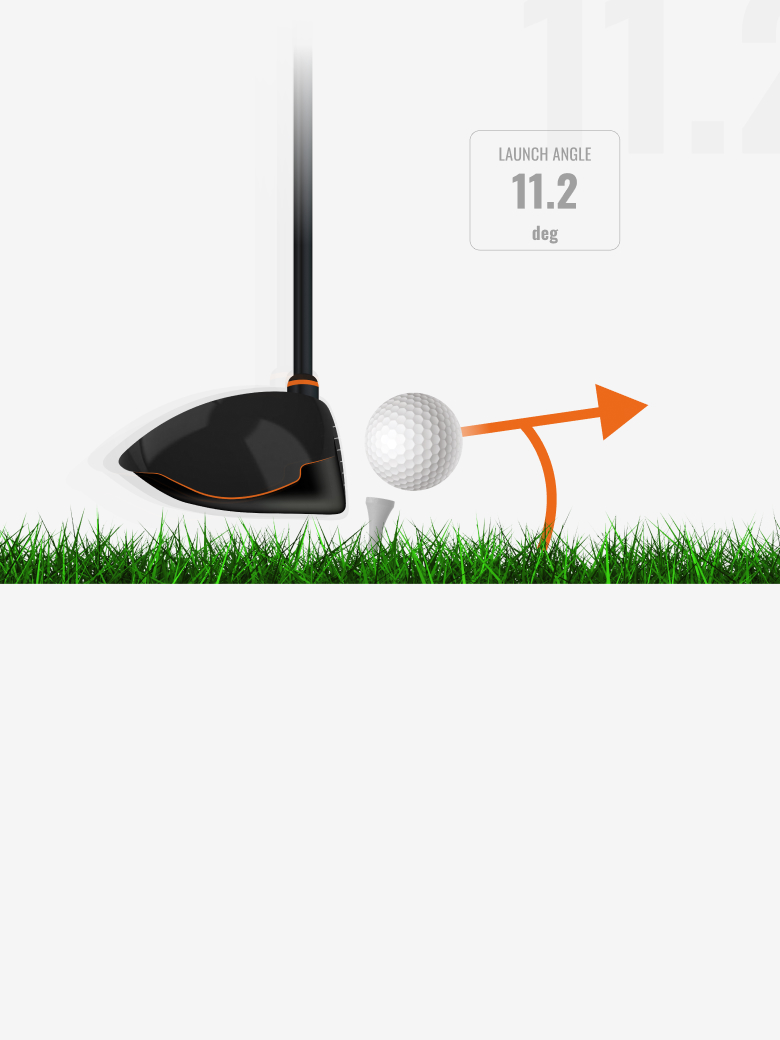
Launch angle changes how high and far a shot flies. With the same speed, raising launch angle increases carry up to a point, then distance falls if the angle gets too high. Spin rate matters; too much spin with a high launch angle kills roll and reduces total distance.
Players with slower clubhead speed need a higher golf launch angle to maximize carry. Faster players often need lower launch angles to control spin and get more roll. Matching launch angle to your speed and ball spin is the core of better distance.
Measuring your golf launch angle
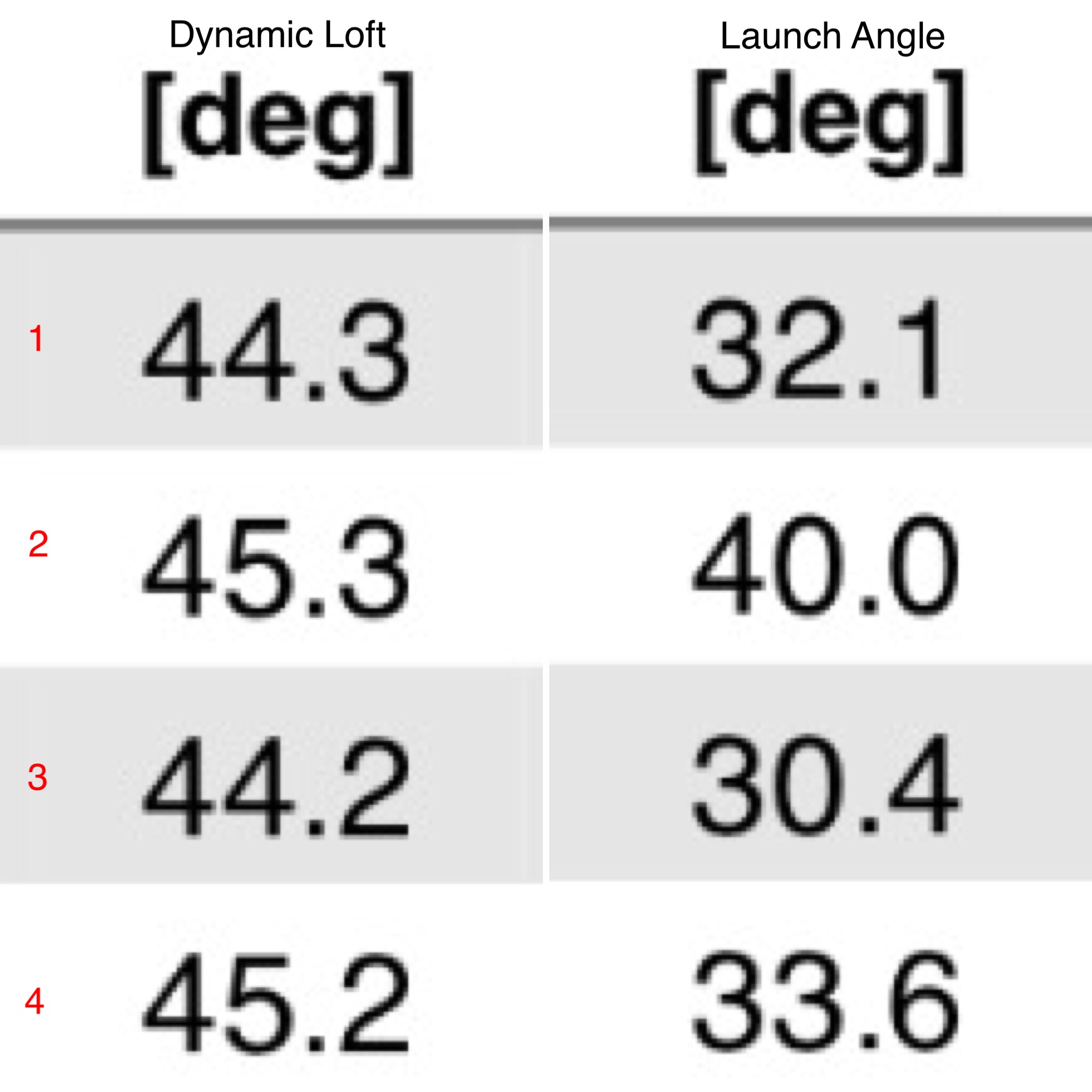
You can measure golf launch angle with a launch monitor, a radar device, or a trackable fitting session. A launch monitor gives instant readouts of launch angle, spin rate, and ball speed. If you don’t have one, record video from downrange and use simple geometry to estimate launch.
Consistent measurement is key. Test with the same ball, same tee height, and a stable swing. Note launch angle along with spin and ball speed to make useful tweaks.
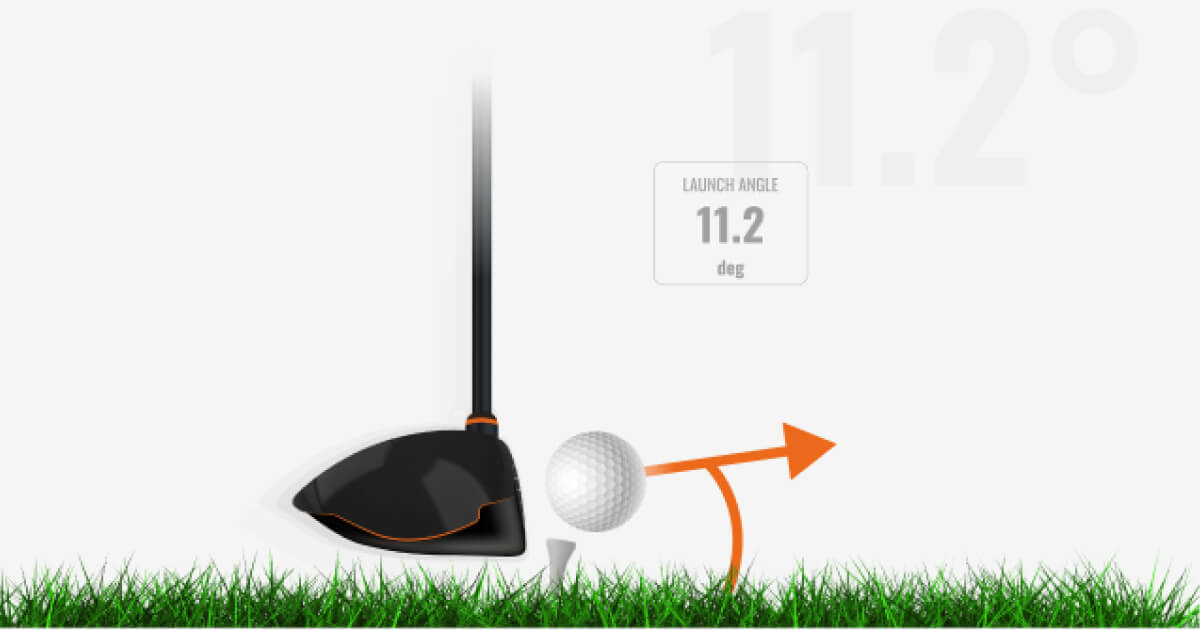
Optimal golf launch angle by club
There’s no one-size-fits-all number, but useful ranges exist. These ranges depend on swing speed, ball choice, and player goals.
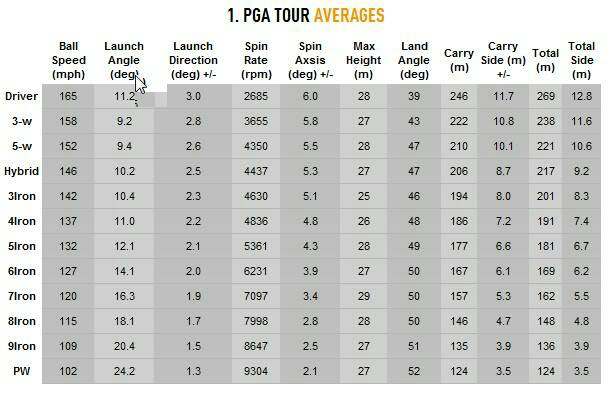
- Driver: Many players do well between 10 and 15 degrees of golf launch angle depending on swing speed and spin.
- Fairway woods and hybrids: These clubs often launch higher, commonly 12 to 18 degrees, to help carry hazards.
- Long and mid irons: Typical golf launch angle sits roughly 8 to 14 degrees, with higher lofted irons launching more.
- Short irons and wedges: Launch angles vary more with shot shape but usually sit between 18 and 30 degrees for soft stopping shots.
Use these ranges as starting points. The optimal golf launch angle also depends on spin; less spin can pair with a higher launch to gain distance, while high spin often needs a lower launch.

How to change your golf launch angle
You can change launch angle with swing, setup, and gear. Small, focused changes produce big results.
- Ball position: Move the ball forward for higher launch, back for lower launch.
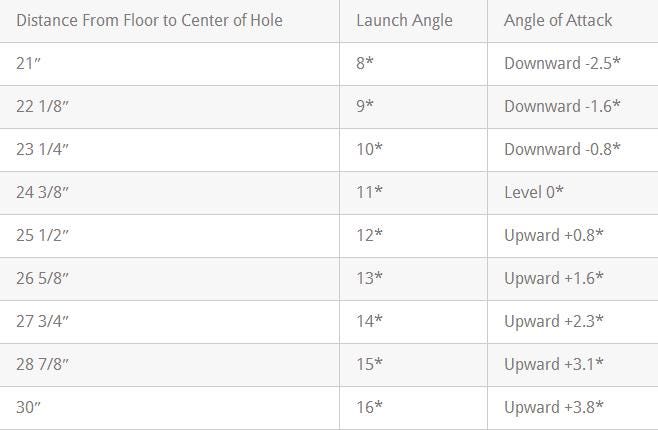
- Angle of attack: Hitting up raises driver launch angle; hitting down lowers launch for irons.
- Shaft choice: A stiffer or shorter shaft can lower launch. A softer or longer shaft can raise it.
- Loft and head adjustments: Many modern clubs allow loft changes to tweak the golf launch angle.
- Ball selection: Balls with higher compression or different spin profiles can change launch and carry.
Make one change at a time. Test on a launch monitor or a calm range day. Track results and revert if a tweak hurts carry or control.
Common mistakes and troubleshooting with golf launch angle
Many players chase distance and miss the simple cause of poor results. Here are common errors and fixes.
- Chasing loft changes without addressing swing: Changing loft alone can help, but you often need to fix angle of attack too.
- Ignoring spin: High launch with high spin can shorten total distance. Lower spin or adjust attack angle.
- Overcomplicating setup: Tiny ball-position shifts are powerful. Don’t overhaul your swing on the range.
- Not testing with consistent equipment: Different balls and clubs hide true changes in golf launch angle.
If a change doesn’t help after a few test sessions, return to your baseline and try a different variable. Reliable data beats guesswork.
Fitting, launch monitors, and reading the numbers
Fitting is where golf launch angle becomes usable. A good fitter uses a launch monitor to match your swing to clubs and balls.
Key numbers to watch:
- Ball speed — how fast the ball leaves the face.
- Launch angle — initial angle off the clubface.
- Spin rate — how much backspin affects flight.
- Carry and total distance — real-world results you want to maximize.
Ask your fitter to show how changes affect carry and dispersion. A small drop in spin combined with a slight rise in golf launch angle can equal big gains for certain players. Track changes over multiple sessions to avoid one-day flukes.
Personal experience: lessons from the range and the course
I once fit a mid-handicap player who wanted more distance but hit with a very high launch and high spin. We tweaked ball position and lowered attack angle slightly. The result: more roll, straighter shots, and a three club gain on average. That felt like a practical win.
Another time, a slower swinger gained five yards by moving to a slightly higher-launch shaft and changing the ball. Small, focused changes added up. My main lesson: test one variable at a time and keep notes. Your feel is useful, but measurement is the path to repeatable improvement.
Practical drills to dial in your golf launch angle
Use easy drills to feel changes and measure results.
- Tee drill for driver: Tee higher and swing with intent to hit up. Note changes in carry and peak height.
- Impact tape check: Use tape to see contact and confirm face loft at impact.
- Two-ball drill for irons: Place a second ball slightly forward. Practice hitting the back ball to promote a steeper attack and lower launch.
- Video check: Record from downrange to confirm the flight angle and compare sessions.
Practice these drills in short blocks. Track launch angle and spin if possible.
Equipment checklist to influence your golf launch angle
When buying clubs or balls, keep these checks in mind.
- Get a fitting session that tracks launch angle and spin.
- Try multiple ball models to find the best launch/spin combo.
- Consider adjustable drivers to tweak loft and face angle.
- Test shafts for flex and launch profile.
A good fit saves strokes and reduces guesswork about your golf launch angle.
Frequently Asked Questions of golf launch angle
What is a good golf launch angle for a driver?
A good driver golf launch angle often falls between 10 and 15 degrees for many players. Exact ideal depends on swing speed and spin rate.
How does swing speed affect launch angle needs?
Slower swing speeds generally benefit from a higher golf launch angle to maximize carry. Faster swing speeds often need slightly lower launch and lower spin.
Can I change my golf launch angle without new clubs?
Yes. Ball position and angle of attack can change launch a lot. Small setup tweaks often work before buying new gear.
Does loft equal golf launch angle?
No. Loft affects launch, but the actual golf launch angle also depends on attack angle, dynamic loft at impact, and face contact. They are related but not identical.
How does spin interact with golf launch angle?
High spin with a high golf launch angle can reduce total distance by creating a ballooning flight. The best result balances launch and spin for optimal carry and roll.
Should I use a launch monitor to set my launch angle?
Yes. A launch monitor gives objective data on golf launch angle, spin, and ball speed so you can make precise changes. It’s the fastest path to reliable results.
Conclusion
Understanding and tuning your golf launch angle unlocks more distance, better control, and more consistent ball flight. Start with simple measurements, test one change at a time, and use a launch monitor or fitting session when possible. Your actionable step: pick one drill or one setup tweak this week, record the result, and build from that data. Try the drills above, leave a note on what worked, and consider a fitting to make those gains stick.