Driver delivers maximum distance off the tee; fairway wood gives more control and easier play from the fairway.
I’ve spent years testing clubs, fitting players, and playing competitive rounds, so I know how confusing the driver vs fairway wood debate can be. This guide breaks down the real differences, when to use each club, fitting tips, practice drills, and decision frameworks you can use today to lower scores and hit smarter shots. Read on to get expert, experience-backed advice about driver vs fairway wood that you can apply on the course.

Key differences: driver vs fairway wood — basics and physics
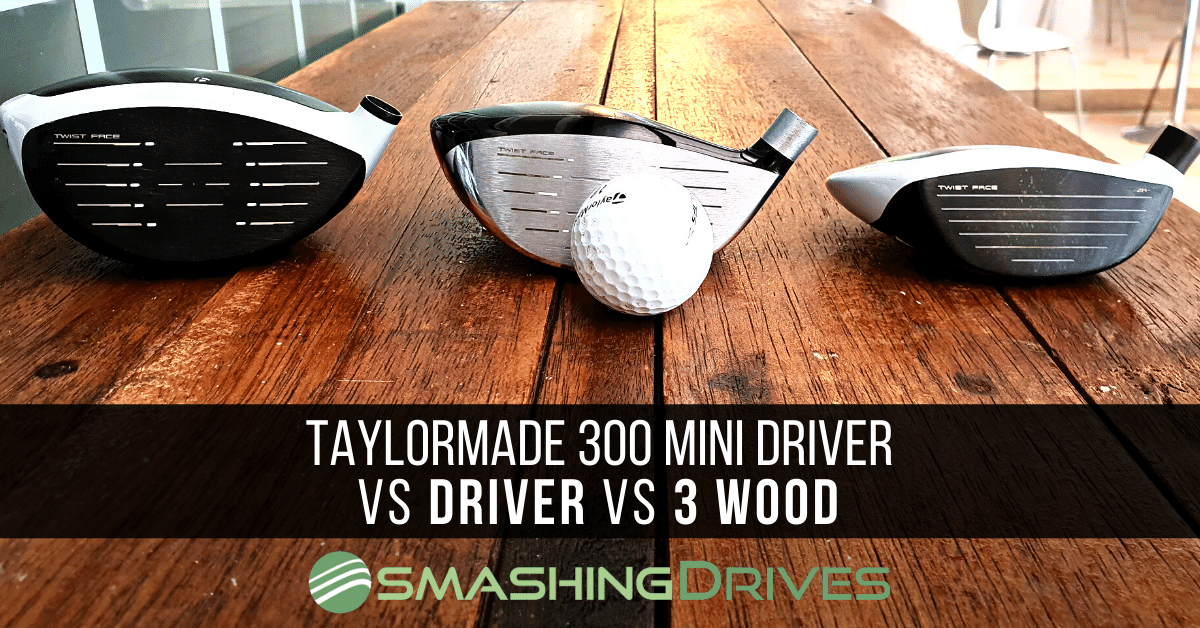
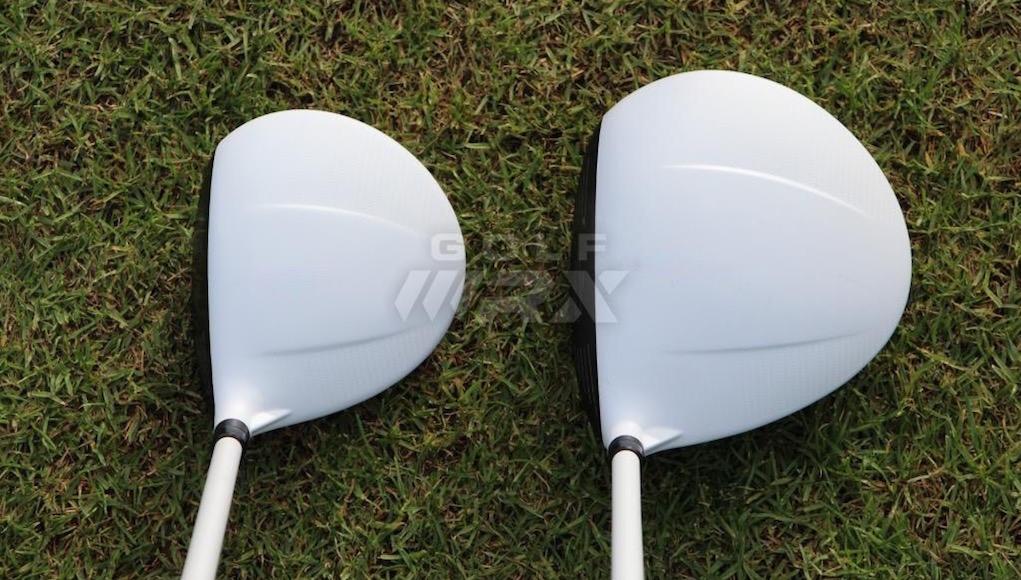
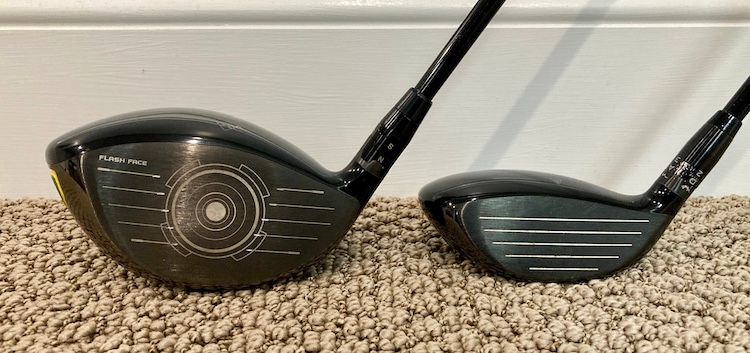
The driver and fairway wood look alike, but they behave very differently. The driver has the largest head, the longest shaft, and the lowest loft. It is built to hit the ball the farthest, mainly off the tee. Fairway woods have smaller heads, shorter shafts, and higher lofts. They are built for control, shot shaping, and sparking distance from the fairway.
Important technical contrasts:
- Clubhead size — Driver heads are 440–460cc; fairway woods range 120–200cc.
- Loft range — Drivers usually 8°–12°; fairway woods usually 13°–24°.
- Shaft length — Drivers are longer by 1–2 inches, adding potential clubhead speed.
- Center of gravity — Driver CG is lower and farther back to add launch and forgiveness; fairway woods have higher CG for easier turf interaction.
How physics changes play:
- Longer shaft plus larger head equals more potential distance but less control.
- Higher loft and shorter shaft give fairway woods a steeper launch and shorter roll.
- On mis-hits, fairway woods often produce more predictable results from grass than drivers.
From my experience fitting players, the choice often comes down to whether you want more distance off the tee or more versatility from the fairway. The driver vs fairway wood trade-off is distance versus control.

When to choose the driver
Pick the driver when you need maximum distance and when you can tee the ball up. That is usually on open, long par-4s and par-5s where distance sets up shorter approach shots.
Situations favoring the driver:
- Wide, forgiving tee boxes with no major hazards.
- When you need to cut a hole down to reach the green in fewer strokes.
- When wind conditions favor lower spin and longer roll.
Practical tips for driver use:
- Tee the ball so half the ball sits above the crown; this promotes upward strike.
- Aim for a smooth tempo. Faster speed with poor timing loses more distance than a slightly slower, well-timed swing.
- If you routinely miss left or right, change the aim, not always the club.
Personal note: I once lost distance trying to force the driver on a tight course. Switching to a 3-wood off the tee lowered my score because I hit more fairways and hit more greens in regulation.
When to choose a fairway wood
Choose a fairway wood when you need versatility, control, or when the ball is on the ground. Fairway woods shine for long approach shots, tight tee shots, and recovery from light rough.
Situations favoring fairway woods:
- Long par-3s, reachable par-4s, and long approach shots into par-5s.
- Tight tee boxes where accuracy outweighs raw distance.
- When the ball sits down in the fairway or light rough.
Practical tips for fairway wood use:
- Play the ball slightly forward but not as far forward as with the driver.
- Sweep the ball off the turf; don’t try to hit down steeply.
- If you struggle with a 3-wood, try a higher-lofted 5-wood for easier launch and control.
Personal note: A 5-wood became my go-to on damp mornings. It launched easily and often stuck on greens where longer clubs rolled off.

How to decide: driver vs fairway wood on the course
Deciding driver vs fairway wood is a mix of course management and personal strengths. Use these quick checks to make the right call.
Decision checklist:
- Risk vs reward — Is the extra distance worth the hazard risk?
- Tee box shape — Is the fairway wide and forgiving or narrow and hazard-lined?
- Lie and turf conditions — Is the ball teed or on a tight lie?
- Wind and course conditions — Headwind can make fairway woods more attractive.
- Confidence and consistency — Choose the club you hit best under pressure.
Simple heuristics I use with students:
- If you need every yard and the fairway is clear, take the driver.
- If hitting long but precise matters, or you can’t control the driver, use a fairway wood.
- If a tee shot is inside your average driver distance but requires accuracy, favor a fairway wood.
Fitting and setup: optimize both clubs
Fitting matters for both driver and fairway wood. Small changes in loft, shaft flex, and lie can produce big gains.
Key fitting tips:
- Loft matching — Match loft to your swing speed and desired launch. A fitter can simulate ball flight and spin.
- Shaft length and flex — Shorter shafts can improve accuracy; flex tuning helps spin and launch.
- Head design — A shallow-face fairway wood is easier to hit from turf. Drivers with adjustable hosels help dial in launch.
What I check in fittings:
- Ball speed, launch angle, and spin rate on a launch monitor.
- Shot dispersion—where the ball goes when contact is slightly off-center.
- Real-life testing on grass, not just mats. Turf interaction matters.

Common mistakes and how to fix them
Many players misuse the driver or fairway woods because of habit or ego. Here are common errors and quick fixes.
Common errors:
- Trying to hit the driver too hard — Fix: focus on smooth acceleration and a stable lower body.
- Ball too far back with fairway wood — Fix: move ball slightly forward and sweep.
- Wrong loft selection — Fix: get a loft-optimized set to match your swing speed.
- Poor tee height — Fix: adjust tee so the top of the ball is near the driver’s center.
My favorite drills:
- Tee-to-target drill — Alternate driver and 3-wood to feel the tempo change for each.
- Fairway sweep drill — Place a towel 3 inches behind the ball and practice sweeping it without hitting the towel.
- Shot shape practice — Take slow swings focusing on path and face to learn natural ball flight tendencies.

Practice drills and routines
Practice both clubs with intention. Short, focused sessions beat long, aimless ones.
Drills to try:
- Launch monitor feedback — Spend 20 minutes measuring spin and launch, then tweak stance and tee height.
- Alternate-club reps — Hit five drivers, five 3-woods at the same target to build contrast.
- On-course simulation — Play holes using only fairway woods off the tee to build confidence.
Routine suggestions:
- Warm up with wedges and mid-irons, then hit a few fairway woods before the driver.
- End sessions with target practice to learn carry distances for each club.

Maintenance and equipment lifespan
Take care of both clubs to keep performance consistent.
Maintenance tips:
- Check clubface and grooves — Replace or re-groove if worn.
- Inspect shafts and grips — Worn grips and nicked shafts change feel and performance.
- Re-grip annually if you play often; re-shaft based on wear and breakage.
When to replace:
- If your dispersion widens or ball speed drops noticeably.
- When technology improvements match your needs, like better spin control or easier launch.
Frequently Asked Questions of driver vs fairway wood
What is the main difference between a driver and a fairway wood?
The main difference is design intent: drivers are built for max distance off the tee while fairway woods are built for control and turf play. Drivers have longer shafts, larger heads, and lower lofts than fairway woods.
Can you hit a fairway wood off the tee instead of a driver?
Yes. Many players use a 3-wood or 5-wood off the tee for accuracy and still get ample distance. It is a smart choice on tight holes or in windy conditions.
Which club is easier for most golfers to hit well?
Fairway woods are generally easier for most golfers because they have higher loft and shorter shafts, which help launch the ball cleaner from the turf. A higher-lofted 5-wood is often the easiest long club to hit.
Should beginners start with a driver or a fairway wood?
Beginners should prioritize a fairway wood or hybrid for better contact and control. As swing speed and consistency improve, adding a driver becomes more beneficial.
How does loft affect driver vs fairway wood performance?
More loft increases launch angle and often reduces spin, which can help carry. Drivers with the right loft produce more roll, while fairway woods with higher loft stop quicker on greens.
Conclusion
Driver vs fairway wood comes down to one simple trade-off: distance and rollout versus control and versatility. Use the driver when you need max yards from the tee and the fairway wood when you need a reliable long shot from the turf or a safer tee option. Test both on a launch monitor, get properly fitted, and practice targeted drills to know which works best for your game. Try a scoring test: play three holes using only drivers off tees, then three using only fairway woods, and compare scores to learn what suits you. Ready to lower your scores? Share your results, subscribe for more gear and practice tips, or leave a comment about your driver vs fairway wood choice.