Best Golf Training Aid For Swing Plane: Fix Your Swing
The best golf training aid for swing plane is an adjustable guide that gives clear feedback without changing your natural swing.
Many golfers strike the ball well on the range, then lose direction on the course. The cause may be a swing plane that moves too far inside, outside, or across the target line. A good training aid gives you a simple visual or physical guide. It helps you feel the right path and repeat it with your own club. I compared five useful options for home practice, warm-ups, and swing drills. My picks suit beginners, improving players, and golfers who want better contact without paying for constant lessons.
See the differences between my top picks at a glance.
| Training Aid | Best For | Main Feedback | Club Use | Buy |
|---|---|---|---|---|
| Golf Swing Plane Trainer | Basic path practice | Visual swing guide | Training device | View on Amazon |
| SWING DOCTOR Trainer | Adjustable alignment work | Plane and path reference | Uses alignment stick | View on Amazon |
| TrueGroove with Power Bar | Plane and posture drills | Contact and body position | Uses your clubs | View on Amazon |
| Adjustable Steel Trainer | Beginners and family use | Large circle guide | Training device | View on Amazon |
| WHYGOLF Alignment Discs | Portable setup checks | Ground alignment | Works with normal drills | View on Amazon |
Golf Swing Plane Trainer

This Golf Swing Plane Trainer focuses on the main issue most players want to fix: the club moving on the wrong path. It gives you a visible guide for rehearsing the backswing and downswing. That makes it easier to spot a move that travels too far inside or outside. The simple design may suit golfers who want a clear start without a large set of parts.
I like this type of aid for slow practice before hitting full shots. Start with small swings and learn where the club should travel. Then add speed only when the motion feels easy. It will not replace a qualified coach or launch monitor, but it can build a repeatable practice routine. For many golfers, that repeatable routine matters more than a complex device.
Pros:
- Direct focus on swing path and plane
- Useful for slow-motion rehearsal
- Simple concept for new golfers
- Can support indoor or outdoor practice when space allows
- Helps create a clear visual reference
- Works well as part of a short daily drill
Cons:
- It cannot explain why a swing fault happens
- Some golfers may need extra space around the guide
- It may not provide enough feedback for advanced players alone
What Amazon Buyers Are Saying
Buyer feedback for swing-plane products often centers on ease of setup, clarity of the guide, and whether the aid helps create a useful practice feel. Some golfers value a simple visual target because it keeps drills focused. Others may want stronger construction details or more instructions before using it. Since listings and reviews can change, I recommend checking the latest Amazon comments, photos, and seller details before ordering.
My Recommendation
I recommend this model for a golfer who wants a straightforward way to rehearse a better club path. It offers the best balance of simple feedback and focused practice in this group. Use it with short swings, video checks, and normal clubs. It is worth considering for beginners and mid-handicap players who need a visible plane guide rather than a technical gadget.
| Category | Rating |
|---|---|
| Plane Feedback | 4.5/5 |
| Ease of Practice | 4.4/5 |
| Versatility | 4/5 |
| Value | 4.3/5 |
| Overall Rating | 4.3/5 |
SWING DOCTOR Adjustable Plane Trainer
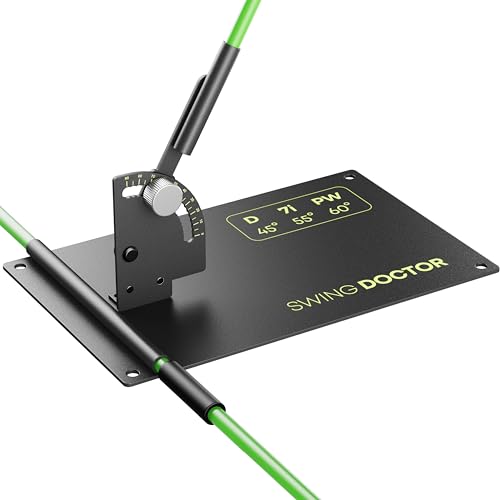
The SWING DOCTOR trainer uses an adjustable alignment stick holder to create a swing-plane reference. That adjustable feature matters because golfers do not all have the same height, posture, or club length. A fixed guide can feel wrong if it sits too high or low. The ability to change the angle gives you more control over the setup.
This aid may work well for players who already own alignment sticks. You can use the stick as a visual plane line during rehearsals. It also makes the tool easier to store than a large, fixed frame. I would still begin with a neutral setup and make one change at a time. Too much adjustment can make it hard to know which position helped.
Pros:
- Adjustable design supports different player builds
- Uses an alignment stick as a clear visual guide
- Good choice for golfers who like customizable drills
- Can help compare backswing and downswing positions
- May pack more easily than a large training frame
- Useful for home practice and range warm-ups
Cons:
- May require a separate alignment stick
- Setup can take longer than a ready-to-use guide
- Incorrect adjustment can give confusing feedback
What Amazon Buyers Are Saying
When golfers review adjustable swing aids, they commonly discuss the usefulness of changing the angle and the ease of fitting the aid into a practice plan. Buyers who already use alignment sticks may find the format familiar. Common concerns with this style include setup instructions, fit, and the need to learn how to position the stick safely. Check current buyer images and recent comments for details about the exact setup in your practice area.
My Recommendation
This is a strong pick for an intermediate golfer who understands basic alignment and wants more control over the training angle. It is less ideal for someone who wants a one-minute setup with no decisions. I consider it a good value if you already own alignment sticks and plan to practice often. It earns a practical rating of 4.2 out of 5.
| Category | Rating |
|---|---|
| Adjustability | 4.5/5 |
| Plane Feedback | 4.3/5 |
| Setup Simplicity | 4/5 |
| Value | 4.1/5 |
| Overall Rating | 4.2/5 |
TrueGroove Plane Trainer with Power Bar

The TrueGroove trainer stands out because it aims to teach swing plane and posture together. That combination makes sense. A player can move the club on a useful path yet still lose balance or change posture during the swing. The power bar creates another point of contact and can help you pay attention to body position while using your own clubs.
I see this as a drill tool for golfers who want more than a line on the ground. It may help you connect the club motion with your setup and turn. Use it for rehearsals rather than full-speed swings at first. The goal is a stable motion, not simply brushing against the device. A short set of controlled repetitions can give better feedback than hitting many careless balls.
Pros:
- Combines plane work with posture awareness
- Designed to work with your own golf clubs
- Useful for structured practice routines
- May help connect body position and club motion
- Suitable for golfers who want more than ground alignment
- Can support slow drills before full swings
Cons:
- May feel more complex for a complete beginner
- Requires careful setup and practice space
- It cannot replace individual feedback from a coach
What Amazon Buyers Are Saying
For training aids that address both posture and plane, buyers often focus on whether the device feels natural with their own clubs. Some users may appreciate a more complete drill, while others may prefer a smaller and simpler aid. Reviews may also mention setup time and whether the power bar fits the golfer’s practice style. Read the current listing details closely because included parts and instructions can change over time.
My Recommendation
I recommend TrueGroove for golfers who know that posture affects their swing and want one aid to address both ideas. It may be a better fit than a basic plane guide for players who struggle with standing up, losing tilt, or changing their body shape. It is worth buying when you will follow a steady drill plan. My rating is 4.4 out of 5.
| Category | Rating |
|---|---|
| Plane and Posture Work | 4.6/5 |
| Use With Your Clubs | 4.5/5 |
| Learning Curve | 4/5 |
| Practice Value | 4.4/5 |
| Overall Rating | 4.4/5 |
Adjustable Steel Swing Plane Trainer

This adjustable steel trainer uses a larger swing-circle idea to show the space where the club can travel. It also includes an alignment mat, which may help beginners connect the plane with stance and target direction. The steel design suggests a more substantial practice setup than a small marker or disc. Adjustable parts can also make the guide easier to adapt for different golfers.
This model may suit a family practice area or a beginner who learns best from a large visual target. It can make the swing path easier to understand because the guide shows the motion in space. Still, golfers should not chase the guide with their hands. Let the body turn and use the device as a reference. Confirm the target line before every drill so the visual circle does not create a false aim.
Pros:
- Large visual guide can be easy for beginners to understand
- Adjustable design may suit different golfers
- Alignment mat supports setup and aim practice
- Steel construction may feel stable during drills
- Useful for learning the relationship between stance and plane
- Could suit women, teens, and new players who need clear feedback
Cons:
- Larger setup may need more storage space
- May be less convenient for quick range sessions
- Beginners still need instructions to avoid overthinking the guide
What Amazon Buyers Are Saying
Buyers who choose larger swing-plane trainers often look for stability, clear setup, and an easy way to see the club path. The alignment mat can appeal to golfers who also want help with stance and direction. Some customers may find a larger frame useful, while others may see it as less portable. I suggest checking recent buyer photos and the product dimensions on Amazon before choosing a permanent home practice aid.
My Recommendation
This is a good option for a beginner who wants a large, easy-to-see training reference. I would also consider it for a household where more than one golfer may use the aid. It is not my first choice for a player who travels often or wants a fast warm-up tool. For home learning and clear visual feedback, it earns 4.1 out of 5.
| Category | Rating |
|---|---|
| Visual Clarity | 4.5/5 |
| Adjustability | 4.2/5 |
| Beginner Friendly | 4.5/5 |
| Portability | 3.6/5 |
| Overall Rating | 4.1/5 |
WHYGOLF Alignment Discs

WHYGOLF Alignment Discs take a simpler approach to swing training. Instead of surrounding the club, they help you set a clear position on the ground. That can support target alignment, ball position, stance width, and basic path drills. The small format makes this type of aid easy to add to a practice bag.
I like alignment discs for golfers who already understand the swing basics and want a repeatable setup. They do not force the club onto a plane, so you must use them with a drill or a coach’s instruction. Their value comes from making setup consistent. Place them with care, take a few slow rehearsals, and then remove one disc if it distracts you during a real shot.
Pros:
- Simple ground-based alignment feedback
- Compact format should suit travel and range practice
- Useful for stance, ball position, and target-line drills
- Easy to combine with alignment sticks or video
- Less likely to interfere with a full swing
- Good choice for golfers who prefer low-tech tools
Cons:
- Does not physically guide the club through the swing
- Requires the golfer to understand the correct drill
- May offer limited feedback for a major swing-plane fault
What Amazon Buyers Are Saying
Customers who buy alignment discs often value portability and the ability to set up repeatable practice stations. Buyers may like the simple design because it works with many drills. The main limitation is also clear: discs show position, but they do not teach every part of the motion. Review the latest Amazon feedback for comments about visibility, durability, and how well the discs stay in place on the surface you use.
My Recommendation
I recommend WHYGOLF Alignment Discs for experienced golfers who want a small aid for setup and alignment. They are also useful as a second tool beside a more active swing-plane trainer. I would not choose them as the only aid for a golfer who has no idea what the correct plane should feel like. For portability and practice flexibility, they earn 4 out of 5.
| Category | Rating |
|---|---|
| Portability | 4.8/5 |
| Setup Feedback | 4.3/5 |
| Swing Guidance | 3.6/5 |
| Practice Value | 4.1/5 |
| Overall Rating | 4/5 |
How to Choose the Best Golf Training Aid for Swing Plane
Choosing the best golf training aid for swing plane starts with your actual swing problem. A plane aid should give useful feedback, not force you into a stiff motion. The right choice depends on your skill level, space, club use, and practice habits. These three checks can help you spend your money wisely.
1. Match the Feedback to Your Swing Fault
First, decide what you need to see or feel. A large guide can help if you do not understand the basic club path. An adjustable stick holder may work better if you want to test different plane angles. A posture-focused aid may suit you if your body rises, bends, or moves during the swing.
Do not assume every slice comes from the same fault. A slice can involve the clubface, path, strike, or more than one issue. A swing-plane trainer can show part of the pattern, but it cannot diagnose every cause. Use phone video from the front and down-the-line views when possible. A golf professional can also help you set a useful drill.
2. Check Setup, Space, and Club Compatibility
Measure your practice area before buying. Some devices need room around your body and club. Others sit on the ground and work in a small space. Check whether the product uses your own club, an alignment stick, or a special training piece. This detail affects both convenience and long-term value.
Safety matters too. Start with slow rehearsals. Keep people, pets, windows, and fragile items away from the swing area. Follow the product instructions. A guide should help you learn, not become an obstacle near a fast-moving club. If you practice indoors, use only a space that gives you enough room to turn and extend safely.
3. Compare Practice Value, Adjustability, and Durability
The best golf training aid for swing plane is the one you will use often and correctly. Look for clear instructions, stable parts, useful adjustment, and a design that fits your routine. A portable aid can win if you travel or visit the range. A larger steel guide may win if you practice at home and want a strong visual target.
Also compare the type of feedback. Ground discs help with aim and setup. A plane guide helps you see the club path. A power bar or posture tool may connect body position to the club. No single aid fixes every fault. Choose the tool that supports your next practice goal, then build a short routine around it.
Final Verdict: Which Should You Buy?
For most golfers, the TrueGroove Swing Plane Trainer is my top choice because it links plane work with posture and lets you use your own clubs. The basic Golf Swing Plane Trainer is a close second for simple path practice.
The best golf training aid for swing plane should make practice clear and repeatable. Start slowly, use video when possible, and choose the aid that fits your space and skill level.
FAQs Of best golf training aid for swing plane
What is the best golf training aid for swing plane beginners?
A simple visual plane guide is often best for beginners. It shows the club path without adding too many moving parts. Start with short, slow swings.
Can a swing-plane trainer fix a golf slice?
It may help you understand an outside-in or poorly directed path. A slice can also come from the clubface, contact, or setup, so it may not fix every slice alone.
Should I use my own golf clubs with a swing-plane aid?
Using your own clubs can make practice feel more natural. Check the product design first because some aids use alignment sticks or special training parts.
Are alignment discs enough to improve swing plane?
Alignment discs can improve setup and target awareness, but they do not guide the club through the motion. Pair them with a clear swing drill or video feedback.
How often should I use a golf swing-plane trainer?
Short sessions several times per week can work well. Use slow repetitions first, then test the feeling with normal swings and stop if your motion becomes forced.