How To Know What Golf Ball Is Right For You: Find Your Fit
Test swing speed, spin needs, and feel to find the right golf ball for you.
I’ve spent years testing golf balls on launch monitors and real courses, so I know how to know what golf ball is right for you. This guide lays out the simple science, the key traits to measure, practical on-course tests, and clear recommendations by player type so you can choose with confidence.
Understand golf ball basics
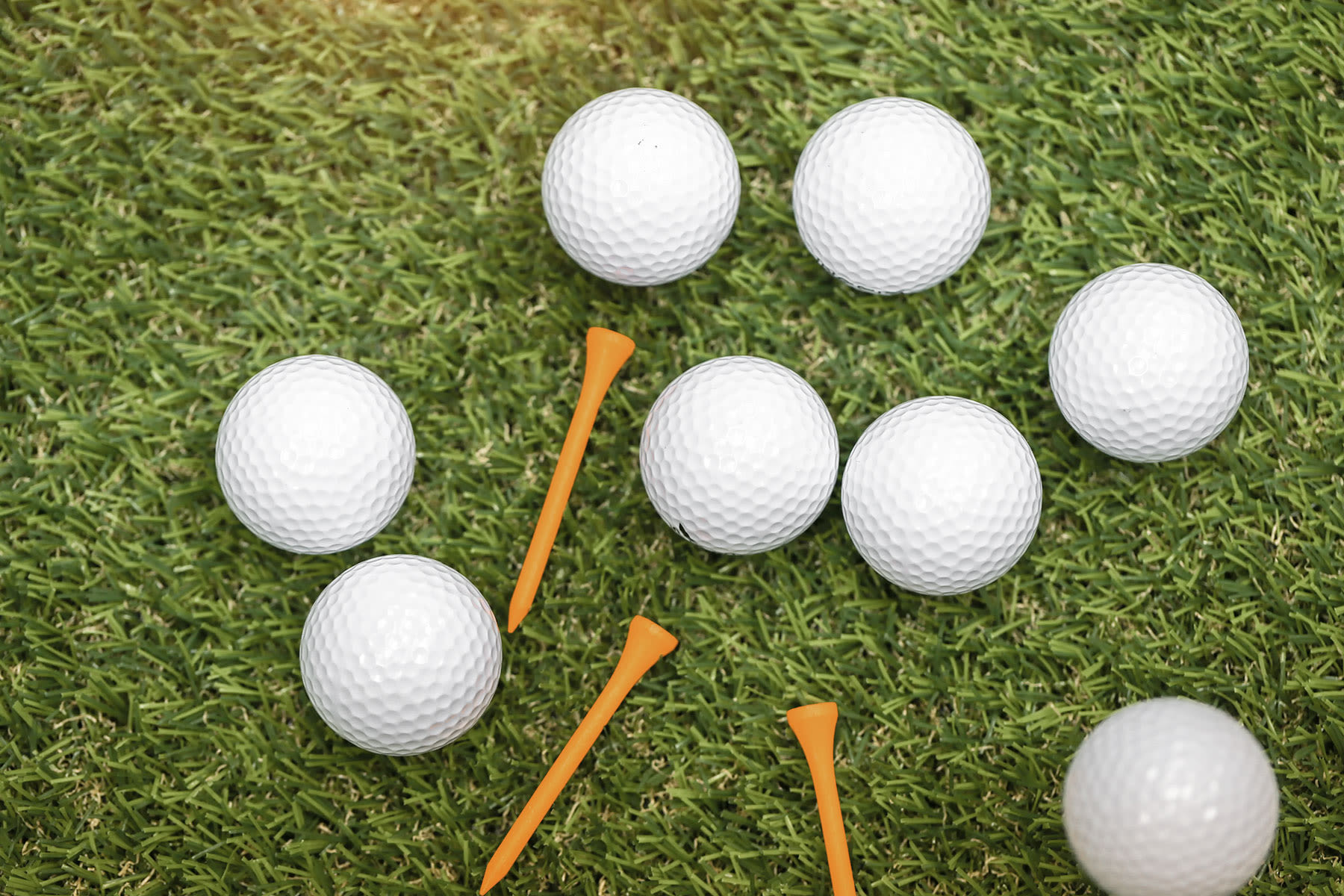
Knowing how to know what golf ball is right for you starts with the basics. Golf balls differ by construction, cover material, compression, dimple pattern, and spin characteristics. Each difference affects feel, trajectory, distance, and control.
Core construction
- Two-piece: solid core and durable cover. Best for distance and durability.
- Multi-layer (three, four, or five-piece): adds a soft feel and control around the green.
Cover material
- Surlyn or ionomer: tougher, cheaper, lower spin on irons.
- Urethane: softer, more spin on short shots and better feel for putting.
Compression and swing speed
- Low compression helps players with slower swing speeds get more ball speed.
- High compression fits faster swings and players who generate high clubhead speed.
Spin and trajectory
- Higher spin helps stop the ball on greens but can reduce driver distance for slower swings.
- Lower spin gives more roll and often more driver distance for mid and slower swing speeds.
Dimples and aerodynamics
- Dimple design affects lift and drag. Different patterns tweak launch and carry in subtle ways.
When you want to know how to know what golf ball is right for you, these building blocks guide every good decision. I use them every time I test a new ball on the range and on the course.

How to know what golf ball is right for you: a step-by-step testing and fitting plan
Follow this clear plan to figure out what golf ball fits your game. Keep tests simple and repeatable so results really count.
Step 1 — measure your swing speed
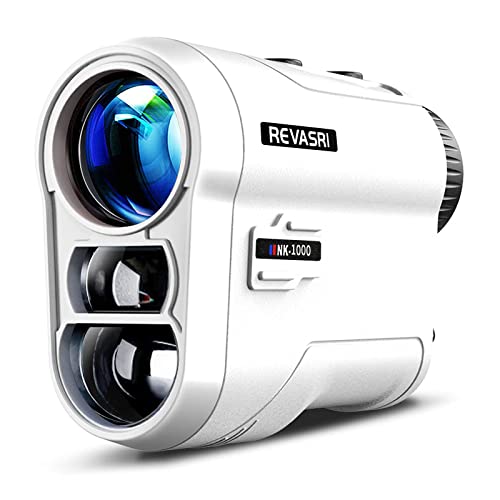
- Use a launch monitor at a fitting center or a simple radar device at the range.
- Note driver speed and average clubhead speed with irons.
Step 2 — identify your priorities
- Distance with driver, greenside spin, feel on putts, or durability.
- Pick two priorities so you can trade off when necessary.
Step 3 — match ball type to swing speed and priorities
- Slow swing speed (under about 85 mph): low to mid compression, focus on distance.
- Mid swing speed (85–105 mph): mid-compression, balanced distance and control.
- Fast swing speed (over 105 mph): higher compression, urethane covers for spin control.
Step 4 — do a simple on-course test
- Take 3–4 different ball types to one round. Play at least three holes with each ball.
- Track driver carry, approach shot stopping, and putting feel. Note how often you miss greens and how long putts feel.
Step 5 — use a launch monitor if available
- Compare ball speed, spin rate, launch angle, and carry distance.
- Look for the ball that gives consistent carry and the spin profile you want around the green.
Inline answers to common quick concerns
You may wonder if low compression always helps distance. Not always — low compression helps slower swings but can reduce control for faster swings.
You might ask whether a urethane ball is only for pros. Urethane benefits many mid and low handicappers who want more spin and feel.
If you worry about cost, testing inexpensive two-piece balls first is a smart move.
From my experience testing dozens of models, a short structured test like this clears up confusion fast. When you repeat it, you’ll see patterns that tell you how to know what golf ball is right for you.

Recommendations by player type and goals
Below are practical guidance and example traits to look for. These help when deciding how to know what golf ball is right for you.
Beginners and high-handicap players
- Look for two-piece, durable covers and low to mid compression.
- Prioritize distance and forgiveness over spin control.
Casual weekend players and mid-handicappers
- Consider mid-compression, three-piece balls with balanced spin.
- Seek better feel on the green without losing too much driver distance.
Low-handicap and competitive players
- Prefer multi-layer urethane balls with higher spin on short shots.
- Prioritize control, spin, and workability over pure distance.
Players with slow swing speeds
- Choose lower compression balls designed to compress easily at impact.
- Focus on maximizing ball speed for more carry.
Players who want more greenside spin
- Select urethane covers and multi-layer construction.
- Test wedge spin on a wedge shot from 60 yards to judge stopping power.
Players who want maximum driver distance
- Pick low-spin, firmer-core balls if you have mid to high swing speed.
- If you have a slow swing, look for low compression with a forgiving cover.
Example testing checklist to follow
- Measure driver carry and total distance for each ball.
- Measure approach shot stopping distance on the green.
- Evaluate putting feel on short putts from 3–10 feet.
- Track results over at least 9 holes to reduce variance.
When you ask how to know what golf ball is right for you, match ball traits to your swing and goals, and test in real conditions. My setup of comparing three balls over a 9-hole loop usually reveals a clear favorite.

Common mistakes to avoid and practical tips
Avoid these pitfalls to shorten the learning curve on how to know what golf ball is right for you.
Common mistakes
- Switching balls every hole — you need repeatable samples.
- Picking only on price — expensive doesn’t always mean better for your swing.
- Ignoring feel and putting — feel can affect confidence and scores.
Practical tips
- Keep a simple log: ball model, hole scores, and notable shots.
- Retest after equipment changes, like a stronger driver or new irons.
- Don’t worry about pro models; many recreational players do better with mid-tier balls.
Personal lesson
I once switched to a low-spin ball chasing extra driver distance. It cost me wedge control and three-putts. The right ball gave me consistent approach shots and better scoring even if I lost a few yards off the tee.

Frequently Asked Questions of how to know what golf ball is right for you
What core factors determine the right ball for my swing?
Match swing speed, desired spin, and feel. Compression, cover type, and construction all respond to those three factors.
How do I test balls without a launch monitor?
Play 9 holes using three different balls, track carry with rangefinder or estimate, and note approach stopping and putting feel.
Will a more expensive ball always lower my score?
Not always. A pricier ball can help if it matches your swing and priorities; otherwise a cheaper ball may be better.
How many different balls should I test at once?
Test no more than three models in a single session to keep comparisons simple and reliable.
How long does it take to find the right ball?
With structured testing, you can identify a good fit within one or two 9-hole sessions. Deeper fitting with a launch monitor is faster and more precise.
Conclusion
Choosing the right golf ball is a mix of science and on-course feel. Measure your swing speed, decide what you want most—distance, control, or feel—then test a few clear options with repeatable methods. Small changes in ball type can produce real improvements in approach shots and putting. Try the testing plan here, keep a simple log, and make choices based on data and how the ball feels to you. Ready to improve your scores? Pick one ball to test for a month, track the results, and share your findings or questions below.