How To Hit A Golf Ball With An Iron: Step By Step Tips
Use a neutral grip, solid stance, ball slightly forward, and strike down through the ball.
I’ve taught and played golf for years, and I’ll walk you through exactly how to hit a golf ball with an iron. This guide breaks down setup, swing mechanics, common mistakes, drills, and course tips in plain language. Read on for step-by-step advice, simple drills, and real-life tips that will help your iron shots become more consistent and confident.

Essential setup: grip, stance, and posture
Good iron shots start with a repeatable setup. Your grip should be neutral — neither too strong nor too weak — with the V’s of both hands pointing between your right shoulder and chin. Stand shoulder-width apart for mid-irons and slightly narrower for short irons; widen your stance for long irons. Bend from your hips, keep your spine angle steady, tilt your knees slightly, and let your arms hang naturally.
Ball position and alignment
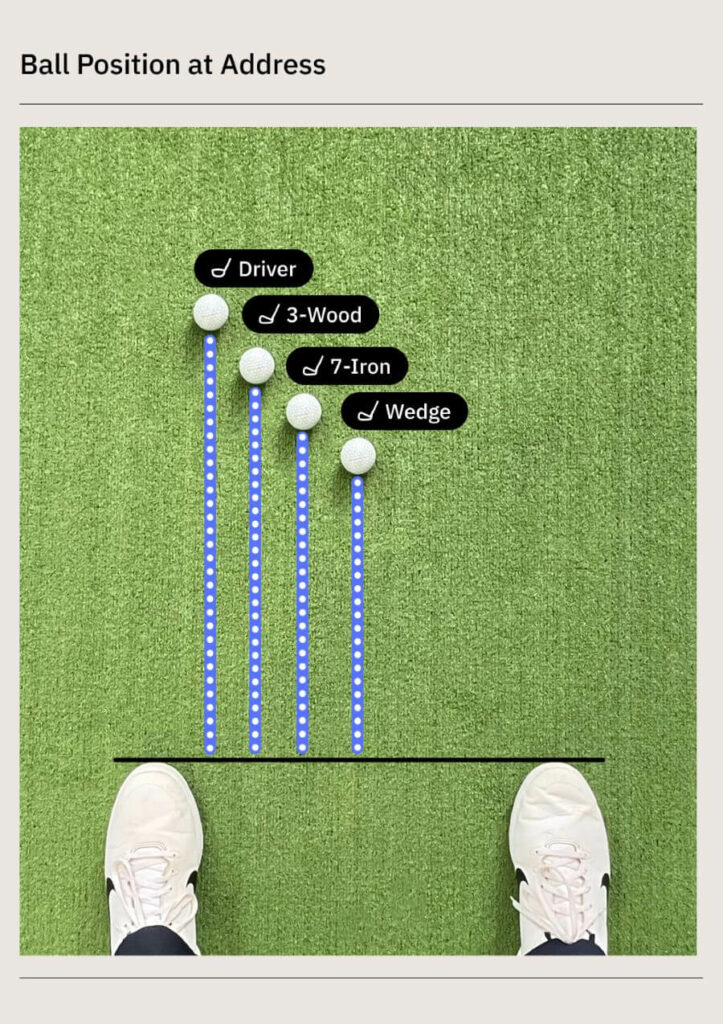
Ball position controls launch and turf contact. For short irons, place the ball in the center of your stance. For mid-irons, move the ball one club to the left of center (for right-handers). For long irons, place the ball slightly forward of center. Align your feet, hips, and shoulders parallel to the target line. Aim the clubface at your target, then square your body to that line.

The proper grip for iron shots
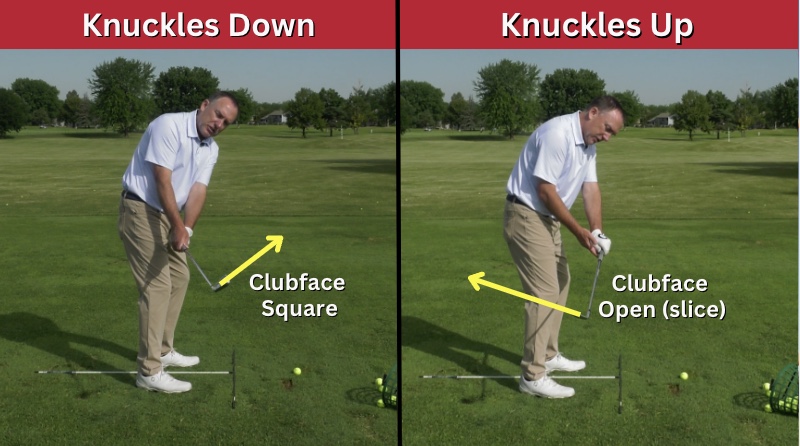
A solid grip helps square the clubface and control spin. Use either an overlapping, interlocking, or baseball grip — pick what feels secure and repeatable. Keep pressure light to moderate; too tight a grip kills tempo. The lead hand controls face angle; make sure the pad of your lead palm sits behind the handle so the face can return square.
Swing basics: takeaway, backswing, and transition
The iron swing is a one-piece motion that favors rhythm. Start your takeaway with the clubhead, hands, and shoulders moving together. Turn your shoulders on the backswing and hinge the wrists naturally as the club reaches waist height. Pause briefly at the top to sync your lower body. Transition by shifting weight to your lead foot and unwinding with your hips first.

Impact: how to hit down and compress the ball
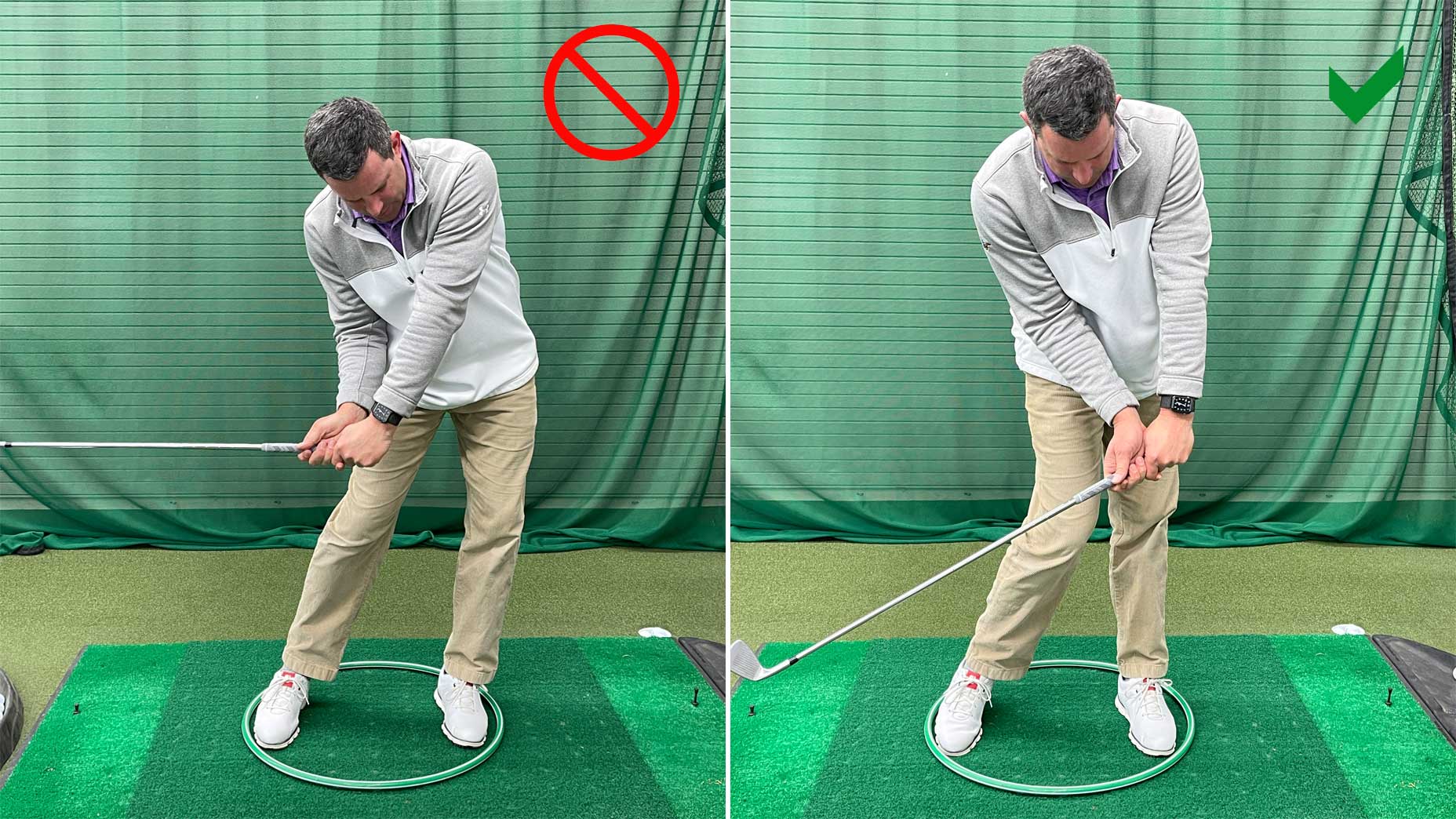
To hit a golf ball with an iron, you must strike down and compress the ball before the turf. Aim to contact the ball first, then the ground, leaving a shallow divot after impact. Keep your hands slightly ahead of the ball at impact to lower launch and increase control. A descending blow creates backspin and crisp feel, which is what separates good iron shots from thin or fat strikes.
:max_bytes(150000):strip_icc()/golf_club_ball_iron_141267254-56a3d2925f9b58b7d0d4002d.jpg)
Follow-through and balance
Finish your swing with a controlled follow-through. Let the club rotate fully; your chest should face the target and most of your weight should be on your front foot. Hold your finish for a beat to ensure balance. A balanced finish means you maintained control through impact and didn’t decelerate.
Choosing the right iron and ball for consistent shots
Club selection and ball choice affect distance, spin, and feel. Use higher-lofted irons for shorter, easier-to-control shots. Choose a ball with mid-to-high spin if you want stopping power on the green, but pair it with a solid iron strike to avoid excessive sidespin. Know your typical distances with each iron and pick clubs accordingly on course.
Common faults and quick fixes
Identify and fix these frequent problems when learning how to hit a golf ball with an iron.
- Chunked shots: Weight was back or you lifted your head. Fix by keeping weight forward and eyes steady through impact.
- Thin shots: Your swing bottom rose before the ball. Fix by practicing descending strikes and keeping hands ahead.
- Hook or slice: Face angle at impact is off. Fix by checking grip, clubface alignment, and path.
- Lack of distance: Poor compression or slow swing speed. Fix with better weight transfer and a stronger lower body turn.
Practice drills to improve iron contact
Simple drills build muscle memory and consistency.
- Tee drill: Place the ball on a low tee; try to hit the tee out of the ground with a descending blow to learn low-point control.
- Headcover drill: Lay a headcover a few inches behind the ball; swing so you miss the cover to avoid hitting behind the ball.
- Impact bag drill: Tap an impact bag or soft target to feel a solid, forward hand position at impact.
- Step-through drill: Start with a short swing and step your back foot forward at impact to train weight shift.
On-course tips: how to apply iron play under pressure
Course play is different from the range. Pick conservative targets when you’re unsure. Trust your routine and repeat the same setup for every iron shot. Visualize a landing spot and flight, not the flag. Manage risk: aim for the fat of the green, not the pin if hazards lurk.
PAA-style questions (quick answers)
How far should I swing with an iron?
Swing length depends on the club and your comfort. Use three-quarter swings for control and full swings for max distance; match swing length to the yardage.
Should I aim higher or lower with irons?
Aim for the green’s center unless you need to stop the ball quickly. Higher lofted irons land softer but carry shorter distances.
How do I stop slicing my iron shots?
Check your grip, clubface angle, and swing path. A weaker grip and an out-to-in path often cause a slice; strengthen the grip a bit and swing on a more inside path.
My experience and lessons learned
I used to thin and top many iron shots. A coach had me slow down and feel the hands leading into impact. That simple change cut thin shots by half in a month. I also learned that short, focused practice beats long, unfocused sessions. Track progress with a launch monitor or a friend to get honest feedback.
Limitations and when to seek a pro
Self-practice helps a lot but has limits. If you can’t find consistent contact after weeks of focused practice, book a lesson. A pro can spot setup flaws, coach tempo, and give drills tailored to you. Use video to review swings and track improvements.
Related concepts to master
Work on these areas to improve iron play overall.
- Tempo and rhythm: Consistent tempo makes contact reliable.
- Short game: Good iron play sets up easier chips and putts.
- Course management: Smart club choices lower scores.
- Fitness and flexibility: Better range of motion improves swing consistency.
Frequently Asked Questions of how to hit a golf ball with an iron
How should I grip the club for iron shots?
Use a neutral grip with moderate pressure. Make sure both V’s formed by your thumbs and index fingers point between your chin and lead shoulder.
Where should the ball be positioned in my stance?
For short irons, play the ball in the center. Move it slightly forward for mid-irons and a bit more forward for long irons to promote clean contact.
How do I create a descending blow with irons?
Shift weight to your front foot during transition and keep hands ahead of the ball at impact. Practice the tee and headcover drills to train low-point control.
Why do I hit fat shots with my irons?
Fat shots usually mean your low point is behind the ball. Check that you’re not leaning back at impact and try the headcover drill to correct it.
How often should I practice iron shots?
Short, focused sessions three to four times a week beat long, unfocused practice. Work on contact and tempo for 20–30 minutes per session.
Final thoughts
Mastering how to hit a golf ball with an iron takes focus, simple drills, and honest feedback. Start with a solid setup, learn to hit down on the ball, practice targeted drills, and play smart on the course. Take one change at a time, track progress, and be patient — steady improvement beats quick fixes. Try the drills for two weeks, note the changes, and share results or questions in the comments.