How To Stop Scooping The Golf Ball: Fix Your Swing
Keep your hands passive, shift weight to your front foot, and hit down through the ball.
I’ve coached golfers for years and fixed many timing and contact problems. This guide on how to stop scooping the golf ball breaks down causes, setup fixes, drills, and a simple practice plan. Read on to get clear steps you can use on the range and course to hit crisp, descending strikes every time.
What scooping the golf ball means and why it happens
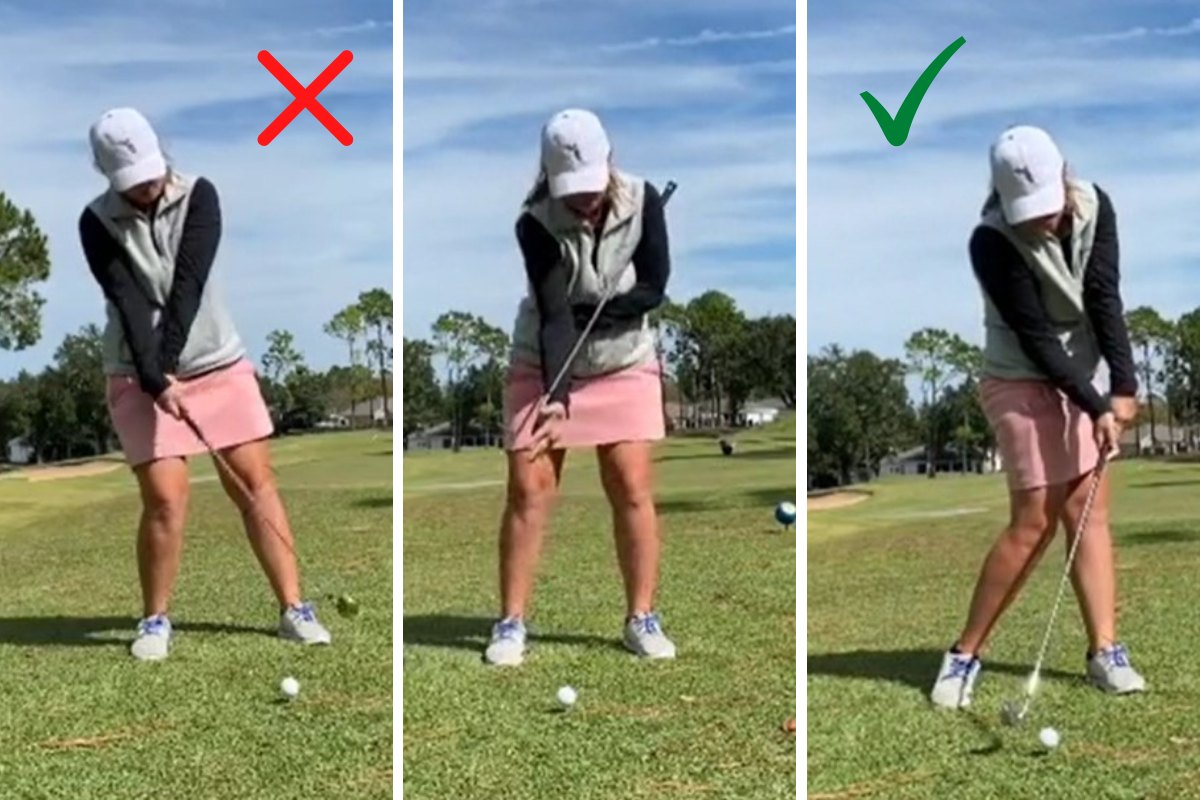
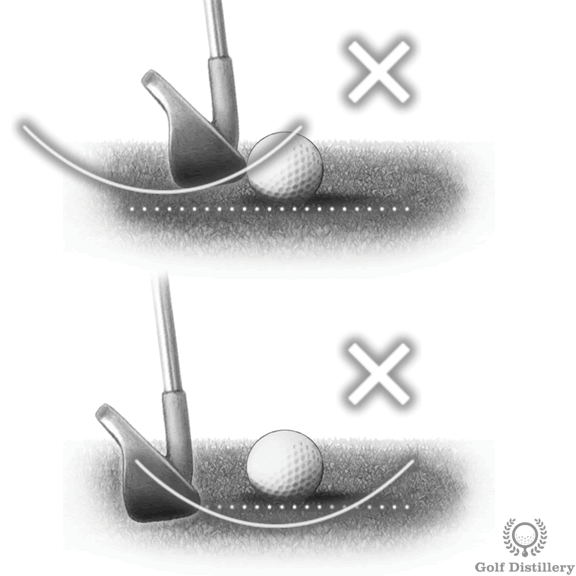
Scooping the golf ball means you lift the clubhead through impact and hit the ball thin or with an upward blow. That causes weak shots, low spin, and poor control. Scooping often shows up as a skyed iron, a fat chip, or a thin pitch.
Main causes of scooping
- Early release or flipping the wrists at impact.
- Lifting the head or upper body to watch the ball.
- Ball position too far forward for the club.
- Weight left behind on the back foot at impact.
- Poor swing sequence that hands overtake the body.
Why solving this matters
- Better contact makes distance more predictable.
- Ball flight and spin improve.
- Short game scoring gets easier.
- Confidence grows on approach shots.
how to stop scooping the golf ball starts with small, clear fixes. Focus on one issue at a time and practice the drills below to build new muscle memory.
Setup checks: simple fixes that prevent scooping
A good setup makes scooping much less likely. Check these points every time you address the ball.
Grip and wrist set
- Hold the club with a neutral grip. Too weak or too strong can change release.
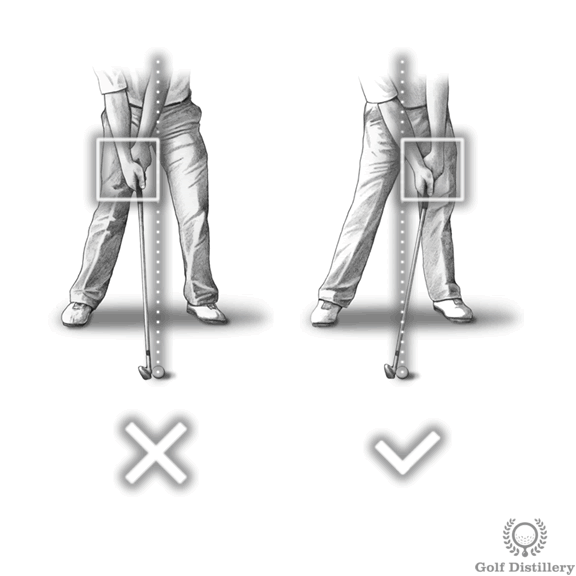
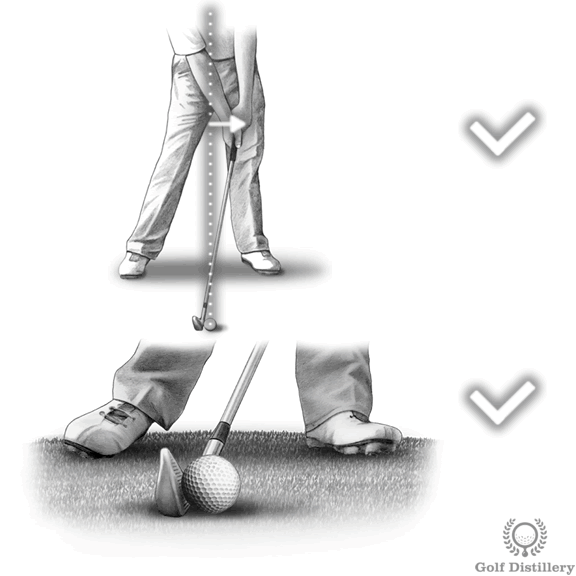
- Set a slight forward shaft lean for short irons. This encourages a downward strike.
Ball position and stance
- Place the ball centered or slightly back of center for wedges and short irons.
- Move the ball slightly forward for longer irons. Too far forward invites scooping.
Weight and posture
- Start with 55/45 weight on the front foot for iron shots.
- Keep a slight flex in the knees and spine tilt from the hips.
- Keep your chin up enough to allow your shoulders to turn.
Small setup habits prevent big scoop problems. Check these each time you practice.

Step-by-step swing fixes: how to stop scooping the golf ball
Follow a simple sequence to rebuild your impact pattern. Keep each step short and repeatable.
- Make a balanced takeaway
- Turn shoulders and keep the hands low for the first few inches.
- A smooth takeaway keeps the club on plane and prevents early flip.
- Keep the wrist hinge on the backswing
- Create a natural wrist angle. Don’t let the wrists break early.
- A good hinge stores energy for a clean downward strike.
- Lead with the lower body on the downswing
- Shift weight to the front foot first. This creates forward strike.
- Think “hips then hands” to stop hands from rushing.
- Maintain a slight forward shaft lean at impact
- Hands should be ahead of the ball at contact for irons.
- This ensures a descending blow and avoids scooping.
- Hold your posture through impact
- Do not lift your head or chest to watch the ball.
- Keep your spine angle until after you see the shot.
- Control the release
– Let the hands release naturally after impact, not before.
- Avoid flipping the wrists at the bottom.
Use this sequence as a checklist during practice. Repeating it builds the feeling that stops scooping.

Drills to stop scooping the golf ball
These drills are easy to set up and work fast. Do them slowly at first, then speed up.
Towel under the arm drill
- Place a small towel under your lead arm and keep it there through the swing.
- This helps you keep the arms connected to the body and stops the hands from flipping.
Impact bag drill
- Hit into an impact bag or a soft pad. Focus on forward shaft lean at contact.
- The bag gives instant feedback if you scoop.
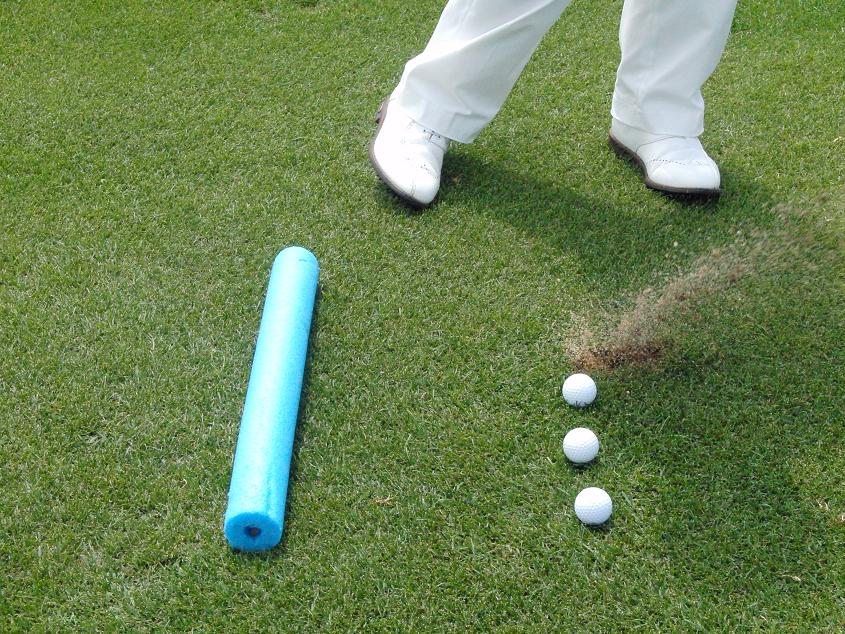
Line or stick on the ground
- Place an alignment stick angled from behind the ball toward the target.
- Practice hitting the ball then the stick. It trains a descending angle.
Slow-motion half swings
- Make slow half swings and focus on hip lead and steady head.
- This builds timing without speed pressure.
One-ball punch shots
- Punch one-ball shots off a tee with a short swing. Feel hands lead through.
- This creates a controlled, downward hit.
Do each drill for five to ten minutes. Repeat them across practice sessions to rewire the swing.

Practice plan: a 4-week routine to fix the scoop
A short plan helps you track progress. Spend three sessions per week on this routine.
Week 1: Feel basics
- 10 minutes: towel under arm.
- 10 minutes: slow half swings.
- 10 minutes: 30 easy full swings focusing on weight shift.
Week 2: Impact focus
- 10 minutes: impact bag work.
- 10 minutes: alignment stick hits.
- 10 minutes: punch shots and short irons.
Week 3: Speed integration
- 15 minutes: drills from weeks 1–2.
- 15 minutes: play simulated approach shots with target focus.
Week 4: On-course test
- 9 holes: focus only on contact and ball flight.
- 1 range session: fine-tune anything that felt off.
Track the ball flight and contact. If scooping returns, drop back to towel and impact bag work for a session.
Personal note
- I used this plan with a mid-handicap student who scooped long irons. After three weeks, his approach shots were higher quality and his scoring improved. Small, steady reps change the swing.
Equipment and ball flight: when gear contributes to scooping
Sometimes gear makes scooping worse. Check these items.
Shaft flex and length
- Too flexible a shaft can cause the hands to lag and then flip.
- Too long a club can change your setup and timing.
Club lie and loft
- A club that’s too upright or too flat changes contact point.
- Wrong loft can tempt you to scoop to reach distance.
Ball type
- Low-compression balls can feel soft and invite scooping to create flight.
- Try a firmer ball to help feel true contact.
Get a basic club check if changes don’t help. A fitting can rule out gear as the main issue.
Common mistakes and how to fix them
Focus on small, repeatable habits to avoid these errors.
Mistake: Lifting the head early
- Fix: Pick a spot on the ball to for your final gaze. Keep posture stable through impact.
Mistake: Hands lead too much before hips
- Fix: Practice hip-first downswing drills and weighted step drills.
Mistake: Ball too far forward
- Fix: Move ball back a half to one ball position for short irons.
Mistake: Trying to scoop for distance
- Fix: Trust the loft of the club and accelerate through the ball.
Catch these habits early. They are easy to fix with short daily practice.

Short PAA-style questions (quick answers)
Why do I scoop the ball with my irons?
You likely lift your head or flip your wrists. Work on weight transfer and a forward shaft lean to stop scooping the golf ball.
Does ball position cause scooping?
Yes. If the ball is too far forward, you can hit up on the ball. Move the ball back slightly for better contact.
Can a coach fix scooping quickly?
A coach can spot one or two key faults in one lesson. Then you need focused drills and reps to make the fix last.
Frequently Asked Questions of how to stop scooping the golf ball
What is the fastest way to stop scooping the golf ball?
The fastest way is to practice one simple drill, like the towel under the arm, and focus on weight shift. That builds the correct feel fast.
How does ball position affect scooping?
If the ball sits too far forward you will likely hit up on the shot. Move the ball back a bit and the club will strike down.
Should I change my grip to stop scooping?
A neutral grip helps but it is not the only fix. Work on body sequencing and impact position before changing grip significantly.
How long does it take to fix a scoop?
Most golfers see improvement in two to four weeks with focused practice. Consistent drills and on-course tests speed up the change.
Can equipment cause scooping?
Yes. A shaft that is too flexible or clubs that are the wrong length can affect timing. A basic club check can rule this out.
Conclusion
Fixing scooping is about timing, posture, and the right feel. Use the setup checks, step-by-step swing fixes, and drills in this article to rebuild your strike. Practice in short, focused blocks and test shots on the course to confirm real change. Try one drill today and track how your contact improves over one week. If you found this helpful, leave a comment, share your results, or subscribe for more tips on improving your golf game.