How To Hit Golf Ball Low: Pro Tips For Lower Shots
Shift your weight back, choke down the club, and swing more level to hit the ball low.
I’ve spent years coaching golfers and testing shots on the range, so I know how to hit golf ball low when you need a lower flight. This guide explains the setup, swing changes, club choices, drills, and course tactics you can use to keep the ball under the wind or under tree limbs. Read on for step‑by‑step tips, real tips from my experience, and simple drills that make low shots repeatable.
Why you might want to learn how to hit golf ball low
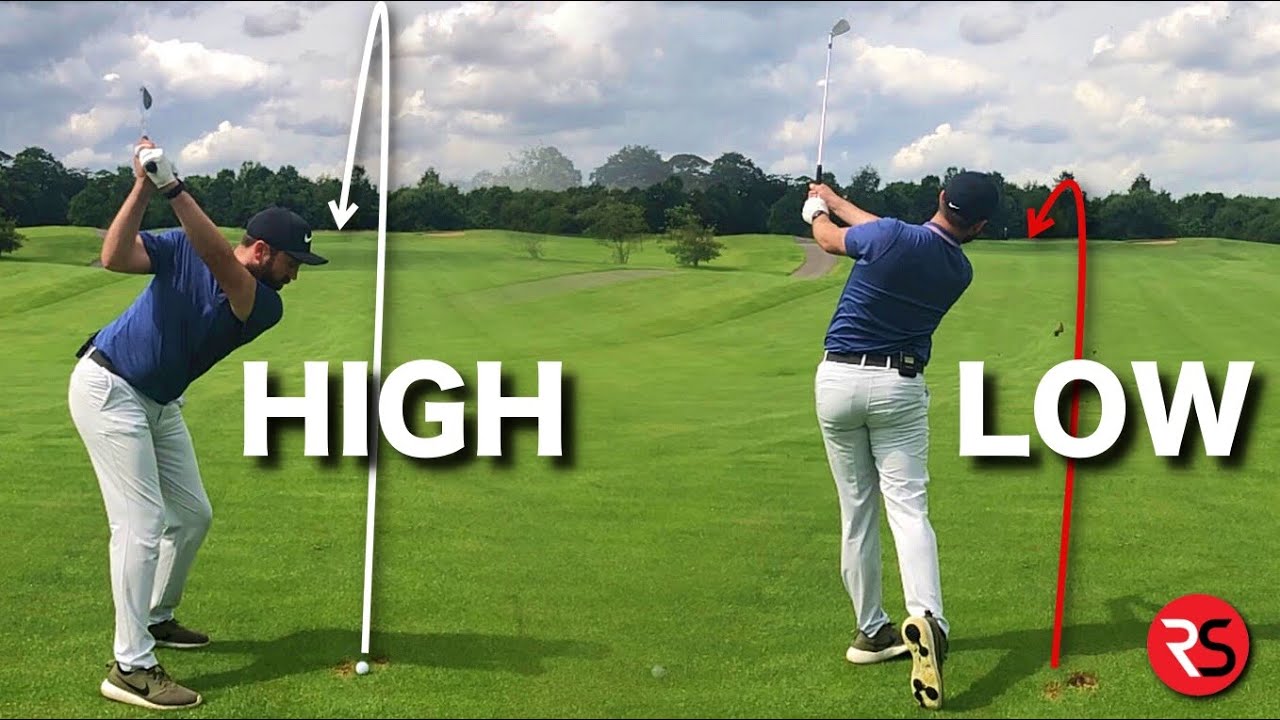
Low shots help in wind, under tree branches, and when you need more roll. They cut spin and height. That means you can control distance better on firm fairways.
From my time coaching players of all levels, I learned that many golfers try one trick and fail. Learning a set of simple, repeatable moves gives confidence. Practice the methods below and you will shape a reliable low ball.
Ball flight basics: what controls height and spin
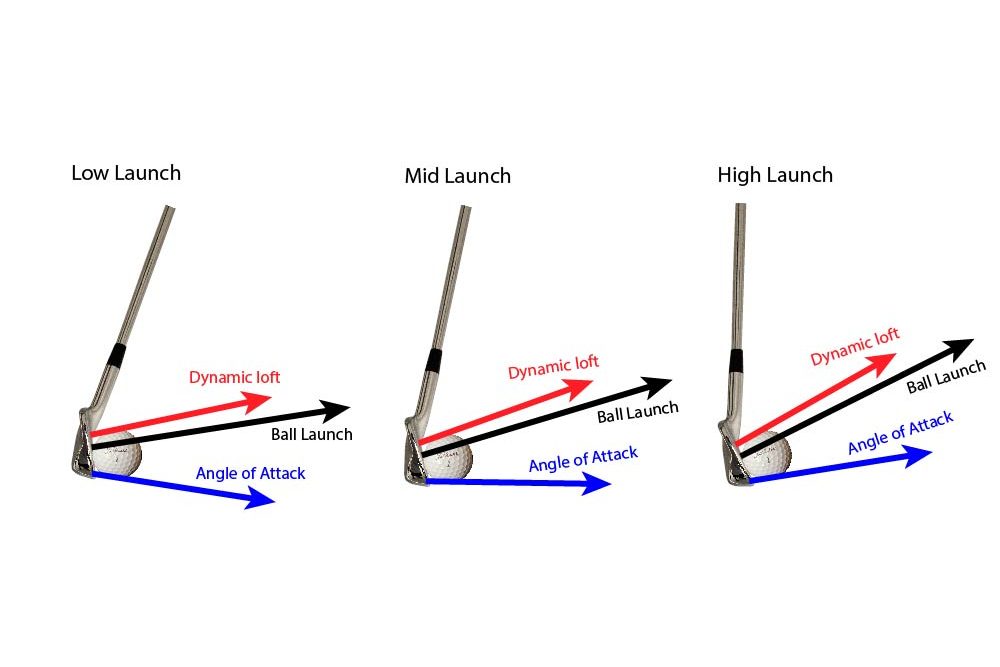
Height comes from loft, swing path, and angle of attack. More loft and upward strike make higher shots. A steeper, upward swing adds height and spin.
To lower the flight you must:
- Reduce loft presented at impact.
- Deliver a shallower, sometimes slightly descending angle of attack.
- Lower backspin by compressing the ball and hitting more solidly.
Understanding these basics helps you pick the right moves when you want to learn how to hit golf ball low. Small changes drive big effects on trajectory and roll.

Setup and stance to hit golf ball low
A consistent setup helps you hit low shots on demand. Make these clear adjustments.
- Ball position: Move the ball slightly back in your stance. This reduces the tendency to hit up and lowers launch.
- Stance width: Narrow your stance a touch. This limits hip sway and keeps the swing more level.
- Hands and club: Choke down one or two fingers on the grip. This reduces effective loft at impact and helps you hit lower.
- Weight distribution: Play with 55–60% weight on your back foot at setup. This encourages a more level or slightly descending strike.
I teach players to practice a baseline setup and then tweak. When I learned how to hit golf ball low, moving the ball back and choking down gave the fastest results.

Swing changes and shot shape for low ball flight
Small swing changes control launch and spin. Practice these in short reps.
- Backswing: Keep the backswing shorter. A compact shoulder turn limits clubhead speed and peak height.
- Forward swing: Swing more level and avoid an exaggerated upward follow-through. Think of brushing the turf or sweeping the ball.
- Angle of attack: Aim for neutral to slightly descending contact with irons. For woods, shallow the attack but avoid scooping.
- Clubface and path: Face slightly more closed at impact to compress the ball and reduce spin. Pair this with a square-to-inside path for a controlled, lower draw if desired.
When you first try these changes, expect lower distance. You will regain distance with better roll and stronger compression. I often tell students: aim for control first, then dial speed up.

Club selection and gear tips to hit lower shots
Your gear matters when you learn how to hit golf ball low. Choose wisely.
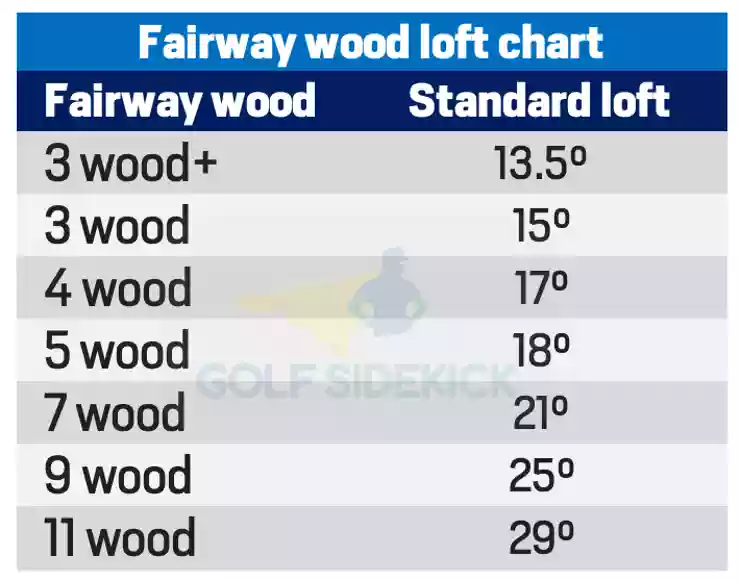
- Club choice: Use a stronger club (less loft) than normal for the same yardage. That naturally lowers trajectory.
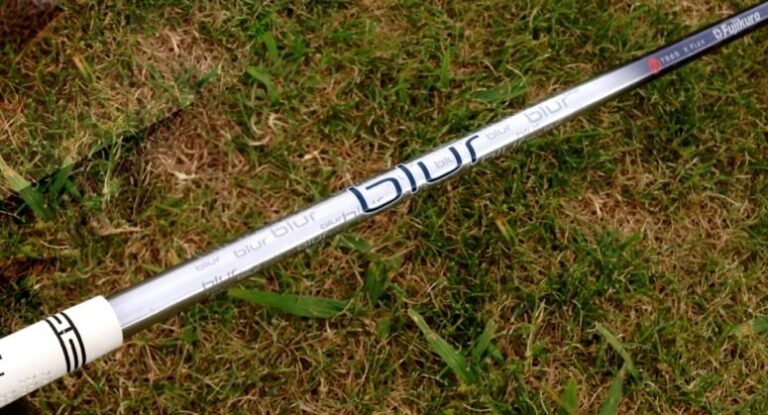
- Shaft flex and kick point: A stiffer shaft or a higher kick point tends to lower launch. Test on the range.
- Ball choice: Firmer, low-spin balls produce lower flight and more roll. Avoid high-spin tour balls when you need low.
- Loft modification: If allowed, playing a less-lofted wedge or using less lofted iron helps the low shot.
I recommend testing one change at a time. In my experience, swapping ball type and choking down gives quick wins.

Reading wind and course management
A low shot is a tactical tool. Use it when conditions favor it.
- Into the wind: Hit it lower to reduce wind effect and keep distance. A low, penetrating flight cuts wind drift.
- Downwind: You may not need it. A normal flight gives more carry and roll.
- Under obstacles: Use low shots to thread under tree branches or protective overhangs.
- Firm turf: Low shots run more. On firm fairways, you can hold back carry and let the ball roll.
I once saved a round by switching to low shots on a windy links course. It kept the ball under gusts and avoided nasty bounces.

Drills to practice how to hit golf ball low
Practice drills make low shots repeatable. Do these on the range.
- One-foot-back drill
- Place the ball back and move 60% weight to your back foot.
- Make half swings and focus on solid contact.
- This teaches a slightly descending strike for low launches.
- Choke-down punch drill
- Choke down on the grip by 1–2 inches.
- Take a half swing and stop low on the follow-through.
- Work on keeping hands ahead of the ball at impact.
- Tee height drill for woods
- Lower tee height and practice hitting the ball off a nearly level lie.
- This forces a shallower, lower-launching strike with fairway woods and drivers.
- Low follow-through ladder
- Make swings aiming to finish chest height or lower.
- Repeat in sets of 10 to ingrain a level swing plane.
I used the choke-down punch drill every week for a month. My low shots became more consistent and confidence grew.

Common mistakes and how to fix them
Avoid these pitfalls when learning how to hit golf ball low.
-
Mistake: Scooping the ball up
- Fix: Keep hands ahead at impact and make a level follow-through.
-
Mistake: Over-choking down
- Fix: Reduce only one or two fingers. Too much grip change hurts timing.
-
Mistake: Losing balance
- Fix: Keep a compact swing and maintain a steady lower body.
-
Mistake: Forgetting to test different balls
- Fix: Try firmer balls to get true feedback on trajectory and roll.
From experience, most players overcompensate. Slow practice and small tweaks beat dramatic overhauls.
PAA-style quick questions (short answers)
Q: Will choking down always lower launch?
A: Yes. Choking down reduces effective loft and tends to lower trajectory, but timing matters.
Q: Is a low shot less accurate?
A: Not if you control spin and path. A well-struck low shot can be very predictable.
Q: Should I change clubs in the wind?
A: Often yes. Use less loft or a lower-ball ball to keep the ball under gusts.
Frequently Asked Questions of how to hit golf ball low
What setup changes should I make to hit the ball lower?
Move the ball back slightly, choke down on the grip, narrow your stance, and put more weight on your back foot. These changes reduce loft at impact and encourage a lower launch.
How do I adjust my swing to keep the ball low?
Shorten your backswing, swing more level, and finish lower than normal. Aim for a neutral to slightly descending angle of attack and keep hands ahead at impact.
Which clubs and balls work best for low shots?
Choose stronger clubs with less loft and firmer, low-spin golf balls. A stiffer shaft or higher kick point can also help lower launch.
How can I practice low shots effectively?
Do short, focused drills like choking down, one-foot-back, and low follow-through repeats. Keep sessions short and track ball flight to learn what works.
Will hitting the ball low reduce my distance?
It can lower carry distance but often increases roll. On firm turf you may cover similar total yards. Focus first on control; speed comes later.
Can low shots help in windy conditions?
Yes. Lower trajectories cut through wind and reduce drift. They are a key tool for windy days and links-style golf.
How much should I choke down to hit low shots?
Choke down one or two fingers on the grip. Adjust gradually; too much change can hurt timing and feel.
Is it harder to stop the ball with a low shot?
Low shots generally spin less, so they stop less on greens. Use higher loft or more spin when you need to hold the green.
Should I change my practice routine to learn low shots?
Yes. Add specific drills and practice on a range with wind if possible. Track how each tweak changes launch, spin, and roll.
Are low shots suitable for beginners?
Beginners can learn basic low shot skills, but focus first on solid contact and consistency. Advanced control comes after basic swing repeatability.
Conclusion
Learning how to hit golf ball low gives you a powerful tool for wind, tight lies, and tricky course conditions. Start with small setup tweaks, choke down, and practice short, controlled swings. Use drills and test gear to find what works for your swing. Try one change at a time and track results. Get out to the range, practice the drills, and leave a comment with your progress or questions.