How Much Is A Golf Ball: Price Guide And Savings Tips
A new golf ball typically costs between $1 and $5, depending on brand, type, and quantity.
Choosing the right ball starts with understanding what drives its price. I’ve tested dozens of models on the course and at the range, and in this guide I’ll explain how much is a golf ball, why prices vary, and how to pick the best ball for your game and budget. You’ll get real-world tips, clear price ranges, and buying strategies to save money without losing performance. Read on to decide which ball gives you the most value on every swing.

Typical price ranges: how much is a golf ball in real dollars
Golf ball pricing is simple to break into four common tiers. Knowing these tiers helps you match cost to need.
- Budget practice balls: about $0.50 to $1.25 per ball when bought in bulk. These are great for driving range sessions and practice drills.
- Mid-range recreational balls: about $1.50 to $3.75 per ball. They balance feel and durability for weekend players.
- Premium consumer balls: about $3.75 to $5.00 per ball. These offer better spin, control, and feel for scoring shots.
- Tour and pro-level balls: $4.50 to $6.00+ per ball depending on model and where you buy. These are tuned for spin, short-game control, and elite performance.
Across these tiers you can see how much is a golf ball varies by use. Buying by the dozen often reduces per-ball cost. Prices can also shift with sales, older-model discounts, and seasonal deals.
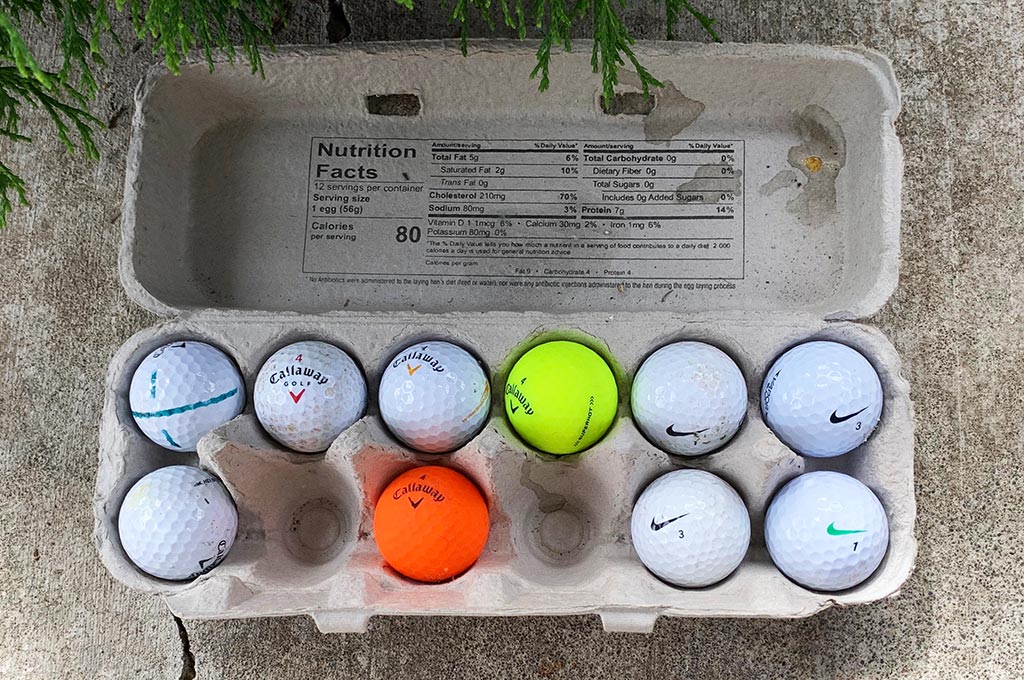
What makes golf balls cost more or less
Several factors affect how much is a golf ball. Understanding them helps you choose wisely.
- Construction layers: More layers usually mean a higher price. Two-piece balls favor distance and durability. Three- and four-piece designs add spin control and feel and cost more.
- Cover material: Surlyn covers are durable and cheap. Urethane covers feel softer and spin more on short shots, which raises the price.
- Compression rating: Lower-compression balls feel softer and suit slower swings. High-compression balls can cost more when designed for faster swings.
- Brand and marketing: Big brands charge premiums for name recognition and tour usage. Sponsorships and pro endorsements add to retail price.
- Technology and R&D: New materials and aerodynamic dimples cost money to develop and increase retail prices.
- Packaging and bundles: Fancy packaging or single-ball blister packs typically increase per-ball cost compared to bulk dozen boxes.
Knowing these factors explains why golfers often ask how much is a golf ball and then find a wide price range. Match features to your play style, not just brand prestige.
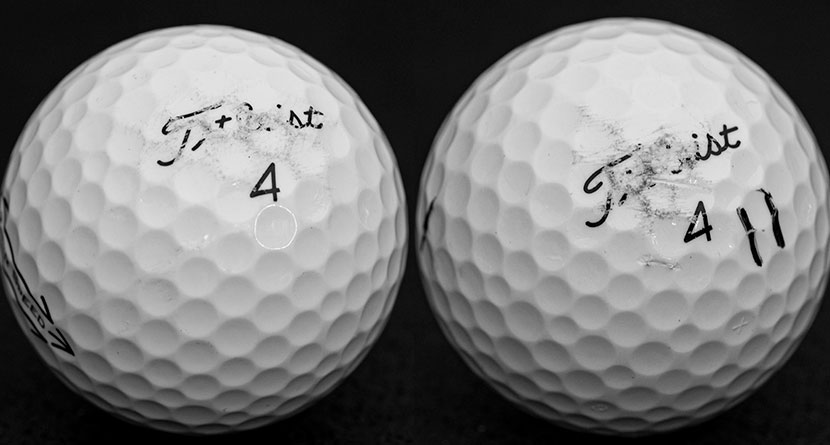
Cost by ball type: distance, soft, tour, and recycled
Different types of balls are designed for different goals. Each type answers a slightly different version of "how much is a golf ball" based on performance.
-
Distance balls
- Typical price: $1.50 to $3.75 per ball.
- Designed to reduce spin off the driver and maximize roll. Great for beginners and high-handicap players.
-
Soft/low-compression balls
- Typical price: $2.00 to $4.50 per ball.
- Prioritize feel and short-game control for slower swing speeds.
-
Tour/performance balls
- Typical price: $3.75 to $6.00+ per ball.
- Offer high spin, tight dispersion, and premium feel. Favored by low-handicap and professional players.
-
Practice and range balls
- Typical price: $0.50 to $1.75 per ball.
- Durable and cheap, made for repetitive hitting.
-
Recycled or used balls
- Typical price: $0.25 to $2.00 per ball depending on grade.
- Eco-friendly and budget-friendly. Quality varies by grade and seller.
When you ask how much is a golf ball for your bag, consider where you play and how often you lose balls. Buying recycled or mid-range balls for everyday play and saving premium balls for rounds where scores matter is a strong, cost-effective strategy.
Where to buy and smart buying tips to lower cost
Where you buy affects how much is a golf ball and how much you keep in your wallet. Use these simple tips.
-
Retail options
- Golf pro shops: higher prices but immediate availability of demo and specialty balls.
- Big-box stores: good deals on packs and seasonal discounts.
- Online retailers: widest selection and frequent sales on older models.
- Local classifieds and club swaps: often great for recycled balls.
-
Buying strategies
- Buy older models or last year’s colors to save 20–40 percent.
- Purchase by the dozen or in bulk to reduce per-ball cost.
- Try single demo balls before committing to a dozen.
- Track loss rate: if you lose many balls, shift to cheaper options for practice.
-
Warranty and return policies
- Check return terms when buying expensive dozens. Some sellers allow returns for unused balls.
These choices directly affect how much is a golf ball in practice. Spend intentionally: save on practice balls and invest in better balls when performance gains matter.

Are expensive balls worth the extra cost?
This is the core question most golfers ask when they wonder how much is a golf ball. The short answer: it depends on your goals and consistency.
-
Performance versus price
- Premium balls help skilled players gain control and spin around the greens. For mid- and high-handicap players, the extra performance may not translate into better scores.
- If you miss short shots often, a premium ball won’t fix swing fundamentals. It can, however, offer better feedback for practice.
-
My personal test and lessons learned
- I tested premium and mid-range balls over several rounds and on the launch monitor. I saw small dispersion and spin benefits with premium balls, mostly noticeable on wedge shots and around the greens. My distance gains were marginal at the driver.
- Lesson: If your short game and accuracy are consistent, a premium ball can be worth the extra $1–$2 per ball. If you lose a lot of balls, consider saving premium balls for low-loss rounds and using cheaper balls for practice.
-
Cost-effectiveness tips
- Rotate balls: use premium for tournament play, mid-range for casual rounds, recycled for practice.
- Don’t assume higher price always equals better fit. Try multiple models to find what matches your swing.
Deciding how much is a golf ball for you means weighing performance needs against cost and loss rates.

PAA-style common questions inside the guide
-
What is the cheapest way to buy golf balls?
- Buying bulk practice packs or recycled balls is the cheapest route. Look for clearance deals and bundle discounts.
-
Do golf balls lose performance over time?
- Yes. Repeated strikes and exposure to heat and water can reduce compression and spin. Replace balls used often for scoring after several rounds.
-
How often should I replace my golf ball?
- Replace scoring balls when you see scuffs, compression loss, or changed feel—typically every few rounds if used seriously. For practice, only replace when heavily damaged.
Environmental and real-cost considerations
Real cost isn’t just the sticker price. Consider loss rates and environmental impact when asking how much is a golf ball.
-
Cost of lost balls
- If you lose 2–4 balls per round, your per-round ball cost rises. Multiply ball cost by average loss to find true expense.
- Example: losing two premium balls at $4.50 each means $9 per round added to costs.
-
Environmental impact and recycling
- Recycled balls extend life and reduce waste. Buying recycled balls often lowers how much is a golf ball for the planet and your wallet.
- Some premium ball pieces are recyclable or reused in industrial processes.
-
Local course and etiquette
- Always avoid retrieving balls from protected water habitats for environmental reasons. Respect course rules about ball recovery.
Factoring losses and recycling options gives a clearer picture of how much is a golf ball over the long term.

Practical buying checklist: save money and play better
Use this short checklist when deciding how much is a golf ball to buy and which type to choose.
- Know your loss rate per round.
- Match ball type to your swing speed and short-game needs.
- Buy mid-range for most players; save premium for scoring rounds.
- Try samples or single balls before buying a dozen.
- Consider recycled balls for practice and bulk buying for ranges.
Following this checklist helped me reduce annual ball costs while improving on-course feel during important rounds.
Frequently Asked Questions of how much is a golf ball
How much is a golf ball for beginners?
A typical beginner should expect to pay $0.50 to $3.00 per ball depending on whether they buy recycled, practice, or mid-range balls. Buying in bulk or choosing affordable practice packs is usually the best value.
How much is a golf ball on average per dozen?
Average prices range from $12 to $50 per dozen depending on the type. Mid-range recreational dozens often sit near $24 to $36.
How much is a golf ball if I buy premium tour models?
Premium tour models commonly cost $45 to $60 per dozen, or about $3.75 to $5.00 per ball. Special editions or player-endorsed models can cost more.
How much is a golf ball when bought used or recycled?
Recycled balls typically cost $0.25 to $2.00 per ball based on grade and condition. They offer large savings and are often fine for practice and casual play.
How much is a golf ball lost on average per round?
Average loss varies by player and course. Many casual players lose 1–3 balls per round, while beginners on wooded courses may lose more, increasing the effective cost per round.
Conclusion
Choosing how much is a golf ball comes down to matching price, performance, and how you play. For practice, go cheap or recycled. For competitive rounds, test premium options to see if the extra cost improves your scoring. Track your ball loss and rotate balls by scenario to balance cost and performance. Try a few models, keep a simple checklist, and make informed choices that fit your game and budget. Share your experience below or subscribe for more gear guides and money-saving golf tips.