How To Stop Pulling The Golf Ball: Fix Your Slice Fast
Fix your aim, path, and face—simple setup and swing drills stop pulling the golf ball.
As a coach and lifelong player, I know how frustrating it is when you keep pulling shots left. This guide on how to stop pulling the golf ball blends real coaching experience, simple drills, and easy-to-follow setup checks. Read on and you’ll learn step-by-step fixes for alignment, swing path, clubface control, equipment tips, and a practice plan you can use today to stop pulling the golf ball for good.
Why you pull the golf ball: common causes and quick diagnosis
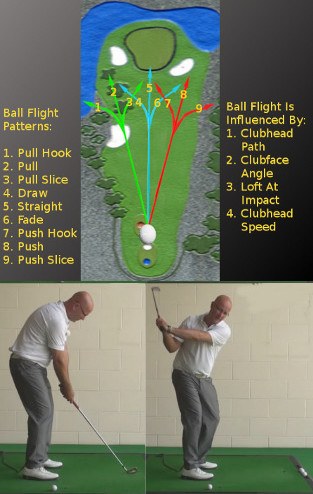
Pulls come from a few simple faults. Pinpointing the most likely causes makes correction fast and lasting.
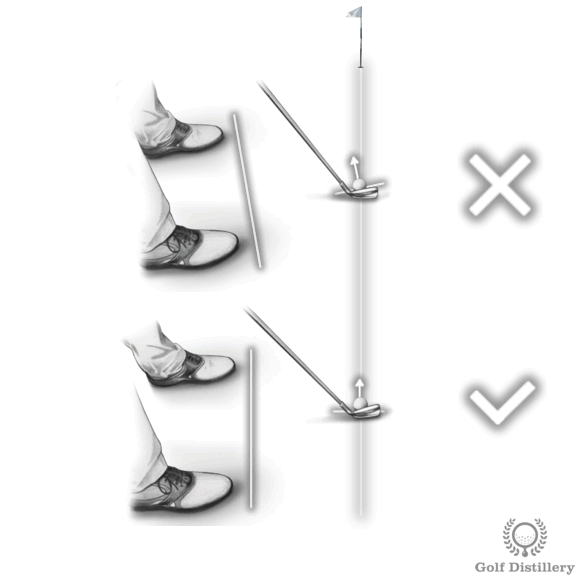
- Alignment problems
- Aim left of the target and you will pull the golf ball even with a good swing.
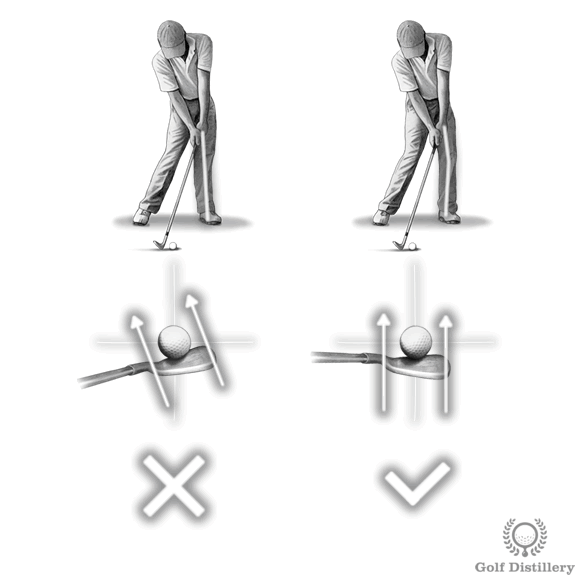
- Swing path too much from inside to out or outside to in
- An outside-to-in path with a closed face often creates a pull.
- Clubface closed at impact
- A clubface aimed left at impact will turn many shots into pulls.
- Poor weight shift or early extension
- Hanging back or standing up can shut the face and pull the ball.
- Grip and wrist action
- A strong grip or early release can close the face and pull shots.
How to stop pulling the golf ball starts by checking these items one by one. I always test alignment first. Most golfers think they aim straight but actually point left. Checking these basics saves hours of wrong practice.

Setup and alignment fixes to stop pulling the golf ball
Simple setup changes fix many pulls immediately. Try these steps before changing your swing.
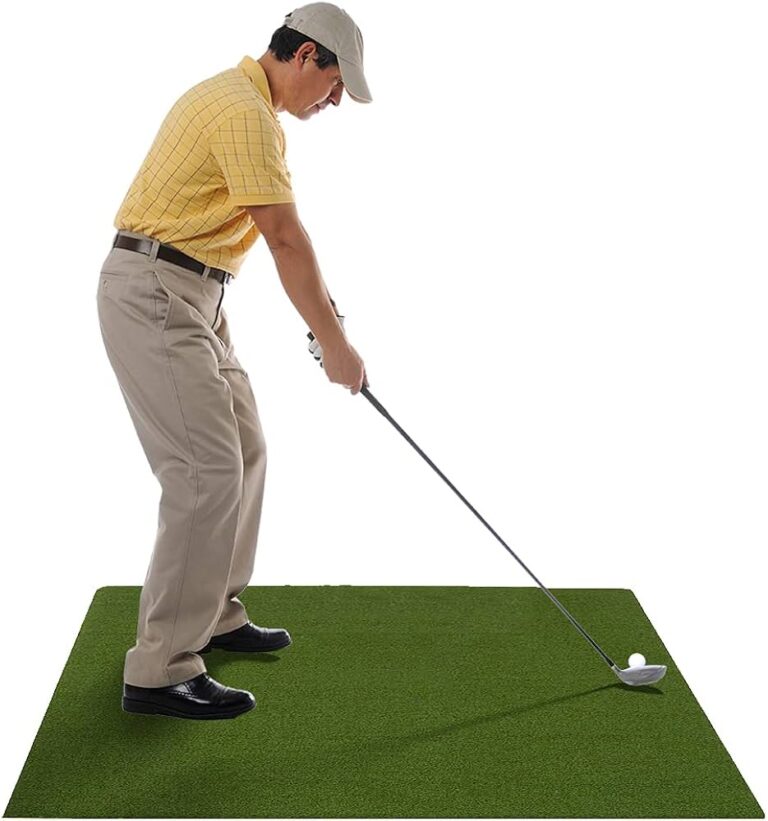
- Square your feet and shoulders to the target line
- Use a club on the ground to check feet, hips, and shoulder alignment.
- Aim at a small target
- Pick a blade of grass or leaf. A precise aim makes a big difference.
- Ball position and posture
- Keep the ball in the correct position for the club and maintain a slight spine tilt.
- Neutral grip check
- Hold the club so you see two to three knuckles on your left hand. A too-strong grip closes the face.
- Pre-shot routine
- Walk your line and align each shot the same way every time.
I often tell students to take their address position, close their eyes, then open and check where their clubface points. That quick test reveals a closed face more often than you'd think. These tweaks alone reduce many pulls.
Swing path and clubface control: the real mechanics
Stopping the pull means controlling the path and the face at impact. Both must work together.
- Path vs. face explained
- Pulls happen when the face is closed relative to the path and the path is inside-out or neutral but face-closed.
- Promote a slightly in-to-out path for drivers, neutral for irons
- Too much in-to-out can create hooks. For many golfers, a small in-to-out helps straighten the ball.
- Feel the release, not force it
- Use video or mirror checks
- Short video helps see if the club is coming over the top or the face is closed.
From my coaching, players who learn a simple gate drill see the path change in one session. The key is a repeatable feel. Focus on the relationship: if the path is fine, work the face; if the face is fine, adjust the path.

Key drills to stop pulling the golf ball
Consistent drills make new habits stick. Do these drills in short bursts during practice.
- Alignment stick drill
- Place one stick pointing at the target and another along your toe line. Practice hitting shots while keeping both sticks parallel to your stance and target.
- Headcover or tee gate
- Put two tees or headcovers slightly wider than your clubhead a few feet in front of the ball. Swing through the gate without hitting them to promote a square path.
- Wall drill for hip turn
- Stand with your back near a wall. Rotate hips through the shot without bumping the wall to avoid early extension and pulling.
- Slow-motion impact drill
- Make slow swings focusing on the clubface square at impact. Repeat 20 times to build muscle memory.
- One-arm swings
- Hit half shots with your left arm only (for right-handers) to learn a passive release and better face control.
When I taught a weekend clinic, the gate drill fixed pulls for most players in under an hour. Keep practice short and focused. Ten minutes of quality drills trumps an hour of random hitting.
Equipment, ball flight, and when to fit gear
Sometimes gear nudges your ball left. Check these items before making big swing changes.
- Shaft flex and kick point
- A shaft too stiff or too soft can alter release timing and face control.
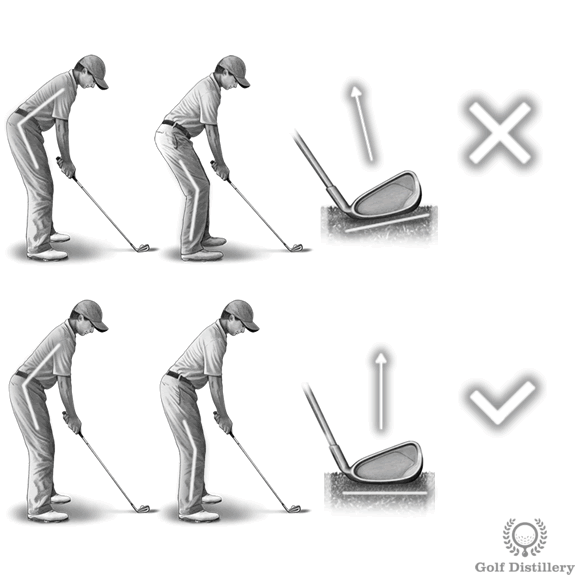
- Lie angle
- An upright lie can pull the ball left, especially with long irons and woods.
- Grip size
- Too-large grips make a player use stronger wrist action and close the face.
- Ball type and spin
- High-spin balls can exaggerate shot shapes. Try a lower-spin ball to reduce exaggerated pull curvature.
- Get fitted if persistent
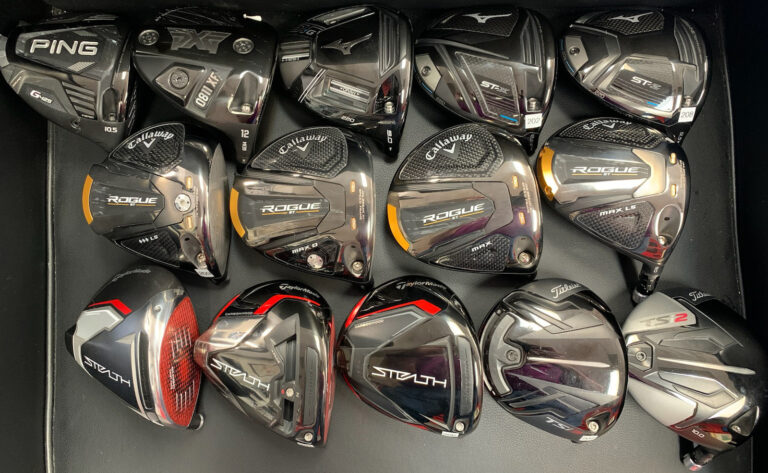
- A club fitting can reveal hidden causes. If you still pull after basics, consider a fitting session.
From my own experience, testing a slightly more neutral grip and a firmer shaft reduced my left misses by shifting my release timing. Equipment alone rarely fixes bad habits, but it can help refine results.
Practice plan: a week-to-week routine to stop pulling the golf ball
A short, clear plan beats aimless range sessions. Try this 4-week plan.
Week 1: Setup and alignment focus
- Spend 15 minutes each session checking aim and grip.
- Use alignment sticks and correct ball position.
Week 2: Path and face drills
- Add gate and slow-motion impact drills.
- Practice with half shots to build the feel.
Week 3: On-course simulation
- Play 9 holes focusing on target alignment only.
- Use pre-shot routine and pick two holes to test changes.
Week 4: Combine and refine
- Mix full swings, short game, and course play.
- Track results in a notebook. Note misses and adjust drills.
Track progress with video and a simple chart. Write date, club, and miss direction. Small wins compound. I coached a player from a persistent pull to a neutral ball flight in six weeks using this plan.

Common mistakes and how to avoid them
Avoid these traps that often make pulls worse.
- Changing too many things at once
- Tackle one fix at a time to figure out what works.
- Over-rotating or trying to hit harder
- Power often increases bad timing. Keep tempo smooth.
- Ignoring short game and course play
- Bad habits show up under pressure. Practice under realistic conditions.
- Relying only on feel
- Use video or a coach to confirm changes. Feel can be misleading.
I once tried to fix setup and swing path at the same time. That created more confusion. Focus on one element, practice it, then add the next. That approach sped my improvement and reduced frustration.

Quick PAA-style questions golfers ask
Why do I keep pulling my drives?
You likely have a closed clubface at impact or aim left. Check your alignment and face angle with a slow-motion swing or video.
Will changing my grip stop pulling the ball?
A neutral grip can help if your grip is too strong. Try easing off the rotation of the hands and test with short swings.
Can alignment sticks really fix a pull?
Yes. Alignment sticks create a visual check that quickly corrects aiming errors and stance. Use them on every range session.

Frequently Asked Questions of how to stop pulling the golf ball
What is the fastest way to stop pulling the golf ball?
The fastest fix is checking your aim and clubface at address. Use an alignment stick, and make short swings focusing on a square face.
How does grip affect pulling the golf ball?
A strong grip rotates the face closed at impact. Move your hands slightly toward neutral and test with half swings to reduce pulls.
Are my hips or body turn causing the pull?
Yes. Early extension or over-rotation can close the face. Practice drills that keep posture and promote a smooth hip turn.
Should I change my equipment to stop pulling the golf ball?
Only after basic setup and swing checks. A fitting helps if the problem persists, especially for lie angle or shaft flex issues.
How long does it take to stop pulling the golf ball?
With focused practice, many golfers see improvement in days and measurable change in weeks. Consistency matters more than time.
Conclusion
Stopping a pull starts with simple checks: aim, grip, and a square clubface. Combine focused setup work, targeted drills, and a short practice plan to build a repeatable swing. Be patient and fix one thing at a time. Try the drills above, track your shots, and test changes on the course. If you want steady progress, commit to short, focused practice sessions for a few weeks and note the difference. Leave a comment about which drill helped you most or subscribe for more practical tips on improving your ball striking.