How To Hit The Golf Ball Lower: Proven Low Ball Tips
Lower your launch by delofting the club, moving the ball back, and compressing the shot.
I’ve spent years coaching golfers and testing shots on the range and course, so I know exactly how to hit the golf ball lower when you need a controlled, wind-busting trajectory. This guide breaks down the why, the what, and the how of lowering flight—simple setup tweaks, swing changes, equipment tips, drills you can use today, and real-world lessons from my own play. Read on to master practical steps for hitting the golf ball lower with confidence and consistency.

Why you might want to hit the golf ball lower
Lower shots help in strong wind, under tree limbs, and when you need more rollout on the green. A lower flight means less time in the wind and more control on firm turf.
Lower shots also reduce backspin and often produce more roll. This is useful on tight courses, firm fairways, or when you must keep the ball below gusty winds.
Knowing how to hit the golf ball lower gives you one more tool in your bag. You can shape strategy around conditions instead of being forced to play one type of shot.
Fundamentals that control ball height
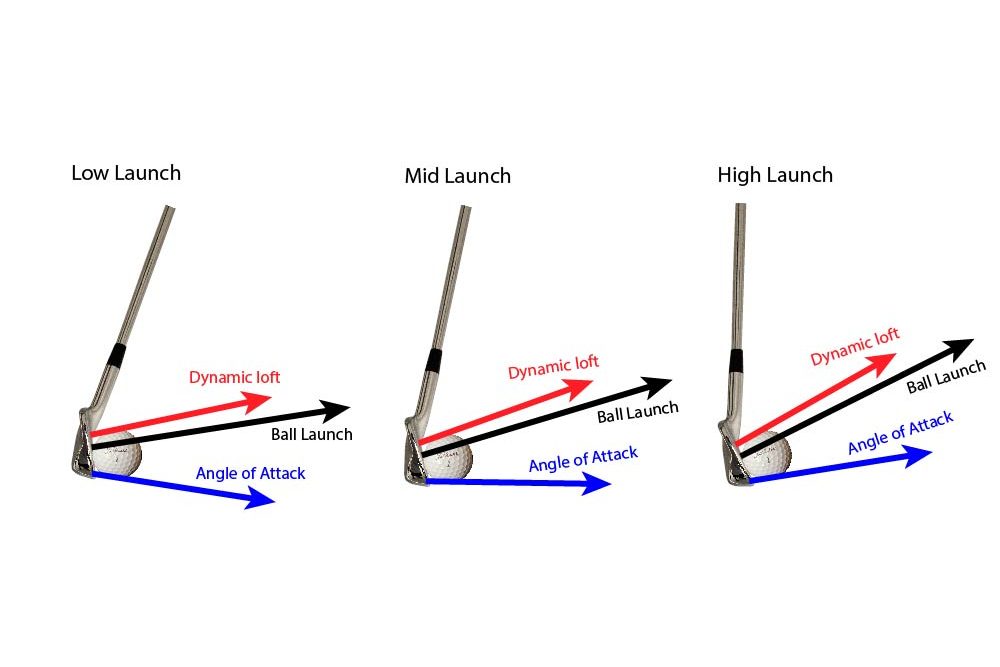
Ball height is driven by launch angle and spin rate. Both come from club loft, angle of attack, and where the ball sits in your stance.
Key factors that determine height:
- Club loft: More loft equals higher launch. Lowering effective loft lowers flight.
- Angle of attack: A steeper downward strike lowers launch and can lower spin.
- Ball position: Moving the ball back reduces launch angle.
- Hands and shaft lean: Hands ahead of the ball at impact de-loft the clubface.
- Ball compression and club speed: Better compression often lowers spin and can flatten trajectory.
Understand these basics before changing technique. Changes that lower launch can also reduce carry distance, so balance trade-offs.
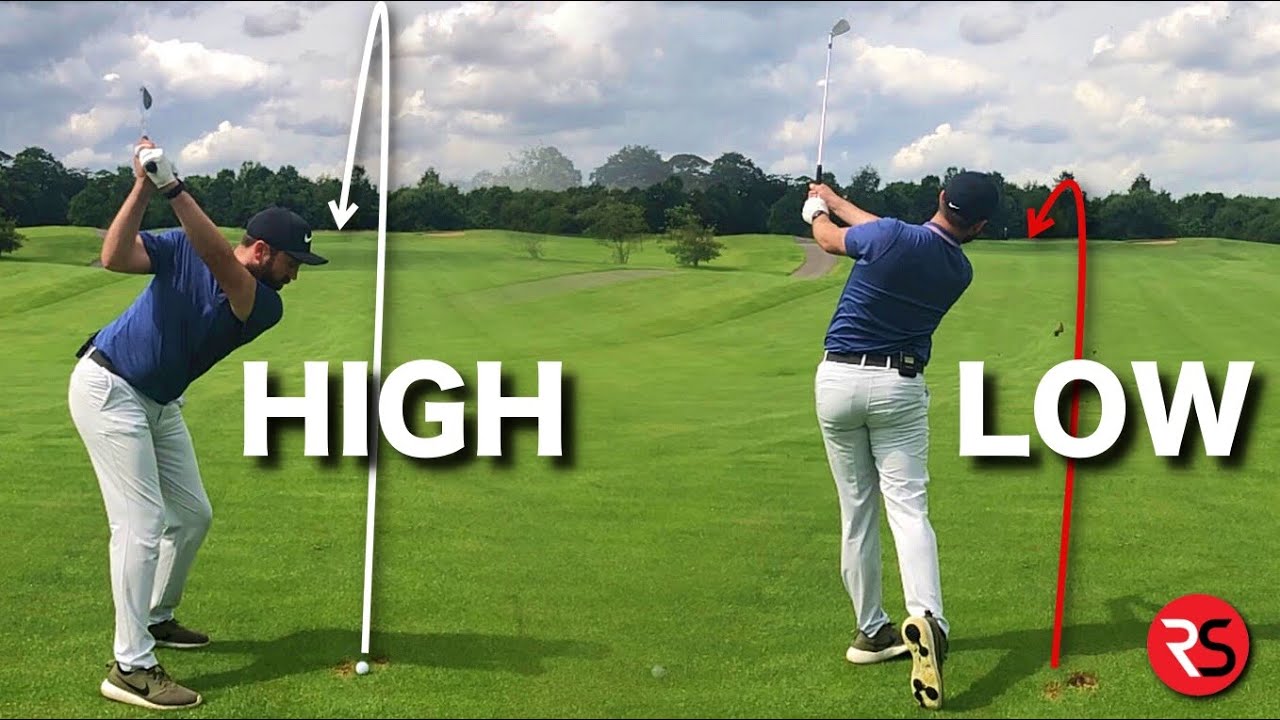
Step-by-step technique to hit the golf ball lower
Follow a clear routine to produce a repeatable lower shot.
-
Setup
- Position the ball slightly back in your stance compared to a normal full shot.
- Move your weight a touch more to your front foot.
- Tee it lower for drivers and fairway woods; for irons, use the same ball height but more forward compression.
-
Grip and hands
- Grip the club normally but set your hands slightly ahead of the ball at address.
- Maintain forward shaft lean through impact to keep the clubface delofted.
-
Swing path and tempo
- Make a controlled, slightly shorter backswing to keep speed steady.
- Maintain a smooth tempo and focus on a descending blow for irons.
-
Finish
- Hold your impact position briefly to make sure you compressed the ball.
- Avoid scooping or flipping the wrists through impact.
Practice these steps slowly, then speed up as the motion becomes natural. This is how to hit the golf ball lower without losing balance or control.

Drills that teach you how to hit the golf ball lower
Drills build muscle memory quickly. Try these simple ones on the range.
Towel drill
- Place a towel a few inches behind the ball. Practice compressing the ball without hitting the towel. This encourages a downward, compressing strike.
Punch shot drill
- Take a three-quarter swing with a controlled finish and keep your hands forward. This creates a lower trajectory and trains a more compact motion.
Impact bag or gate drill
- Hit an impact bag or make a gate with tees. Focus on holding forward shaft lean into the bag. This reinforces delofting the club at impact.
Low-tee driver drill
- Tee the driver low and make a controlled swing to hit the ball off a lower tee. This trains striking the ball with a lower launch and encourages hitting down slightly.
Repeat each drill in short sets of 6–10 shots to ingrain the feel of how to hit the golf ball lower.

Equipment and ball choices for a lower ball flight
Equipment can help or hurt your lower shot goals. Adjust gear when needed.
Ball selection
- Choose a lower-spin ball if you want less peak height and more roll. Be aware you may lose spin around the greens.
Club selection and loft
- Use a lower-lofted club when appropriate, or de-loft a club slightly by adjusting grip and ball position.
- Consider adjustable clubs to reduce loft for windy rounds.
Shaft and fitting
- A stiffer shaft can reduce spin and feel firmer, which may help lower trajectory for some players.
- Get fit if you frequently need to hit the golf ball lower; small changes in loft and lie can make big differences.
Proper fitting is worth the time if lowering trajectory matters in your regular play.

Common mistakes when trying to hit the ball lower and how to avoid them
Many golfers try to force a low shot and end up with poor contact. Avoid these errors.
Flipping or scooping at impact
- The fix: focus on forward shaft lean and a descending strike. Use the towel drill.
Moving the ball too far back
- The fix: small adjustments work best. Move the ball only an inch or two back and test.
Choking down or gripping too tight
- The fix: keep your normal grip pressure and maintain clubhead speed to avoid losing distance.
Overcompensating with swing speed
- The fix: keep tempo controlled. Faster swing with poor mechanics increases spin and height.
Address these mistakes slowly; gradual change keeps results repeatable.

When to use a low shot
Knowing when to play low matters as much as knowing how.
Windy days
- Use a low shot to keep the ball under gusts and gain control.
Under trees or low obstacles
- A punch or low trajectory lets you advance the ball without hitting branches.
Firm fairways and approaches
- Lower shots can produce more roll and better distance control on firm turf.
Short game options
- Use a low-run approach when the green is firm and you need rollout toward the pin.
Choose the low option when conditions or course design reward a lower flight.

Personal experience: what worked for me
I learned how to hit the golf ball lower playing links-style courses. Wind was constant, and high shots vanished.
What I changed
- I moved the ball back a hair, kept hands forward, and used a more compact swing. My drives and long irons flew straighter and rolled more.
- I practiced the towel drill for weeks. My impact consistency improved and I stopped flipping at the ball.
Mistakes I made
- I once tried to force low shots by swinging harder. That increased spin and made the ball balloon. Lesson: tempo beats power.
Try short, consistent practice sessions. Small changes add up quickly when you focus on feel and impact.
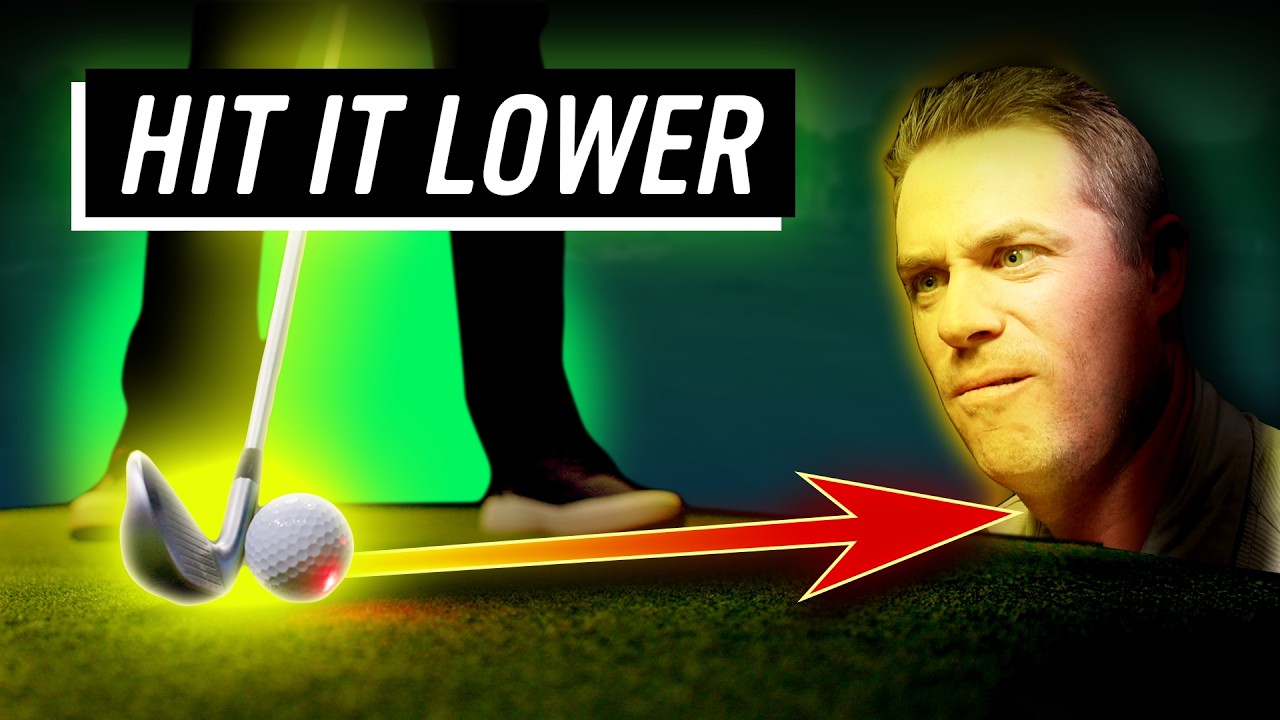
Frequently Asked Questions of how to hit the golf ball lower
What is the easiest way to hit the golf ball lower?
Move the ball slightly back in your stance, tilt weight forward, and keep hands ahead at impact. These simple setup changes lower launch quickly.
Will lowering my tee height help me hit the golf ball lower?
Yes. Lowering tee height for tee shots reduces launch angle and can lower spin when combined with forward shaft lean and a controlled swing.
Does ball selection affect how to hit the golf ball lower?
Yes. Low-spin balls often fly lower and roll more, but they may reduce stopping power on greens, so use them selectively.
How much should I change my swing to hit lower shots?
Make small, repeatable changes: compact swing, forward shaft lean, and a descending blow. Major swing overhauls usually reduce consistency.
Can I hit a low shot with any club?
Yes. You can hit a low shot with any club by adjusting ball position, clubface loft at impact, and swing path. Practice each club to learn feel and distance.
Conclusion
Lowering your ball flight is a practical skill that improves scoring in wind, under obstacles, and on firm turf. Focus on simple setup changes—ball position, forward shaft lean, weight distribution—and practice targeted drills like the towel and punch shot. Test equipment tweaks if you play in windy conditions often, but prioritize repeatable impact mechanics first.
Try one change at a time during practice. Track how each tweak affects carry, spin, and roll. If you want more help, leave a comment with your swing details or subscribe for drills and video tips.