How To Address A Golf Ball: Setup Tips For Better Putting
Stand square, ball between your feet, eyes over the ball, relaxed grip, aim at target.
I’ve coached golfers and spent years practicing setup on the range and course, so I know how to address a golf ball correctly. This guide breaks down posture, ball position, alignment, grip, and drills so you can apply simple fixes and hit more consistent shots. Read on to learn the exact steps I use with students and the small changes that bring big gains.
Why addressing the ball matters
How you address the ball sets the foundation for every shot. A good setup creates a repeatable swing path, consistent contact, and predictable ball flight. If you struggle with thin shots, hooks, or slices, fixing how to address a golf ball is often the fastest way to improve.
The fundamentals: stance, posture, and balance
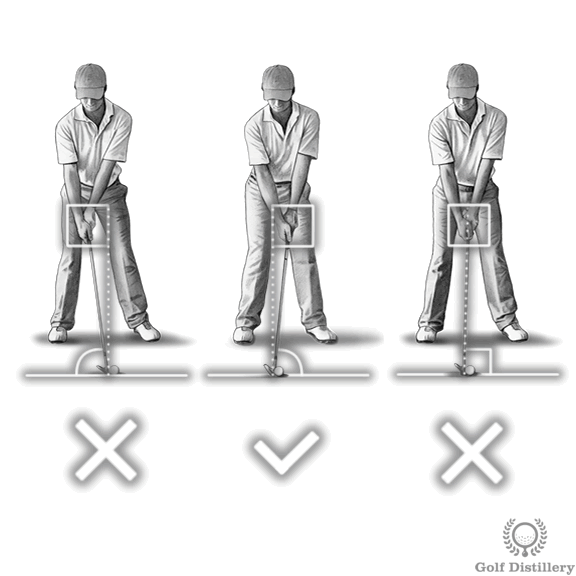
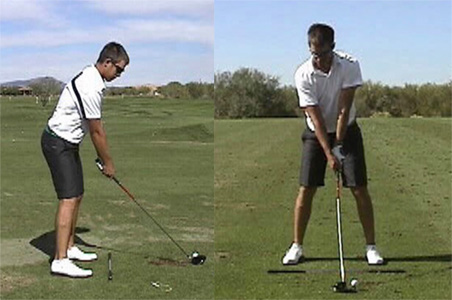
Start with a stable base. Stand with feet shoulder-width apart for most iron shots. Keep knees soft and bend slightly from the hips. Maintain a straight spine but tilt from the hips so your eyes are over the ball.
Keep your weight centered over the balls of your feet. A balanced stance helps you return to the same setup each time. Small changes in posture change clubface angle at impact, so practicing the basics of how to address a golf ball pays off fast.

Step-by-step: how to address a golf ball
Follow these clear steps every time before your shot.
- Stand behind the ball and pick a clear target line.
- Approach the ball and align your feet parallel to the target line.
- Place the clubhead behind the ball and set the ball position relative to your club.
- Grip the club with a relaxed pressure and check your wrist set.
- Tilt from your hips and bring your eyes over the ball.
- Check shoulders, hips, and feet are square to the target line.
- Breathe, settle your weight slightly toward the front foot for most swings, and make a smooth takeaway.
Repeat these steps on the range until the routine becomes automatic. I teach this same routine to all levels, and it reduces anxiety before a shot. Learning how to address a golf ball this way makes practice focused and efficient.
Ball position by club
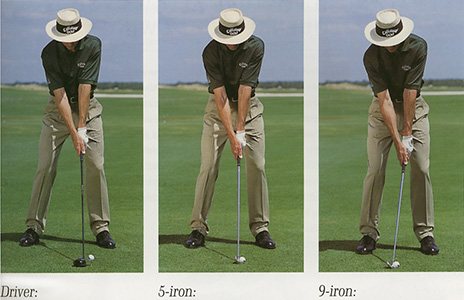
Ball position changes the low point and launch of the shot. Use this simple guide when practicing how to address a golf ball.
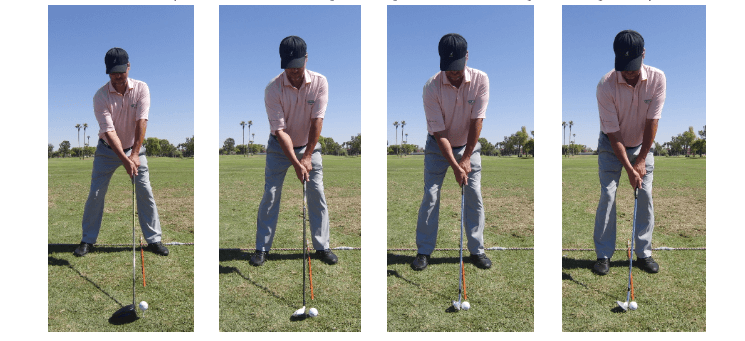
- Driver: Position the ball off the inside of your front heel to catch the ball on the upswing.
- Fairway woods: Move the ball slightly forward of center for higher launch.
- Hybrids: Play the ball just forward of center for a sweeping motion.
- Long irons (3-4-5): Ball slightly forward of center to shallow the angle of attack.
- Mid irons (6-7): Ball centered in your stance for solid contact.
- Short irons and wedges: Ball slightly back of center for crisp downward strikes.
Adjustments are small. Test one change at a time. When I changed my ball position for a 7-iron, my contact improved within a single practice session.

Alignment and aim: where to point your body and clubface
Alignment is a visual habit you must build. The clubface aims the ball. Your body aligns parallel to the target line. A reliable method to learn how to address a golf ball:
- Pick an intermediate target a few feet in front of the ball to aim your clubface.
- Square the clubface to that line first.
- Then align your feet, hips, and shoulders parallel to the same line.
- Use alignment sticks on the range to train the eye.
A common tip: aim your clubface first and your body follows. When golfers focus on body aim alone, they often leave the clubface open or closed at impact. Fixing this habit was a turning point in my coaching career.
Grip, hand position, and pressure
The grip connects you to the club. A neutral grip helps the clubface return square at impact. To refine how to address a golf ball with a better grip:
- Place the handle in the fingers, not the palm.
- Wrap the left hand so the V points to your right shoulder (for right-handers).
- Cover the right thumb with the left thumb.
- Hold with light to medium pressure; a death grip kills wrist hinge and speed.
I once fixed a student’s slice by loosening grip pressure and re-checking the left-hand placement. The change gave immediate results.

Common mistakes and quick fixes
Many errors happen during setup. Here are frequent faults when learning how to address a golf ball and how to fix them.
- Standing too tall: Bend more from the hips to improve spine angle and contact.
- Ball too far forward or back: Move the ball one small step until you find solid contact.
- Weight on heels or toes: Center over the mid-foot for better balance.
- Open or closed stance: Use alignment aids to square up your feet and shoulders.
- Tension in hands and arms: Shake out tension before setup and breathe.
I’ve seen beginners obsess over swing mechanics when 70% of their problem was a poor setup. Fix the address first.
Practice drills to master addressing the ball
Short drills help you lock in a good setup. Try these to practice how to address a golf ball.
- Mirror drill: Take your full setup in front of a mirror to check posture and spine tilt.
- Club-on-shoulders drill: Rest a club across your shoulders to ensure balanced posture.
- Alignment stick routine: Lay one stick at the target line and one along your feet to train aim.
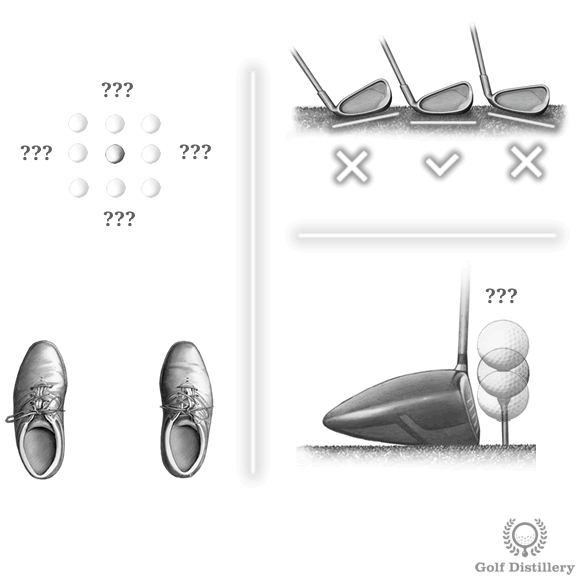
- Ball-position ladder: Place balls progressively forward and back to feel contact edges.
- One-minute routine: Repeat your full pre-shot routine for one minute to build consistency.
I use a timed routine with players. It teaches them to address the ball quickly and with focus.

Equipment and course adjustments
Your clubs and conditions affect how to address a golf ball. Adapt when needed.
- Longer clubs may need a wider stance and slightly forward ball position.
- Wet or windy conditions might change your setup to promote lower trajectory.
- Older shafts or worn grips can alter feel; maintain gear to keep setup consistent.
- On tight lies, place ball slightly back and shorten your swing for cleaner contact.
Knowing how to address a golf ball in different conditions is a sign of an experienced player.
Experience, common scenarios, and lessons learned
From coaching rounds to personal practice, here are honest lessons about how to address a golf ball.
- Consistency beats perfection: a simple repeatable setup outperforms complex tweaks.
- Small changes scale: tiny ball-position moves change launch, so tweak slowly.
- Routine reduces pressure: a reliable pre-shot routine helps under stress.
- Video feedback helps: filming your address and swing speeds up learning.
Early in my play I gripped too hard and stood too upright. Fixing those two things improved my strike and lowered my scores quickly. Apply small fixes one at a time when you practice how to address a golf ball.
Frequently Asked Questions of how to address a golf ball
How should my feet be positioned when I address the ball?
Feet should be shoulder-width apart for most shots, with slight variation for longer or shorter clubs. Keep weight centered and knees soft to maintain balance.
Where should my eyes be relative to the ball?
Your eyes should be over or slightly inside the ball to promote a consistent swing plane. Avoid standing too far behind the ball, which encourages an upright swing.
How do I know if my ball position is wrong?
If you hit thin, fat, or inconsistent strikes, ball position is likely off. Move the ball one small step forward or back and check results.
How tight should my grip be at address?
Grip pressure should be light to medium so wrists can hinge naturally. A relaxed grip increases clubhead speed and improves feel.
Should my shoulders be square to the target?
Yes, shoulders, hips, and feet should be parallel to the target line for most shots. Square alignment helps the clubface return square at impact.
Can addressing the ball fix my slice or hook?
Address adjustments can reduce slices and hooks by improving alignment and ball position. Combine address fixes with swing path work for best results.
Conclusion
Addressing the ball well is the single most reliable way to make fast, lasting improvements in your golf game. Use the step-by-step routine here, check ball position for each club, and practice the simple drills to build a calm, repeatable setup. Start small: focus on one element of how to address a golf ball each practice session, and measure progress over a week. Try the mirror and alignment stick drills this week, leave a note about what helped, and keep practicing—better setup equals better golf.