How Can I Stop Shanking The Golf Ball: Fix Your Shank Fast
Square your clubface, swing slightly inside-out, and rehearse simple path drills every practice session.
I’ve worked with golfers who could not stop shanking the ball until we focused on setup, club path, and simple drills. This guide dives into why shanks happen and exactly how can i stop shanking the golf ball with clear fixes, drills, and a step-by-step practice plan. I’ll share hands-on tips from coaching and my own rounds to help you stop shanking the ball and play with more confidence.

Understanding the shank: what it is and why it hurts your score
A shank is a shot struck by the hosel. The ball flies hard and right for a right-handed player. It often looks sudden and feels like a loss of control.
Shanks come from a few mechanical problems. Small faults at setup or during the swing create a wide swing path or an open face. If you wonder how can i stop shanking the golf ball, start by seeing the ball-strike location and path.

Common causes of shanking the golf ball
Here are the usual mechanical and mental triggers that explain how can i stop shanking the golf ball. Know the cause before choosing a fix.
- Poor ball position: Ball too far forward or back moves the impact zone toward the hosel.
- Outside-to-in club path: The clubhead comes across the ball and contacts the hosel.
- Over-rotated forearms or early extension: Hands move away from the body at impact.
- Too much lateral movement: Swaying or sliding shifts the body and alters geometry.
- Tension and fear: A nervous grip or early deceleration changes the swing path.
- Equipment issues: Extremely upright lie or wrong length can contribute in rare cases.

Immediate fixes you can try on the range
Try these simple steps to stop shanking the golf ball right away. Each drill is short and clear.
-
Gate drill with tees
- Place two tees slightly wider than the clubhead just in front of the ball.
- Practice swinging through the gate without hitting the tees. This trains a centered strike.
-
Towel drill for inside path
- Place a towel a few inches outside the ball and slightly behind it.
- Make swings without hitting the towel; this encourages an inside-to-out path.
-
Choke down and slow motion swings
- Hold the club a few inches down the grip.
- Make slow, controlled swings to feel the clubhead path and square face at impact.
-
Ball position check
- Move the ball slightly back or forward and hit short irons.
- Find the position where the clubface meets the ball on the sweet spot.
-
Hands-hold drill for face control
- Practice half swings focused on keeping the butt of the club pointing slightly left of target through impact for right-handers.
- This helps prevent an open face and hosel contact.
Use these drills for 10–15 minutes at the start of a practice session. If you ask how can i stop shanking the golf ball during a round, return to these basics and slow your swing.

Setup and swing adjustments that stop shanks
Small setup tweaks often deliver big results. Check each item below to reduce shanks.
- Grip and stance: Use a neutral grip and stand shoulder-width. A stable base controls path.
- Ball position: Place the ball under the center of your stance for short irons. Move slightly back if you shank.
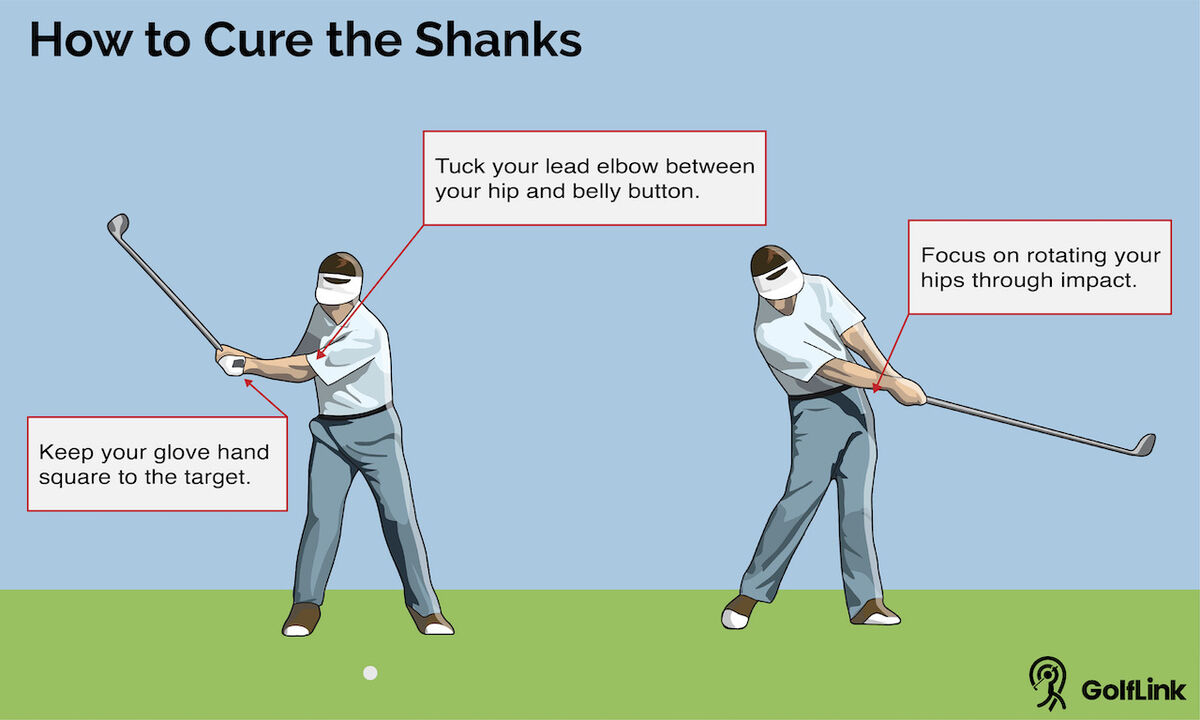
- Weight and balance: Keep weight centered to lead with the torso, not the hands. Avoid lateral swaying.
- Clubface control: Start each shot with a square clubface. Visualize the toe rotating slightly through impact.
- Swing path: Think inside-to-out on the downswing. Avoid an across-the-ball feel that brings the hosel into play.
From my coaching, the most common fix is a small adjustment to ball position paired with a gate drill. That combination reduced shanks for players I've worked with in a single session.
A simple 4-week practice plan to stop shanking the golf ball
Follow this plan to make changes stick. Practice three times a week for best results.
Week 1 — Basics and awareness
- 10 minutes of gate drill each session.
- 10 minutes of slow half swings focusing on face.
- 5 minutes of ball position checks.
Week 2 — Path and tempo
- 15 minutes on towel drill and inside path swings.
- 10 minutes of full swings with 7-iron, focus on balance.
- Record a few swings on video for feedback.
Week 3 — Transition to full shots
- 10 minutes of choke-down half swings for feel.
- 20 minutes hitting full shots, start with mid-irons then move to woods.
- Practice pre-shot routine and breathing to cut tension.
Week 4 — On-course simulation
- 30 minutes range work with same routine as on course.
- Play 9 holes focusing on pre-shot checks and safe clubs.
- Evaluate and repeat any drills that still show flaws.
Repeat the cycle and keep notes. Gradual, consistent practice answers how can i stop shanking the golf ball better than quick fixes.

Equipment and ball-position checks that matter
Sometimes the gear or setup hides the problem. Check these items.
- Club length and lie: Ensure your clubs fit. Too upright or too long can change contact.
- Grip size: A too-thick or thin grip can alter wrist action. Use proper size.
- Shaft flex: A mismatched shaft affects timing and hand position.
- Ball type and tee height: On the tee, use appropriate height; on the turf, ensure a stable ball position.
If you’ve changed clubs recently and the shanks began after, get a short fitting session. Equipment rarely causes shanks alone, but it can amplify small swing faults.

On-course strategies when the shank appears
Shanks often pop up under pressure. Use these tactics to stay in control.
- Use a safer club: Pick a club you can sweep with an inside path.
- Narrow your stance: This reduces sway and forces more rotation.
- Slow your tempo: Slow the takeaway and pause at the top if needed.
- Visualize a low, controlled shot: This reduces the urge to overhit and lurch the hands.
- Reset with a practice swing: One focused practice swing often clears the mind and path.
Ask yourself how can i stop shanking the golf ball mid-round? Calm the mind, check ball position, and use one of your drills as a pre-shot swing.

Quick answers to common shank questions
These short answers clarify frequent concerns about shanks.
Why do I suddenly start shanking the ball?
Sudden shanks usually come from a change in setup, equipment, or tension. A small timing or path error makes the hosel appear at impact.
Can changing my grip fix a shank?
Yes, a neutral grip can help control face rotation and path. Try a small grip change and test with half swings.
Will strengthening my core stop shanks?
Core work helps balance and stability, which cuts sway and timing issues. It supports swing control but is not a direct cure.

Personal experience and lessons learned
I once coached a player who shanked every third shot on the range. We corrected ball position and used the towel drill. The player stopped shanking within one hour and played three cleaner rounds after.
Lesson learned: simple changes often solve shanks faster than reworking your whole swing. Trust drills, track progress, and be patient.
Limits and when to seek help
Not all shanks are solved at the range. If you still shank after focused work, consider these steps.
- Get a short session with a certified instructor for video analysis.
- Rule out major equipment mismatches with a fitting.
- Consider a brief medical check if sudden changes coincide with pain or reduced mobility.
Being honest about your progress saves time. If repeated practice yields no change, expert help will often find a subtle cause.
Frequently Asked Questions of how can i stop shanking the golf ball
What immediate drill stops a shank?
The gate drill (two tees or alignment sticks) helps you swing through the ball without hitting obstacles. It trains a straighter path and quick feedback.
Should I move the ball back to stop shanking?
Yes, moving the ball slightly back in your stance can keep the hosel away from the impact zone. Test small changes and hit multiple balls to confirm.
Is tension the main reason I shank?
Tension is often a big factor. Tight hands and rushed swings create an off-path move. Relaxed rhythm usually reduces shanks.
How long will it take to stop shanking the ball?
With focused practice, many players see improvement in days or weeks. Persistent cases may need coaching or equipment checks.
Can equipment cause shanks?
Equipment can amplify swing faults but rarely causes shanks by itself. A quick fitting can rule out major mismatches.
Conclusion
Shanks are fixable with clear steps: check setup, practice inside-out path drills, control tempo, and adjust ball position. Start with the gate and towel drills, track your progress, and seek a coach if problems persist. You can stop shanking the golf ball by practicing patiently and focusing on simple, repeatable moves.
Try one drill today, keep a short practice log, and come back to your game with a calm, clear routine. Share your progress or questions below and keep swinging with confidence.