How To Hit A Golf Ball For Beginners: Simple Swing Tips
Stand with balance, grip lightly, swing smoothly, and strike the ball with a descending blow.
I’ve taught beginners and played thousands of rounds, so I know how to hit a golf ball for beginners feels both exciting and confusing. This guide breaks the process into clear steps, simple drills, and practical tips you can use on the range or course today. Read on for proven stance, grip, swing, and practice strategies that make learning how to hit a golf ball for beginners fast, safe, and fun.

The basics: what beginners must know
Learning how to hit a golf ball for beginners starts with three simple ideas: balance, contact, and tempo. Balance lets you repeat a swing. Contact makes the ball move where you want. Tempo keeps power steady and accurate.
Key concepts to remember:
- Clubface controls direction.
- Club path and clubface together make the ball curve.
- A slightly descending strike with irons creates clean contact for beginners.
I learned early that small, repeatable habits matter more than trying to swing fast. Keep it simple and focus on contact first, distance later.
Setup: grip, stance, and alignment
A reliable setup solves many early problems when learning how to hit a golf ball for beginners.
Grip
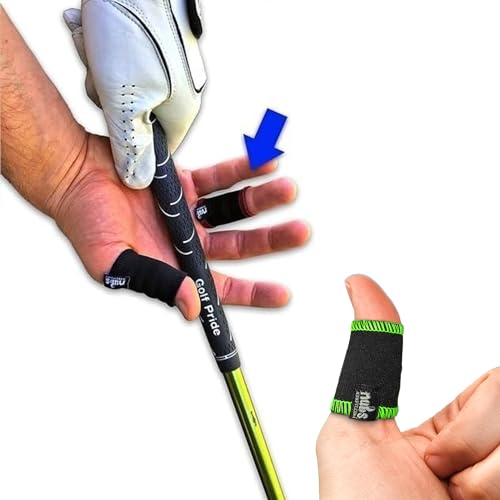
- Place the handle mostly in the fingers, not deep in the palm.
- Use a neutral grip: V’s created by thumb and forefinger point to the right shoulder for right-handed players.
- Hold light. A tight grip creates tension and poor swing rhythm.
Stance and posture
- Feet shoulder-width for mid-irons, slightly wider for woods.
- Bend from the hips. Keep the spine straight and knees soft.
- Ball position: center for short irons, slightly forward for long irons and woods.
Alignment
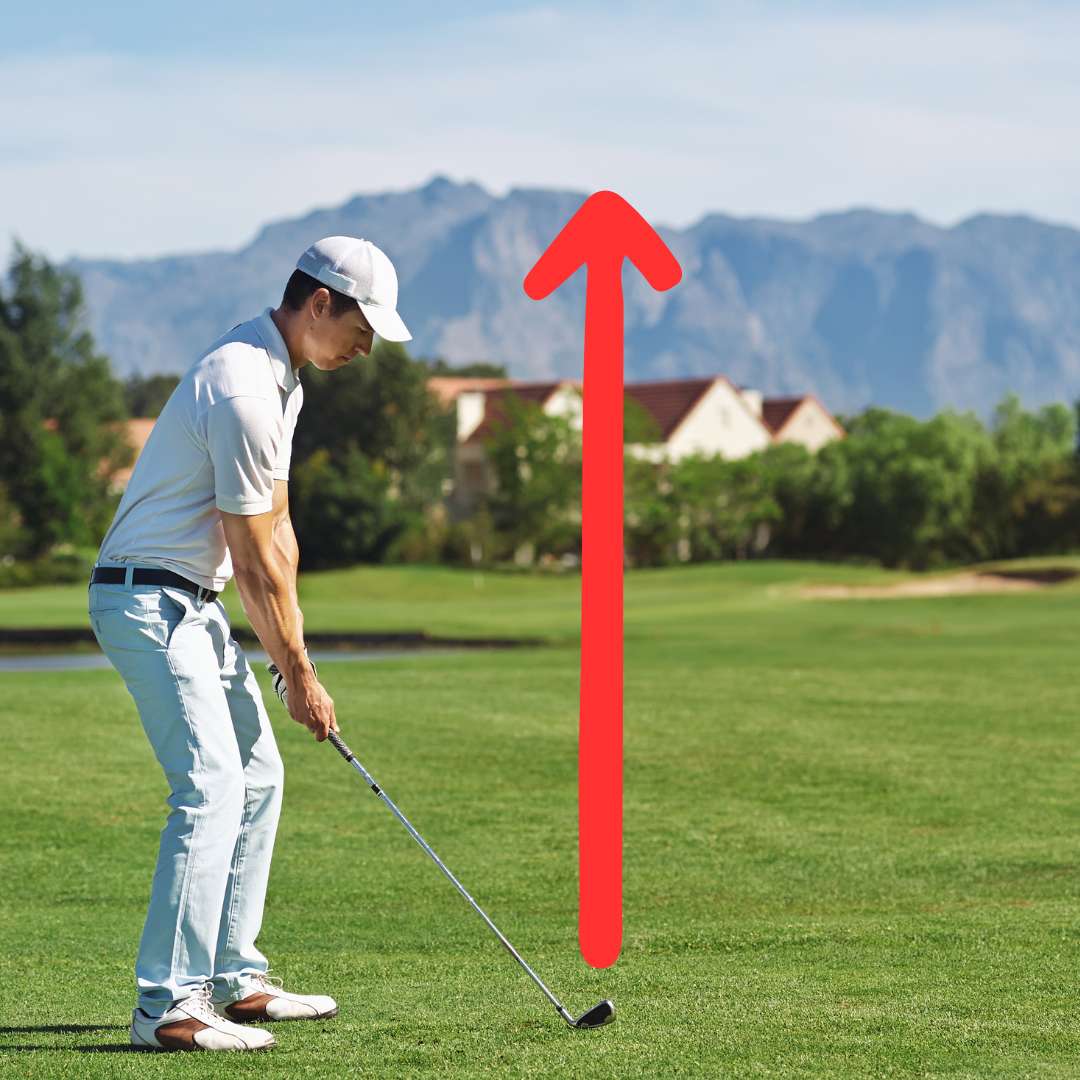
- Aim clubface first, then align feet and shoulders parallel to target line.
- Pick a small spot a few feet in front of the ball on your target line to help align.
Practicing setup makes hitting the ball easier and more consistent. Repeat your pre-shot routine until it becomes automatic.

The full swing, step by step
Breaking the swing into phases helps beginners learn how to hit a golf ball for beginners with reliable results.
Takeaway (first move)
- Start the club back with a smooth, one-piece motion.
- Hands, arms, and torso move together for the first few inches.
- Keep the clubhead low to the ground early.
Top of the backswing
- Turn your shoulders fully while keeping a steady lower body.
- Pause briefly at the top to check balance; do not rush.
Transition and downswing
- Shift your weight from back foot to front foot.
- Drop the hands and swing down on a slightly inside path.
- Aim to make contact with a descending blow for irons.
Impact and follow-through
- At impact, hips should be open toward the target and hands slightly ahead of the ball.
- Let the club release through the ball and finish high.
- Hold balance after the shot for a second to confirm a clean swing.
Practice each phase slowly. Speed will return once the motion is comfortable and repeatable.
Short game basics: chipping, pitching, and putting
Hitting long shots matters less than scoring well. Learning how to hit a golf ball for beginners must include the short game.
- Use a narrow stance and place weight on the front foot.
- Keep wrists quiet and stroke the ball like a putt with a short backswing.
- Use lower-lofted clubs for roll and higher-lofted clubs for carry.
Pitching
- Use a slightly wider stance and more wrist hinge.
- Accelerate through the ball and land the ball on a target spot on the green.
- Control distance with swing length, not by “hitting harder.”
Putting
- Aim small, swing smooth.
- Focus on pace first, then line.
- Read the green from both behind and alongside the ball.
Short game practice yields quick score improvement. Spend as much time here as on full swings.
Common mistakes and how to fix them
Knowing the usual pitfalls speeds up learning how to hit a golf ball for beginners.
Slice (ball curves right for right-handers)
- Cause: open clubface or outside-to-inside swing path.
- Fix: square the face at impact, practice inside takeaway, and rotate body through the shot.
Chunked shots (fat contact)
- Cause: hitting ground before the ball.
- Fix: shift weight to front foot earlier and focus on hitting down through the ball.
Thin shots (ball hits too high on face)
- Cause: lifting head or remaining on back foot.
- Fix: keep eyes steady, maintain forward weight shift.
Tension and speed
- Cause: gripping too tight and swinging too fast.
- Fix: lighten grip pressure; aim for smooth acceleration.
Work on one issue at a time. Fixing multiple faults at once can confuse your body.

Simple drills to practice regularly
Drills make learning how to hit a golf ball for beginners quicker and clearer. Try these on the range.
Towel drill for clean contact
- Place a small towel a few inches behind the ball.
- Practice hitting shots without touching the towel. This teaches descending strikes.
Gate drill for path and face control
- Set two tees just wider than your clubhead and swing through them.
- This enforces a square path and face at impact.
Slow-motion swing
- Swing at 50% speed and pause at key points.
- Builds feel and helps grok proper sequencing.
One-handed swings
- Practice with only your lead hand for control and rhythm.
- Then switch to the trail hand to feel release.
Do short, focused practice sessions rather than long, unfocused ones. Quality beats quantity.

Equipment and club selection tips
Using the right gear helps beginners learn how to hit a golf ball for beginners faster.
Club fitting matters
- Clubs that match your height and swing speed reduce bad habits.
- Start with forgiving irons and a cavity-back driver.
Ball choice
- Use a mid-compression ball that balances distance and feel.
- Avoid tour-level balls until your swing is more consistent.
Grip size and shaft flex
- Too thick or thin a grip can change wrist action.
- A softer shaft flex helps slower swing speeds get better launch.
You don’t need the most expensive gear to learn. Good fit and forgiveness matter most.

Common beginner questions (PAA-style)
What is the easiest club to hit for beginners?
- A 7-iron or hybrid is often easiest because it balances distance and control for new players.
How hard should I swing when learning?
- Swing smooth and controlled. Focus on contact and tempo, not power.
How often should beginners practice?
- Short sessions three times a week beat long, infrequent sessions. Aim for 20–40 minutes focused practice.
Does taking lessons help?
- Yes. A coach can spot faults early and give drills tailored to your swing.
Is learning the short game essential?
- Absolutely. Improving chipping and putting lowers scores faster than hitting more distance.
Source: wikihow.com

Personal experience and lessons learned
I started as a weekend player who tried to muscle every shot. Learning how to hit a golf ball for beginners taught me a few truths.
- Small setup changes had the biggest impact. A neutral grip and balanced stance fixed many slices.
- Practicing slow swings made muscles learn timing. Speed came later.
- Time on the short game returned the fastest improvement to my score.
Mistakes I made so you don’t have to:
- Trying too hard to hit long drives.
- Ignoring pre-shot routine.
- Practicing without goals.
Treat each practice session as a short lesson. Write one goal and focus on it.
How to practice on the range and course
A plan helps practice become progress when learning how to hit a golf ball for beginners.
Range session structure
- Warm up with wedges and half-swings.
- Work on one swing change or drill per session.
- Finish with short game work for 10–15 minutes.
On-course practice
- Play fewer holes with a focus (like par or avoiding three-putts).
- Use practice rounds to manage course routine and decision skills.
- Keep score but also track one metric like fairways hit or up-and-downs.
Consistency in small steps beats occasional long practices.
Progress tracking and mindset tips
Track simple stats and celebrate small wins. That keeps learning fun and real.
Tracking ideas
- Count solid strikes per session.
- Track number of putts per round.
- Note one swing feel that worked.
Mindset tips
- Be patient. Progress comes in small steps.
- Embrace mistakes as feedback.
- Enjoy the social and outdoor side of golf.
Stay curious and kind to yourself. Golf rewards steady effort.
Frequently Asked Questions of how to hit a golf ball for beginners
How do I hold the club correctly?
Use a light, neutral grip with the club mostly in your fingers. Aim the V’s of your hands toward your trail shoulder for consistent face control.
What is the best stance for beginners?
Stand shoulder-width for mid-irons and a bit wider for woods, bend from the hips, and keep knees soft. This creates balance and repeatability.
How should I swing the club?
Swing with a smooth takeaway, turn the shoulders on the backswing, shift weight forward on the downswing, and follow through high. Focus on rhythm over speed.
How can I stop slicing the ball?
Work on squaring the clubface at impact and swinging more from the inside. A lighter grip and good shoulder turn help too.
How much practice is needed to see improvement?
Short, focused sessions three times a week can show results in weeks. Practice the short game as much as full swings for faster score gains.
Conclusion
Learning how to hit a golf ball for beginners becomes simple when you break it into setup, swing, and practice steps. Focus on a neutral grip, balanced stance, descending iron strikes, and steady tempo. Spend time on short game and use targeted drills to fix common faults. Be patient, practice with purpose, and track small wins. Try one new drill this week and stick with it for a few sessions — you’ll be amazed at the improvement. Leave a comment with your biggest challenge or subscribe to get more beginner golf tips.