How To Increase Golf Ball Speed: Faster Drives & Distance
Increase ball speed by improving swing speed, solid contact, launch conditions, and fitness.
I’ve coached golfers and tested swing changes on launch monitors for years, so I know what reliably moves the needle on how to increase golf ball speed. This guide breaks the topic into clear steps: technique tweaks, strength work, equipment setup, practical drills, and data-driven testing. Read on to get simple, actionable ways to add measurable ball speed and more distance to your golf shots.

Why ball speed matters and the basics of ball speed
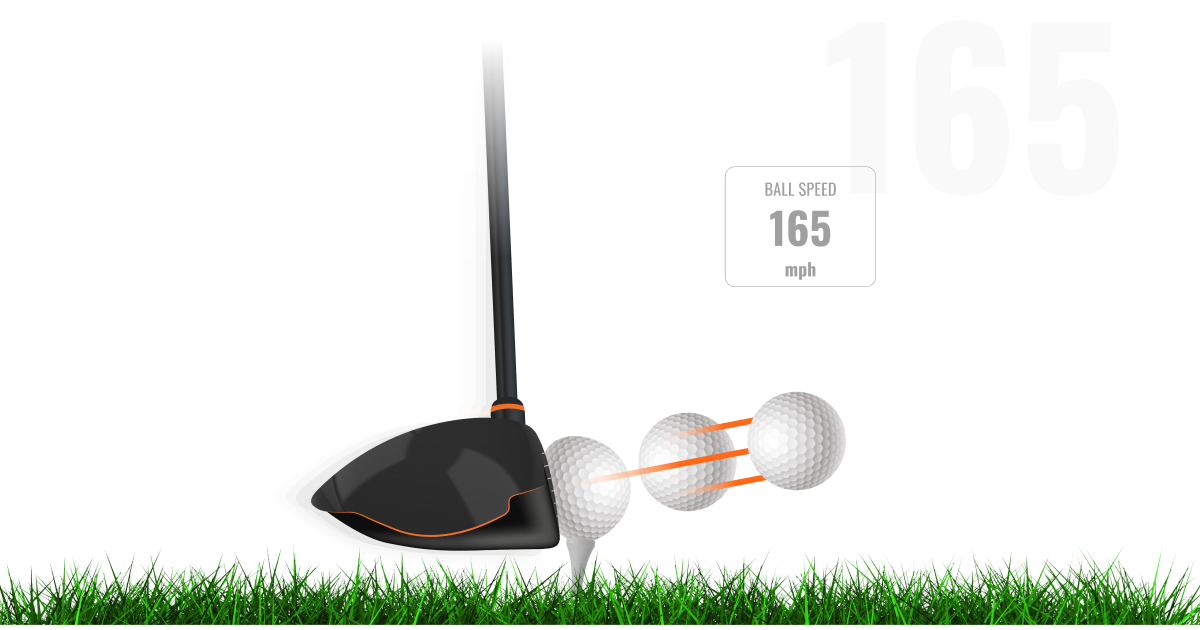
Ball speed is the initial velocity of the golf ball off the clubface. It directly affects carry and total distance. Faster ball speed usually means longer drives and easier approach shots into greens.
Key concepts to know:
- Clubhead speed and smash factor together create ball speed.
- Smash factor equals ball speed divided by clubhead speed.
- Launch angle and spin affect how that ball speed turns into carry.
Improving how to increase golf ball speed means working on swing speed, contact quality, and launch conditions. Small gains in ball speed lead to noticeable distance gains.

Main factors that influence how to increase golf ball speed
Understanding the parts makes changes easier. Focus on these areas.
Clubhead speed
- Faster swing speed generally produces higher ball speed.
- Work on technique and conditioning to safely raise clubhead speed.
Quality of contact
- Hitting the sweet spot maximizes energy transfer.
- Off-center hits cut smash factor and reduce ball speed.
Smash factor
- Aim for an efficient smash factor. For drivers, 1.45–1.50 is typical for good contact.
- Improving smash factor raises ball speed without swinging harder.
Launch angle and spin
- Optimized launch and spin let ball speed convert to distance.
- Too much spin wastes speed into loft; too little spin reduces carry.
Equipment
- Clubhead design, shaft type, and ball compression affect ball speed.
- Proper fitting can deliver immediate speed and distance improvements.
Environment and technique
- Wind, temperature, and altitude alter results.
- Technique adjustments can raise both speed and consistency.

Technique and swing changes to raise ball speed
Good technique adds speed without harmful strain. These are safe, effective changes I’ve used with players.
Improve posture and setup
- Stand balanced with slight knee flex and athletic posture.
- A good setup allows a more powerful, repeatable swing.
Increase hip rotation and coil
- Turn the hips back to create a larger coil.
- A bigger coil stores more energy to release into the downswing.
Create lag and release efficiently
- Maintain wrist angle into the downswing to create lag.
- Release down through the ball for better transfer of speed.
Sequence the body correctly
- Hips start, then torso, then arms and hands. Proper sequencing builds speed with control.
Drills I recommend
- Step drill for timing and sequencing.
- Swing speed ladder (gradual increases over reps) to safely build speed.
- Impact tape or spray to check contact.
Personal note: I helped a mid-handicap player gain 6 mph clubhead speed in three months by focusing on hip rotation, sequencing drills, and short, focused practice sessions. Ball speed rose with improved smash factor.

Physical training and mobility to boost ball speed
Fitness matters. Swinging fast needs strength, mobility, and stability.
Key areas to train
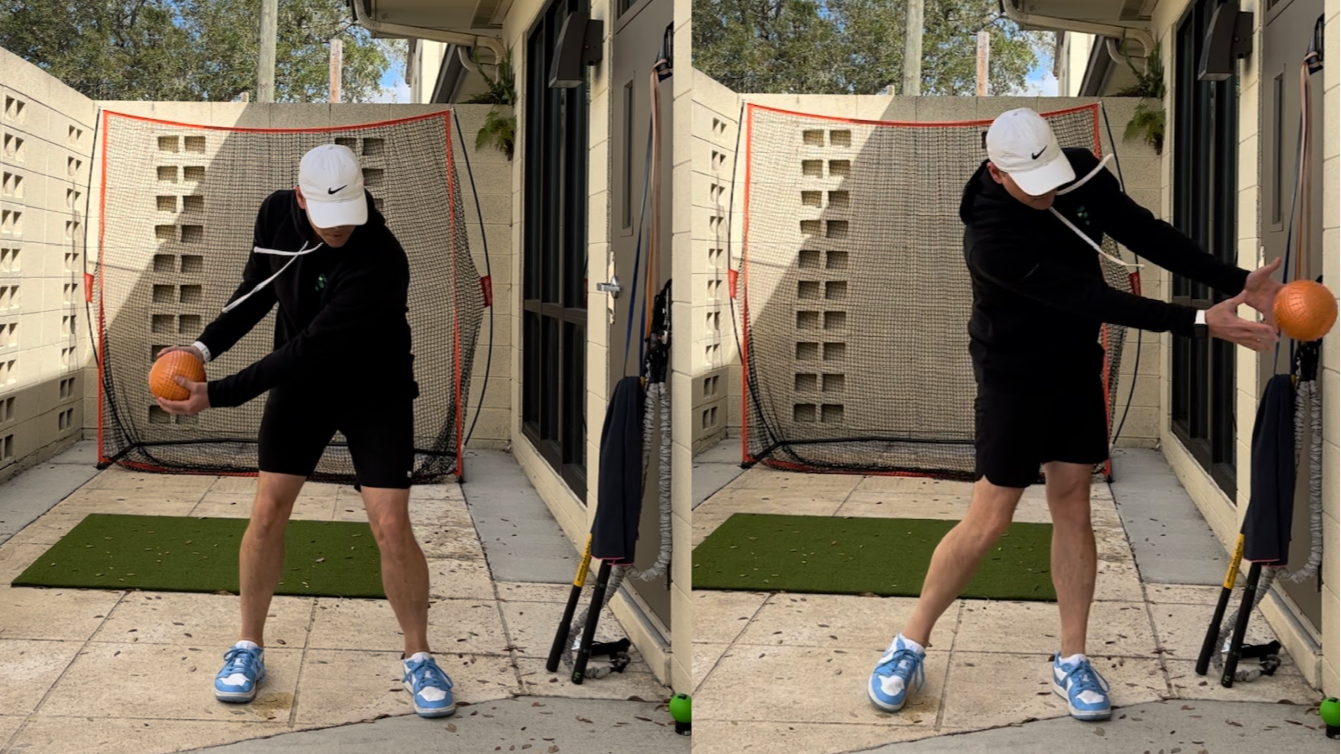
- Rotational power: medicine ball throws, cable chops.
- Lower body strength: squats, lunges, deadlifts.
- Core stability: planks, anti-rotation exercises.
- Flexibility: hip and thoracic mobility drills.
Simple plan
- Two strength sessions per week with golf-specific moves.
- Two mobility sessions per week to maintain range.
- Short, high-quality speed sessions on the range.
Safety note: build strength gradually. Speed gains from fitness are long-term and more durable than quick technique fixes.
Equipment and ball fitting to maximize ball speed
Right gear unlocks speed gains you already have in your swing.
Driver considerations
- Use a driver with an efficient face design and low spin for many golfers.
- Shaft flex and length affect clubhead speed and timing.
Shaft options
- Stiffer or more flexible shafts can help timing. Get fit rather than guessing.
- Shaft weight influences swing tempo and speed.
Golf ball choice
- Low-compression balls can help slower swingers find more ball speed.
- Match ball compression to swing speed for optimal energy transfer.
Get fitted
- A launch monitor fitting can show ball speed, launch, spin, and smash factor.
- Proper fitting often produces immediate, measurable gains in how to increase golf ball speed.
Drills and practice routines to increase ball speed
Short, focused practice is better than hours of random hitting.
Warm-up and activation
- Start with dynamic moves and short swings.
- Gradually increase to full swings to protect the body.
Progressive speed swings
- Do sets of swings at 60%, 80%, then 95–100% speed.
- Use a launch monitor or radar to track progress.
Impact-focused drills
- Tee drill: hit driver off a high tee to encourage upward strike.
- Face awareness: use impact spray to train center hits.
Speed training plan (sample)
- 10 minutes mobility
- 15 minutes progressive swing speed ladder
- 15 minutes impact drills and focused ball-striking
Real-world result: when I added a weekly progressive speed session to practice, my average driver ball speed rose by 1.5–2 mph over eight weeks.
Common mistakes that limit ball speed and how to fix them
Avoid these pitfalls to make your gains real and repeatable.
Overswinging and losing balance
- Trying to swing harder often hurts timing and contact.
- Fix: build speed progressively and keep balance drills in practice.
Poor sequencing
- Early arm cast or late hip rotation kills speed.
- Fix: drills that emphasize hip-led downswing and maintaining lag.
Wrong equipment
- A misfit shaft or ball reduces smash factor.
- Fix: get a fitting and test on a launch monitor.
Neglecting mobility and recovery
- Stiff hips or back limit rotation and power.
- Fix: add daily mobility work and proper recovery.

PAA-style quick questions
How much ball speed do I need to hit longer drives?
Ball speed needs vary by golfer and launch conditions, but generally more ball speed equals more distance. Test with a launch monitor to see how 1–2 mph changes affect your carry for your swing.
Can fitness alone increase ball speed?
Yes, targeted strength and rotational training can increase clubhead speed and thus ball speed, but technique and contact quality are also essential. Combine fitness with technical work for best results.
How fast should my driver clubhead speed be?
There is no single ideal, but male recreational golfers often range 85–105 mph. Focus on improving your own baseline safely rather than chasing arbitrary numbers.
Frequently Asked Questions of how to increase golf ball speed
What is ball speed and why is it important?
Ball speed is the velocity of the ball leaving the clubface. It determines initial distance potential and is a primary factor in hitting longer shots.
How do clubhead speed and smash factor differ?
Clubhead speed is how fast the club moves; smash factor measures efficiency of energy transfer and equals ball speed divided by clubhead speed. Both need attention to maximize ball speed.
Will changing my driver help increase ball speed?
Yes. The right driver head, loft, and shaft can improve launch and smash factor, which helps increase ball speed. A proper fitting is recommended.
How long does it take to see ball speed gains from training?
You can see small gains in weeks with focused practice; meaningful, sustained increases from strength and mobility work often take 6–12 weeks. Consistency matters.
Are there drills to increase ball speed at home?
Yes. Medicine ball throws, rotational band work, and slow-to-fast swing drills are effective at home and help increase rotational power and speed.
Conclusion
Improving how to increase golf ball speed is a mix of better technique, smarter gear, and focused fitness. Start with a baseline using a launch monitor, then work on contact quality, sequencing, and targeted strength. Small, steady gains add up to meaningful distance and better scoring.
Try one change at a time. Test it, measure results, and keep what works. If you enjoyed this guide, leave a comment about your speed gains or subscribe for more golf performance tips.