How To Stop Slicing The Golf Ball: Fix Your Slice Fast
Pull your swing inside-out, square the clubface, and strengthen your grip to stop slicing the ball.
I’ve coached and played golf for over 20 years, and I know how frustrating a slice can feel. This guide on how to stop slicing the golf ball walks you through clear causes, practical fixes, drills, gear checks, and a simple practice plan. Expect step-by-step advice, real-life tips I’ve used with weekend players, and easy drills you can try on the range today. Read on to remove that slice and hit straighter, more confident shots.
Causes of a slice: what really makes the ball curve right
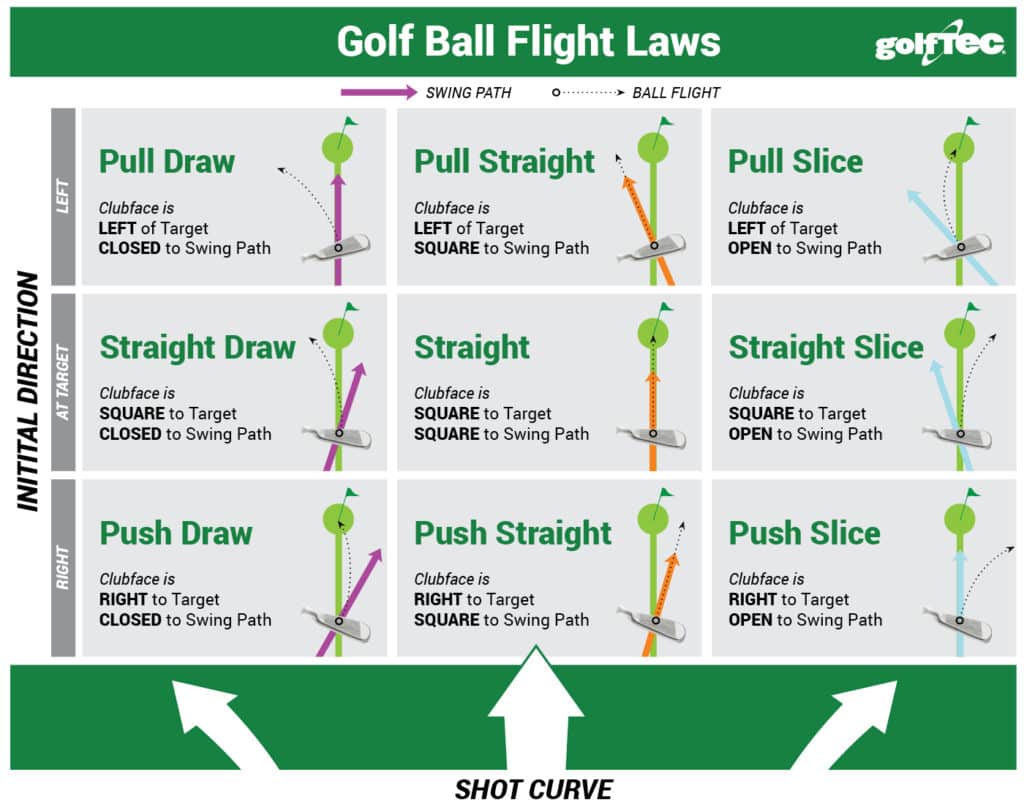
A slice starts with two things: an open clubface at impact and a swing path that moves from outside to inside. Those two together add side spin and push the ball right for a right-handed golfer.
Common causes:
- Grip that is too weak or turned left on the handle.
- Open clubface at address or through impact.
- Over-the-top or outside-in swing path.
- Poor body rotation and early release of the hands.
- Equipment mismatch like a shaft that is too stiff or a club with too much loft.
Why this matters: fix one issue and you may see small gains. Fix the root cause and the slice often disappears. Understanding each cause helps you target the right fixes.
How to stop slicing the golf ball: key fixes you can apply now
Below are the core fixes I use with players. Try one at a time. Keep practice focused and simple.
Improve your grip
A stronger grip helps square the clubface at impact.
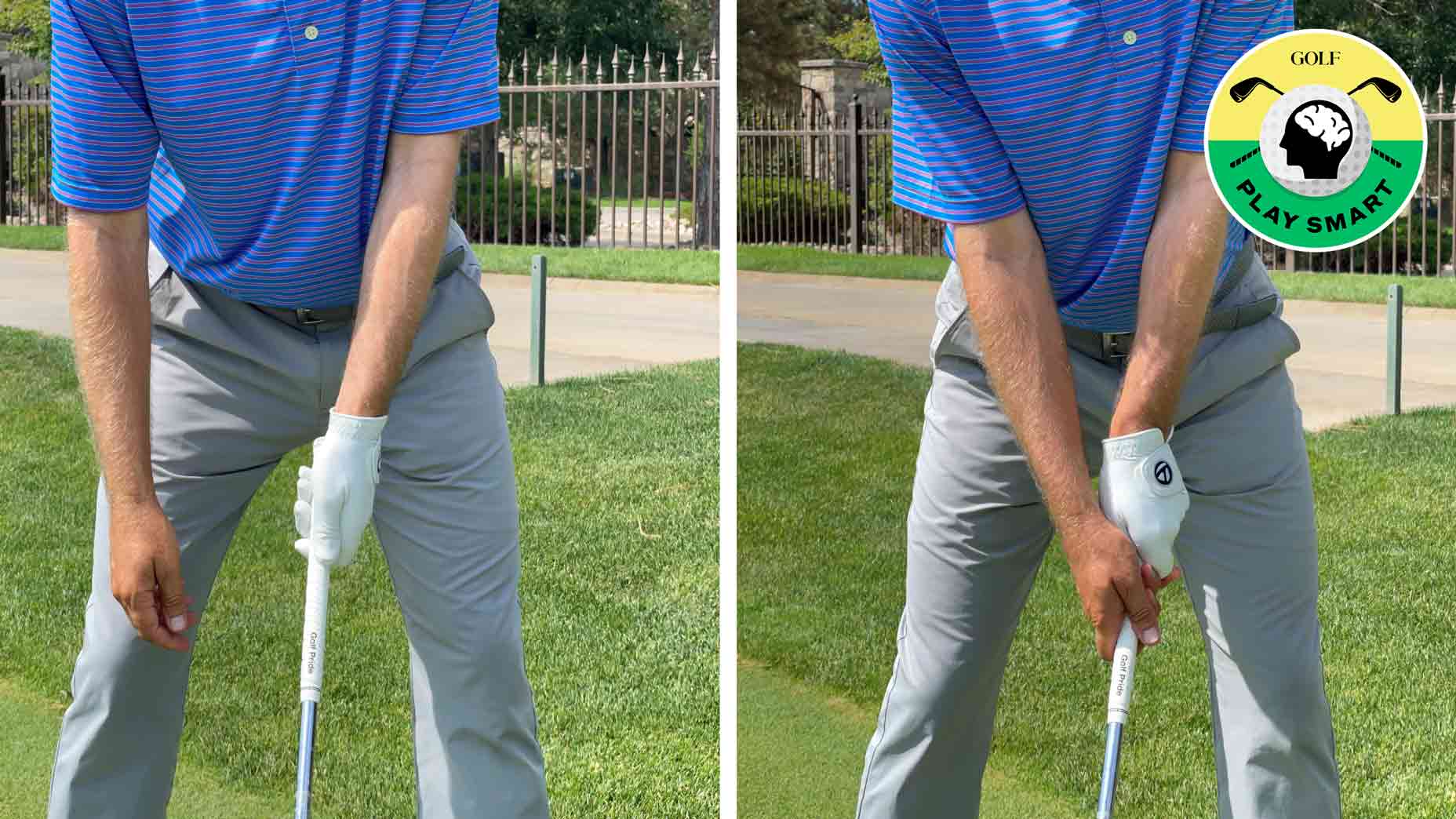
- Place both hands so you see two to three knuckles on the left hand (for right-handed golfers).
- Rotate the right hand slightly more to the left so the V’s formed by your thumbs point to your right shoulder.
- Grip pressure should be firm but not tight. Think about holding a tube of toothpaste without squeezing.
Square the clubface
Face control matters more than path for many golfers.
- At address, align the clubface with your target. Check with a marker or alignment stick.
- Practice half swings focusing on feeling the back of the club square through impact.
- Use impact tape or a foot spray on the clubface during practice to see where you hit the ball.
Fix your swing path
Move from outside-in to inside-out to remove the slice.
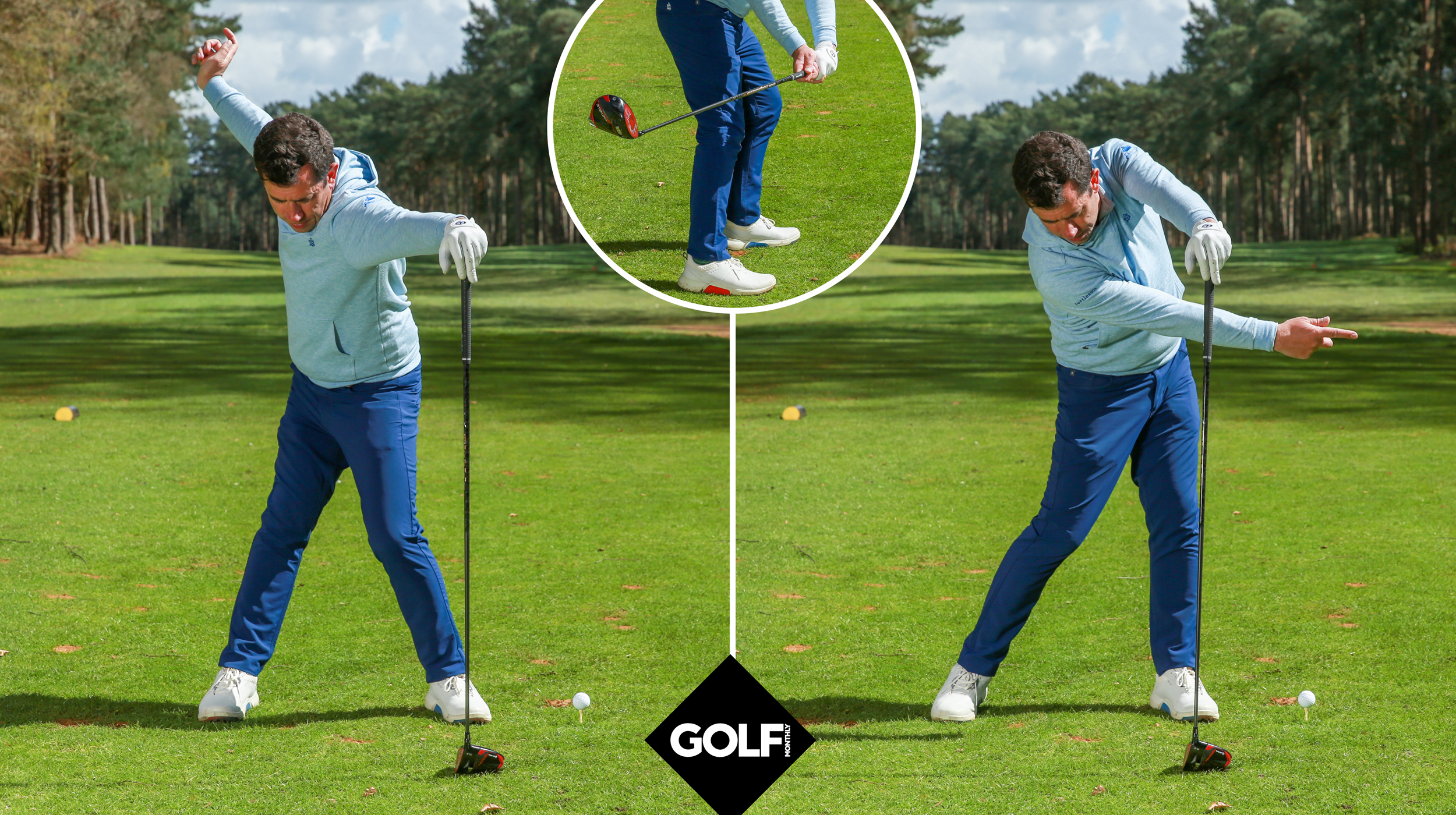
- Start the takeaway low and slow. Keep the clubhead outside your hands on the backswing.
- On transition, drop the club into the slot by rotating your hips toward the target. Avoid lifting your hands.
- Practice a shallow downswing to promote an in-to-out path.
Improve body rotation
The body leads, the hands follow.
- Start with your lower body initiating the downswing.
- Keep your chest rotating toward the target through impact.
- Avoid sliding forward; rotate on a stable base.
Work on release and timing
A late, strong release reduces an open face at impact.
- Practice hitting shots with a feeling of turning your forearms over through impact.
- Use half swings first, then increase to full swings as timing improves.
Address ball position and stance
Small alignment tweaks make a big difference.
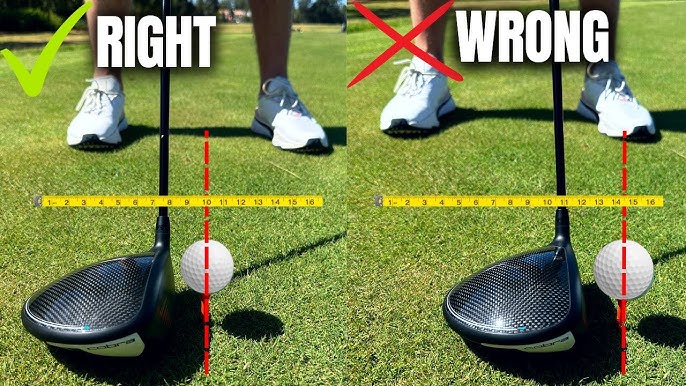
- Place the ball slightly back of center with mid-irons. For drivers, ball should be just inside the left heel (right-handed players).
- Narrow your stance slightly to promote better rotation.
- Align your feet, hips, and shoulders parallel to the target line.

Simple drills to stop slicing the golf ball
Drills are the fastest route to change. Try these on the range.
-
Tee-box gate drill
- Place two tees wider than the clubhead just in front of the ball.
- Swing through the tees with a shallow path. This promotes a square face and in-to-out path.
-
Inside-pull drill
- Place a headcover or small cone outside the ball, just off the target line.
- Focus on swinging inside that object on the downswing to avoid an over-the-top move.
-
Toe-up to toe-down drill
- Swing slowly and pause when the club is parallel to the ground on both back and follow-through.
- Work on rotating the club from toe-up on the backswing to toe-down through impact.
-
One-arm swings
- Hit short shots with your left arm only (right-handers).
- This helps square the clubface and improves the release.
-
Impact tape feedback
- Use impact tape to confirm face contact and path changes. It shows immediate feedback.
Equipment checks: when gear makes the slice worse
Sometimes the fix is not in the body but in the clubs.
-
Shaft flex
- A shaft that is too stiff can cause an open face at impact for players with slower swing speeds.
- Try a softer shaft or test shaft flex with a fitter.
-
Clubhead design
- Drivers with more draw bias help reduce a slice.
- A larger sweet spot and higher moment of inertia (MOI) stabilizes off-center hits.
-
Lie angle and loft
- Incorrect lie or too much loft can influence side spin.
- A club fitting session can reveal simple changes that help.
A proper fitting can be a fast way to cut out a slice if you’ve tried swing fixes and still see the same ball flight.

Practice plan: a 4-week program to fix your slice
This plan is simple. Work on one theme per week. Keep sessions short and focused.
Week 1: Grip and setup (3 sessions)
- Focus on a stronger grip and square clubface.
- 50 half swings, check ball contact with impact tape.
Week 2: Path and slotting (3 sessions)
- Drill inside-pull and tee-gate. Use slow, deliberate swings.
- 75 swings, aim for in-to-out strike.
Week 3: Release and tempo (3 sessions)
- Practice toe-up to toe-down and one-arm swings.
- Add mid-iron to long-iron reps.
Week 4: Ball flight control (3 sessions)
- Mix full swings with driver and irons.
- Use on-course practice: play 9 holes focusing on fairways rather than score.
Track progress with video or launch monitor when possible. Small wins add up fast.

Common mistakes to avoid when fixing a slice
Avoid quick fixes that mask the real problem.
- Changing too many things at once
- That leads to confusion and slower progress.
- Over-gripping or squeezing
- Tension ruins timing and rotation.
- Ignoring body rotation
- Hands can only do so much; the body must rotate.
- Relying only on equipment
- Gear helps, but a bad swing will still slice.
I once had a student try five swing tips in a single session. They got worse before they got better. Focus matters.
Frequently Asked Questions of how to stop slicing the golf ball
What is the fastest way to stop slicing the golf ball?
The fastest fix is to strengthen your grip and square the clubface at address. Combine that with a drill that promotes an inside-out path to make a quick impact on ball flight.
Can equipment changes stop a slice?
Yes. A draw-biased driver or a more flexible shaft can reduce a slice, but equipment should complement swing fixes. A fitting is the best step before buying new gear.
How long does it take to fix a slice?
With focused practice, many golfers see improvement in weeks. A full repair can take months depending on practice time and how deep the swing faults are.
Will swing speed affect my slice?
Swing speed can influence how much the ball curves. Slower swings often benefit from softer shafts and timing work to help the face square at impact.
Should I change my stance to stop slicing the golf ball?
Small stance changes help. Narrow the stance slightly, adjust ball position, and ensure your shoulders and feet are aligned parallel to the target. Major stance changes are rarely needed.
Is a weak grip always the cause of a slice?
Not always. A weak grip is common, but a slice can also come from an outside-in path, poor rotation, or equipment. Diagnose multiple factors.
Conclusion
You can stop slicing the golf ball with clear steps: fix your grip, square the face, slot the swing path, and practice smart drills. Start small. Focus on one change at a time. Use a 4-week plan to build new habits, and consider a club fitting if progress stalls. Stick with it, track your hits, and celebrate small wins. Try one drill today and post your progress or questions below — I’d love to hear how your golf game improves.