How To Stop Hooking The Golf Ball: Fix Your Swing Fast
Fix your grip, square the clubface, and swing on a neutral path to stop hooking.
I’ve spent years coaching and testing swing fixes on the range and on course. This clear guide explains how to stop hooking the golf ball with simple checks, step-by-step drills, equipment tips, and a practical practice plan. You’ll get easy-to-follow actions backed by on-course experience so you can hit straighter shots faster.

Why a hook happens
A hook is a strong shot that curves sharply from right to left (for a right-handed golfer). It usually comes from a closed clubface at impact combined with an inside-to-out swing path.
Common causes include a grip that’s too strong, an early or violent release of the hands, over-rotation of the forearms, and poor alignment. Physical limits or wrong equipment can also make hooks worse. Knowing the root cause helps you apply the right fix.

Quick diagnosis: check these first
Use these quick checks to figure out why you hook. Test one change at a time.
- Ball flight observation: Hit a few half swings and note the starting direction and curve. If the ball starts right then curves left, you likely have a closed face with an in-to-out path.
- Grip check: Look at your left hand (right-handers). If you see too many knuckles or the V points strongly right shoulder, your grip may be too strong.
- Clubface at address: If the clubface appears shut at address, it will be harder to square at impact.
- Swing path: Use a headcover or alignment stick outside the ball to see if your swing moves inside-out.
- Release feel: If your hands flip through the ball, you’re likely releasing too early.
PAA-style question 1: What does a strong grip do?
A strong grip rotates the clubface closed through impact. That makes the ball start right and curve sharply left.
PAA-style question 2: Is equipment a common cause?
Yes. Too-stiff shafts, incorrect lie angle, or an offset club can encourage a hook if they mask swing faults.
Grip fixes that stop a hook
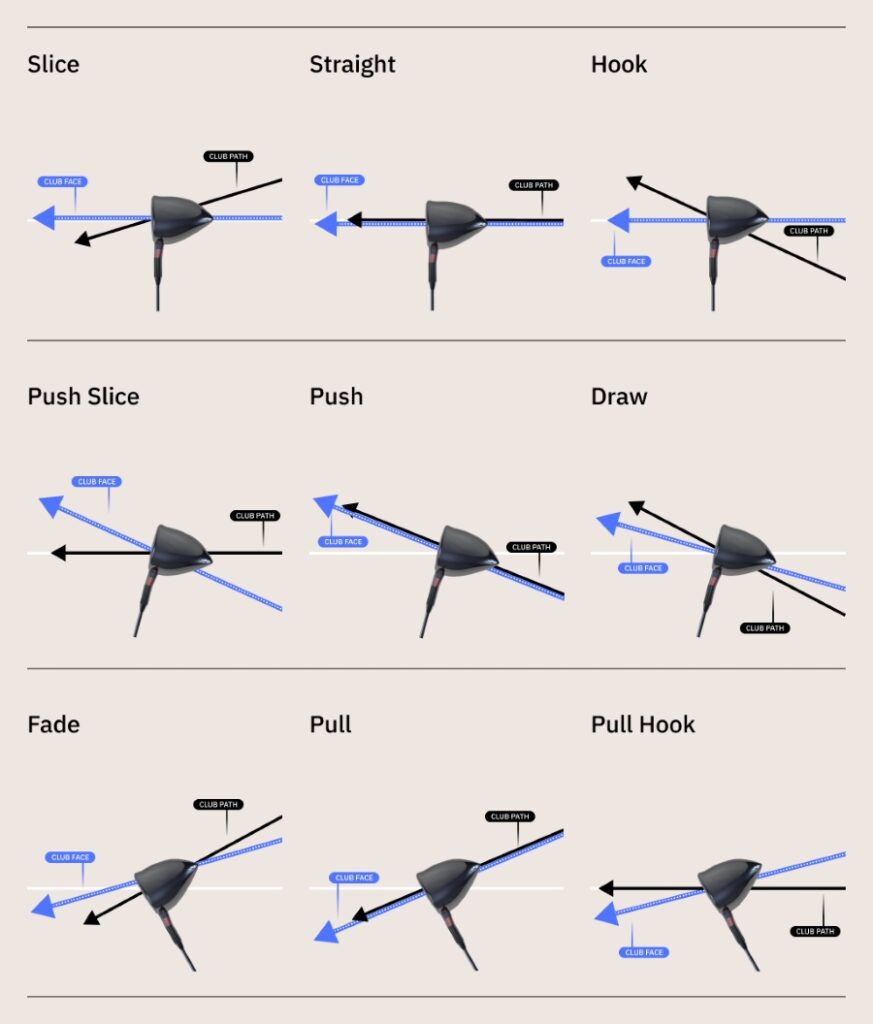
A neutral grip promotes a square face at impact. Try this step-by-step:
- Set the left hand: Place the handle diagonally across the fingers. Show two to three knuckles and let the V point to your right shoulder.
- Set the right hand: Keep the right palm covering the left thumb lightly. The right V should point near your right shoulder or slightly center.
- Grip pressure: Hold the club firm but relaxed. Squeezing tight makes the hands overactive and speeds the release.
- Small changes first: Move the left hand a tiny bit toward neutral rather than a big swing. Test a few shots after each tweak.
Signs you fixed it: Ball starts straighter and draws less. If the hook remains, check swing path and release.

Setup and alignment to reduce hooks
A solid setup keeps the swing on plane and lowers the chance of a hook.
- Stance width: Keep feet shoulder-width for irons and slightly wider for driver. Too narrow can cause excess body rotation.
- Ball position: Move the ball slightly back if you hook with longer clubs. Forward ball position can promote a late, closed face.
- Shoulder alignment: Aim your shoulders slightly left of target for a controlled draw, but not so closed that the path becomes extreme.
- Posture and balance: Keep a stable base with a modest knee flex and hinge from the hips. Good balance reduces hand flipping.
Small setup tweaks can change ball flight immediately. Make one change at a time and test.
Swing mechanics: path, face control, and release
Fixing the swing often stops a hook. Focus on these basics.
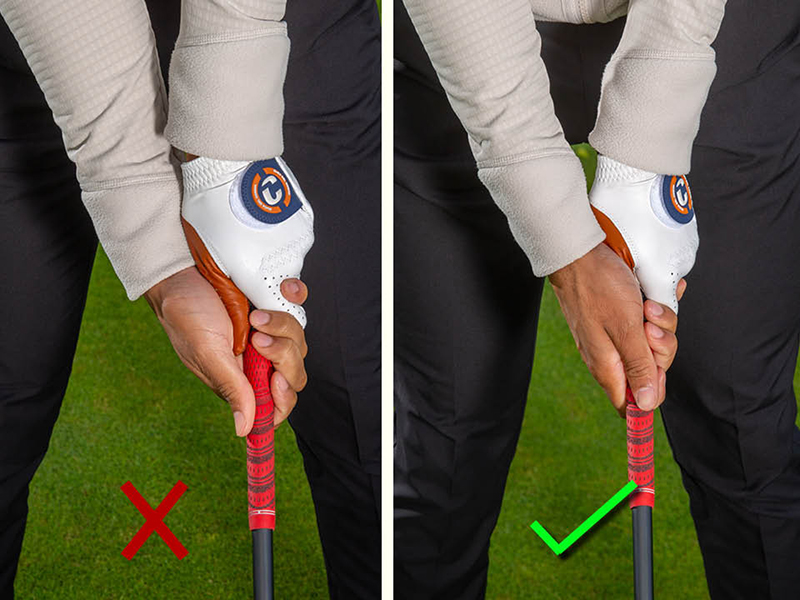
- Path goal: Aim for a neutral or slightly out-to-in path for a controlled shot. Overly inside-out path combined with a closed face causes severe hooks.
- Release timing: Delay the aggressive hand release. Let the body rotation lead the club through impact.
- Clubface control: Practice returning the face to square at impact. Use slow-motion reps to feel the correct rotation.
- Arms and body sync: Let the torso rotation do work. Avoid excessive forearm rotation early in the downswing.
- Tempo: Smooth tempo reduces overactive hands and helps timing.
Drill idea: Use a slow takeaway and pause at the top. From the pause, feel the clubface square as you start down. This builds the correct sequencing.

Drills and a practice routine to stop hooking the golf ball
Consistent practice cures habits. Use these drills and a weekly plan.
Drills
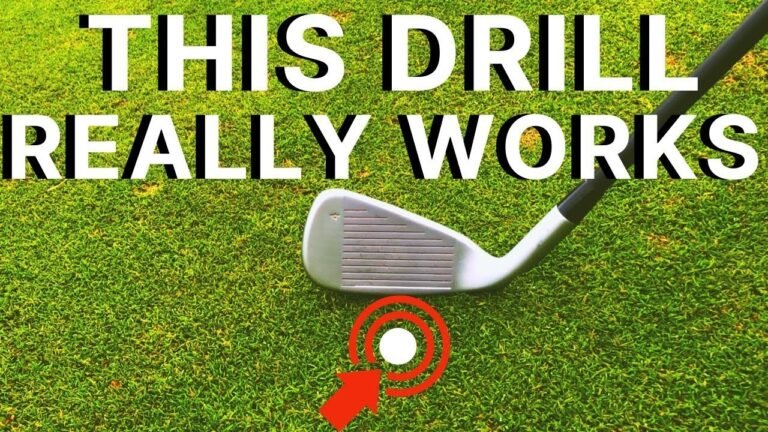
- Alignment stick tunnel: Place two sticks on the ground forming a target line. Swing through the tunnel without hitting the sticks to train a straighter path.
- Impact bag drill: Hit an impact bag focusing on a square face and delayed release. Feel the body rotate through the bag.
- Toe-up to toe-up drill: Swing slowly with a short club and pause when the shaft is toe-up in the backswing and downswing. This improves clubface control.
- Tee gate drill: Place two tees just wider than the clubhead and swing through the gate to promote a neutral path.
- One-handed swings: Hit half shots with your left hand only to feel the clubface and path without strong right-hand influence.
Sample weekly routine
- Warm-up: 10 minutes of stretching and short swings.
- Drill session: 20 minutes split between toe-up and impact bag drills.
- Range: 30 minutes focusing on 50% speed, neutral grip, and alignment.
- On-course: 9 holes playing conservative targets and tracking results.
Practice tip: Record video once a week to monitor changes. Small daily work beats a single long session.

Equipment and when to get a fitting
Sometimes gear makes hooks worse. Check these items.
- Grip size: Too small grips let the hands turn too easily. A slightly larger grip can tame a hook.
- Shaft flex: A shaft that’s too flexible can close the face early. Try a stiffer option if hooks are consistent.
- Lie angle: If the toe digs in or heel lifts, the club’s lie can alter face angle at impact. A fitter can adjust this.
- Clubhead design: Some modern drivers promote a draw. If you don’t want that, choose a neutral or fade-biased head.
When to fit: If your swing changes don’t fix the hook or you feel hardware is limiting you, schedule a club fitting. A pro can separate swing faults from gear issues.
Mental game and course management
Controlling the mind helps reduce hook risk. Use these strategies on the course.
- Play safe: Aim to the right of tighter targets if hook risk is high. A wider margin cuts penalty strokes.
- Visualize a neutral path: Picture the swing and a straight start line before your shot. Mental reps help muscle memory.
- Pre-shot routine: Stick to a simple routine that focuses on setup and tempo. Rushed pre-shots often lead to flips.
- Accept incremental change: Fixing a hook can take time. Celebrate small wins and track progress.
My experience and lessons learned
I coached weekend players and played competitively for years. Hooks were common in my students. I found most fixed quickly by adjusting grip and practicing slow tempo drills.
One student had an extreme strong grip and rushed release. We moved his left hand slightly back toward neutral and used impact bag work for two weeks. His dispersion tightened and scores dropped. My lesson: small, consistent changes beat big swings.
Honest note: Some hooks need pro help or a fitting. Be patient and test one change at a time.
Frequently Asked Questions of how to stop hooking the golf ball
Why do I hook only my driver and not my irons?
Drivers often encourage an inside path and a more aggressive release. Move the ball slightly back, check grip, and focus on a controlled tempo with the driver.
Can strengthening my grip ever help reduce a hook?
No. Strengthening an already strong grip usually worsens a hook. Move toward a neutral grip and test small adjustments.
Will changing to stiffer shafts stop my hook?
A stiffer shaft can help if your shaft allows too much clubhead rotation. Get a fitting to confirm if the shaft is a factor.
How long does it take to fix a persistent hook?
Small fixes can show results in a week of focused practice. Lasting change usually takes several weeks of drills and range reps.
Should I see a pro for a hook problem?
Yes, if home adjustments don’t work. A pro can diagnose path, face, and equipment issues quickly and prescribe precise fixes.
Is a hook a sign of poor balance or posture?
Often yes. Poor balance increases hand action and early release, which promotes hooks. Work on stance, posture, and balance drills to help.
Conclusion
Stopping a hook comes down to three things: a more neutral grip, better clubface control, and a cleaner swing path. Make small setup tweaks, practice targeted drills, and track changes over time. Stay patient, keep a simple routine, and lean on a coach or fitter if progress stalls. Try one new drill this week, record your swings, and see how your ball flight improves — then come back and fine-tune. If this helped, leave a comment or subscribe for more practical tips.