How To Mark Your Golf Ball: Simple Tips For Accuracy
Mark your golf ball with a clear, unique symbol using a fine-tip permanent marker or a custom stamp.
I’ve marked hundreds of balls over years on the course and in tournaments. This guide explains how to mark your golf ball clearly, legally, and in ways that speed play and improve alignment. You’ll learn methods, rules, step-by-step tips, common mistakes, and product picks so you can mark with confidence and keep focus on your game.
Why marking your golf ball matters
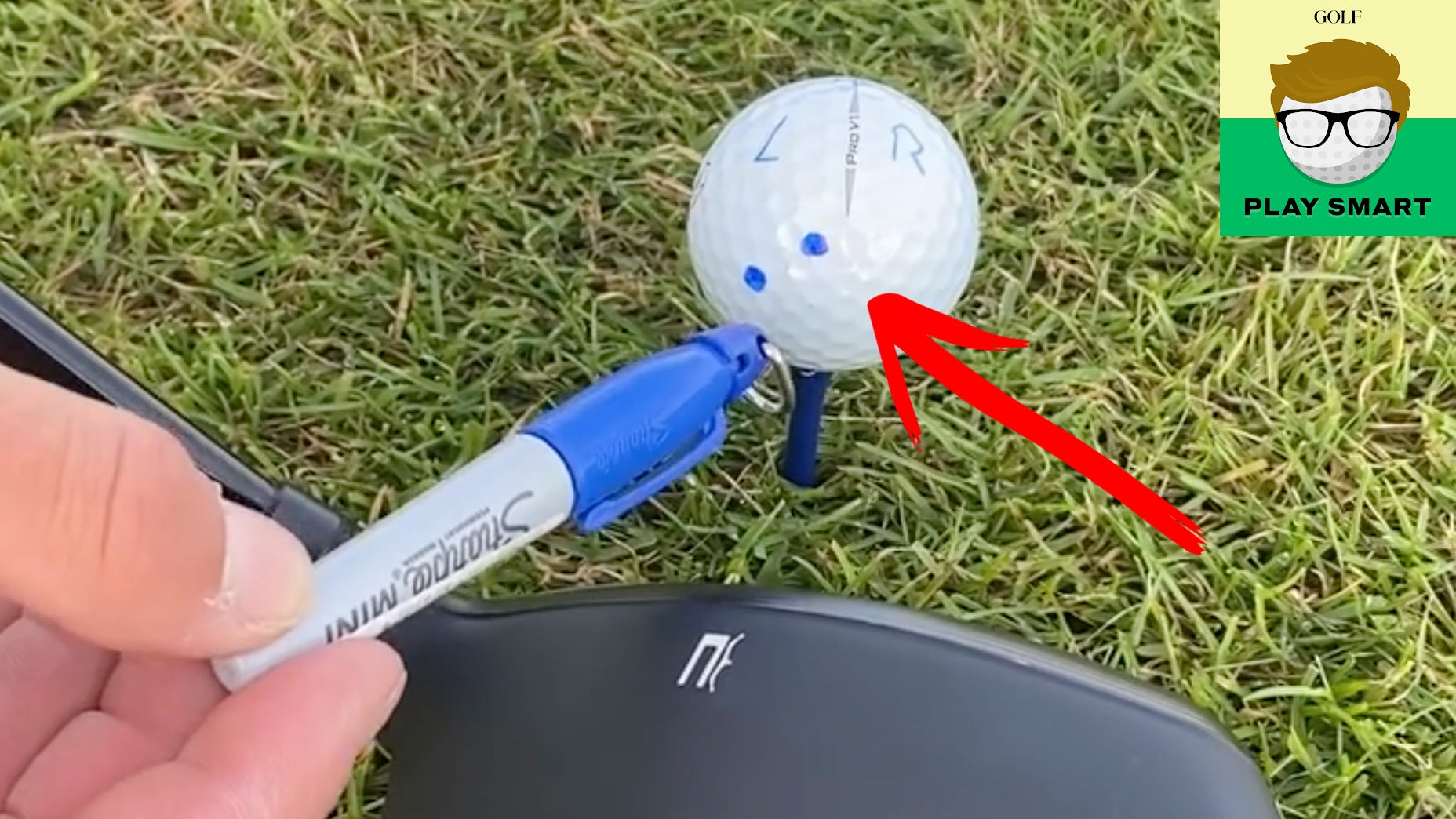
Marking your golf ball saves time and avoids confusion on the green. Proper marks help you identify your ball, speed up play, and improve alignment when putting. When you know how to mark your golf ball correctly, you reduce the chance of penalties and awkward delays. Small, consistent marks also build a routine that helps your focus under pressure.

Rules and etiquette to know before you mark
The official rules allow you to mark your ball as long as you do not improve your line. You cannot create a mark that gives you an advantage by excessively changing the ball’s condition or alignment beyond identification. In casual play, common courtesy is to mark only when necessary and to keep marks simple and unobtrusive. If you play tournaments, check the local rules and confirm permitted marking methods before play.
Methods to mark your golf ball
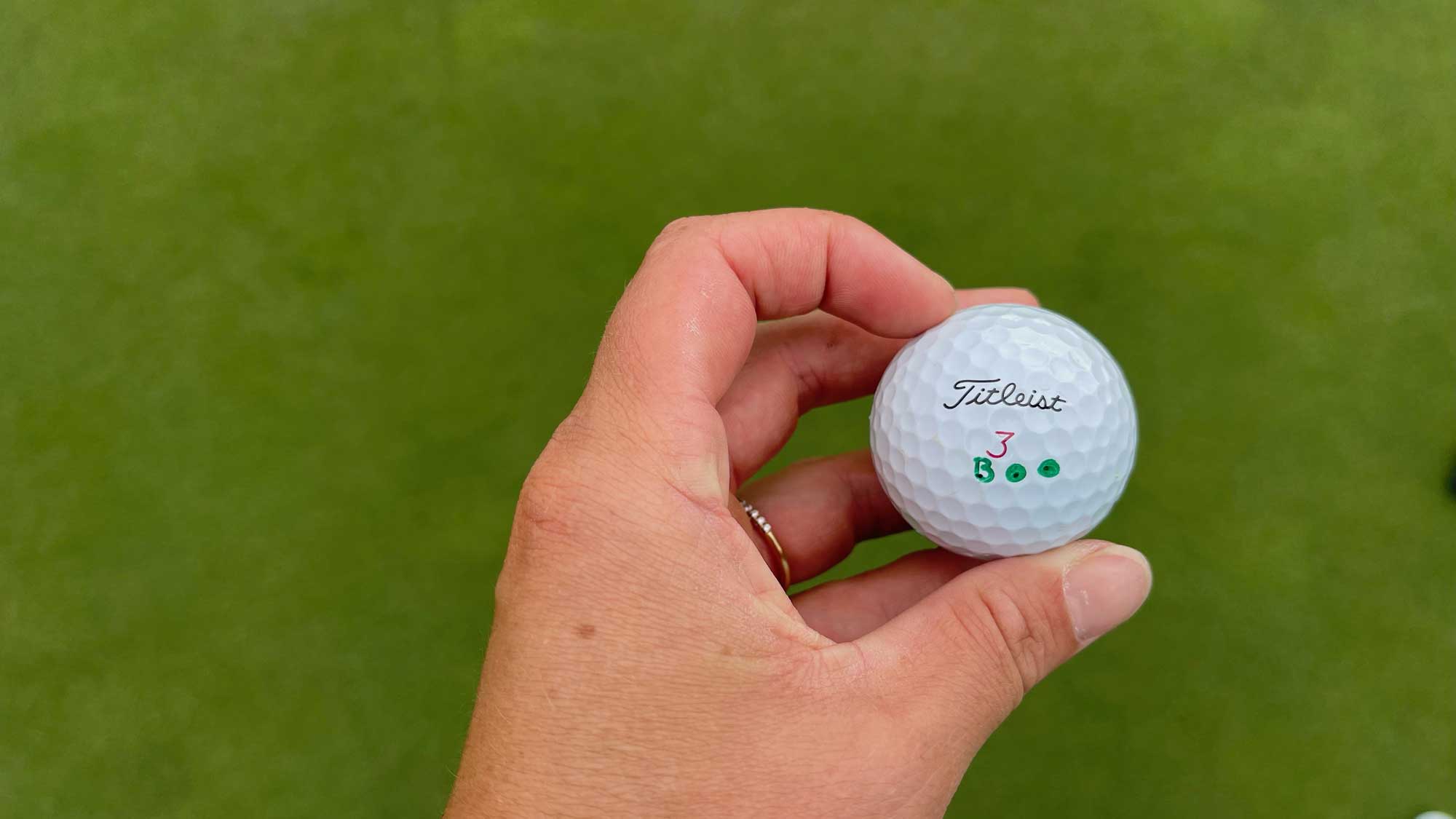
There are several reliable ways to mark a ball. Each method has pros and cons depending on durability, legality, and ease of use.
- Permanent marker
- Fast and widely accepted. Use a fine-tip black Sharpie for visibility.
- Ball stamp
- Stamps create crisp, repeatable marks. Great for custom logos or initials.
- Paint pens
- More durable than markers and available in bright colors for visibility.
- Adhesive dots or stickers
- Useful for temporary marks but can peel and are sometimes not allowed in competitions.
- Professional printing
- Pre-printed custom balls are perfect for branding and personal style, but cost more.
When deciding how to mark your golf ball, prioritize clarity and durability. Simple shapes like lines, dots, or initials work best on the course.

Step-by-step guide: how to mark your golf ball clearly
Follow these steps for a clean, legal mark.
- Clean the ball
- Wipe dirt and moisture off the ball with a towel so ink or paint adheres.
- Choose a mark
- Pick a simple mark: one line for alignment, initials for ID, or a small symbol you’ll remember.
- Position the mark
- Place marks on the “sweet spot” opposite the manufacturer’s logo for alignment, or on the top half for identification.
- Apply the mark
- Use a steady hand. Press a stamp firmly or draw slowly with a fine-tip marker.
- Let it dry
- Allow ink or paint to dry fully before putting the ball back in play to avoid smudging.
I recommend testing on an old ball first to see how a certain pen or stamp wears over time. This practice helps you understand durability without ruining a new ball.

Common mistakes and how to avoid them
Avoid these frequent errors when you mark your golf ball.
- Overly complex marks
- Complicated designs can be hard to see and slow play. Keep it simple.
- Marking too close to seams or logos
- Marks on dimple intersections can smudge or fade. Pick flatter areas.
- Using non-durable inks
- Cheap pens can rub off. Use known brands designed for longevity.
- Ignoring tournament rules
- Using a sticker or reflective paint might be disallowed. Always check local rules.
- Marking under stress
- Rushed marking leads to messy lines. Pause briefly to do it right.
When I rushed during a casual round, my mark blurred after one bunker shot. Since then I always dry the ball and use a paint pen in humid conditions.

Personal experience and practical tips
I mark my golf balls the same way every round. My routine:
- Clean the ball with a towel.
- Draw a thin line across the top directly above the logo.
- Use a paint pen for wet weather rounds.
Here are lessons I learned:
- Consistency beats creativity on the course. A single thin line helps my putting alignment more than a fancy design.
- Keep spare markers and a tiny towel in your bag. You’ll thank yourself after a rainy front nine.
- If you play with others, show your mark once so everyone knows which ball is yours. This small step avoids doubt and speeds play.
These tips come from years of playing group rounds and occasional club events where clear marks prevent disputes and mistakes.
Legal and tournament considerations
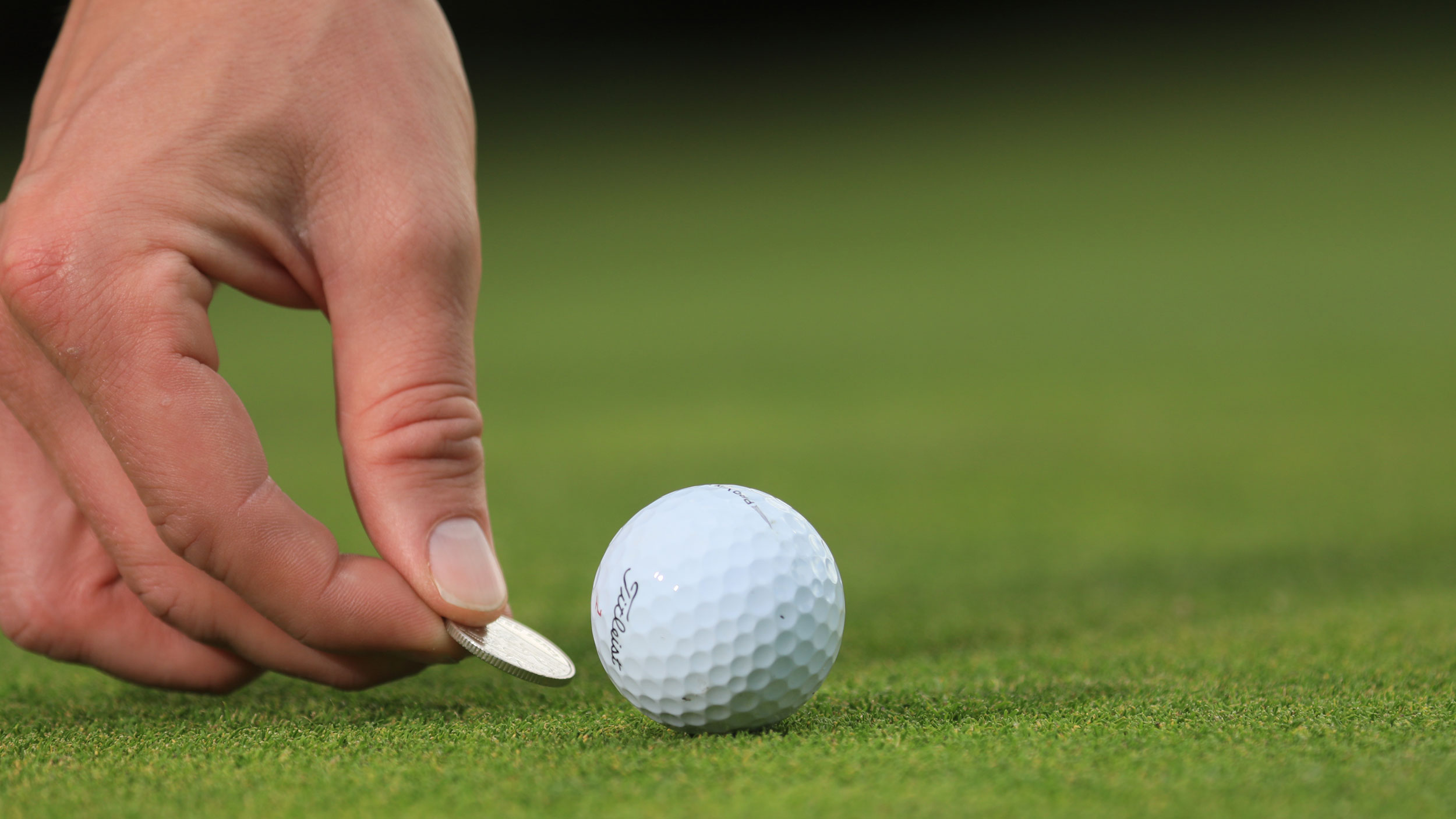
Tournament play enforces stricter rules about markings. Key points to remember:
- Markings must not give you a competitive advantage by altering the ball’s surface or aiding your putting beyond identification.
- Some organizers prohibit reflective or moving stickers and may restrict colors on the ball’s surface.
- Always check the event’s local rules and, when in doubt, ask the committee before the round.
If you’re unsure, opt for a simple ink line or initials. They are almost always accepted and easy to remove if required.
Care and maintenance of marked balls
A little care extends the life of your mark and the ball.
- Routine cleaning
- Wipe the ball after each hole to keep marks visible.
- Reapply if needed
- If a mark fades, re-mark during a natural pause, like between holes.
- Store smart
- Heat and chemicals can fade ink. Keep balls in a cool bag compartment.
- Track wear
- Replace balls when scuffs or dings make marks unclear. It preserves confidence and consistency.
I rotate a set of marked balls through play and practice. When a mark weakens, I re-mark at the first tee before the next round.
Products and tools I recommend
A few reliable tools make marking easy and durable.
- Fine-tip permanent marker (black)
- Quick and visible on most balls.
- Paint pen (white or bright color)
- Lasts longer and works well on darker balls.
- Custom ball stamp
- Ideal if you mark multiple balls the same way.
- Small microfiber towel
- Keeps marks clean and helps ink stick.
Try combinations to see what works in your climate and on your favorite ball brand. Test marks on a practice ball first.
Frequently Asked Questions of how to mark your golf ball
How small or large should my mark be?
Keep the mark small and simple—big enough to identify the ball but not so large that it alters the ball’s behavior. A line or initials about the size of a fingertip is ideal.
Will marking my ball affect ball performance?
A small ink or stamp mark does not affect performance when done properly. Avoid heavy coatings, stickers, or alterations that change surface texture or aerodynamics.
Can I use any color to mark my ball?
Most colors are fine for casual play; choose a contrasting color for visibility. For tournaments, avoid reflective or metallic colors and check local rules first.
How do I remove or change a mark?
Use rubbing alcohol on a cloth to gently remove most marker or paint marks, then reapply a new mark once dry. Test on one ball first to avoid damage.
Is it okay to use stickers on my golf ball?
Stickers work for temporary ID but may peel or be disallowed in formal play. Use stickers only in casual rounds and replace them with ink or stamps for tournaments.
Conclusion
Marking your golf ball is a small habit that yields big benefits. When you learn how to mark your golf ball correctly, you speed up play, avoid disputes, and gain a simple alignment tool for putting. Practice a consistent method, keep marks simple and legal, and carry basic tools in your bag. Try the techniques here on a practice ball, pick the method that fits your style, and make marking part of your pre-putt routine. If this guide helped, leave a comment with your favorite mark or subscribe for more practical golf tips.