How To Hit Down On The Golf Ball: Simple Swing Fixes
Hit down on the golf ball by striking slightly before the ball with forward shaft lean.
I’ve coached and played for years, and this guide explains exactly how to hit down on the golf ball with clear steps, drills, and common fixes. You’ll learn the mechanics, setup cues, practical drills, and a simple practice plan so you can compress iron shots, create crisp divots, and control spin — all without overcomplicating your swing. Read on for proven methods and friendly, experience-based tips that you can try on the range today.

Why hitting down on the golf ball matters
Hitting down on the golf ball creates compression, consistent contact, and controlled spin. For irons, this produces better distance, tighter ball flight, and reliable stopping power on the green. Learning how to hit down on the golf ball transforms thin or fat shots into clean, solid strikes and builds confidence with mid and short irons.

The mechanics behind how to hit down on the golf ball
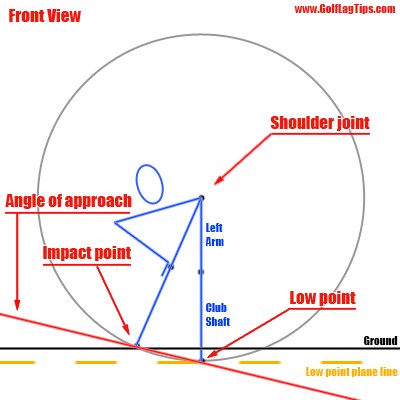
To hit down on the golf ball you must get the club’s low point just after the ball. That means the clubhead is moving slightly downward through impact so the leading edge compresses the ball into the turf. Key mechanics include forward shaft lean at impact, a descending angle of attack, and stable lower-body support.
- Weight transfer: Keep weight slightly forward at impact to move the low point ahead of the ball.
- Shaft lean: A small forward shaft lean delofts the club and helps compress the ball.
- Low point control: Train the swing to have the lowest point just past the ball for a clean divot after contact.
From my experience, once you understand these mechanics, you can quickly spot why shots miss high or thin and make precise corrections.

Setup and stance to promote hitting down
Correct setup makes hitting down repeatable and easy. Small setup changes drastically affect how to hit down on the golf ball.
- Ball position: Place the ball slightly back of center for most irons to encourage a descending blow.
- Weight distribution: Start with weight slightly toward the front foot and keep it there through impact.
- Spine angle: Tilt your upper body slightly away from the target so the hands are ahead of the ball at impact.
- Hands and shaft: Grip so your hands sit ahead of the ball and the shaft leans forward at address.
I used to place the ball too far forward, which caused me to lift and top shots. Shifting the ball back a half club length and feeling a bit of forward shaft lean fixed it fast.
 sequence and move-by-move checklist”
style=”max-width: 100%; height: auto; border: 2px solid black; border-radius: 10px; display: block; margin: 0 auto;”
loading=”lazy”
/>
Swing sequence and move-by-move checklist
A consistent sequence helps you learn how to hit down on the golf ball every time. Follow this simple checklist when you practice.
- Set up with ball back of center and hands ahead of the ball.
- Take a smooth shoulder turn while keeping lower body stable.
- Start the downswing with a quiet lower body, shifting weight slightly forward.
- Maintain wrist angle until just before impact to avoid flipping.
- Strike the ball first, then allow the club to take a divot after contact.
Practice this sequence slowly. I often rehearse the final move — hands forward, strike, and divot — to engrain the low-point timing.

Drills to learn how to hit down on the golf ball
Structured drills speed learning. Below are practical, repeatable drills focused on how to hit down on the golf ball.
- Towel or tee under the ball drill: Place a towel a few inches behind the ball. Practice hitting the ball without striking the towel to train a forward low point.
- Impact bag drill: Hit an impact bag or cushion to feel forward shaft lean and compressive impact.
- Tee drill: Place a tee sticking out of the ground an inch behind the ball. Avoid the tee to encourage a descending strike.
- One-handed drill: Hit half shots with your left hand (right-handers) to learn to release later and keep the low point forward.
- Divot focus drill: After each shot, inspect divot location. Aim for a divot that starts just ahead of the ball's original position.
I use the towel drill before every practice session. It quickly reveals whether my low point is correct and forces me to feel the proper impact position.

Common mistakes and how to fix them
Many golfers know the goal but miss a few predictable errors. Here are common issues when learning how to hit down on the golf ball and easy fixes.
- Early extension: Fix by maintaining hip bend and feeling the right buttock stay back during the downswing.
- Flipping the wrists: Delay the release and practice the impact bag to feel a solid, forward-leaning contact.
- Ball too far forward: Move the ball slightly back to allow a descending strike.
- Lifting up through impact: Keep your head behind the ball and focus on rotating through the shot.
- Swaying hips: Practice a stable lower body and initiate downswing with hip turn rather than lateral movement.
I once spent months correcting a flip. Short focused drills and slow-motion swings fixed the timing in a week.

Equipment, loft, and club selection
Equipment affects how to hit down on the golf ball. Club choice and setup can either help or hinder a descending blow.
- Club length and lie: Use properly fitted irons to make consistent low-point control easier.
- Loft: Higher-lofted irons allow easier contact but still require a slight downward attack to compress.
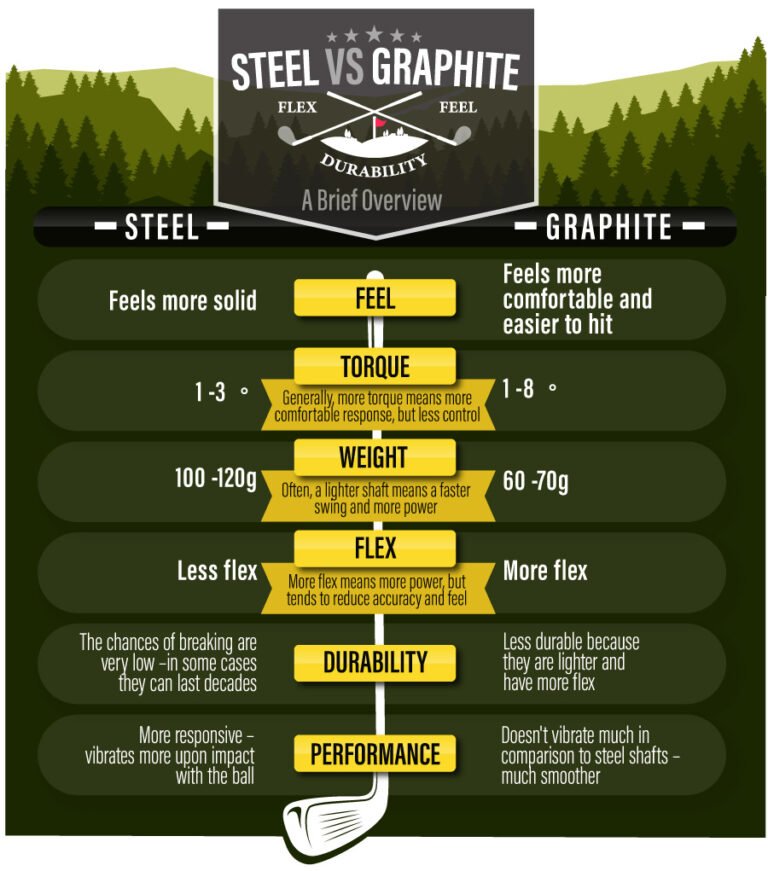
- Shaft flex: Too soft a shaft can promote flipping. Choose a shaft that matches your swing speed and tempo.
- Clubface: Keep the face square at impact; an open face can cause thin shots even with a descending blow.
If you struggle despite good technique, a fitting session often reveals equipment mismatches that make hitting down harder than it should be.

Practice plan and progression
A structured plan helps you internalize how to hit down on the golf ball without wasting range time. Try this 4-week progression.
Week 1: Setup and feel
- Focus on ball position and forward shaft lean.
- Do 50 towel-drill swings daily with a short iron.
Week 2: Impact and timing
- Add impact bag and one-handed drills.
- Practice 8 sets of 10 reps, emphasizing forward low point.
Week 3: Speed and transition
- Reintroduce full swings with mid-irons.
- Record swings and check divot position after each shot.
Week 4: On-course application
- Hit target-based iron shots on the course.
- Monitor ball flight and divot shape; adjust as necessary.
I recommend short, focused sessions rather than long, unfocused practice. Ten good swings beat fifty sloppy ones.
Frequently Asked Questions of how to hit down on the golf ball
How do I change my low point to hit down on the golf ball?
Shift your weight slightly forward at setup and through impact, and feel the hands leading the clubhead. Use the towel or tee drill to train the low point just after the ball.
Can I hit down with a driver or only with irons?
You generally hit up with the driver and down with irons. Learn to hit down on the golf ball for irons while keeping a positive angle of attack with your driver.
Why do I still top the ball after trying to hit down?
Topping often comes from lifting your head or early extension during the downswing. Keep your spine angle and focus on rotating through the shot.
How much forward shaft lean should I use?
Only a small amount — enough to feel the hands ahead of the ball at impact. Too much lean can reduce loft excessively and alter ball flight.
How long will it take to learn to hit down consistently?
With focused practice and correct drills, many golfers see improvement within a few weeks. Consistent, short practice sessions accelerate the learning curve.
Will changing equipment help me hit down on the golf ball?
Properly fitted clubs can help. If your clubs are too long, too upright, or have the wrong shaft flex, low-point control becomes harder.
Conclusion
Hitting down on the golf ball is a repeatable skill you can learn with the right setup, feel, and drills. Focus on ball position, forward shaft lean, a stable lower body, and simple drills like the towel and impact bag to build reliable compression. Start small, track divot patterns, and practice with purpose to see steady improvement. Try the suggested drills this week, leave a comment on your progress, and subscribe or follow for more practical tips to lower your scores.