How To Hit A Golf Ball Farther: Proven Distance Tips
To hit a golf ball farther, increase clubhead speed, optimize launch angle, and strike the ball solidly.
I’ve spent years coaching and testing swing changes, gear tweaks, and fitness routines to help players learn how to hit a golf ball farther. This guide breaks the topic into clear, practical steps you can use today: the physics behind distance, swing mechanics, equipment, drills, fitness, and course strategy. Read on for proven methods, easy drills, and honest pitfalls so you can add reliable yards to your shots.
Understanding the basics: what controls distance and how to hit a golf ball farther
Distance comes from three core factors: ball speed, launch angle, and spin. Ball speed is clubhead speed multiplied by smash factor, which depends on solid impact. Launch angle and backspin determine the ball’s flight and carry. Understanding these elements is the fastest way to improve how to hit a golf ball farther without wild swings or gimmicks.

Swing mechanics to hit a golf ball farther
Efficient mechanics create speed and consistency. Focus on these key elements to learn how to hit a golf ball farther.
- Grip and setup. Use a neutral grip and slightly stronger lead hand if you slice. Ball position moves forward for longer clubs to allow an upward hit.
- Coil and shoulder turn. Create a wide shoulder turn and coil your torso around your lower body to store energy.
- Weight shift and hip drive. Transfer weight from back to front and drive the hips toward the target to release power.
- Lag and release. Maintain lag in the downswing and then release through impact for maximum clubhead speed.
- Solid impact. Hit the ball first, then the turf with irons, and catch drivers slightly on the upswing for added launch.
From my experience, small changes in sequence beat trying to swing harder. Work on one mechanic at a time and measure results.
Equipment and ball choices that help you hit a golf ball farther
Right gear can add yards when it matches your swing. Consider these points when choosing equipment to help you hit a golf ball farther.
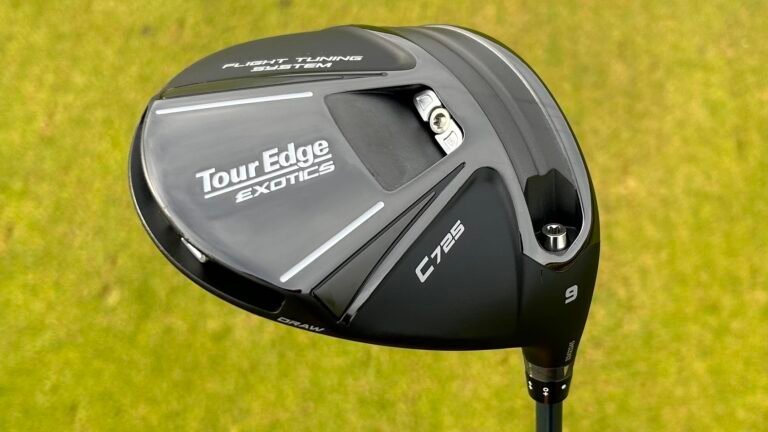
- Driver loft and face. Higher loft can increase carry if you have moderate clubhead speed. Lower loft helps high-speed players reduce spin.
- Shaft flex and length. Proper flex saves energy and promotes consistency; a slight length increase can add speed but reduce control.
- Club head design. Modern drivers with higher MOI help miss-hits still go farther.
- Ball compression and spin. Low-spin balls reduce backspin for added roll; mid-compression balls suit moderate swing speeds.
I once switched a player to a slightly more flexible shaft and gained five clear yards with no swing change. Get a fitting if possible; numbers reveal what feels hidden.

Fitness, mobility, and drills to increase clubhead speed and distance
Strength and mobility let you repeat a powerful, safe swing. Targeted training improves how to hit a golf ball farther.
- Hip and thoracic mobility. Better rotation increases coil and release.
- Core and glute strength. These muscles transfer force from ground to club efficiently.
- Speed training. Short, explosive medicine-ball throws and resisted swings build power without harming swing mechanics.
- Flexibility drills. Daily shoulder and hip stretches preserve range of motion essential for a full turn.
I recommend two 20-minute sessions per week focusing on mobility and explosiveness. Progress slowly to avoid injury and measure improvements with a launch monitor or radar device.

Practice drills and routines to make gains repeatable
Good practice turns gains into consistent yards. Use these drills to practice how to hit a golf ball farther.
- Tee-box launch drill. Tee the ball higher and swing at 75–85% to feel a proper upward strike for the driver.
- Impact tape check. Use tape or foot spray to see where you hit the clubface and adjust to center.
- Weighted or resistance swings. Half-swings with a light resistance band build speed safely.
- Swing sequence drill. Pause at the top, start the downswing with hips, and swing through to ingrain the correct sequence.
- Track progress. Record clubhead speed, launch angle, and carry to see what works.
Consistency matters more than one giant swing change. Practice smart, not just long.
Course strategy, weather, and ball flight: using conditions to get more distance
Distance isn’t just swing power. Course conditions and strategy affect how to hit a golf ball farther in real play.
- Wind direction. Hit lower shots into the wind and fuller shots with a tailwind to maximize carry and roll.
- Firmness of the fairway. On dry courses, expect more roll; pick a lower-spinning ball to take advantage.
- Tee placement. Angle the face and tee height to promote an ideal launch angle for more distance.
- Shot selection. Sometimes a controlled 3-wood or hybrid gives more real distance than a risky driver.
Learning how to hit a golf ball farther also means learning when to be conservative. Smart choices save strokes and keep confidence high.
Common mistakes and fixes when trying to hit the ball farther
Trying too hard often costs yards. Address these common errors to improve how to hit a golf ball farther.
- Overswinging and losing sequence. Fix with slow-motion drills and focus on hip drive first.
- Poor impact position. Work on ball-first contact and face awareness with short, controlled swings.
- Wrong equipment. Get fitted to avoid a mismatch that costs distance and accuracy.
- Neglecting fitness. Limited rotation or weak legs cap your power gains; add mobility and strength work.
I’ve seen golfers add 15 yards simply by fixing impact and sequencing, without adding strength or new clubs.
Frequently Asked Questions of how to hit a golf ball farther
How much can I realistically add to my drive?
Most recreational golfers can add 10 to 30 yards with proper mechanics, equipment, and fitness work over a few months. Results depend on starting skill, consistency, and training commitment.
Should I just swing harder to hit the ball farther?
Swinging harder often reduces sequence and accuracy; focus on technique, efficient rotation, and timing to gain controlled speed. Power comes from efficient movement, not brute force.
What launch angle gives the most distance?
Optimal launch angle varies by swing speed, but many players find 12–16 degrees with moderate spin works well for drivers. Use a launch monitor to find your personal sweet spot for how to hit a golf ball farther.
Will a better ball really help me hit farther?
Yes. Choosing a ball with lower spin and appropriate compression for your speed can increase roll and total distance. Match the ball to your swing speed for best results.
How long does it take to see distance improvements?
With focused practice and training, noticeable gains often appear in 4–8 weeks. Changes to equipment or fitting can show immediate differences.
Conclusion
Improving how to hit a golf ball farther is a mix of smart mechanics, the right gear, consistent practice, and targeted fitness. Start by measuring your ball speed and launch, then improve one thing at a time: setup, sequence, impact, or equipment. Small, repeatable gains stack into real yardage and confidence. Try one new drill this week, track the results, and make a plan to practice twice weekly. Share your progress or questions below and subscribe to stay updated with easy, actionable golf tips.