How To Stop Topping The Golf Ball: Fix Your Fat Shots
Keep your head steady, hit slightly down, and shift weight forward to avoid topping the golf ball.
As a golf coach and longtime player, I’ve helped beginners and mid-handicappers cure topping for good. This article breaks down why topping happens, step-by-step fixes, practical drills, and a simple practice plan you can use on the range and course. Expect clear instructions, real-world examples from my coaching, and quick checks you can use during warm-ups to stop topping the golf ball fast.
Why topping happens: root causes explained
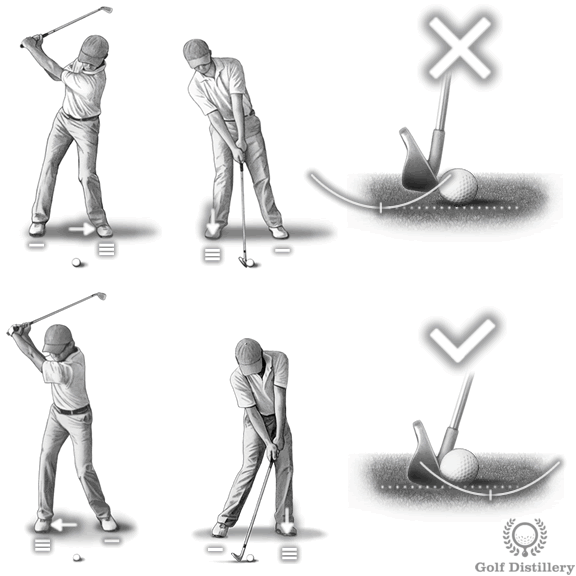
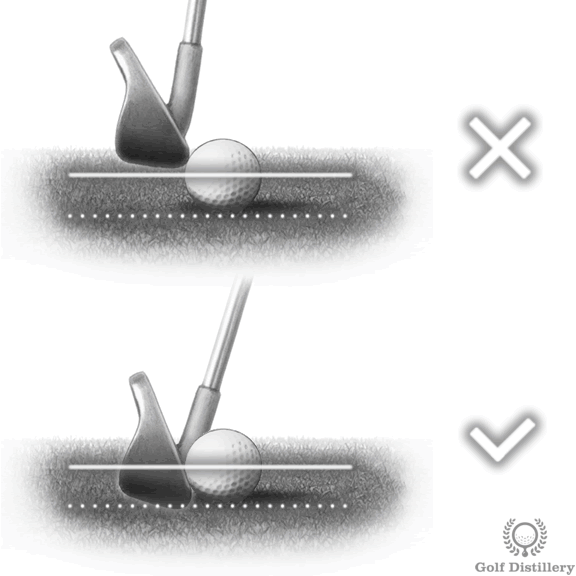
Topping the golf ball happens when the clubhead rises before it reaches the ball. That causes the club to skim the top of the ball instead of compressing it. Understanding the cause helps you choose the right fix.
Common causes
- Poor setup and ball position allow the club to climb too early.
- Not transferring weight to the front foot through impact.
- Lifting the head or early extension during the downswing.
- Trying to "help" the ball into the air by scooping with the hands.
- Using a ball position that is too far forward for the club.
How the body creates a topped shot
- Early body rotation can raise the upper body and the club.
- Hanging back on the rear foot prevents the angle of attack from tipping down.
- Weak wrist hinge or losing lag lets the hands flip upward.
My coaching experience
- I’ve seen most students top because they fear hitting down. They try to lift the ball, making the problem worse.
- A single tweak in weight shift or ball position often cures topping for weeks.
- Small, repeatable drills beat complicated swing theory when learning how to stop topping the golf ball.
Setup fixes to stop topping the golf ball
Fixing your setup is the fastest way to stop topping the golf ball. Small changes create a consistent angle of attack and make solid contact simple.
Checklist for a reliable setup
- Ball position
- Move the ball slightly back for irons and wedges.
- For a 7-iron, place the ball just ahead of center.
- Posture
- Bend from the hips, not the waist, keeping a slight knee flex.
- Keep your spine tilt stable and your eyes over the ball.
- Weight distribution
- Start with about 55% weight on the front foot for irons.
- Feel the weight toward the instep of the front foot.
- Grip and hand position
- Avoid an overly weak grip that encourages flipping the hands up.
- Keep wrists soft but not floppy.
Quick setup routine before every shot
- Pick a target and visualize a low-to-mid trajectory.
- Align feet and shoulders to the target.
- Place the ball slightly back for short irons, center for mid irons, forward for fairway woods.
- Feel 55/45 weight forward and press slightly into the lead foot.

Swing drills and practice routine to stop topping the golf ball
Drills are the bridge between understanding and consistent execution. Use these in short, focused sessions.
Drill: The towel under the armpit
- Place a small towel under your lead armpit and make half swings.
- The towel stays in place if your body stays connected and you avoid lifting.
- Repeat 20 times. This builds connection and prevents early extension.
Drill: Tee or headcover drill
- Place a tee or headcover about an inch behind the ball.
- Practice hitting the ball while avoiding the tee: this forces a downward strike.
- Use short swings until you can hit the ball cleanly without touching the tee.
Drill: Step-through drill
- Take your normal setup, make a half swing, and step your lead foot forward through impact.
- This encourages forward weight shift and prevents hanging back.
- Perform 10 reps focusing on a descending blow.
Progressive practice plan (30 minutes)
- 5 minutes warm-up with short wedges and feel for low trajectory.
- 10 minutes towel under armpit drill, 30 reps.
- 10 minutes tee-behind-ball drill, hit 40 balls.
- 5 minutes on-course application: play three holes focusing on setup and weight shift.
Personal tip from coaching
- I ask students to film 10 swings once per week. Watching slow-motion impact helps them see early extension and correct it quicker than feel alone.

Equipment, ball position, and shot selection
Sometimes the issue isn’t only technique. Equipment and choices matter when learning how to stop topping the golf ball.
Ball position guidelines
- Wedges and short irons: ball slightly back of center.
- Mid irons: ball near center.
- Long irons and woods: ball moves forward in the stance.
Shaft length and lie
- Clubs that are too long make control harder and encourage topping.
- Ensure your clubs fit your height and posture. A proper lie angle helps you sweep through the ball correctly.
Ball type and tee height
- A higher tee for fairway woods encourages sweeping that is fine for a driver but not for irons.
- For hybrid and irons, keep the ball low on the turf to allow a descending strike.
Shot selection
- If you feel inconsistent with long irons, switch to a hybrid or fairway wood.
- Use controlled swings when you are nervous; tension increases the chance of topping the ball.

Common mistakes and troubleshooting
Spotting common errors helps you diagnose why you still top the ball. These checks are quick and effective.
Mistake: Lifting the head
- Check: Are you checking for the ball before impact? That lifts the spine and causes topping.
- Fix: Pick a spot just behind the ball to focus on and keep eyes steady.
Mistake: Hanging back
- Check: Do your shoes dig into the ground or does your rear foot carry the weight at impact?
- Fix: Practice hitting shots with weight forward and feel a strong front-side finish.
Mistake: Flipping wrists at impact
- Check: Does the clubhead seem to pop up at contact?
- Fix: Work on lag drills and hold the club through impact to prevent flipping.
PAA-style questions
How can I tell if I am topping the ball or fatting it?
Topping often produces low, thin shots where you hit the upper half of the ball. Fat shots dig turf before the ball and usually feel like heavy contact.
Will standing closer to the ball stop topping?
Standing closer can help you hit down on the ball. Be careful not to crowd the ball so much that your swing path becomes too steep.
Is topping caused by swing speed or timing?
Topping is mostly a timing and weight-transfer issue, not speed. Slower swings can still top if weight stays back or the head lifts.
Putting the fixes into a simple practice routine
Consistency comes from repetition with purpose. Use this short weekly routine to stamp out topping.
Weekly routine (3 sessions)
- Session 1: Setup and drills (30 minutes). Focus on the towel and tee drills.
- Session 2: Ball-strike focus (30 minutes). Use mid-irons and record swings.
- Session 3: Course simulation (30 minutes). Play 3 holes hitting only controlled swings.
Performance checks
- Record 10 swings at the start and end of each week.
- Note ball flight: lower-than-normal flight or thin contact suggests topping.
- Track improvement: fewer topped shots, tighter dispersion, and better feel.
My real-world example
- I worked with a student who topped the ball on 40% of swings. After two weeks of the towel drill and a lighter grip, topping fell to 5%. The key was focusing on weight forward and not trying to "lift" the ball.

Advanced fixes and when to get a coach
If you’ve tried the basics and still top the ball, deeper issues may be at play. A coach can provide real-time feedback and video analysis.
When to seek coaching
- If you can’t feel weight shift after several weeks.
- If tipping or spinal movement remains inconsistent.
- If equipment fit may be a problem.
What a coach will do
- Provide slow-motion video of impact to identify early extension.
- Use pressure mats or launch monitors to measure weight shift and angle of attack.
- Create a tailored drill plan and monitor progress.
Frequently Asked Questions of how to stop topping the golf ball
What is the quickest way to stop topping the ball?
The fastest fix is to shift weight slightly forward at setup and practice the towel-under-armpit drill to keep your body connected through impact.
How does ball position affect topping?
Ball too far forward increases the chance of the club rising before impact. Move the ball back for irons to encourage a downward strike.
Can I stop topping by changing my grip?
A firmer, neutral grip can reduce flipping the wrists, but grip change alone often won’t fix weight transfer or head movement issues.
How long will it take to stop topping the ball?
With focused practice and the right drills, most players see big improvement within 2–4 weeks. Consistency depends on practice frequency.
Should I use different clubs to avoid topping?
Using hybrids or clubs you handle better can reduce topped shots on the course, but technique fixes are the lasting solution.
Conclusion
Topping the golf ball is fixable with simple, repeatable changes: adjust ball position, move your weight forward, maintain posture, and drill with purpose. Start with the towel and tee drills, film your swing, and apply the weekly routine. With consistent work and occasional coaching, you’ll replace topped shots with solid contact and more confidence.
Try these steps on your next practice session and leave a comment on what worked for you or what you want help fixing next.