Iron Shaft Weight: How To Choose The Right Shaft
Iron shaft weight typically ranges from 90 to 130 grams, varying by club design and player need.
I have worked with golfers and clubmakers for years, testing dozens of shafts and measuring how iron shaft weight changes feel, launch, and consistency. This article explains iron shaft weight in plain terms, shares hands-on tips from fitting sessions, and gives you the facts to pick the right shaft weight for better ball flight and more confidence on the course. Read on to learn how small weight changes make a big difference and how to test shafts like a pro.

Understanding iron shaft weight
Iron shaft weight refers to the mass of the shaft only, measured in grams. Shaft weight affects swing tempo, club head feel, and the energy delivered to the ball. Lighter shafts often produce faster swing speed but can reduce control. Heavier shafts can increase stability and shot consistency for many players.

How iron shaft weight affects ball flight and feel
Shaft weight influences launch angle, spin, and dispersion. Lighter shafts tend to create higher launch and slightly more spin for the same club head speed. Heavier shafts often lower launch and reduce spin, helping players who need a more penetrating ball flight. Feel is subjective, but many players report more feedback and a “solid” sensation with heavier shafts.

Choosing the right iron shaft weight for your game
Start with your swing speed and tempo. Faster swingers usually benefit from slightly heavier shafts to tame torque and improve accuracy. Slower swingers often gain distance and ease with lighter shafts. Consider these steps when choosing:
- Measure your swing speed with a launch monitor or at a fitting session.
- Test shafts in 5-gram increments where possible to feel the difference.
- Match shaft stiffness and weight together—don’t isolate weight alone.
- Think about clubhead mass; heavier heads pair well with slightly lighter shafts to keep overall club weight manageable.
From my fittings, a common pattern appears: recreational men average iron shaft weight near 95–105 grams, while tour-style players often use 110–125 grams. Personal comfort and consistency should lead your choice.
Materials and manufacturing influence on iron shaft weight
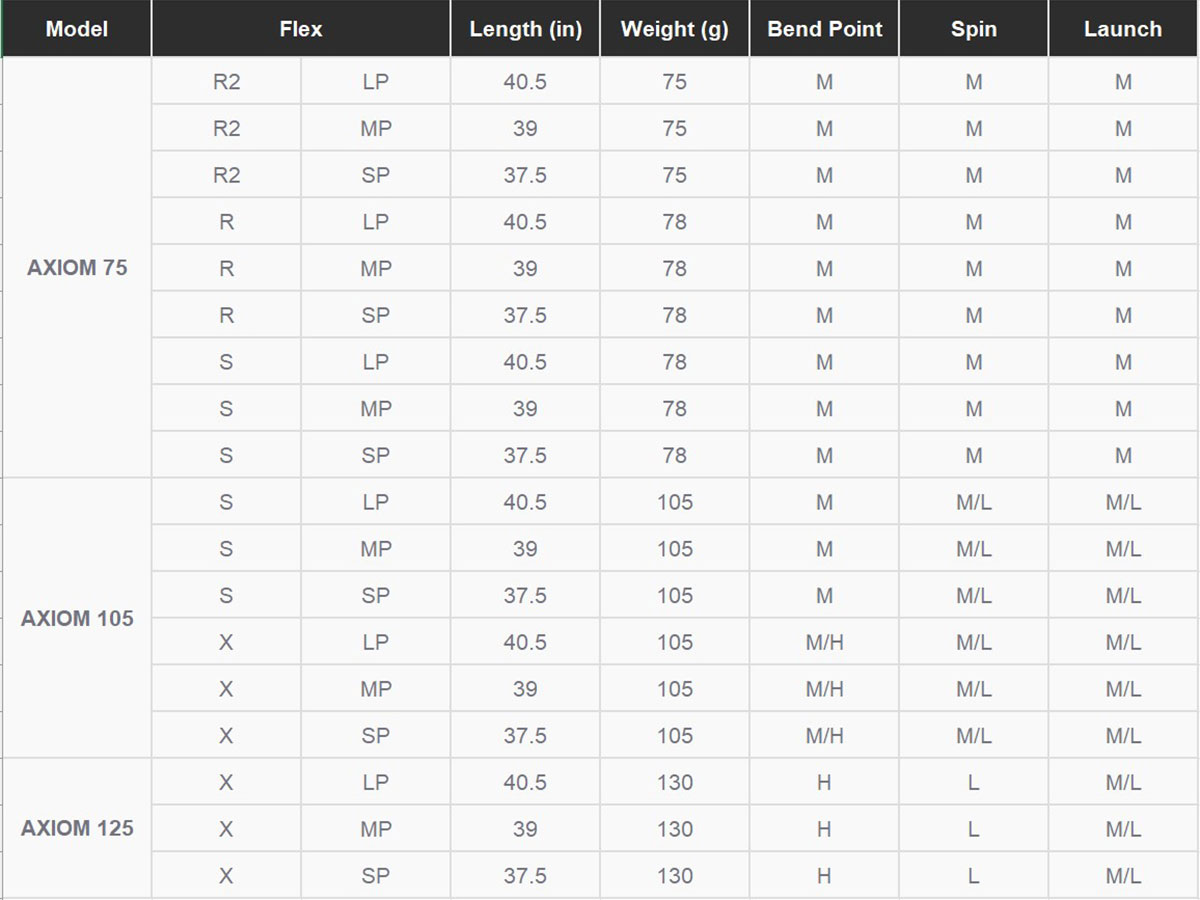
Steel is the most common material for iron shafts and offers predictable weights in standard ranges. Modern manufacturing tweaks, like different steel alloys or hollow-construction designs, can alter weight without changing stiffness. Some companies add wall-thickness variations to shift weight distribution. Graphite iron shafts are lighter but more costly, and they change feel and vibration in a noticeable way. Always check spec sheets and, when possible, hold and swing the actual shaft to confirm the feel.

Testing and measuring iron shaft weight
You can measure a shaft’s weight in a few ways. The simplest is using a precision kitchen scale to weigh the shaft by itself. Clubmakers use a swingweight machine and a digital scale to calculate overall club weight and balance. When testing feel:
- Hit balls with shafts that differ by 5–10 grams to notice meaningful change.
- Record launch monitor data to compare carry, spin, and dispersion.
- Note perceived tempo and fatigue after hitting multiple shots.
I once tested three shafts for a client who wanted more control. The 8-gram heavier option tightened dispersion by 15 yards while keeping carry nearly identical. Data plus feel gave us confidence to pick the heavier shaft.
Common misconceptions about iron shaft weight
Many golfers think lighter always equals longer distance. That is not always true. If a lighter shaft causes poor timing, distance and accuracy can both fall. Another myth is that heavier shafts are only for older players. Some experienced players prefer heavier shafts to get consistent strikes. The best path is to test and measure, not assume.

Frequently Asked Questions of iron shaft weight
What is a typical iron shaft weight for average players?
Most average adult players use iron shaft weight between 90 and 105 grams. This range balances distance and control for many recreational golfers.
Does heavier iron shaft weight reduce spin?
Yes, heavier shafts can reduce spin slightly by producing a more stable release and lower launch for many players. The exact change depends on launch conditions and shaft flex.
Can changing iron shaft weight increase swing speed?
Lighter iron shaft weight can increase swing speed if the player maintains timing and control. However, gains can be lost if the lighter shaft disrupts tempo.
How much difference does 5 grams make in feel?
A 5-gram change is often noticeable but modest; many players feel a clear difference after a few swings. A 10-gram shift usually produces a definite change in tempo and ball flight.
Should I match shaft weight to clubhead or to my swing?
Match shaft weight to both clubhead and swing for best results. Work with a fitter or test different combos to find the best balance of feel, launch, and accuracy.
Conclusion
Choosing the right iron shaft weight matters for distance, control, and confidence. Test with data and feel, and be willing to try small weight steps to find what suits your swing. If you want better results, schedule a fitting, test multiple shafts, and make changes based on launch monitor numbers and your own comfort. Try what you learned here on the range, share your results, and consider subscribing or commenting to join the conversation.