Golf Smash Factor: Boost Ball Speed And Distance
Smash factor is the ball speed divided by clubhead speed—simple, telling, and easy to measure.
I have coached players and tracked launch monitors for years, so I know what truly changes a number on a screen. This guide explains golf smash factor from basics to advanced tweaks. You will learn what smash factor measures, why it matters, how to test it, and real tips that improved my own numbers. Read on to get practical steps that you can use on the range right away.
What is golf smash factor?
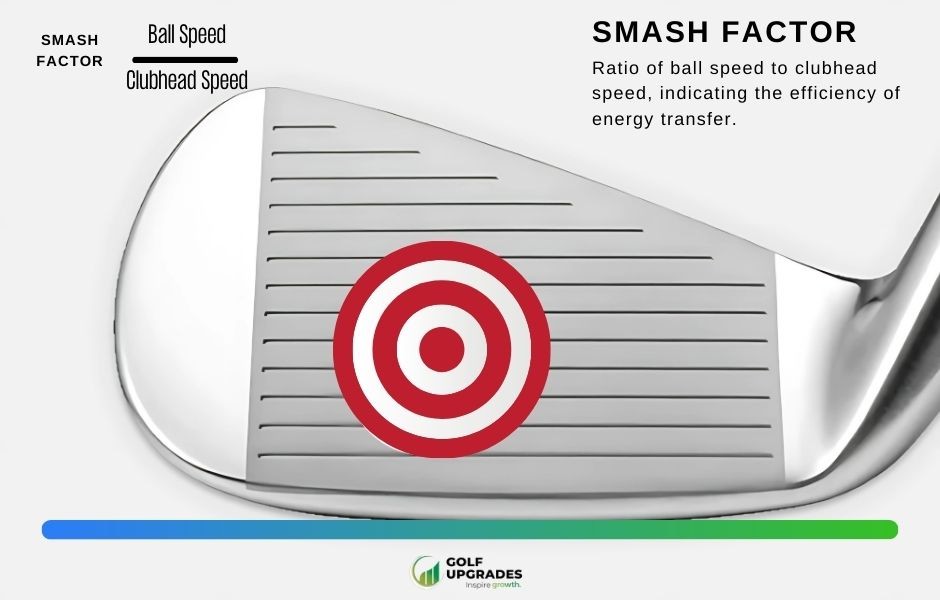
Smash factor is a ratio. It divides ball speed by clubhead speed. The result shows how well energy transfers from club to ball. A higher golf smash factor means more ball speed for the same swing speed.
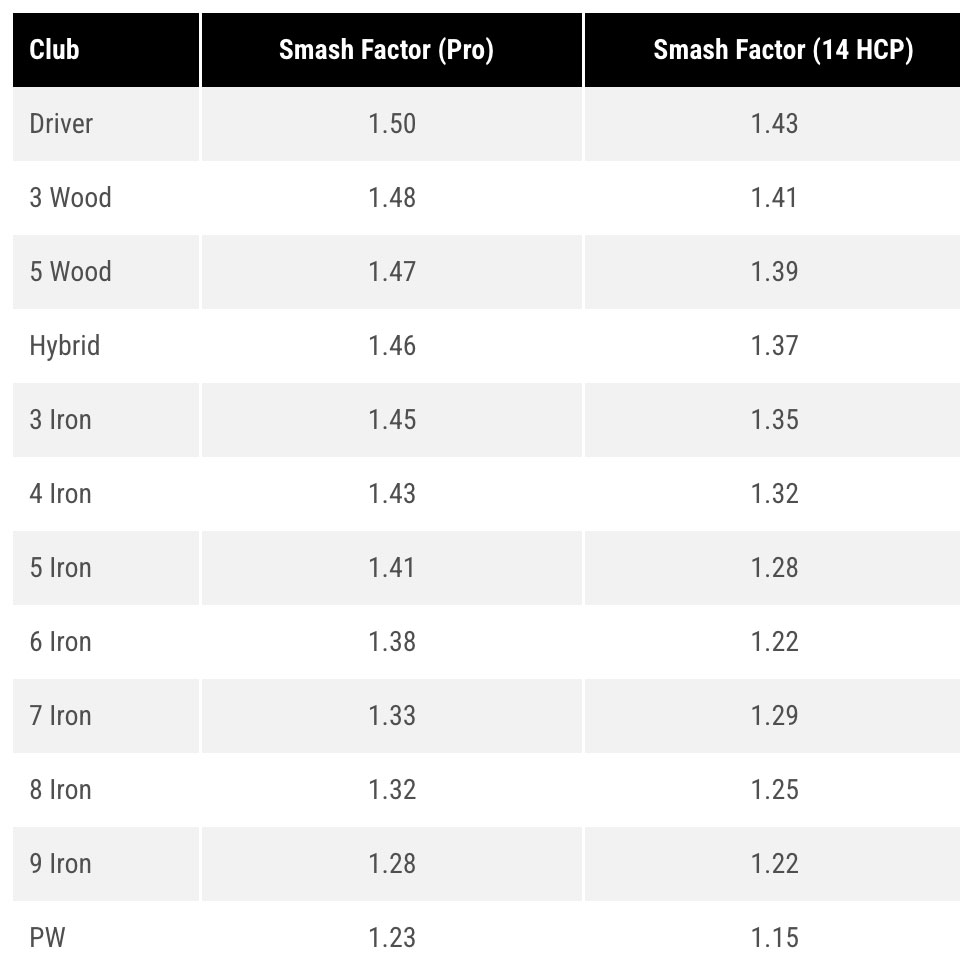
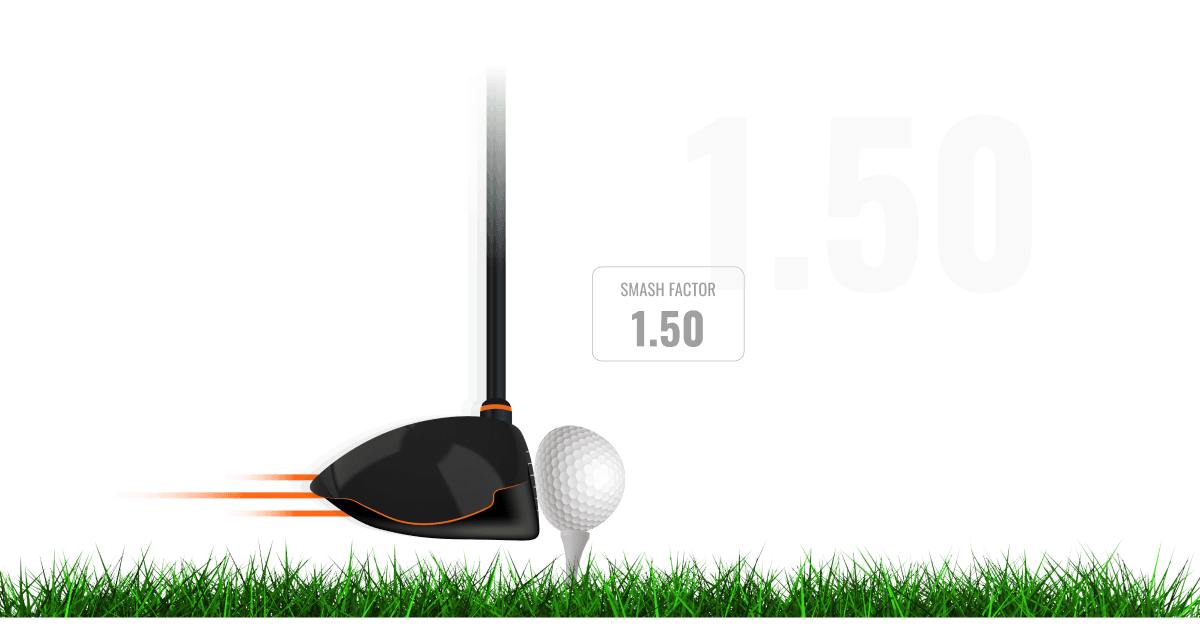
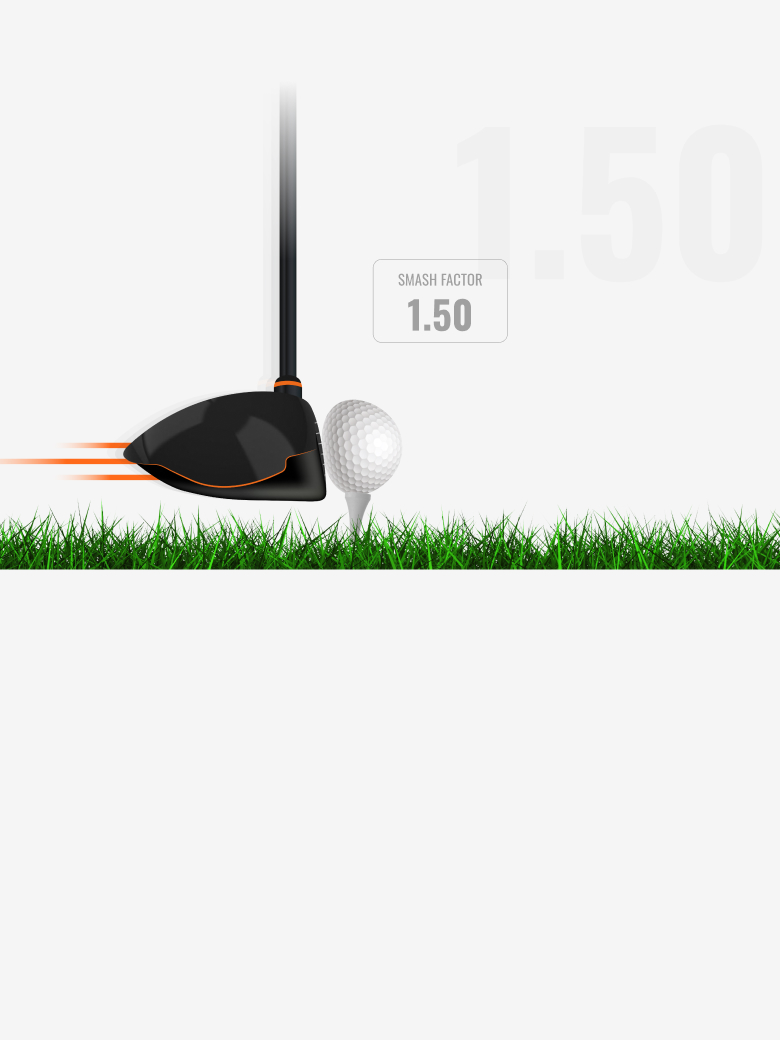
Smash factor varies by club and impact quality. For drivers, a perfect smash factor is around 1.50 for modern golf balls and heads. For irons, the number is lower, often around 1.30 or less.

Why golf smash factor matters
Smash factor links swing speed to distance. It tells you if you lose energy at impact. Two players can swing the same and get very different results. The one with the higher golf smash factor will typically hit the ball farther.
Measuring golf smash factor helps prioritize practice. If your smash factor is low, focus on contact and club setup. If it's high but distance is low, you may need more clubhead speed or a better ball.
How golf smash factor is measured
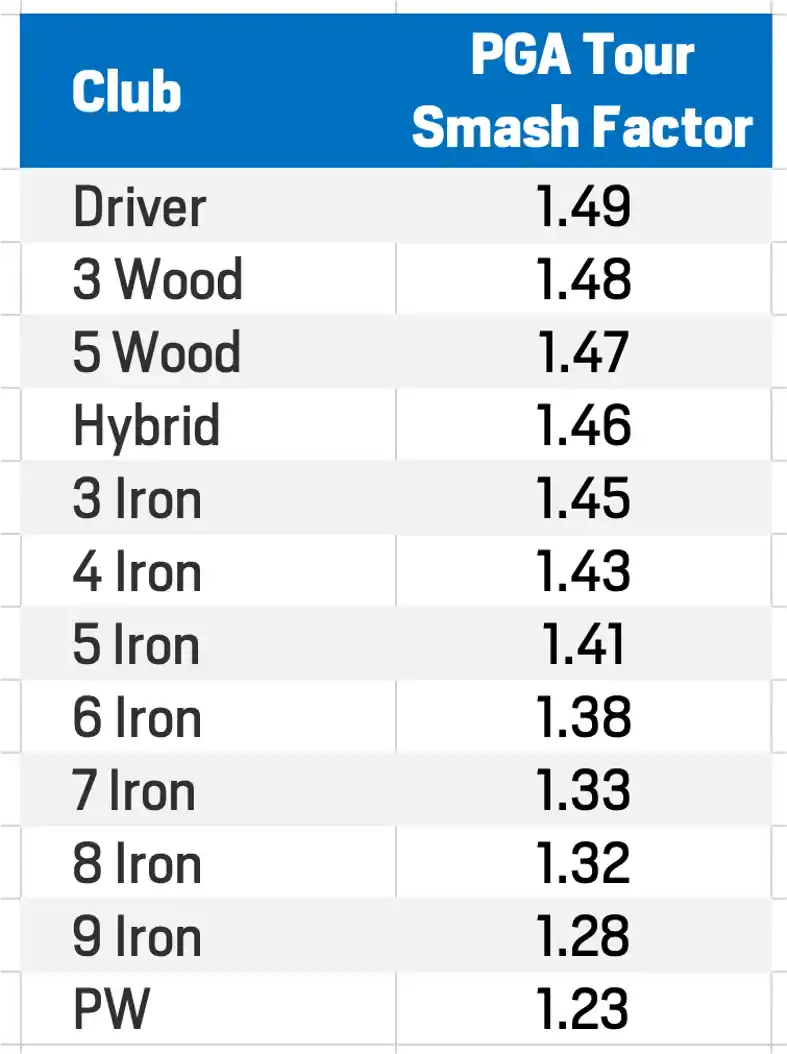
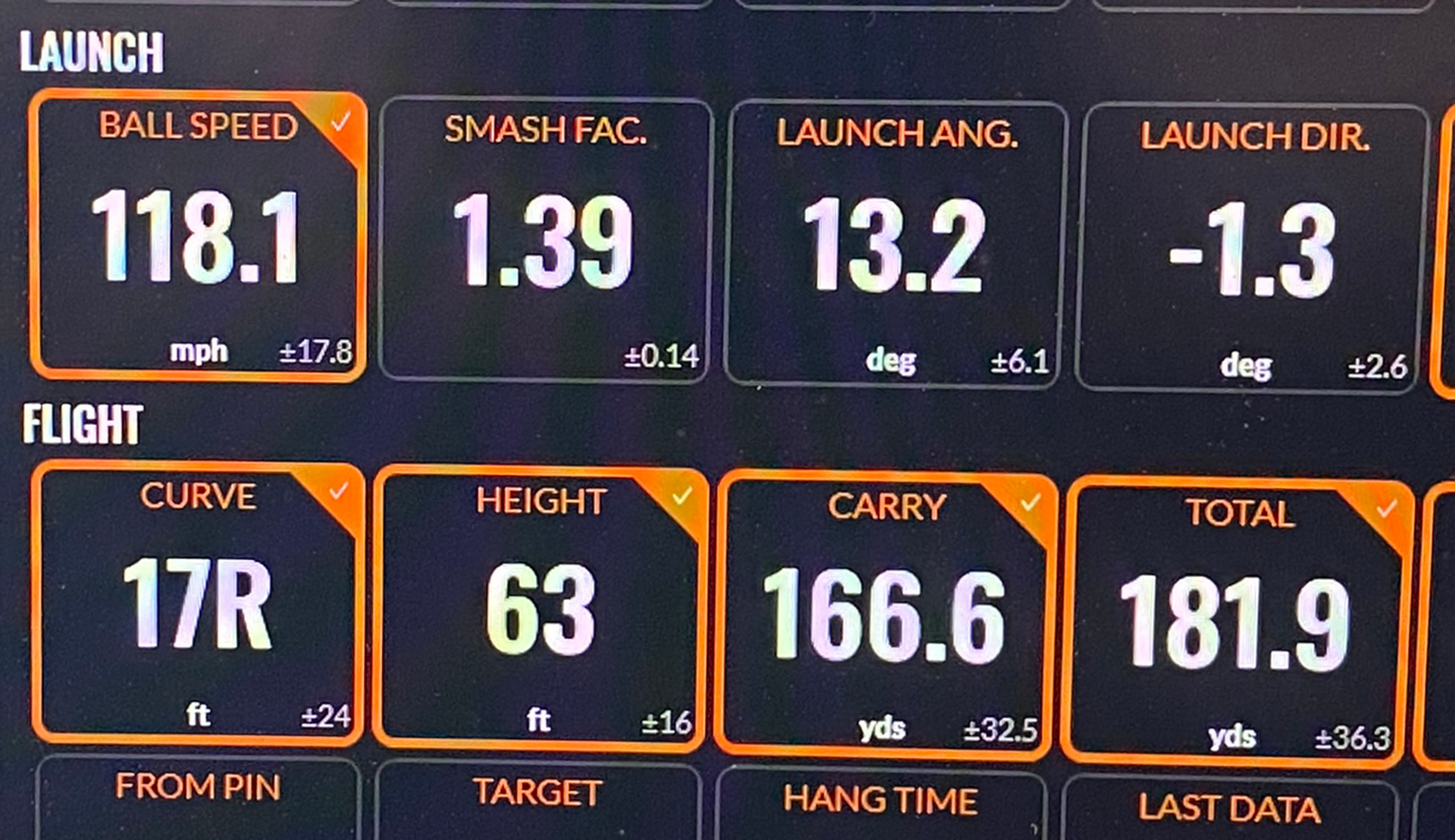
Launch monitors compute smash factor by dividing ball speed by clubhead speed. You need a reliable launch monitor or a simulator to get accurate numbers. The device reads clubhead speed just before impact and ball speed just after.
To test, hit a series of shots with the club you want to measure. Average the ball speed and club speed over several solid strikes. The average ball speed divided by average club speed gives your golf smash factor.
Typical benchmarks and what to expect
Driver benchmarks
- Average amateur driver smash factor: about 1.40 to 1.47.
- Good amateur driver smash factor: about 1.47 to 1.50.
- Elite amateur or pro driver smash factor: around 1.50 or slightly higher.
Iron benchmarks
- Short irons: 1.30 to 1.35 is common.
- Mid and long irons: expect lower numbers near 1.20 to 1.30.
- Irons vary more because loft and shaft flex change energy transfer.
Woods and hybrids
- Fairway woods and hybrids sit between irons and driver numbers.
- Hybrid smash factor often reads higher than a long iron with the same loft.
Factors that affect golf smash factor
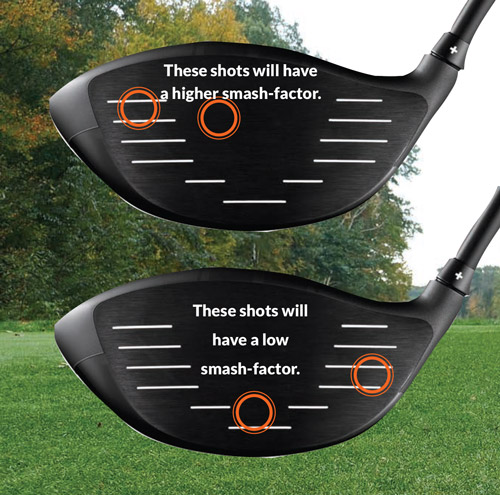
Impact location
- Center hits give the best smash factor.
- Off-center hits lower ball speed and reduce the number.
Loft at impact
- Effective loft changes ball speed.
- Too much or too little dynamic loft lowers smash factor.
Shaft and head design
- Club materials and face properties affect energy transfer.
- Modern driver faces are built to boost golf smash factor.
Ball choice
- Softer or lower compression balls can change ball speed.
- Use the same ball when testing to get valid golf smash factor readings.
Weather and tee height
- Wet conditions and cold air lower ball speed.
- For driver testing, tee height changes launch and can alter smash factor.
How to improve your golf smash factor — practical steps
Work on center contact
- Use foot spray or impact tape to see where you hit the face.
- Aim for the center. Small misses cost big numbers.
Control dynamic loft
- Practice making the club deliver the right loft at impact.
- Try drills that reduce flipping or scooping of the hands.
Improve angle of attack
- A slightly upward attack helps driver smash factor.
- For irons, a slightly descending blow is best.
Optimize equipment
- Get a club fitting to match shaft flex and loft.
- Try driver heads with high COR and modern face tech.
Use the right ball
- Test balls in the same session.
- Pick a ball that fits your swing speed and spin profile.
Drills I recommend
- Tee-to-turf drill: helps locate center for irons.
- Break-the-window drill: encourages forward shaft lean.
- Half-swings focused on face awareness: builds repeatability.

Common mistakes that lower smash factor
Hitting behind the ball
- This kills ball speed and sends the number way down.
Scooping at impact
- Lifting the club head raises loft and lowers transfer.
Over-swinging for speed
- Speed without control often reduces golf smash factor.
Wrong ball or faulty equipment
- A poor fit between ball and swing can hide your true ability.
Tech, tools, and tests to track smash factor
Launch monitors
- Portable units give club speed and ball speed quickly.
- Use consistent settings and the same ball for fair tests.
Smartphone apps and sensors
- Some sensors attach to the grip and estimate numbers.
- They can be less accurate but useful for trends.
Professional fitting sessions
- A fitter will measure golf smash factor along with spin and launch.
- Fitters can test multiple head and shaft combos.
DIY testing routine
- Warm up with 10 easy swings.
- Hit 10 solid shots and discard any miss-hits.
- Average the remaining speeds to calculate golf smash factor.
My personal experience: lessons and real results
When I started tracking golf smash factor, my driver number sat near 1.43. I practiced center contact and refined my tee height. In three months, it rose to 1.48. I gained about 10 yards without changing swing speed.
A key lesson I learned is this. Small, consistent changes beat big, erratic efforts. One swing change I made was to stop reversing my wrists at the top. That alone improved my golf smash factor by cleaning contact.
Another tip that worked for a student: switching to a slightly stiffer shaft improved his smash factor by 0.03. He kept the same speed but added ball speed and distance.
When golf smash factor is not the whole story
Smash factor is useful but not complete. It ignores spin, launch angle, and shot shape. A great smash factor with poor launch and high spin can still reduce carry. Always pair smash factor with launch and spin data for full insight.
Also, different clubs have different optimal ranges. Expect different goals for driver versus 7-iron. Use context to set realistic targets.
Putting it into practice: a simple 4-week plan
Week 1
- Test baseline golf smash factor with a launch monitor.
- Work on center contact drills.
Week 2
- Focus on dynamic loft and angle of attack.
- Make small swing changes and retest midweek.
Week 3
- Try equipment tweaks if needed.
- Test different balls and tee heights.
Week 4
- Re-test average numbers and compare to baseline.
- Lock in what worked and plan ongoing practice.
Frequently Asked Questions of golf smash factor
What is a good smash factor for a driver?
For amateurs, a good driver golf smash factor is around 1.47 to 1.50. Pros often reach about 1.50 consistently.
Can smash factor be improved with technique alone?
Yes. Better contact and correct loft at impact are major technique gains that raise golf smash factor. Small swing fixes often yield big changes.
Does smash factor measure club efficiency for irons?
It does, but iron smash factor is lower than driver. The number still helps compare contact quality and energy transfer.
Will changing the golf ball affect my smash factor?
Yes. Different balls change ball speed and spin. Use the same ball when testing golf smash factor to keep data consistent.
Is a higher smash factor always better?
Usually yes for distance, but not always for control. Pair golf smash factor with launch angle and spin to avoid trading accuracy for raw speed.
Conclusion
Smash factor is a clear, practical measure of how well your clubhead speed turns into ball speed. Track it, fix impact issues, and test gear to raise your numbers. Small, steady changes deliver the best gains — try the four-week plan and monitor results.
Take one step today: measure your baseline golf smash factor, pick one drill to improve contact, and retest in two weeks. If this guide helped, leave a comment or subscribe for more tips and drills.