Fairway Wood Vs Hybrid Explained: Which To Use
Fairway woods go long; hybrids are easier to hit and more forgiving around the course.
I’ve spent decades on the course testing clubs and fitting players. This clear, practical guide has fairway wood vs hybrid explained so you can pick the right tool for your game. I’ll walk you through how each club works, when to use them, real-world tips from my bag, and easy ways to test them before you buy. Read on and get confident choosing between a fairway wood and a hybrid.

Understanding the clubs: what each one does
Fairway woods are long clubs. They have bigger heads, longer shafts, and lower lofts. They are built to hit the ball far from the fairway or tee.
Hybrids blend iron and wood traits. They have a smaller head than a fairway wood. They sit lower to the ground and have higher lofts. This makes them easier to launch and control.
Why this matters: fairway wood vs hybrid explained comes down to loft, forgiveness, and distance. Each club fills a role in your bag. Choose based on where you miss or need more confidence.
Key differences: fairway wood vs hybrid explained in plain terms
Here are the core differences at a glance:
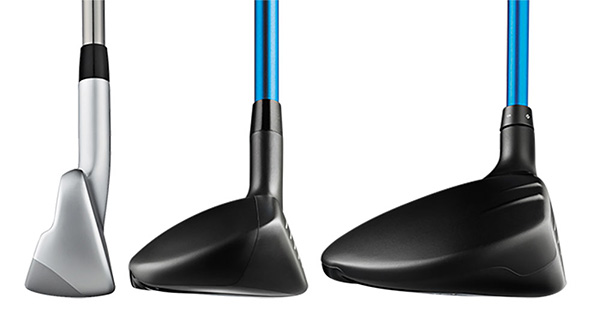
- Head size and shape: Fairway woods have larger, rounder heads. Hybrids are smaller and deeper.
- Loft and distance: Fairway woods usually have lower lofts and fly farther. Hybrids have higher lofts and stop faster on the green.
- Shaft length: Fairway woods use longer shafts for added speed. Hybrids use shorter shafts for control.
- Playability from rough: Hybrids dig less and are easier from thick rough. Fairway woods may bounce and fat-shot from heavy lies.
- Shot type: Fairway woods favor low, long shots. Hybrids favor higher, softer landings.
These points show why fairway wood vs hybrid explained is about matching tech to turf. If you need one pick for long fairway shots, grab a fairway wood. If you need a reliable replacement for long irons, opt for a hybrid.

Loft, launch, and ball flight: the science behind the clubs
Loft controls launch angle and spin. Fairway woods have lofts often between 13° and 24°. Hybrids range from about 16° to 30°.
Higher loft = higher launch and more spin. Lower loft = lower launch and more roll. If you need carry distance, you want the loft and shaft that give clean launch.
Shaft flex and length change club speed. Longer shafts can make more speed. But longer also makes the club harder to control. That trade-off is central to fairway wood vs hybrid explained.

When to choose a fairway wood
Consider a fairway wood if you want:
- Maximum distance from the fairway or tee.
- A low, penetrating ball flight in wind.
- A club for long par 3s or reachable par 5s.
- Less spin and more roll after landing.
My experience: I keep a 3-wood for long tee shots and for aggressive second shots on long par 5s. It demands a clean fairway lie. From rough, it can be tricky. Practice is key.

When to choose a hybrid
Choose a hybrid when you want:
- Easier turf interaction from rough and tight lies.
- Higher, softer landing shots into greens.
- A forgiving replacement for long irons (2–5 iron).
- More confidence on recovery shots.
Personal note: switching a 3-wood for a hybrid helped my mid-handicap friends hit more greens. The hybrid often saved strokes from thick rough.

How to test and transition clubs in your bag
Follow these steps to test fairway wood vs hybrid explained hands-on:
- Warm up first with short clubs to get a feel.
- Hit equal numbers of balls with both clubs using the same ball.
- Track carry distance, dispersion, and how the ball lands.
- Try each from different lies: tee, fairway, light rough, and tight collar.
- Note your miss patterns and confidence level.
If you hit the hybrid more consistently and lose less distance, it may be the better choice. If you hit the fairway wood longer and can shape the ball, keep it. I recommend a fitting session if you can. A few swings with a launch monitor reveal true numbers.

Fitting tips and what to look for when buying
A proper fit cuts guesswork. Look for these during a fitting:
- Launch angle and spin rate for each club.
- Carry distance at typical swing speed.
- Dispersion and right/left misses.
- Lie angle and shaft flex that match your swing.
- Comfort and repeatability of impact.
Budget tip: used fairway woods and hybrids can be great buys. Focus on feel first. Specs can be tweaked later.
Common mistakes and how to avoid them
Avoid these missteps I’ve seen often:
- Buying a club because of loft numbers alone. Loft isn’t the full story.
- Using a fairway wood from deep rough. It often causes fat shots.
- Keeping a hybrid that’s mismatched in loft to your irons. Gap control matters.
- Ignoring shaft fit. The wrong flex kills performance.
Remember: fairway wood vs hybrid explained is not just about distance. It’s about fit, confidence, and consistency.

Real-life example: swapping clubs that saved strokes
A friend of mine hit a weak 3-iron and often missed greens. We tested a hybrid with similar loft. He gained consistent carry and hit more greens. He saved three strokes a round within a month.
Lesson learned: the right hybrid can replace a long iron and reduce penalty shots. That is a practical payoff when fairway wood vs hybrid explained is applied to your bag.
Maintenance and setup tips
Keep clubs consistent by doing these:
- Check loft and lie every year.
- Replace grips when slick or worn.
- Clean the face to keep spin numbers stable.
- Store shafts away from extreme heat.
Small care steps help you trust your clubs. Trust drives consistent play.
Frequently Asked Questions of fairway wood vs hybrid explained
What is the main difference between a fairway wood and a hybrid?
Fairway woods have larger heads, longer shafts, and lower lofts for more distance. Hybrids are smaller, easier to launch, and more forgiving from rough and tight lies.
Can hybrids replace fairway woods in the bag?
Hybrids can replace some fairway woods but not all. If you need top-end distance, a fairway wood may still be better.
Are hybrids easier for high-handicap players?
Yes. Hybrids are more forgiving and easier to hit consistently, which helps high-handicap players lower scores and gain confidence.
How should I choose loft gaps between clubs?
Aim for 8–12 yards of carry between clubs. Use launch data or a fitter to set lofts so gaps are even and predictable.
Should I get fitted before buying a fairway wood or hybrid?
Yes. A fitting reveals true launch, spin, and carry. This reduces guesswork and improves results on the course.
Conclusion
You now have fairway wood vs hybrid explained with clear, practical guidance. Fairway woods give distance and low ball flight. Hybrids offer forgiveness, higher launch, and easier turf play. Test both, mind your gaps, and choose what fits your swing and course needs. Take action: book a fitting, try a hybrid if you struggle with long irons, or test a fairway wood if you need extra carry. Share your experience, subscribe for more gear guides, or leave a comment about what worked for you.