Driver Shaft Flex Explained: How To Choose For Distance
Shaft flex controls how much your driver shaft bends and affects ball flight and feel.
I’ve spent years fitting golfers and testing shafts. In this guide I will explain driver shaft flex explained in plain terms. You will get clear rules, real fit tips, and mistakes to avoid. Read on and learn how the right flex can add yards and lower scores.

What is driver shaft flex?
Driver shaft flex is the measure of how much a golf shaft bends during your swing. It shapes launch angle, spin, and where the ball starts. When we say driver shaft flex explained we mean the way flex links your tempo, speed, and ball flight.
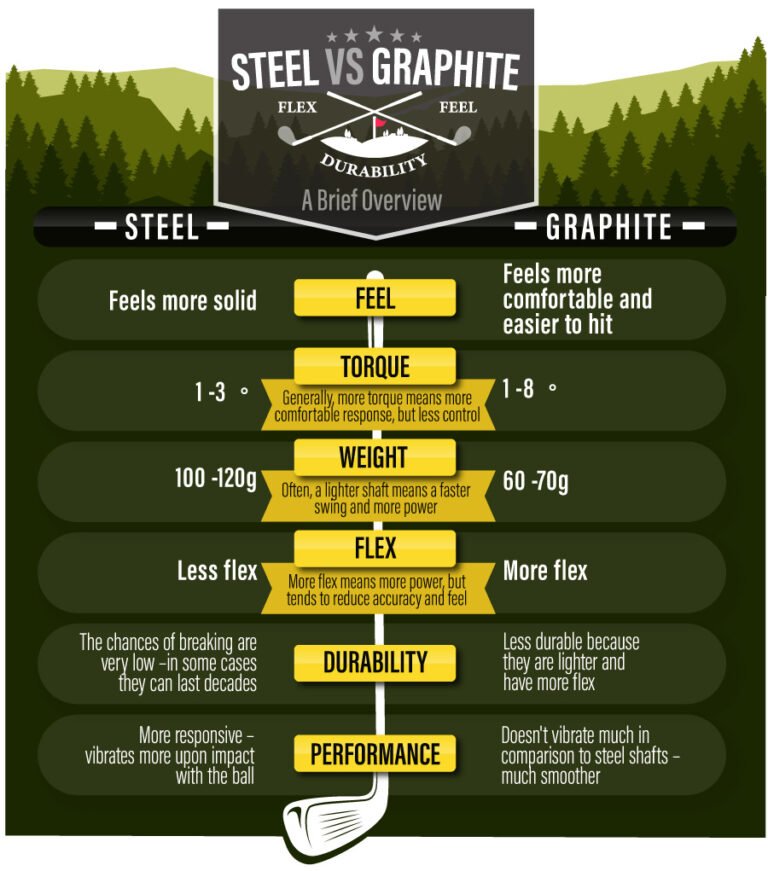
Think of the shaft as a spring. A softer spring bends more and can add launch. A stiffer spring bends less and gives tighter dispersion. Knowing how much bend you need is the first step to better drives.
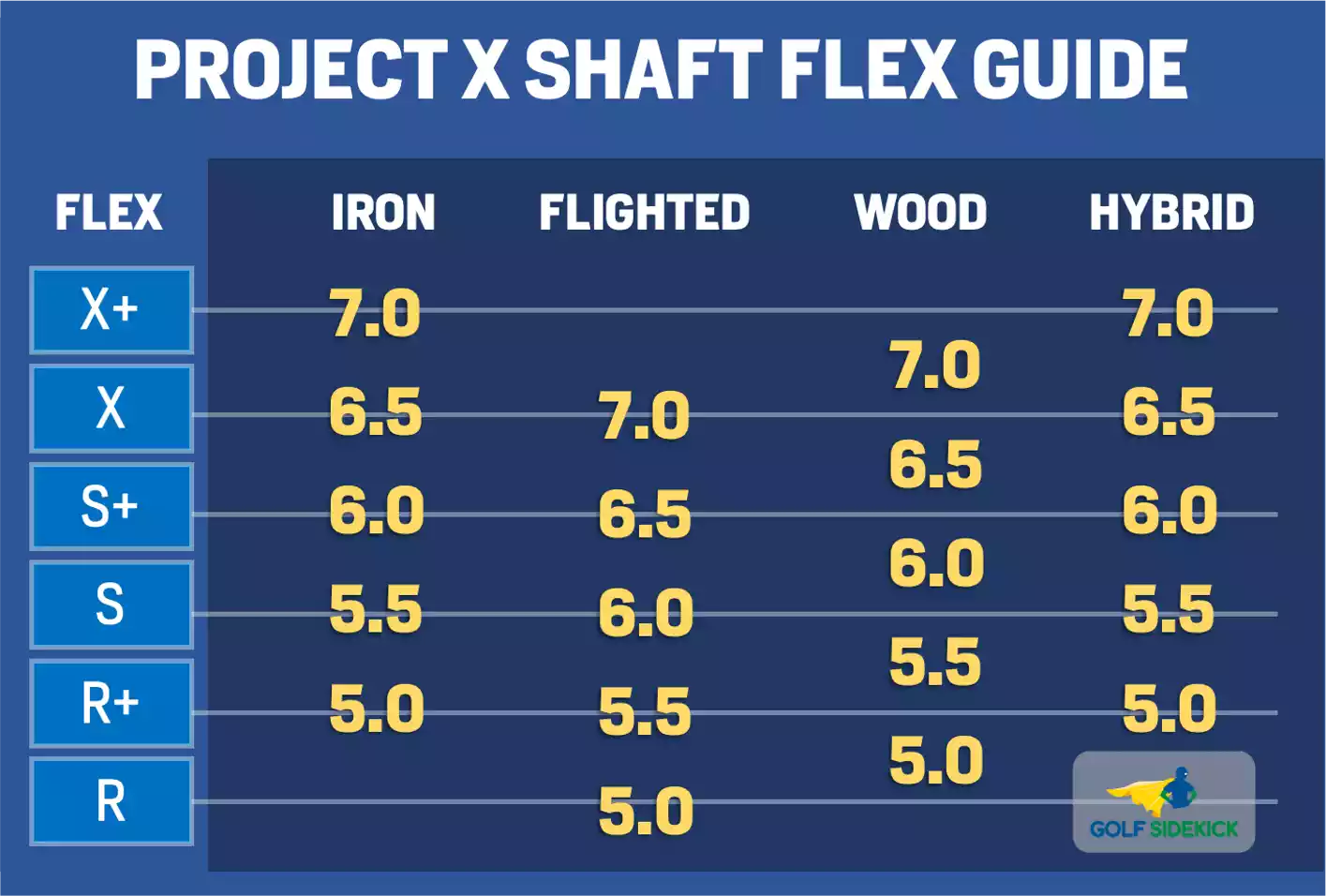
Why driver shaft flex matters for your game
The right driver shaft flex changes three big things:
- Ball launch and spin. Flex affects loft at impact and spin rate.
- Accuracy and dispersion. Wrong flex can push or pull shots.
- Feel and confidence. The shaft tells you if the swing worked.
When driver shaft flex explained is ignored, golfers often lose distance or fight a new shot pattern. Small changes can move your average drive by 5 to 20 yards, depending on the player and conditions.
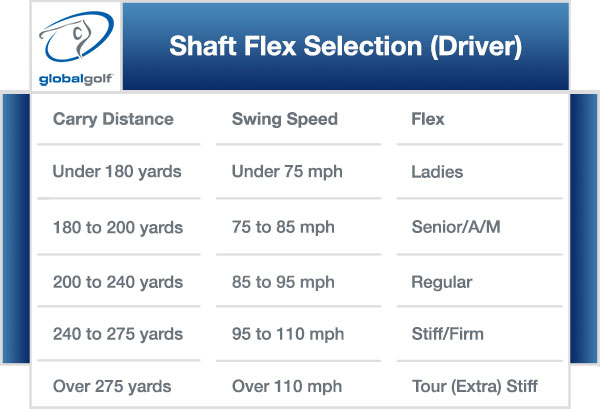
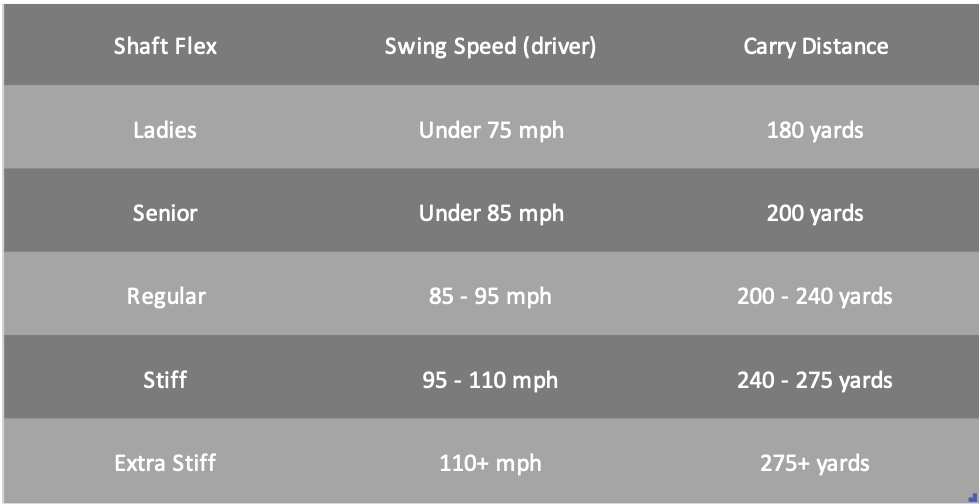
Common flex categories and what they mean
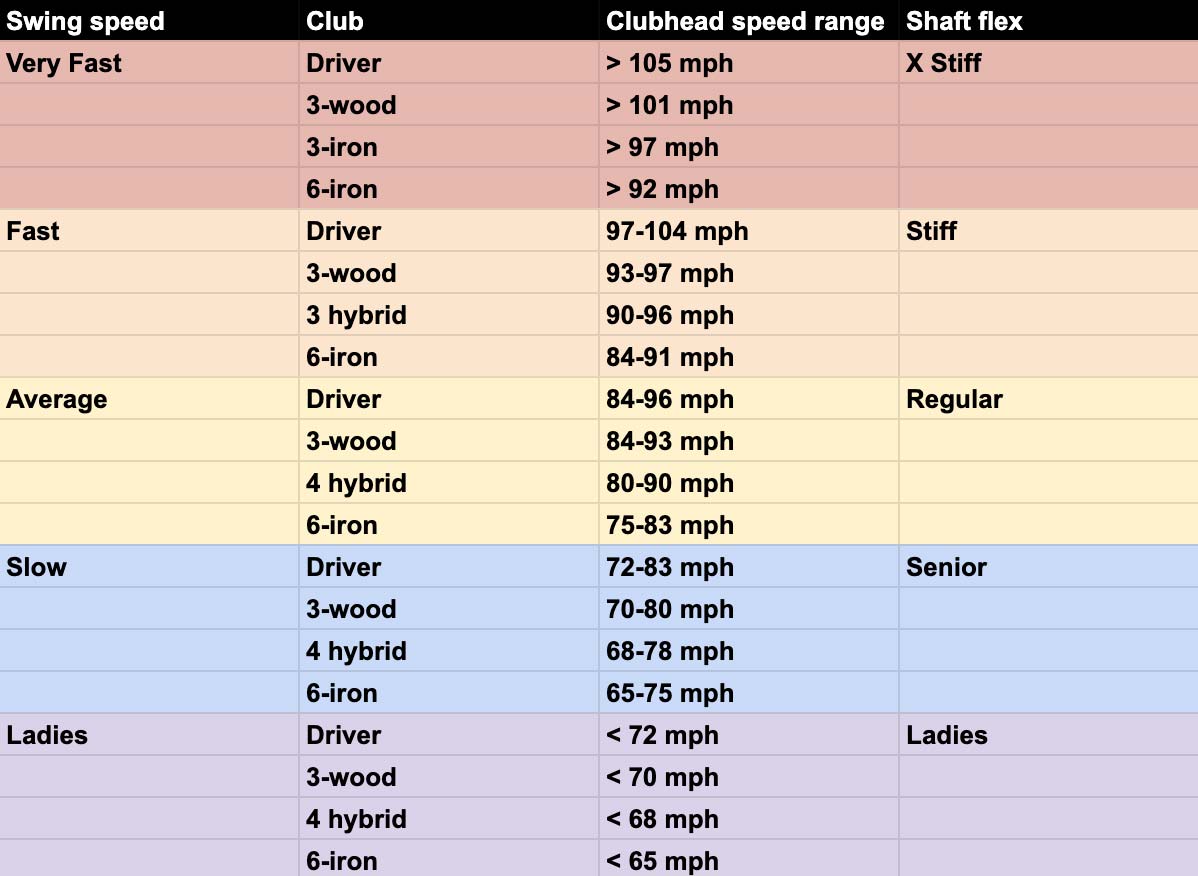
Most shafts use five basic flex names:
- Extra Stiff (X): Best for very fast swing speeds and aggressive tempos.
- Stiff (S): Suits strong players with fast, controlled swings.
- Regular (R): Good for average adult male swing speeds and smooth tempos.
- Senior (A or M): For slower speeds and players who need help launching the ball.
- Ladies (L): For lower swing speeds and maximum launch help.
When I teach, I always say labels vary by brand. For a clear view of driver shaft flex explained, measure your swing speed and look at launch numbers instead of trusting labels alone.
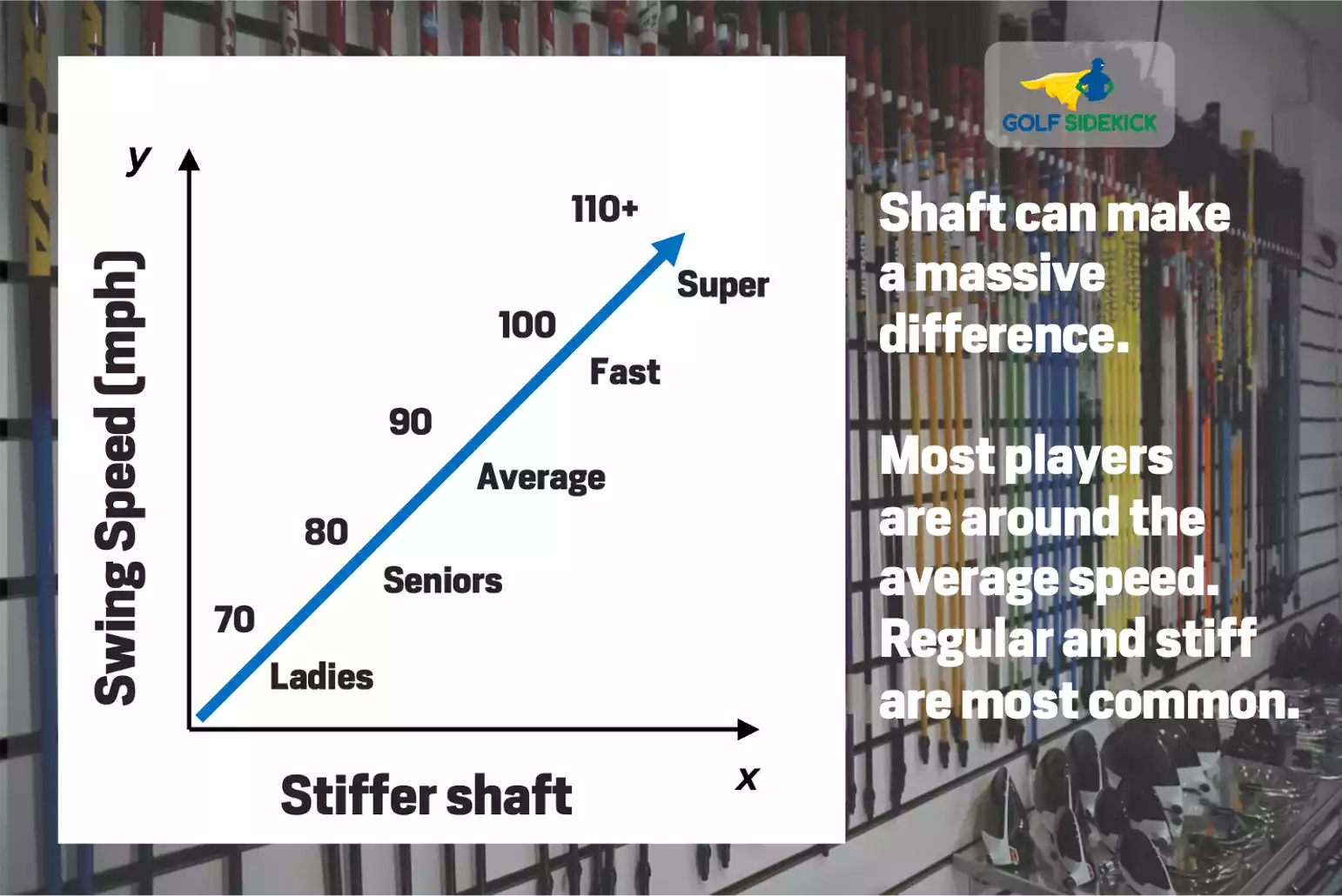
How to choose the right flex step-by-step
Follow these steps to pick the flex that fits you:
- Measure swing speed. Use a launch monitor or a radar device.
- Note your tempo. Is it smooth or quick? Tempo changes how flex performs.
- Test with a fitting. Hit at least three shafts with the same head and loft.
- Check ball flight. Seek straight flight with optimal launch and spin.
- Tune with feel. Comfort matters; confidence adds yards.
A simple rule of thumb I use: for driver shaft flex explained, aim for a flex that yields a mid-launch and controlled spin at your normal swing speed. If you can, get a session with a fitter. It often saves weeks of trial and error.
Signs your shaft flex is too stiff or too soft
Too stiff signs:
- Shots push or slice with low launch.
- You feel the shaft barely bends at impact.
- You lose distance despite fast tempo.
Too soft signs:
- Shots hook or pull with high spin.
- You feel the shaft overbends and timing is off.
- The ball balloons and drops short.
When driver shaft flex explained is mismatched, swing changes or compensations follow. Watch patterns, not just single shots, before you change shafts.

Real fitting tips and mistakes I made
From my fittings, these tips help the most:
- Bring your own head and ball. That keeps tests real.
- Test shafts in similar conditions. Indoor launch monitors and outdoor ranges can differ.
- Don’t chase one long drive. Look for consistency over 10 swings.
A mistake I made early on was trusting brand flex labels alone. I once put a player in a “stiff” shaft that felt right but produced a high spin rate. We switched to a different stiff profile and gained 12 yards. That taught me to focus on numbers and feel, not names.
When driver shaft flex explained is part of the fitting, you get repeatable gains.
Common myths and pitfalls
Myth: Stiffer always equals more distance.
Reality: Too stiff can lower launch and hurt carry.
Myth: Faster swing needs the stiffest shaft.
Reality: Tempo and release pattern matter as much as speed.
Myth: One shaft fits all drivers.
Reality: Head design and loft change how flex behaves.
Avoid buying shafts based on trends or pro endorsements alone. For honest driver shaft flex explained, compare data and trust how the ball flies for you.

Care, replacement, and adjustments
Shafts last a long time if you treat them well. Check for these signs to replace:
- Cracks or splintering near the hosel.
- Sudden change in feel or performance.
- Multiple missed shots that correlate with equipment, not swing.
You can adjust loft and lie to fine-tune launch if the flex is close. But if the bend profile is wrong, a new shaft is often the best fix. When driver shaft flex explained meets proper maintenance, your sticks stay reliable on the course.
Frequently Asked Questions of driver shaft flex explained
What does shaft flex actually do to ball flight?
Shaft flex affects the shaft bend at impact. That changes effective loft, which shifts launch angle and spin. The result alters distance and direction.
How do I know my swing speed for flex selection?
Use a launch monitor or radar device to measure clubhead speed. Many club fitters and driving ranges offer this service. Accurate speed helps pick the best flex.
Is a stiffer shaft better for faster swings?
Often yes, but not always. Tempo, release, and shaft bend profile matter too. A fitter can match flex to your whole swing, not just speed.
Can I test flex at home without a launch monitor?
Yes. Hit 10 balls with a known reference shaft and compare feel and flight. If shots balloon high or hook, your shaft may be too soft. If shots are low and push, it may be too stiff.
Do different brands label flex the same way?
No. Flex labels vary by brand and by model. A “stiff” from one maker can feel like a “regular” from another. Always test rather than assume.
Should teenagers use lighter or softer shafts?
Many teens gain benefit from lighter or more flexible shafts while they build speed. Focus on proper fit and gradual upgrades as strength and tempo grow.
Will changing shaft flex fix my slice?
Not always. Flex can change starting direction and curvature. But swing path and face angle are the main slice causes. Use flex changes along with swing work for best results.
Conclusion
Choosing the right shaft flex is one of the smartest steps you can take to hit better drives. You now know what driver shaft flex explained means, how it changes launch and spin, and how to pick the best flex for your swing. Try a measured fitting, test multiple profiles, and trust consistent ball flight over labels. Take action this week: book a quick fitting, test two flexes, or record your swing speed and compare numbers. Share your results or questions below and keep sharpening your game.