How Swing Speed Affects Distance: Boost Your Range
More swing speed almost always means more carry and roll, so more total distance.
I’ve spent years coaching players and testing shots with launch monitors, so I know how swing speed affects distance in both clear rules and tricky details. This guide breaks down the science, real-world numbers, and simple steps you can use to hit farther without losing control. Read on for tested tips, drills, and equipment notes that explain exactly how swing speed affects distance and what to do next.

The physics: why swing speed affects distance
Swing speed drives energy transfer. Faster clubhead speed creates higher ball speed. Higher ball speed gives more carry and usually more roll. Spin rate and launch angle change how that speed turns into distance.
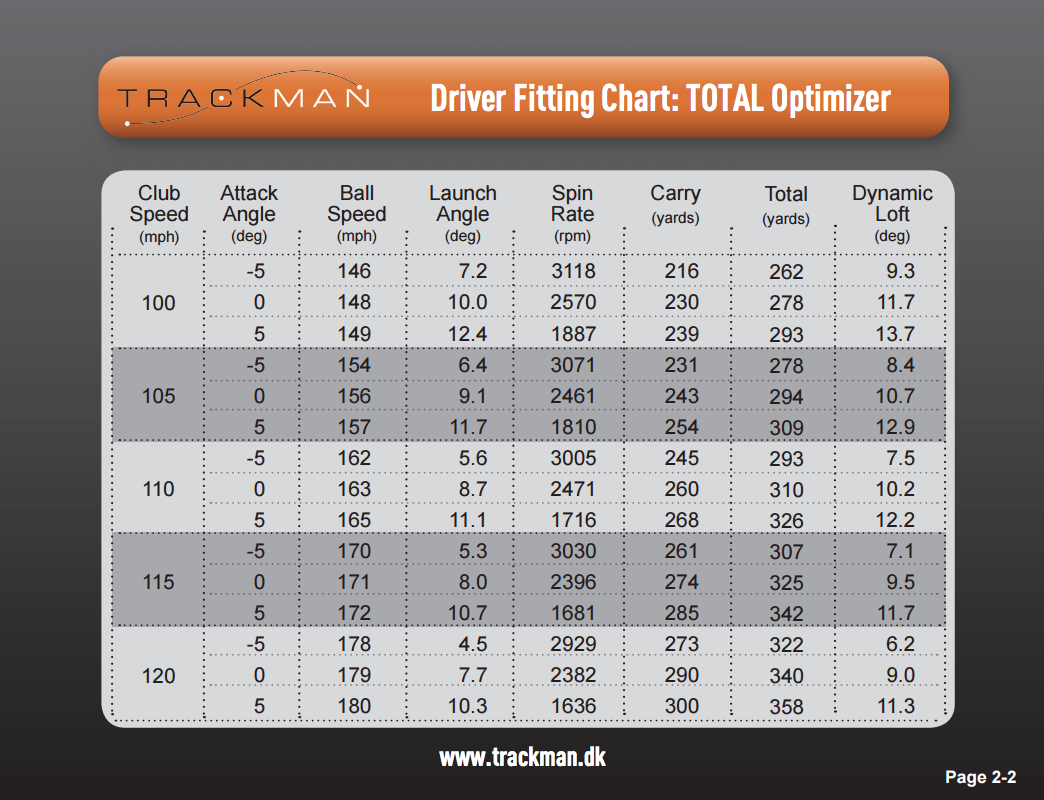
Smash factor links club speed to ball speed. For drivers, a typical smash factor is about 1.45 to 1.50. That means a 100 mph swing can make about 145 mph ball speed. The higher the ball speed, the farther the ball will travel, assuming launch and spin are in a good range. This is the core reason how swing speed affects distance.

How much distance per mph: practical numbers
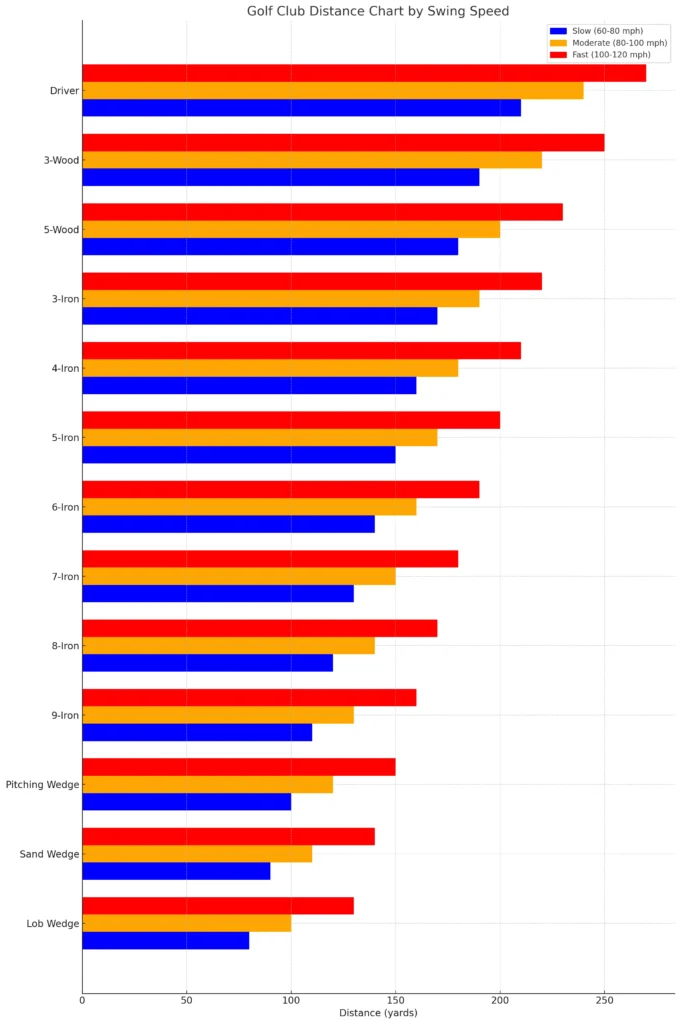
A common rule of thumb is about 2.3 yards of total distance per 1 mph of driver swing speed. That number varies by launch, spin, angle, and wind. For irons, the yardage gain per mph is lower. Short irons can net around 1.5 to 1.8 yards per 1 mph, while mid-irons sit between those values.
Remember that how swing speed affects distance is not linear across all conditions. A tiny speed boost late in the swing can add a lot less distance if you hit the toe or thin the shot. Good contact and proper launch conditions magnify the benefit of more speed.
Key factors that change the effect of swing speed on distance
Several factors change how swing speed affects distance. These include:
- Contact quality. A center hit uses speed best. Off-center hits reduce ball speed and accuracy.
- Smash factor. The better the energy transfer, the more distance from the same speed.
- Launch angle. Too low or too high launch wastes speed as unwanted spin or drag.
- Spin rate. Too much spin kills roll. Too little spin can lower carry.
- Equipment. Shaft flex, clubhead design, and ball type all alter outcomes.
- Conditions. Altitude, temperature, and wind change how speed turns into yards.
I’ve seen players add 6 mph but only gain 10 yards because spin jumped and launch fell. That taught me to look at the full package, not just club speed, when explaining how swing speed affects distance.

Measuring swing speed and distance
Use a launch monitor to get real numbers. A monitor shows club speed, ball speed, smash, launch, and spin. Track trends over several swings, not a single best hit.
If you don’t have a monitor, a simple app or radar device can help. Track average values. Also measure carry and total distance on the same day to reduce variability. Reliable measurement helps you see exactly how swing speed affects distance for your game.
How to increase swing speed safely
Build speed without losing control. Follow these steps:
- Warm up well. Loose muscles move faster and safer.
- Improve sequence. Hips start, then torso, then arms. Proper timing creates speed.
- Strength and power. Short, targeted gym work helps. Focus on core, hips, and glutes.
- Speed training. Use overspeed drills like lighter clubs or speed sticks with care.
- Maintain good tempo. Fast but wild swings reduce contact quality and hurt distance gains.
I added 4–6 mph in a season by improving hip rotation and simple power work. I gained more yardage by keeping swing shape tight. This shows why technique matters as much as raw speed when explaining how swing speed affects distance.

Club fitting, equipment, and ball choice
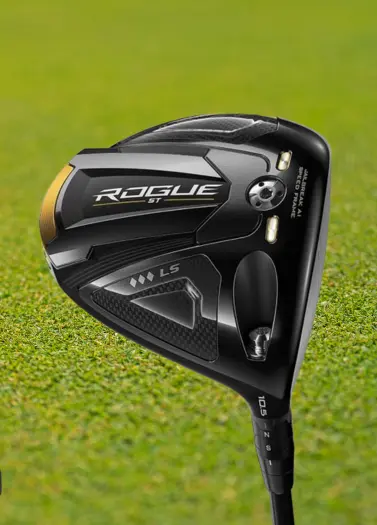
The right gear makes your speed count. A fitted shaft and properly lofted club help optimize launch and spin. The right driver head can increase forgiveness and maintain ball speed on mishits.
Ball choice matters. Some balls compress better for slower swing speeds. Others reduce spin for high-speed players. Testing shows that pairing your swing with the right ball magnifies how swing speed affects distance. A good fitter will match gear to your measured speed and launch data.

Common mistakes and drills to improve speed-to-distance conversion
Avoid these common errors:
- Swinging faster with no control. This cuts distance more often than it helps.
- Ignoring launch and spin. Speed alone can make shots worse.
- Skipping warm-up and mobility work.
Try these drills:
- Step drill to sync hips and hands. Start close, step into the ball, swing smooth.
- Speed ladder swings. Use 6–8 light swings, then 1 full swing to train pacing.
- Impact tape practice. Find the center and keep speed where contact is best.
From coaching, I’ve learned simple drills that build both speed and ball-striking. That is the best way to see real change in how swing speed affects distance.

How to interpret gains and set realistic goals
Set targets based on data. If you add 1–3 mph, expect a few extra yards. If you add 5–8 mph with good launch, planned gains can be 10–20 yards. Always factor in contact quality.
Track these metrics to judge progress:
- Clubhead speed
- Ball speed
- Smash factor
- Launch angle
- Spin rate
- Carry and total distance
I recommend small, trackable goals. Test every 4–6 weeks. That way you can see how swing speed affects distance and adjust training or gear.
Practical plan: 8-week program to add speed and distance
Week 1–2: Mobility and tempo
- Daily mobility for hips and shoulders.
- Slow, focused swings to lock sequence.
Week 3–5: Strength and sequence
- Short gym sessions twice a week.
- On-course focus on balance and tempo.
Week 6–8: Speed work and testing
- Overspeed swings and monitored sessions.
- Test on a launch monitor and adjust club setup.
Repeat cycles and keep notes. Follow this plan and you will see how swing speed affects distance in your own numbers.
Frequently Asked Questions of how swing speed affects distance
What is the simplest way to measure swing speed?
Use a launch monitor or a radar device. These give instant, reliable clubhead speed numbers and related ball data.
How much distance does 1 mph of swing speed add?
For a driver, about 2.3 yards per 1 mph is a common estimate. This varies with launch, spin, and contact quality.
Can poor contact cancel out speed gains?
Yes. Off-center hits lower ball speed and add spin, so you may gain little or lose distance despite more speed.
Should I focus on swing speed or swing quality?
Focus on both, but start with quality. Good contact multiplies any speed gains into real yards.
Is overspeed training safe for everyone?
Not always. Use it with proper warm-up and progression. Work with a coach if you have swing path or injury concerns.
How long before I see distance gains from training?
You can see small gains in weeks and larger changes in months. Measuring with a launch monitor speeds up feedback.
Conclusion
Swing speed is a central driver of distance, but it works with launch angle, spin, contact, and gear. Improve speed in a balanced way. Keep your technique sharp and measure with a launch monitor to see true gains.
Take action: test your current swing speed, set small targets, and follow a simple training plan. Leave a comment with your numbers or subscribe for more drills and testing tips to help you turn speed into real yards.