How Many Wedges Should You Carry: Optimal Golf Bag Setup
Most golfers should carry three wedges: pitching, gap (or approach), and sand.
I’ve spent years fitting players and testing short-game setups. I know the question how many wedges should you carry matters more than you think. This guide breaks down clear choices, practical tests, and real-world tips so you can pick the right wedge mix for your swing, course, and score goals. Read on and I’ll walk you through numbers, loft charts, bounce choices, and simple drills that help you decide how many wedges should you carry with confidence.

How many wedges should you carry: a clear answer
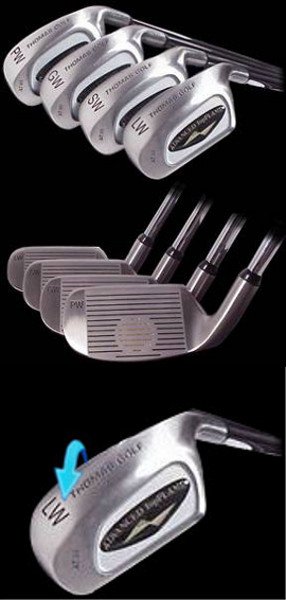
Most golfers will do best with three wedges in the bag. That usually means a pitching wedge (PW), a gap or approach wedge (GW/AW), and a sand wedge (SW). Low-handicap players often add a lob wedge (LW) for specialty shots. Knowing how many wedges should you carry lets you plan for consistent yardage gaps and better short-game control.

Why wedge choice matters
Wedges control shots inside 120 yards. They shape the scoring zones for your game. The right wedge mix makes distance gaps even and gives options around the green. If you pick wrong, you get awkward loft overlaps or big yardage gaps that hurt scoring. How many wedges should you carry affects turf interaction, shot versatility, and mental clarity over the ball.

Standard wedge setups and lofts
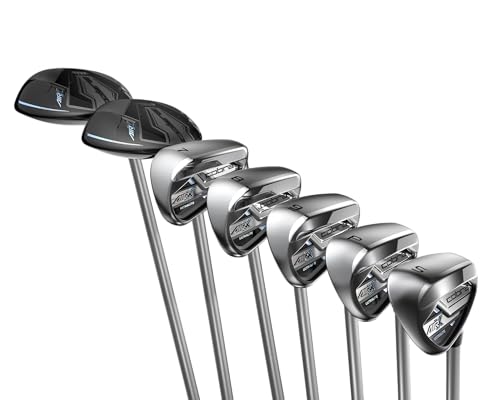
Most players start with this base setup:
- Pitching wedge: 44° to 47° for full shots from 110–130 yards.
- Gap/approach wedge: 50° to 52° to fill the 8–12 yard gap to the PW.
- Sand wedge: 54° to 56° for bunkers and soft turf shots.
- Lob wedge: 58° to 60° for high flop shots and tight-spin options.
A common set might read PW 46°, GW 50°, SW 54°, LW 58°. This gives roughly 4° loft steps and about 8–12 yards per club. When you ask how many wedges should you carry, check these loft steps first.

Choosing how many wedges should you carry by skill and course
Beginner and high-handicap players
- Best choice: carry two wedges (PW and SW) to keep things simple.
- Reason: fewer clubs make distance control easier and lower confusion.
Mid-handicap players
- Best choice: carry three wedges (PW, GW, SW).
- Reason: closes gaps and gives better scoring options inside 120 yards.
Low-handicap and competitive players
- Best choice: carry three to four wedges (PW, GW, SW, LW).
- Reason: need fine-tuned loft gaps and specialty shots.
Course factors to consider
- Firm, fast courses favor lower-lofted wedges and more bounce options.
- Soft, wet courses favor higher bounce to avoid digging.
When deciding how many wedges should you carry, match your setup to both your skill and the usual course conditions you play.

Source: thegratefulgolfer.com
Gap analysis: how to check your loft spaces
Do this simple test to know how many wedges should you carry:
- Hit full shots with each wedge you own and record average carry distances.
- Note the yards between each wedge. Ideal gaps are 8–12 yards.
- If you see a 15–20 yard gap, add a wedge or re-loft one club.
- If you have multiple clubs with identical distances, remove or change one.
I once found a 25-yard gap between PW and SW in a friend’s bag. Adding a 50° gap wedge fixed his approach game quickly. This test is the clearest way to answer how many wedges should you carry for your bag.

Bounce and grind: match wedges to turf and shots
Bounce matters as much as loft. Bounce is the angle between the sole and turf when the club sits.
- Low bounce (4° or less) suits tight turf and firmer lies.
- Mid bounce (6° to 10°) is the all-around choice for many players.
- High bounce (10°+) helps in soft turf and fluffy sand.
Grind affects how the club moves through turf. If you play different courses, consider a mix of bounce and grinds. Choosing how many wedges should you carry includes thinking about bounce variety—not just loft.

Bag building and practical tips
Balance versatility and simplicity when you decide how many wedges should you carry. Use these rules:
- Aim for 8–12 yard gaps between wedges.
- Keep loft steps consistent across your iron-to-wedge transition.
- Try different grooves and finishes to match spin needs.
- Get a fitting session if possible; it saves time and money by preventing poor buys.
Practice routine for wedge choices:
- Measure carry distances on a launch monitor or open range.
- Build a yardage book for 60, 80, 100 yards, etc.
- Practice shots with each wedge: full, three-quarter, bump-and-run, flop.
From my fittings, players who test wedge distances and bounce see quicker scoring gains. That’s the practical path to decide how many wedges should you carry.
Frequently Asked Questions of how many wedges should you carry
How many wedges should a beginner carry?
Most beginners should carry two to three wedges. Two keeps things simple; three adds a gap wedge for better spacing.
Is carrying four wedges overkill?
Four wedges can be ideal for low-handicap players who need tight gaps and specialty shots. For casual players, four might complicate decision-making.
How do I know if I need a gap wedge?
If you have more than 12 yards between PW and SW, you need a gap wedge. Measure distances to confirm.
Should lob wedges be standard in a bag?
Lob wedges help elite players with high flop shots and tight pins. They are not required for most mid-handicap golfers.
How does bounce affect my wedge choice?
Bounce affects turf interaction. Low bounce for firm turf, high bounce for soft turf. Match bounce to your ground conditions and swing type.
Can I use a wedge as an all-purpose club?
Wedges are versatile, but each loft has strengths. Using a wedge for many roles can lead to inconsistent distances and missed scoring shots.
Conclusion
Pick wedges with clear yardage gaps, matched bounce, and the right shots for your game. Test distances, try different grinds, and keep the mix simple if you want faster progress. Start with three wedges for most play, and add a fourth only if you need tighter distance control or specialty shots. Try a short fitting and a few range sessions to lock in your answer for how many wedges should you carry. Share your setup or questions below, and consider subscribing for more gear and short-game tips.