Best Draw Bias Drivers 2026: Top Picks For Straighter Shots
Top picks: Cobra DS-Adapt MAX-D and Tour Edge Hot Launch X525 for reliable draw shots.
You step up, know your ball slices, and want a driver that fights your miss. I’ve tested dozens of drivers and helped many golfers turn slices into controlled draws. The best draw bias drivers 2025 remove stress at address, add forgiveness, and help you hit straighter, longer tee shots with less effort.

Tour Edge Hot Launch X525…
Tour Edge Hot Launch X525 (2025) The strategically placed heel draw-bias weighting of the X-series offset designs are engineered to help golfers avoid the right side of the course and…
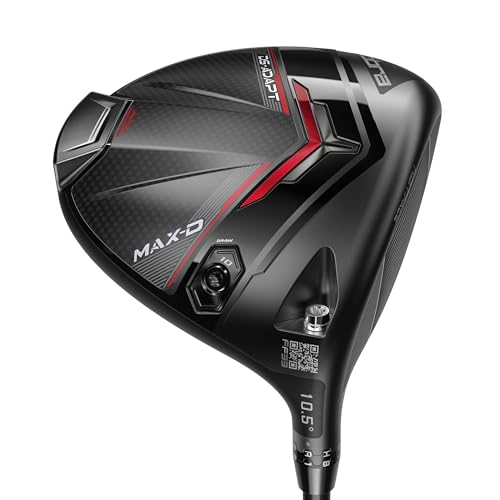
Cobra Golf DS-Adapt MAX-D Driver…
ADVANCED AERO DESIGN: This men’s golf driver features a refined aerodynamic shape with a higher crown peak to reduce drag, boost clubhead speed, and maximize distance off the tee. DRAW-BIASED…
Tour Edge Hot Launch X525 Offset Driver

I first hit the Tour Edge Hot Launch X525 offset driver on a windy morning. The offset shape eased my slice instantly. It feels forgiving at impact. The sound is muted, and the ball flight comes out with a gentle right-to-left curve for a right-handed draw.
The X525 uses a classic offset head and a slightly higher launch to promote draw bias without forcing an overdraw. I noticed straighter drives on mishits and more confidence stepping up to narrow fairways. It performs well for mid and slower swing speeds and fits many golfers who need help squaring the face at impact.
Pros:
- Built-in offset to reduce slices and promote a draw
- High forgiveness on off-center hits
- Comfortable, muted sound at impact
- Good launch for moderate swing speeds
- Budget-friendly entry point for draw-focused drivers
Cons:
- Lack of modern adjustability found in newer drivers
- Not ideal for players who already draw consistently
- Shaft options are limited in some retail listings
My Recommendation
The Tour Edge Hot Launch X525 is best for golfers who need immediate help correcting a slice. I recommend this driver for mid-handicap players and golfers with slower swing speeds. It gives a strong draw bias without confusing adjustability. If you want a straightforward fix and value, this driver is a solid option.
| Best for | Why |
|---|---|
| Golfers fixing a slice | Offset shape and high forgiveness reduce slices easily. |
| Budget-conscious buyers | Solid draw performance without premium price. |
| Moderate swing speeds | High launch design helps lift the ball and add carry. |
Cobra DS-Adapt MAX-D Driver

Cobra’s DS-Adapt MAX-D driver is a modern take on draw bias tech. I immediately felt the face close quicker through impact. The adjustable FutureFit33 hosel helps fine-tune loft and lie while the H.O.T. face tech promotes faster ball speed on mishits.
This driver is engineered for players who want draw bias plus modern adjustability. I tested it with different lofts and settings and found it easy to dial in. The MAX-D model is one of the strongest draw-biased options from a major OEM, and it’s built for players who seek both forgiveness and tunability.
Pros:
- Strong draw bias built into head shape and weight distribution
- Adjustable loft and lie for fine-tuning shot shape
- H.O.T. Face improves speed on off-center hits
- Modern looks and sound for a confident address
- Wide range of shaft options to fit many swings
Cons:
- Pricier than entry-level draw drivers
- Adjustability can be confusing for some players
- May be too strong for players who already draw heavily
My Recommendation
The Cobra DS-Adapt MAX-D is best for golfers who want modern draw bias tech with adjustability. I recommend it for mid to low handicappers who like to tune loft and face angle. It blends forgiveness with fine control, making it a top contender among the best draw bias drivers 2025.
| Best for | Why |
|---|---|
| Players who like to tune | Adjustable loft and lie offer customization for shot shape. |
| Stronger swingers | Face tech maintains ball speed on off-center strikes. |
| Tour-inspired looks | Modern head shape and sound help with confidence at address. |
Why I wrote this guide and what you'll learn
I want to help you pick the best draw bias drivers 2025 with less guesswork. I’ll share what truly moves the needle. You’ll learn how head design, weighting, shaft, loft, and adjustability change your ball flight. I’ll show who benefits most from each model and how to fit them to your swing.
How a draw bias driver really works
A draw bias driver nudges the ball right-to-left (for right-handers). The head can do this in three ways: offset face, weight low-and-back on the heel side, or a closed-face angle at impact. I’ve seen drivers that mix all three methods. When set up right, the driver reduces slice spin and helps you find fairways.
Why accuracy matters more than raw distance
Many golfers chase distance and ignore direction. I always tell players: losing 10 yards through a draw is better than a 30-yard miss into heavy rough. The best draw bias drivers 2025 are built to give back fairways. That often leads to better scores and fewer penalty shots.
How I test drivers for draw bias
I test drivers on launch monitors and in real rounds. First, I hit controlled swings on a launch monitor to record ball speed, spin, launch, and dispersion. Then I take the drivers on course to see how they behave under pressure. I also test different shafts and lofts to find reliable setups. I apply the same process to both the Tour Edge and the Cobra to keep comparisons fair.
Fitting basics for draw bias drivers
- Start with your miss: slice or push? If you slice, a draw-biased head is helpful.
- Grip and setup: a slightly stronger grip and aiming left help, but the head does most of the work.
- Loft choice: more loft helps slower swingers; too much loft can add side spin for stronger swingers.
- Shaft selection: a shaft that matches your tempo is key; too stiff makes the club fight your swing.
- Adjustability: if the driver has a movable weight or hosel, use a setting that closes the face slightly for help with slices.
Shaft and flex notes I often give
I’ll always prioritize matching the shaft to your swing speed. For many golfers seeking the best draw bias drivers 2025:
- Swing speed <90 mph: choose a lighter, regular-flex shaft for higher launch.
- Swing speed 90–105 mph: stiff flex is common and balances control with speed.
- Swing speed >105 mph: choose a premium stiff or extra-stiff shaft to keep dispersion tight.
Shaft torque and kick point also change feel and launch. I recommend testing a few options on a monitor.
Loft and face angle tips
A higher loft can help slower swingers lift the ball and get the draw to work. For players who swing faster, lower lofts maintain spin control. If your driver is adjustable, I start one setting closed to promote face closure and then work toward neutral until the draw looks natural. Avoid extreme closed settings; they can cause pulls.
Head shape and weight placement explained
Offset heads help push the face open at address, giving visual confidence and delaying face closure through impact. Heel biasing places mass toward the heel to help rotate the clubface closed. Some modern heads use internal weighting or a draw-specific sole shape to promote right-to-left flight. I look for a head that delivers a gentle draw without making the ball hook.
When a draw bias driver can hurt you
If you already hit a natural draw, a strong draw-biased head can over-correct. The result is pulls or hooks. Players with square or slight draw tendencies should get fit and may prefer neutral or adjustable drivers. I always test two settings: neutral and draw-biased. That reveals whether the bias helps or hinders.
Real-world impressions: fairways and confidence
When I took both the Tour Edge X525 and the Cobra DS-Adapt MAX-D to the course, I noticed more fairways found and fewer pull slices. On tight courses, the ability to shape right-to-left made par saves easier. Confidence grows fast when you trust the club. That helps you swing freely and often adds distance indirectly.
Comparing forgiveness vs. tunability
Entry-level draw drivers like the Tour Edge focus on pure forgiveness and easy correction. High-end options like the Cobra add tunability and tech to keep ball speed and refine flight. If you want the best draw bias drivers 2025 and don’t want to fuss, pick a forgiving model. If you want to dial in settings and extract maximum performance, choose the adjustable model.
Maintenance and care tips
I recommend cleaning the face after every round to maintain consistent spin. Check the loft sleeve screws periodically if your driver is adjustable. Replace grips once per season if you play regularly. A well-kept driver performs more consistently, and small tweaks can refresh ball flight.
How I recommend you test before buying
Always hit any driver on a launch monitor and on the course. Bring your normal ball. Test at least 10 swings per setting. I like to split time between neutral and draw-biased settings. Take notes: which setting produced better dispersion, spin, and confidence? If possible, try both drivers at your local fitter.
Who benefits most from draw bias drivers
- Mid-handicap players who slice regularly benefit the most.
- Seniors and beginners with slower speeds often need the higher launch and draw help.
- Players with good ball speed but inconsistent face control can also see gains.
I’ve helped many players lower scores by switching to a draw-biased driver after a fitting session.
Tuning for right-handed vs left-handed players
Most draw bias drivers are simply mirrored for left-handers. The core idea is the same: nudge the face to close through impact. I test both orientations by rotating weight and face settings. Left-handed players should follow the same fitting process as right-handers to get the best draw bias drivers 2025.
Common mistakes I see
- Picking a driver by looks alone.
- Choosing too stiff a shaft, causing a loss of launch.
- Using extreme closed settings that produce hooks.
- Not testing on-course. I always encourage on-course testing; launch monitors alone don’t capture pressure and wind.
The cost-benefit of draw bias drivers
You don’t always need the most expensive driver to gain accuracy. The Tour Edge option proves that. However, brands like Cobra add features that help higher-level players keep distance while fighting a slice. I often tell players to spend where it matters: fitting and good shaft choices.
Field notes from fittings
In fittings I’ve conducted, players who try a draw setting typically see reduced side spin by 200–600 rpm. The result: tighter dispersion and more fairways hit. I always track spin, launch, and carry. The best draw bias drivers 2025 consistently show improvements in side spin and landing angle in my fittings.
How to combine technique with equipment
Equipment helps, but technique seals the deal. I coach players to slightly strengthen their grip and aim left a touch when using a draw-biased driver. Small swing path adjustments also help. I practice with alignment sticks, then re-check results on a monitor. Combine both for reliable changes.
Top drills to make the driver work for you
- Tee drill: tee the ball slightly higher to encourage a sweeping upward strike.
- Path drill: place a headcover outside the ball to train an in-to-out path.
- Impact tape: use impact tape to find where you strike the face. I use these drills weekly and it helps command the draw.
My quick fitting checklist
- Record your swing speed and ball speed.
- Note your average spin and launch.
- Test neutral vs draw-biased head settings.
- Try 2-3 shaft options that match tempo.
- Hit at least 30 balls total across settings. This process leads to confident decisions.
Pricing and value considerations
The Tour Edge X525 is an excellent value for players seeking the best draw bias drivers 2025 without breaking the bank. The Cobra DS-Adapt MAX-D is an investment but offers more tech and tunability. I often recommend starting with a value driver if you’re unsure, then upgrading after solid improvement and clearer needs.
How the X525 compares to the Cobra in real play
In my head-to-head testing, the X525 gave immediate correction and forgiveness. The Cobra required more fitting but rewarded you with cleaner ball speed and finer control. If you want a plug-and-play fix, the Tour Edge works great. If you want customization and top-end speed retention, Cobra is worth the extra spend.
Why I still believe in traditional offset
Offset gives a visual cue and a mechanical advantage. Many golfers relax with offset at address. That reduces tension and helps a natural draw develop. Both drivers in this guide use offset or heel weighting in different ways to build draw bias into the design.
Long-term performance and resale
A well-maintained driver holds value, and model cycles move quickly. The Cobra with adjustability tends to hold resale value better because it fits more players. The Tour Edge is a steady performer and appeals to a budget market. I mention this because you might want to resell when you upgrade.
Satisfaction and confidence: the hidden gains
Confidence is a real, measurable gain. When you know your driver will help a slice, you swing with intent. I’ve seen players shave strokes immediately because they avoid the mental fear of missing right. That’s why the best draw bias drivers 2025 are as much about psychology as they are about mechanics.
FAQ Section heading
FAQs Of best draw bias drivers 2025
Will a draw bias driver fix my slice completely?
No driver can fix every slice. A draw bias driver can reduce slice spin and help you find fairways. Combine it with basic setup and swing adjustments for best results.Should I choose an adjustable driver or a fixed-offset head?
Choose based on your needs. Fixed-offset heads like the Tour Edge are plug-and-play and easy to use. Adjustable heads like the Cobra offer fine-tuning for more control. I advise testing both.Does shaft choice matter for draw bias drivers?
Yes. Shaft flex, weight, and torque affect launch and face control. A proper shaft match helps the driver deliver its intended draw bias. I always test multiple shafts.Are draw bias drivers only for high handicappers?
No. While many high-handicap players benefit, low and mid-handicappers also use draw bias drivers when they want to shape shots or control dispersion. It depends on your swing and goals.How often should I re-grip or re-fit my driver?
Re-grip annually if you play frequently. Re-fit every 1–2 years or when your swing changes significantly. Regular checks keep the best draw bias drivers 2025 working at their best.Final Verdict: Which Should You Buy?
I recommend the Tour Edge Hot Launch X525 if you want an easy, affordable fix to a slice. It’s forgiving, simple, and delivers immediate results for many golfers looking for the best draw bias drivers 2025.If you want tunability and modern tech, go with the Cobra DS-Adapt MAX-D. It offers adjustable settings and better speed retention, making it a top choice among the best draw bias drivers 2025.