What Your Golf Shoes Say About You: Style Meaning
A pair of golf shoes can say more about you than you may expect. It can hint at your playing style, your comfort needs, your course habits, and even how you approach pressure. A clean, classic pair may suggest that you value tradition. A bold color may show that you enjoy self-expression. A worn sole may tell the story of many early tee times and long walks.
Still, golf shoes do not define your skill, handicap index, age, or character. They are one small part of a golfer’s story. The best clues come from how the shoes support your stance, grip, posture, swing, and movement from the tee box to the final green.
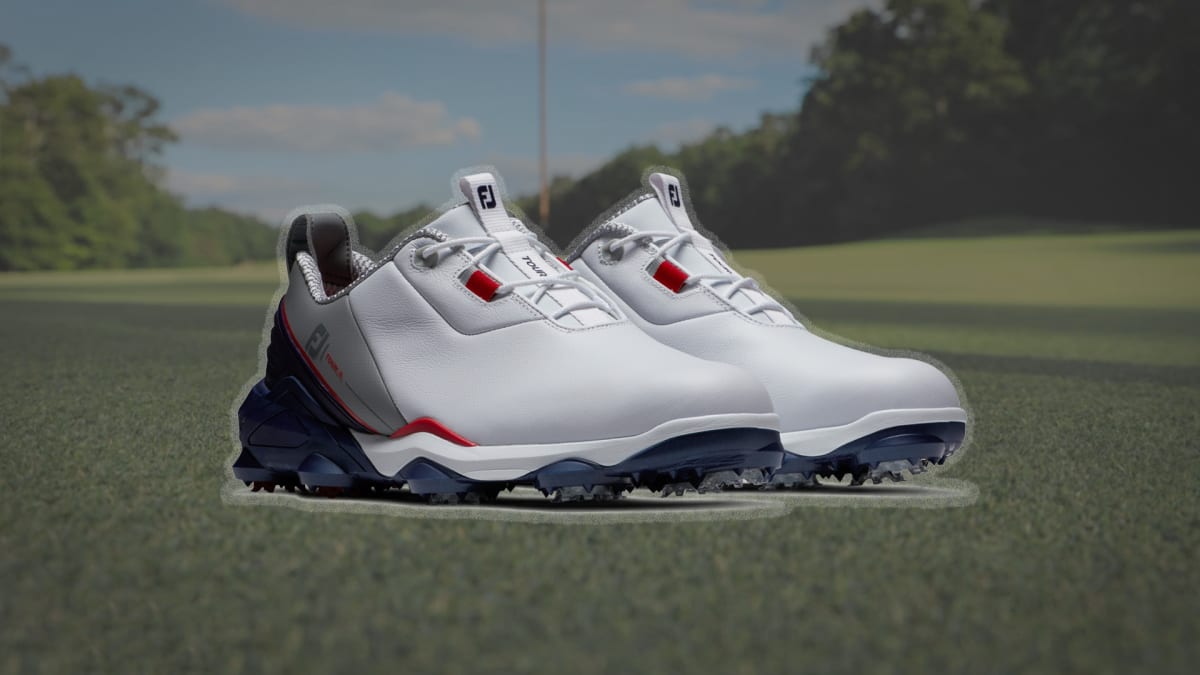
What Your Golf Shoes Say About You
Your golf shoes often reflect a mix of personality and purpose. They can show whether you focus on tradition, comfort, course care, performance, style, or simple readiness. They may also reveal whether you walk, ride, play in wet weather, or spend long hours practicing.

The quick answer
Golf shoes can suggest your priorities, but they do not prove anything about your game. Classic shoes may point to a traditional style. Lightweight shoes may suit a walker. Strong traction may appeal to a golfer who values a stable stance. Bright colors may reflect confidence or fun. The most useful message is this: your shoes should support safe movement, a balanced swing, and respectful golf etiquette.

Shoes are a form of quiet communication
Golf has its own visual language. A neat glove, a carefully marked golf ball, a clean cap, and well-kept shoes all send small signals. None of them matter as much as pace of play, honesty, or a good attitude, but they shape first impressions.
A new golfer may notice shoes before noticing a player’s handicap. A junior may see bright colors as a way to feel part of the sport. A senior golfer may value cushioning and walking comfort over fashion. These choices are personal, not signs of ability.
| Golf shoe clue | What it may suggest | What it does not prove |
|---|---|---|
| Classic shape and simple color | Respect for tradition or a quiet style | That the golfer is highly skilled |
| Bright color or unusual pattern | Self-expression and confidence | That the golfer is careless |
| Light, flexible design | Walking, comfort, or easy movement | That the golfer lacks stability |
| Firm traction pattern | A focus on grip and balance | That the golfer swings hard |
| Worn but cared-for shoes | Frequent play and steady use | That the golfer ignores appearance |
These clues work best as gentle observations, not firm judgments. A golfer may wear classic shoes for comfort, bright shoes for a team uniform, or worn shoes because they are familiar and fit well.
Your shoes may reveal your playing priorities
Golfers make trade-offs. One person may care most about walking comfort. Another may focus on traction during a full swing. A third may choose a style that fits a club event or junior tournament.
These priorities can change over time. Beginners often want simple comfort and confidence. Improving amateurs may pay closer attention to foot pressure, ground force, and stability. Experienced players may know that the same shoe does not suit every course or season.
Why Golf Shoes Matter to Your Game
Golf shoes matter because your feet connect your body to the ground. That connection affects balance, weight shift, rotation, and control during the swing. Shoes cannot fix a slice, poor posture, or weak tempo, but unsuitable footwear can make those problems harder to manage.

Foot grip supports a stable swing
Traction helps your feet resist unwanted movement. During the backswing, your trail foot may accept pressure as your body turns. During the downswing, pressure moves toward the lead side. At impact, the lead foot helps you brace and rotate through the ball.
If your feet slide, your body may react. You may stand up, lose posture, slow your rotation, or swing with extra tension. These changes can affect strike quality and ball flight.
A stable stance does not mean locking your feet in place. Good golf movement includes pressure shifts. The goal is controlled motion, not a frozen lower body.
Comfort affects focus
A round can last several hours. A walking golfer may cover many miles, while a rider still stands, walks, bends, and climbs around the course. Foot pain can drain attention before the back nine.
When discomfort builds, golfers often change posture. They may shorten their stance, avoid a full follow-through, or rush between shots. That can affect the mental game as much as the physical swing.
Comfort suits every skill level. It is especially important for beginners, seniors, players returning from injury, and juniors whose feet are still growing.
Golf shoes connect to course care
The sole also affects the turf. A golfer who drags a foot may tear grass near the green. A golfer who twists hard on soft ground may leave extra marks. Good footwork and good course etiquette often work together.
Repair ball marks, replace divots when local practice allows, and rake bunkers. Keep carts away from restricted areas. These habits say more about you than any shoe color.
🌿 Course Care Note: Walk carefully near greens and wet turf. Avoid twisting in one place when the ground is soft. Small acts of care help protect the course for the next group.
Shoes do not replace swing fundamentals
A shoe cannot replace a sound grip, balanced stance, useful posture, or steady tempo. It cannot create clubhead speed or teach green reading. It can only give your feet a better or worse base for the skills you already use.
For a beginner, the main goal is to feel balanced. For an improving golfer, the goal may be to notice pressure under the feet during the swing. For an advanced player, footwear can become part of a precise routine, but it remains only one factor.
The Personality Signals Behind Different Golf Shoe Choices
Different golf shoe choices can reflect different values. These signals are not rules. They are patterns that may help explain why golfers choose certain looks and features.
Classic shoes often signal tradition
A classic design may suggest that you enjoy the history of golf. You may like a quiet look, old clubhouses, and the rhythm of a familiar routine. You may also prefer clothing and gear that do not distract from the shot.
This style suits golfers who enjoy formal events, traditional clubs, and the link between golf’s past and present. It can also suit a beginner who wants a simple, calm look while learning the basics.
Classic style does not mean old-fashioned thinking. Many traditional-looking shoes support modern walking and movement needs.
Bright shoes may show confidence and joy
Bright colors often signal energy. They may show that you enjoy the social side of golf or want to bring fun to a serious day. A junior golfer may feel more excited when their outfit reflects their personality.
Color can also support group identity. Families, school teams, charity events, and club groups sometimes use matching colors. In that case, the shoes say, “I belong to this group.”
Bright shoes are not a sign of poor focus. Some highly disciplined players enjoy bold colors. Golf allows room for both quiet tradition and personal flair.
Minimal shoes may suggest natural movement
Some golfers prefer a simple, flexible feel. They may want to sense the ground and move easily during walking, chipping, or putting. This can appeal to players who think carefully about foot pressure and balance.
However, a flexible feel does not suit every golfer or every course. A player with weak ankle stability, foot pain, or a history of slipping may need more support. A wet slope or steep course can also demand more traction.
A junior should use footwear that fits their growing feet and supports safe movement. Parents should watch for worn soles, tight areas, and changes in walking style.
Heavily worn shoes may show commitment
Worn shoes can tell a positive story. They may show long practice sessions, early morning rounds, and years of steady play. They may belong to a golfer who cares more about routine than appearance.
Yet wear can also affect safety. A damaged sole or loose upper can change how the foot meets the ground. If a golfer starts slipping or feels uneven pressure, the shoe may no longer support the same movement.
| Shoe style or condition | Possible message | Best question to ask |
|---|---|---|
| Traditional and polished | “I value golf’s history and order.” | Does it still feel comfortable after several holes? |
| Bold and colorful | “I enjoy expression and energy.” | Does the style fit the club or event dress code? |
| Lightweight and flexible | “I value easy movement.” | Is there enough support for the course and weather? |
| Well-worn but maintained | “I play often and trust my routine.” | Is the sole still safe on slopes and wet grass? |
| New-looking and spotless | “I care about detail and presentation.” | Am I focusing on appearance more than fit and function? |
The key takeaway is simple: style can express identity, while fit and safety determine usefulness.
What Your Shoes May Say About Your Skill Level
Shoes do not show a handicap index. They cannot tell you whether a player shoots 75 or 115. Still, the way a golfer thinks about footwear may change as experience grows.
Beginners often seek confidence
New golfers face many questions. Where should the ball sit? How wide should the stance be? How much should the knees bend? What is a fairway, a bunker, or a green?
The feet are part of that learning process. A beginner needs a stable base and enough comfort to focus on grip, posture, backswing, and follow-through. Simple, supportive footwear can reduce distractions.
For a beginner, the shoe message may be, “I am ready to learn.” It does not need to signal expertise.
Improving amateurs notice pressure and balance
As golfers improve, they often become more aware of how the feet work. They may notice pressure moving from the inside of the trail foot to the lead foot. They may feel whether the heel lifts too early or the toes grip the ground under stress.
This awareness can help during full shots, chipping, pitching, bunker shots, and putting. It can also reveal a problem. If a golfer feels unstable only during the downswing, the cause may involve stance, posture, tempo, or ground reaction—not just footwear.
A lesson with a PGA professional can help separate a shoe issue from a swing issue.
Skilled players use a consistent routine
Experienced golfers often value repeatability. They may wear a familiar style because it feels linked to their pre-shot routine. They check the target, choose a club, set the grip, build the stance, and swing without extra thought.
That routine can support the mental game. It does not mean the shoe is special or magical. The value comes from consistency and confidence.
| Golfer | Common footwear priority | Helpful focus |
|---|---|---|
| Beginner | Comfort and balance | Learn stance, posture, grip, and safe movement |
| Improving amateur | Traction and pressure control | Notice foot pressure during the swing |
| Low-handicap player | Repeatable feel and course fit | Keep footwear consistent during key events |
| Senior golfer | Walking comfort and stability | Protect joints and manage fatigue |
| Junior golfer | Correct fit and safe movement | Use age-appropriate size and watch growth |
| Casual fan or first-time player | Ease and confidence | Follow course rules and learn basic etiquette |
No footwear category belongs to one handicap range. A high-handicap golfer may know a great deal about footwork, while a low-handicap golfer may care very little about shoe style.
Golf Shoes for Men, Women, Juniors, and Seniors
Golf shoes should serve the golfer, not a stereotype. Men’s and women’s shoes may differ in shape or size ranges, but the main needs remain the same: fit, comfort, traction, and support.
Shoes for men and women
Foot shape varies greatly within every group. Some women have wider feet. Some men need a narrow fit. Some golfers have high arches, flat feet, sensitive toes, or old injuries.
The best approach is to judge the shoe by how it supports the individual foot. It should not pinch, rub, or force the toes into an unnatural position. It should also allow a balanced stance without making the golfer feel trapped.
Women golfers may face extra pressure to match fashion trends. Men may feel pressure to choose a traditional look. Neither should distract from comfort, safety, and course rules.
Shoes for juniors and young families
Junior golfers need special care because their feet change quickly. A child may outgrow a pair during a season. Parents should watch for new blisters, toe pressure, limping, or a sudden change in stance.
Junior players also need a safe swing area. Keep other children clear of clubs, and teach them to wait until it is their turn. Good golf habits include both proper footwear and awareness of others.
👪 Parent or Beginner Note: Ask a junior how their feet feel after walking, not only before the round. Children may ignore mild discomfort until it changes their gait or focus.
Shoes for seniors
Senior golfers often value cushioning, stability, and low fatigue. Stiff hips, knee pain, balance issues, or reduced ankle movement can change how a golfer walks and swings.
A senior player may benefit from a warm-up routine that includes gentle ankle circles, calf movement, hip motion, and easy practice swings. Stop if pain increases. Persistent foot, knee, back, or hip pain deserves medical advice.
Left-handed and right-handed golfers
Golf shoes do not need to change based on handedness. Both left-handed and right-handed players shift pressure, rotate, and brace in different directions, but the need for balanced traction remains.
A left-handed golfer may feel different wear on each shoe than a right-handed golfer. That difference comes from the swing pattern, course habits, and walking style. It is not a reason to ignore uneven wear.
How Course Type and Weather Change the Message
The same pair of shoes can suit one course and struggle on another. Course type, turf, slope, moisture, heat, and walking distance all matter.
Parkland courses
Parkland courses often have broad fairways, mature trees, soft areas, and maintained paths. Moisture can collect in shaded spots. A golfer who chooses stable footwear may be saying, “I prepare for changing ground.”
Wet grass can reduce traction. Take shorter steps and avoid sudden turns. Be careful near slopes and drainage areas.
Links courses
A links course often has firm ground, wind, natural grasses, rolling fairways, and deep bunkers. Walking comfort can matter because the course may feel exposed and uneven.
Wind also affects club choice and balance. A golfer should stay patient and use course management. Strong shoes cannot stop a gust from moving the body during the swing.
Executive courses
An executive course usually has shorter holes and a lower total yardage than a full-length course. It may suit beginners, juniors, busy adults, or golfers working on short-game skills.
Shorter does not mean easy. Good chipping, pitching, bunker shots, and putting still matter. Comfortable shoes can help a learner stay engaged while practicing scoring skills.
Wet, hot, and cold conditions
Weather changes more than clothing. It changes walking comfort, traction, and focus. Heat raises the need for water, shade, and sun protection. Cold can reduce ankle and hip mobility. Rain makes slopes and bridges more dangerous.
| Condition | Footwork concern | Useful response |
|---|---|---|
| Wet grass | Slipping and turf damage | Shorten steps and avoid sharp twists |
| Firm, dry ground | Foot fatigue and shock | Keep posture relaxed and walk steadily |
| Deep rough | Uneven footing | Check the lie before setting the stance |
| Steep slope | Loss of balance | Use controlled steps and select a safe route |
| Hot weather | Swelling and fatigue | Hydrate, protect skin, and rest when needed |
| Cold weather | Stiff ankles and hips | Warm up gently before full swings |
A golfer who adapts to conditions shows course awareness. That quality matters more than appearance.
Walking versus riding
Walking adds a fitness demand. It can build endurance and create a stronger connection to the course, but it also increases foot, calf, knee, and back stress. A walking golfer needs a steady pace and should avoid carrying more weight than necessary.
Riding reduces walking distance but does not remove movement. Riders still step on slopes, enter bunkers, read greens, and bend to pick up a ball. Cart safety matters: follow posted paths, slow down near turns, and never stand on a moving cart.
⚠️ Safety Warning: Leave the course at the first warning of lightning. Do not wait for rain to become heavy. Heat, lightning, and fast-changing weather can create risks that footwear cannot solve.
Footwear and the Swing: From Stance to Follow-Through
Your shoes affect how the body meets the ground, but the swing still begins with basic technique. The grip controls the club. The stance creates a base. Posture sets the body angle. Tempo controls the sequence.
Stance and ball position
A stance that is too narrow may feel unstable. A stance that is too wide may limit rotation. The correct width depends on the club and the golfer’s body.
A driver stance is often wider than a wedge stance. A short putt uses a different posture from a full iron shot. Shoes should let the feet settle naturally without forcing the toes or heels into an extreme position.
Ball position also changes. A driver may sit closer to the lead heel, while a wedge often sits nearer the center. The shoes do not set the ball position; they simply support the stance that the shot requires.
Pressure during the backswing
During the backswing, pressure often moves toward the trail side. It should not feel like a full slide away from the target. The trail foot helps support rotation while the upper body turns.
If the trail foot rolls outward, the golfer may lose balance. If the toes grip hard, tension may spread through the legs and hips. A calm foot pressure pattern can support a smoother tempo.
Impact and follow-through
At impact, pressure often moves toward the lead side. The lead foot helps the body rotate through the shot. A golfer who remains stuck on the trail foot may hit behind the ball or add unwanted hand action.
The follow-through should finish in balance. A stable finish does not require a perfect pose, but it often shows that the body moved in sequence. If you cannot hold the finish for a moment, check your balance, tempo, and stance.
| Swing phase | Footwork role | Common warning sign |
|---|---|---|
| Setup | Creates a balanced base | Weight feels trapped on heels or toes |
| Backswing | Supports trail-side pressure | Trail foot rolls or body sways |
| Downswing | Helps pressure move forward | Feet spin or slide before impact |
| Impact | Supports rotation and contact | Weight stays back |
| Follow-through | Shows balance and control | Golfer falls away from target |
These signs do not diagnose a swing fault. A PGA professional can watch the whole motion and identify the cause.
Golf Shoes and the Mental Game
A golfer’s shoes can become part of a mental routine. Familiar shoes may help a player feel prepared. A neat appearance may support confidence before a club event. A favorite color may bring a sense of joy during a difficult round.
Confidence versus superstition
Confidence can help a golfer commit to a shot. Superstition can become a problem when a player believes a certain item controls the result. Golf includes skill, chance, weather, lies, and decisions. No shoe can guarantee a birdie or prevent a bogey.
Use footwear as a comfort cue, not a source of fear. If a golfer feels anxious because a familiar pair is unavailable, a breathing routine and clear pre-shot process may help more than an object.
Shoes and social comfort
New golfers often worry about looking out of place. A comfortable, clean pair can help them feel welcome. That matters because embarrassment can keep people away from the driving range or course.
Golf culture is broad. It includes formal events, relaxed public courses, junior programs, women’s groups, senior leagues, charity scrambles, and casual rounds with friends. The main social standards are respect, safety, honesty, and pace of play.
The pressure of appearance
Some golfers spend more energy judging clothing than enjoying the round. Appearance matters within reason, especially where a club has a dress code. But a golfer should not confuse style with skill or status.
Follow the course’s dress rules. Check whether it allows certain sole designs, colors, or casual clothing. Local rules and clubhouse policies can differ.
What Golf Shoe Wear Patterns Can Tell You
The sole can reveal how you walk and swing. It may show whether you roll the foot, drag the toe, or place more pressure on one side. These clues can be useful, but they need context.
Uneven wear on one side
Wear along one edge may reflect foot shape, walking habits, or swing motion. It may also come from how you stand on slopes. Do not assume it proves a swing fault.
A physical therapist or qualified golf fitness specialist can assess movement. A PGA professional can connect foot behavior to stance and swing mechanics.
Toe wear
Toe wear may come from dragging the front of the foot, frequent bending, or a fit issue. It can also happen when a golfer pivots aggressively. Check whether the toe feels cramped and whether the finish is balanced.
Heel wear
Heel wear is common in walking. It may increase when a golfer overstrides or walks on hard paths. If the heel feels unstable, balance may become harder during the swing.
Repeated slipping
Repeated slipping deserves attention. It may come from wet grass, a steep lie, worn traction, poor foot placement, or a rushed swing. Do not solve the problem by simply swinging harder or gripping the ground with your toes.
| Wear pattern or feeling | Possible cause | First response |
|---|---|---|
| Outer-edge wear | Foot roll or walking pattern | Observe walking and stance |
| Toe drag | Gait habit or pivot issue | Slow the walk and check fit |
| Heavy heel wear | Overstriding or hard paths | Use shorter, smoother steps |
| Inside-foot wear | Pressure pattern or foot shape | Seek a movement assessment if persistent |
| Frequent slipping | Wet turf, slope, or worn sole | Change route and slow the motion |
Wear patterns are clues, not final answers. Pain, numbness, or swelling requires medical attention.
Golf Shoe Rules and Club Etiquette
Most Rules of Golf focus on playing the ball, the course, equipment limits, and conduct. They do not usually set one universal style for golf shoes. However, a club, event, or tournament committee may set dress or footwear policies.
Spikes, spikeless soles, and local policy
Different sole types can affect turf and clubhouse floors. Some courses restrict certain designs or require a specific dress standard. The rule may apply to the course, practice range, clubhouse, or competition area.
Check the latest Rules of Golf and your local committee for updates. Also check the club’s own policy before an event. A dress rule is a local condition, not a universal measure of golf skill.
Footwear and pace of play
Shoes should not slow the group. Tie or secure them before reaching the first tee. Avoid long changes between holes. Keep your bag, cart, and personal items organized.
Pace of play is part of golf etiquette. Be ready when it is your turn, watch where others are standing, and move safely between shots.
Care for the course
Do not scrape the ground in anger. Avoid unnecessary practice swings that damage turf. Repair ball marks, replace divots when suitable, and rake bunkers.
A golfer who cares for the course sends a stronger message than one who simply has spotless shoes.
📜 Check the Rules: Dress codes, sole restrictions, cart paths, practice areas, and tournament policies can vary. Check the current local policy and ask the committee when unsure.
Common Misreadings About What Shoes Say
Golfers can read too much into appearance. These myths can create pressure for new players and unfair judgments among experienced players.
“Expensive-looking means skilled”
A polished appearance may show care, but it does not show a handicap. Skill comes from practice, decisions, control, and experience. A player with a high handicap may look formal, while a low-handicap golfer may prefer a casual style.
“Simple shoes mean a casual attitude”
Simple footwear may reflect comfort, personal taste, or a long walking routine. It does not mean the golfer lacks focus. Many serious players choose quiet styles.
“Bright colors are not professional”
Professional behavior comes from honesty, pace, safety, and respect. Color alone does not decide whether a golfer acts professionally. Check the event’s dress code, then allow room for personality.
“The right shoes fix balance”
Shoes can support traction, but they cannot correct poor posture, weak mobility, poor tempo, or a faulty grip. If balance problems persist, seek instruction rather than blaming footwear alone.
| Common belief | More accurate view |
|---|---|
| A classic look proves skill | It may show taste or tradition |
| Bright shoes show poor focus | They may show confidence or group identity |
| Worn shoes are always unsafe | Wear matters only when it affects fit or traction |
| More grip is always better | The foot still needs natural movement |
| Shoes fix a slice | A slice usually involves swing path and clubface factors |
The best judgment is based on behavior. Does the golfer play safely, keep pace, follow rules, and care for the course?
How to Choose a Golf Shoe Style That Fits Your Identity
Choosing a style is less about status and more about matching your needs. Start with how you play, then consider how you want to express yourself.
If you are a beginner
Choose the priorities that reduce distractions:
- Comfortable fit for walking and standing.
- A stable base for learning stance and posture.
- Traction that suits common course conditions.
- A style that helps you feel relaxed.
- Compliance with the course dress code.
Beginners should not feel pressure to copy a skilled player. Your first goal is to enjoy practice, learn etiquette, and build safe habits.
If you are an improving golfer
Think about movement. Notice whether your feet slide during the downswing or whether fatigue changes your posture on the back nine. Pay attention to how shoes feel during chipping, putting, and uneven lies.
Use video or a lesson to study the swing. Do not make major changes based only on sole wear or a single uncomfortable round.
If you are a senior golfer
Give priority to comfort, stability, and walking safety. Use a gentle warm-up before full swings. If your feet, knees, hips, or back hurt, stop and seek medical guidance.
The best style is the one that lets you move with less strain. It may be traditional, modern, colorful, or plain.
If you are a junior golfer
Focus on correct fit, safe movement, and confidence. Allow the child to express personality within the club’s rules. Replace habits that cause pain, limping, or repeated slips.
Parents should also teach course care and swing-area safety. A junior who learns respect early carries it into every group and tournament.
If you walk or play in changing weather
Choose a style that matches your route and climate. Long walks, wet fairways, steep slopes, and firm links ground create different demands. A golfer who rides most rounds may need different priorities from a golfer who walks 18 holes.
| Player situation | Main identity signal | Practical priority |
|---|---|---|
| New golfer | “I am learning.” | Comfort and confidence |
| Regular walker | “I value the journey.” | Foot comfort and steady traction |
| Tournament player | “I value routine.” | Consistent feel and local compliance |
| Social golfer | “I enjoy the group.” | Style, comfort, and etiquette |
| Weather-exposed golfer | “I prepare for conditions.” | Safe movement on changing turf |
Style is personal. Function should guide it.
Simple Ways to Learn What Your Shoes Are Telling You
You can learn a great deal by paying attention during normal play. These checks do not replace a professional assessment, but they may show when you need to change a habit.
Check your stance before the first tee
Stand naturally with a middle iron. Notice whether pressure feels even across both feet. Your knees should be soft, not locked. Your weight should not sit fully on the heels or toes.
Make a few slow practice swings. If you cannot finish in balance, reduce speed and check posture.
Watch your walk
Walk from the parking area or first tee at a normal pace. Do your feet feel stable? Do you shorten your step because of pain? Do you roll to one side?
Small changes may matter. A new limp or repeated rubbing can affect the entire round.
Test movement on safe ground
On a flat practice area, make slow half swings. Feel pressure move from trail side to lead side. Do not test traction by making violent twists or swinging at full speed on a slippery surface.
This check suits beginners and improving players. It may not suit a golfer with pain or a recent injury.
Review after nine holes
Ask three questions:
- Do my feet feel tired or sore?
- Did I change my stance to avoid discomfort?
- Did I slip, drag, or lose balance?
Your answers can guide a talk with a PGA professional, golf fitness specialist, or health professional.
💡 Pro Tip: Keep a short note after each round. Record weather, walking or riding, pain, slipping, and balance. Patterns are more useful than one bad day.
When Golf Shoes Point to a Bigger Problem
Footwear can reveal a movement issue, but it may not cause it. Persistent pain, swelling, numbness, or instability deserves attention.
Signs to stop and seek help
Stop playing and consider medical advice if you have:
- Sharp or worsening pain.
- Numbness or tingling.
- Swelling that does not settle.
- A limp that changes your swing.
- Repeated falls or serious slipping.
- Back, knee, ankle, wrist, or elbow pain.
Pain is not a badge of dedication. A doctor can assess a health issue. A PGA professional can help with swing mechanics after medical concerns are addressed.
When a lesson may help
A lesson suits golfers who notice a recurring fault, such as:
- Losing balance at impact.
- Swaying during the backswing.
- Sliding toward the target.
- Spinning the feet open too soon.
- Striking behind the ball.
- Changing posture late in the round.
A professional can use your skill level, handicap, mobility, swing speed, and goals to build a suitable plan. A junior, senior, beginner, or returning player may need a different approach.
Frequently Asked Questions
Q: What do golf shoes say about a golfer?
A: They may suggest a golfer’s style, comfort needs, walking habits, or respect for tradition. They do not prove skill, handicap, income, or personality. Behavior on the course gives a better picture.
Q: Do golf shoes improve your swing?
A: They can support traction and balance, but they do not teach the grip, stance, posture, tempo, or swing path. A good lesson and focused practice address technique more directly.
Q: Should beginners wear golf shoes?
A: Beginners should wear footwear that is comfortable, stable, and allowed by the course. Golf shoes can help on wet or uneven turf, but safe movement and basic etiquette matter most.
Q: Do women need different golf shoes from men?
A: Not always. Foot shape varies by individual. Women should look for a comfortable fit, safe traction, and suitable support rather than choosing a style based only on a label.
Q: What should junior golfers look for?
A: Juniors need correct fit, safe traction, and room for natural movement. Parents should watch for blisters, toe pressure, limping, or rapid growth. Junior-sized footwear and a proper warm-up can support safe play.
Q: What golf shoes suit seniors?
A: Seniors often benefit from comfort, stability, and reduced foot fatigue. The right choice depends on foot shape, mobility, course type, and walking habits. Pain should be assessed by a health professional.
Q: Can shoe wear show a swing fault?
A: It can offer a clue, but it cannot diagnose a fault. Uneven wear may come from walking, slopes, foot shape, or swing motion. A PGA professional or movement specialist can assess the full pattern.
Q: Do left-handed golfers need different shoes?
A: No. Left-handed and right-handed golfers need the same basic qualities: comfort, traction, and safe movement. Wear may differ because the swing rotates in the opposite direction.
Q: Are bright golf shoes acceptable?
A: Usually, if they follow the course or event dress code. Bright colors can express confidence, team identity, or fun. Good etiquette matters more than color.
Q: Can golf shoes prevent slipping?
A: They can support traction, but they cannot remove all risk. Wet grass, slopes, mud, worn soles, and rushed movement can still cause slips. Slow down and use safe routes.
Q: What should I do if my feet hurt during a round?
A: Stop if pain is sharp, worsening, or linked to numbness or swelling. Do not change your swing to hide pain. Seek medical advice for persistent problems.
Q: How long does it take to improve balance in golf?
A: The time varies by age, fitness, mobility, practice quality, and the cause of the problem. Slow balance drills may help over several weeks, but persistent faults deserve professional guidance.
Q: Do golf shoes matter on an executive course?
A: They can. Shorter courses still include slopes, wet turf, rough, bunkers, and greens. Comfortable footwear can support learning and help a golfer focus on short-game skills.
Q: Can shoes affect putting?
A: They can affect how stable you feel while putting. However, green reading, alignment, distance control, and a calm stroke matter more. Avoid changing your posture simply because the shoes feel different.
Q: Are golf shoe rules part of the Rules of Golf?
A: General footwear style is usually handled by local club or event policy, not one universal shoe rule. Check the latest Rules of Golf and the local committee for current requirements.
Final Thoughts
What your golf shoes say about you depends on how you use them. They may reflect tradition, confidence, comfort, discipline, family support, or a love of walking the course. They may also show that you are learning to prepare for wet fairways, firm links ground, steep slopes, or long days in the sun.
The strongest message is not the color or shape. It is the way you move, play, and treat others. Build a balanced stance, use a steady tempo, care for the course, keep pace, follow local rules, and listen to pain. Let your shoes express your style, but let your habits define your golf.