What Shoes To Wear With Golf Pants: Style Guide
Golf pants sit between sportswear and smart casual clothing. The right shoes complete that balance. They should match the setting, support a stable swing, and keep your feet comfortable for several hours. The best choice depends on whether you are walking or riding, playing in wet or dry weather, and visiting a formal club or a relaxed municipal course.
For most golfers, golf shoes with soft spikes or spikeless soles are the safest choice on the course. Clean athletic shoes can work for casual golf if the club allows them. Loafers, dress shoes, and heavy street shoes may look neat, but they often lack the grip, flex, and comfort needed for a full round.

Quick Answer: What Shoes Should You Wear With Golf Pants?
The best shoes to wear with golf pants are golf shoes that match the course, weather, and dress code. Spikeless golf shoes suit most players and work well with tapered or classic golf pants. Soft-spike shoes offer more grip on wet or hilly courses. Clean sneakers may suit beginners at casual facilities, but check the club rules first. Choose shoes that let your feet stay stable without limiting your swing.

Golf pants usually look best with shoes that have a clean shape and a low profile. White, black, gray, brown, and navy shoes pair well with many trouser colors. The key is not to match every color. Instead, aim for a balanced look from your belt and pants to your shoes.
A right-handed and left-handed golfer can wear the same types of shoes. The difference lies in footwork, not footwear style. Both players need a firm base, room for natural rotation, and enough traction to avoid slipping during the downswing.
Why Your Shoes Matter With Golf Pants
Golf shoes affect more than style. They influence grip, balance, comfort, and confidence during the swing. Your feet connect your body to the ground, so poor footwear can make a stable stance harder to maintain.

A golf swing moves from the ground up. Pressure starts in the feet, moves through the legs and hips, and reaches the arms and club. If your feet slide, roll, or feel cramped, your posture may change. That change can affect the backswing, downswing, impact, and follow-through.
Shoes also matter during the parts of golf that happen away from the tee box. Walking from the fairway to the rough, crossing slopes, standing in a bunker, and reading a green all place different demands on your feet. A shoe that looks good in the clubhouse may not feel good after 18 holes.
Grip Supports a Stable Swing
Traction helps your feet resist unwanted movement. This does not mean your shoes should lock your feet in place. Your feet still need to rotate during the swing, especially as your trail heel rises and your hips turn.
The best balance is secure grip with natural movement. Too little grip can cause slipping. Too much stiffness can make your lower body feel blocked. This is important for beginners who are still learning stance and tempo.
Comfort Affects focus
a full round can take several hours. Walking golfers may cover many miles, depending on the course layout and route between shots. Shoes that pinch the toes or rub the heel can distract you from club selection, green reading, and course management.
Comfort matters for seniors, juniors, and golfers returning after an injury. It also matters for players with wide feet, flat feet, high arches, or past ankle problems. A golf fitness specialist or medical professional can help if foot pain changes your walk or swing.
Dress Codes Shape the Choice
Golf clubs may set rules for shoes. Some require golf-specific footwear. Some ban metal spikes. Others allow clean athletic shoes but not running shoes with bright colors or deep tread.
Check the club’s current dress code before you play. Tournament committees may also set shoe rules. The USGA and R&A Rules of Golf cover play rules, but clothing and shoe standards often come from the club or event committee.
The Best Shoe Styles for Different Golf Pants
The best shoe style depends on the cut, color, and fabric of your golf pants. A clean visual line usually works better than a bulky contrast. Your shoes should look like part of the outfit, not like an unrelated item.

Golf pants may be straight, tapered, pleated, cropped, or relaxed. Men’s, women’s, junior, and senior golf outfits can all use these same style ideas. The right choice is the one that gives your feet support and suits the course setting.
| Golf pant style | Shoe style that usually fits | Why it works |
|---|---|---|
| Tapered pants | Low-profile golf shoes | Keeps the outfit neat and balanced |
| Classic straight-leg pants | Traditional golf shoes | Matches the fuller trouser shape |
| Cropped golf pants | Low-cut spikeless shoes | Shows the ankle area without bulk |
| Relaxed pants | Simple athletic golf shoes | Keeps the look casual and practical |
| Rain pants over golf pants | Waterproof golf shoes | Supports traction in wet conditions |
Tapered pants can make large shoes look more noticeable. Straight-leg pants can handle a more traditional shoe shape. These are style guidelines, not rules.
Spikeless Golf Shoes
Spikeless shoes have rubber traction patterns instead of replaceable cleats. They often move easily from the course to the clubhouse, though club rules still apply. Their low profile works well with both modern and classic golf pants.
Spikeless shoes suit beginners, casual players, and golfers who walk on firm courses. They can also suit seniors who want a comfortable shoe for walking. On steep, soft, or very wet ground, their traction may not match that of soft-spike shoes.
Soft-Spike Golf Shoes
Soft-spike shoes use small removable cleats. They can provide strong grip on wet grass, hills, and soft turf. They often suit players who swing fast, play in damp climates, or need extra stability.
A faster swing does not automatically require soft spikes. Footwork, course conditions, and personal comfort matter more than swing speed alone. A beginner on a wet links course may need more traction than a low-handicap golfer on a dry, flat course.
Clean Athletic Shoes
Some casual courses allow clean athletic shoes. They may suit a beginner attending a first lesson, a junior at a practice facility, or a player on an executive course with a relaxed dress code.
Running shoes may not be ideal for a full round. Their soles are designed for forward motion, not the twisting forces of a golf swing. They may also have too little side support. Always check local rules before wearing them.
Casual Slip-On Styles
A casual slip-on can suit a clubhouse setting or a short practice session if it provides a secure fit. It is less suitable when you need strong grip, walk on slopes, or play in wet grass.
Loose footwear can make your stance feel unstable. It may also move inside the shoe during the downswing. A secure heel and a comfortable toe box matter more than the slip-on look.
| Shoe type | Main strength | Main limitation |
|---|---|---|
| Spikeless golf shoe | Versatile comfort | Less bite on some wet slopes |
| Soft-spike golf shoe | Strong turf grip | May feel more golf-specific off the course |
| Clean athletic shoe | Easy casual style | Often less side support |
| Dress shoe | Formal appearance | Poor flex and turf traction |
| Hiking shoe | Stable on rough ground | Can feel heavy and too stiff |
The table shows why ordinary dress shoes are often a poor course choice. Their smooth soles may slide, while heavy hiking shoes can restrict foot rotation.
Matching Shoe Color With Golf Pants
Shoe color should support the full outfit rather than compete with it. Neutral colors are easy to wear because they pair with many golf pants and shirts. Strong colors can work, but they need a clear link to another part of the outfit.

White shoes pair well with navy, black, gray, tan, and many bright golf pants. Black shoes look strong with black, charcoal, navy, and darker patterns. Brown or tan shoes suit khaki, olive, cream, and earth tones.
| Golf pants color | Shoe colors that blend well | Style effect |
|---|---|---|
| Navy | White, gray, black, brown | Clean or classic |
| Black | Black, white, gray | Sharp and simple |
| Khaki | Brown, tan, white, navy | Warm and traditional |
| Gray | White, black, navy, green | Flexible and modern |
| Olive | Brown, tan, white, black | Relaxed and natural |
| Bright colors | White, gray, or a quiet matching shade | Keeps focus balanced |
A strong contrast can be useful. White shoes with dark pants create a clear line. Dark shoes with light pants create a more formal look. The main goal is balance.
Matching Belts and Shoes
Many golfers match their belt and shoes. This creates a clear visual link, especially with formal golf pants. It is not a strict rule, but it can make an outfit look planned.
The match does not need to be exact. Brown shoes can work with a belt in a close brown shade. Black shoes usually pair best with a black belt. A fabric belt can make the outfit more relaxed.
Using White Shoes
White golf shoes are popular because they look light and clean. They work with men’s, women’s, and junior outfits. They also suit warm-weather golf and bright pants.
White shoes show grass stains and mud more clearly. This matters on wet courses, in the rough, and during winter golf. If you play often in poor weather, a darker or mixed-color shoe may be easier to keep neat.
Using Black or Dark Shoes
Dark shoes can create a formal look with dark golf pants. They suit cooler weather and can hide some marks from damp turf. They may feel visually heavy with very light or cropped pants, so the rest of the outfit should provide balance.
Senior golfers and players who prefer classic clothing may find dark shoes easier to combine with traditional golf pants. Juniors can wear them too, as long as the fit and sole support safe movement.
Choosing Shoes for Walking or Riding
Walking and riding place different demands on footwear. Walking golfers need comfort, cushioning, and reliable grip for many steps. Riding golfers still need traction, but they may focus more on stability during the swing and easy movement around the cart.

A walking golfer should think about heel comfort, toe space, breathability, and sole flex. A riding golfer should still avoid loose shoes. Cart movement can be unsafe if footwear does not stay secure.
| Playing method | Shoe priorities | Tip |
|---|---|---|
| Walking 18 holes | Comfort, breathability, cushioning | Break in the fit before a long round |
| Riding a cart | Grip, secure fit, easy movement | Keep both feet stable when entering or leaving |
| Walking an executive course | Light weight, comfort | A flexible golf shoe may suit shorter loops |
| Caddie or junior walking | Support and weather protection | Check fit as feet grow |
| Practice at a range | Stable sole, comfort | Use shoes that allow full swings |
The best shoe for a walking golfer may not be the best shoe for a cart golfer. Neither choice is tied to handicap. A high-handicap player may walk, and a low-handicap player may ride.
Walking on a Links Course
A links course often has firm ground, exposed areas, wind, and uneven terrain. Shoes need good grip without feeling heavy. The ground may become slippery when dew or rain is present.
Links golf also involves more wind and low-running shots. Stable feet can help you keep posture while adjusting club selection and ball flight. Shoes cannot fix poor balance, but suitable traction can support better movement.
Walking an Executive Course
An executive course usually has shorter holes and may take less time to play. It can suit beginners, juniors, seniors, and golfers who want to work on chipping, pitching, and putting.
Light, comfortable golf shoes often fit this setting. Still, slopes and wet grass can appear on any course. Do not assume a short course needs less grip.
Riding in a Cart
Cart users still need stable footwear. Step out with care, keep hands clear of moving parts, and follow the cart path rules. Avoid standing in a moving cart or placing feet outside it.
⚠️ Safety Warning: Lightning is a serious threat. Leave the course at the first warning and follow the facility’s shelter plan. Shoes do not protect you from lightning.
Selecting Shoes for Weather and Course Conditions
Weather changes how your shoes perform. Dry, firm turf may need less traction than wet grass. Cold weather can make ground hard, while heat can increase swelling and discomfort in the feet.

Rain can make slopes, bridges, wooden steps, and grass slick. Waterproof footwear can help keep feet dry, but waterproof materials may feel warmer. Breathable shoes may feel better in heat but offer less protection in heavy rain.
| Condition | Helpful shoe traits | Extra care |
|---|---|---|
| Heavy rain | Water resistance and deep traction | Walk slowly on slopes |
| Hot weather | Breathable upper and room for toes | Drink water and protect skin |
| Cold weather | Warm socks and stable sole | Allow room without a loose fit |
| Morning dew | Reliable turf grip | Expect slick short grass |
| Dry, firm turf | Flexible sole and moderate traction | Avoid over-tightening laces |
| Muddy rough | Strong grip and easy cleaning | Protect the course and avoid wet areas |
Weather affects the course as well as your feet. Wet turf can suffer from deep marks. Follow cart restrictions and avoid driving on sensitive areas.
Wet Fairways and Rough
The fairway is the short grass area between the tee box and green. The rough is longer grass beside it. Both can become slippery when wet, but the rough may also hide uneven ground.
Take shorter steps when walking across wet slopes. During the swing, keep pressure centered rather than forcing your feet into the ground. A smooth tempo often helps more than trying to swing harder.
Firm Ground and Hardpan
Hardpan is very firm ground with little soft grass. It can appear near paths, in dry areas, or around a course under stress. The shoe should offer grip but also enough comfort to reduce foot fatigue.
Firm ground can increase strain in the knees, ankles, and lower back. Warm up before play. If pain persists, stop and seek medical advice.
Hot and Humid Weather
Heat can make feet swell. Shoes that feel fine at the start may feel tight later. Use socks that manage moisture and allow enough room for natural toe movement.
Drink water during the round. Use sun protection and take shade when possible. Children and older adults may feel heat stress sooner, so parents and playing partners should watch for signs such as dizziness, confusion, or unusual fatigue.
🌿 Course Care Note: Wet turf is easy to damage. Follow cart signs, keep carts away from restricted areas, repair divots, fix ball marks, and rake bunkers. Good shoes should help you walk with care, not invite you to ignore course limits.
How Golf Shoes Affect Your Swing
Shoes do not create a good swing by themselves. They create the base from which your movement begins. The right pair can make it easier to keep posture, pressure, and balance consistent.

Start with a stance that fits the club. A driver may need a wider stance than a wedge. Your feet should feel planted, but your knees and ankles should remain free to move.
During the backswing, pressure often moves toward the trail foot. During the downswing, pressure shifts toward the target side. At impact, many full swings have more pressure on the lead foot. Shoes with suitable grip can support this motion.
Stance and Posture
Your feet should point in a natural direction. The lead foot may flare out slightly to help the hips turn. The trail foot may also open a little, based on mobility and coaching.
Avoid forcing both feet straight ahead if that strains your knees. Golf fitness, age, and flexibility affect stance. A senior golfer or player with hip limits may need a more open lead foot.
Tempo and Balance
Tempo is the rhythm of the swing. It is not the same as swing speed. A fast swing can have a smooth tempo, while a slow swing can feel rushed.
Good shoes can support balance, but they cannot replace a steady rhythm. Try making practice swings at half speed. Finish with your chest facing the target and hold the pose for a moment.
Chipping, Pitching, and Bunker Shots
Short-game shots use smaller swings, but foot stability still matters. Chipping uses a narrow stance. Pitching uses more wrist and body motion. Bunker shots need a stable base in sand.
In a bunker, follow the Rules of Golf. Do not ground the club in the sand before a normal bunker stroke, except where a rule or local condition allows it. Check the latest Rules of Golf and the local committee for updates.
Putting and Green Reading
Putting uses less foot motion than a full swing. Comfortable shoes still matter because you may stand over the ball for a long time. A stable stance can help you read the slope and aim line.
Green reading means judging the direction and speed of a putt. Spikes should not damage the putting surface. Walk carefully, avoid dragging your feet, and repair ball marks.
Common Shoe Mistakes Golfers Make
Most footwear problems come from poor fit, wrong traction, or ignoring the setting. Fixing these issues can make golf more comfortable without changing your swing.
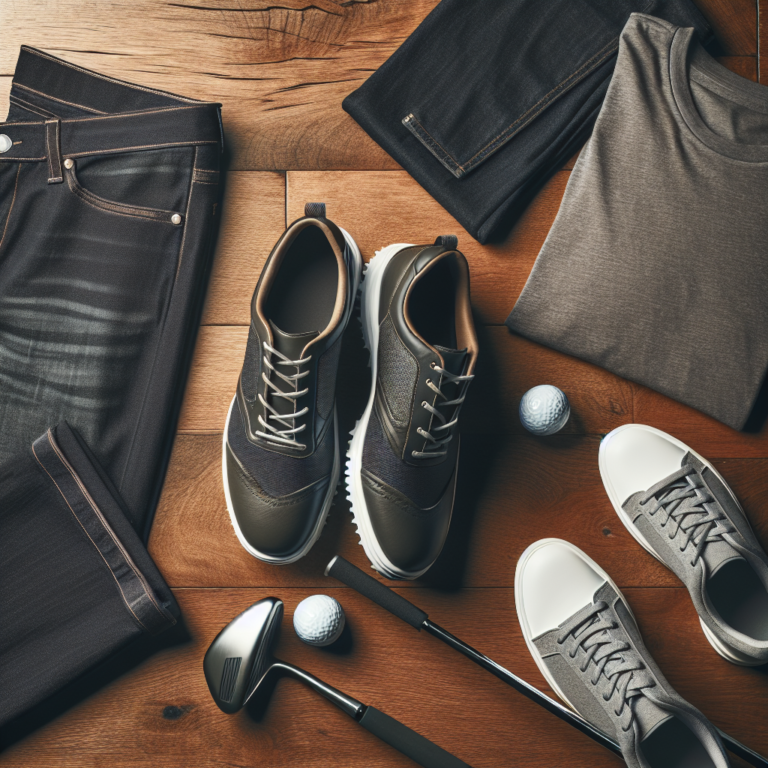
Beginners often focus on appearance first. That is understandable, especially when joining friends or attending a first lesson. Yet comfort, grip, and club rules should come before color.
| Common mistake | Why it causes trouble | Better approach |
|---|---|---|
| Wearing smooth dress shoes | They can slip on turf | Use footwear with golf-appropriate traction |
| Choosing a very loose fit | Feet move inside the shoe | Seek a secure heel and stable fit |
| Wearing tight shoes | Toes may hurt and feet may swell | Allow natural toe room |
| Ignoring wet conditions | Grass and slopes become slick | Match traction to the weather |
| Using heavy boots | They can limit rotation | Choose a stable but flexible sole |
| Wearing new shoes for 18 holes | Friction may cause blisters | Test them during short sessions |
The main lesson is simple: the best-looking shoe is not useful if it causes pain or makes you change your stance. Footwear should fade into the background while you play.
Wearing Dress Shoes
Dress shoes often have smooth soles and stiff leather. They may work for a social event but not for full golf. They can slide during the downswing and may leave marks on turf.
Wearing Running Shoes
Running shoes support forward travel. A golf swing includes side forces and rotation. Some running shoes have soft, high soles that can feel unstable.
A clean athletic shoe may be fine for a short lesson if the facility permits it. It may not suit wet grass, steep terrain, or tournament play.
Choosing the Wrong Size
A shoe should hold the heel while allowing the toes to spread. A loose heel can cause rubbing. A tight toe box can create pressure and alter your walk.
Feet may swell during a hot round. Try to judge fit with the socks you use for golf. Children’s feet also grow, so parents should check fit often rather than rely on an old pair.
Overlooking Socks
Socks affect comfort, moisture, and friction. Thin socks may feel cool but offer little protection. Thick socks may make a close shoe too tight.
Choose socks that stay in place and keep the foot dry. Change them if they become wet. This is especially helpful for junior golfers and players who walk.
A Simple Fit and Style Checklist
A short checklist can help you choose shoes that match golf pants and support your round. Use it before a lesson, casual game, club event, or tournament.

Walk in the shoes before making a long round your first test. Take a few practice swings. Try a short chipping session if the facility allows it.
- Check the club dress code.
- Match traction to the course and weather.
- Make sure the heel stays secure.
- Leave room for natural toe movement.
- Test the shoes with golf socks.
- Take practice swings on grass.
- Confirm that the sole does not feel too stiff.
- Check for rubbing after a short walk.
The checklist suits beginners and experienced players. A low-handicap golfer can still choose poorly if comfort and ground conditions are ignored.
| Fit check | Good sign | Warning sign |
|---|---|---|
| Heel | Stays in place | Lifts with each step |
| Toes | Can move freely | Press against the front |
| Midfoot | Feels secure | Slides side to side |
| Sole | Bends with the foot | Feels rigid or heavy |
| Walking test | No hot spots | Rubs or pinches |
| Swing test | Stable finish | Feet slide or twist |
No shoe can suit every foot. Players with diabetes, nerve loss, past surgery, or ongoing foot pain should ask a qualified health professional for guidance.
Shoe Choices by Golfer Type
The right choice depends on the golfer, not just the pants. Skill, age, mobility, course access, and playing goals all shape the answer.

A beginner may need a flexible, simple option. An improving amateur may need dependable grip in varied conditions. A parent may need to prioritize a junior’s fit and safety over matching an outfit.
Beginners and High-Handicap Golfers
Beginners often play at a driving range, executive course, or local public course. Clean athletic shoes may be allowed during early practice, but golf shoes are a better long-term fit for regular rounds.
Choose comfort and moderate traction. Do not assume a stiff shoe creates better balance. Learn stance, grip, posture, and tempo with footwear that feels natural.
Improving Amateurs
Improving players may walk more, play in different weather, and enter stroke play or match play events. A reliable shoe can reduce distractions during course management.
Match the shoe to the course. Wet hills may favor stronger traction. Firm, dry turf may favor a lighter sole. Your handicap index does not decide the shoe by itself.
Seniors
Senior golfers may value comfort, stability, and easy walking. A shoe that fits well can help reduce fatigue. Flexible ankles, hips, and backs need room to move.
Do not use footwear to force a stance that causes pain. A PGA professional can help adjust technique, while a doctor or physical therapist can assess persistent pain.
Women Golfers
Women’s golf pants may have a narrower leg, cropped length, or softer fabric. Low-profile shoes often complement these shapes, but comfort remains the first test.
Foot shape varies widely. Do not choose only by appearance or by a label such as “women’s.” Fit, support, and course conditions matter more.
Junior Golfers
Junior golfers need a secure fit and room for growth, but not an oversized shoe. A loose shoe can make balance harder and increase the risk of trips.
Parents should check that the child can walk, squat, and swing without rubbing. Juniors also need sun protection, water breaks, and a clear swing area during practice.
👪 Parent or Beginner Note: A child’s first golf outfit does not need to be formal. Clean, secure footwear that follows the facility’s rules is enough. Focus on safety, comfort, and enjoyment.
Golfers With Mobility Limits
Players with ankle, knee, hip, or back limits may need a different stance and shoe feel. Heavy soles or poor support can increase fatigue.
A golf fitness specialist can suggest warm-up work and mobility drills. See a doctor for pain, swelling, numbness, or symptoms that continue after play.
Rules, Etiquette, and Course Care
Shoe rules usually come from the golf club, event, or local committee. The Rules of Golf govern how the game is played, but they do not create one universal dress code for every facility.

Some clubs ban metal spikes or require golf shoes. Some allow athletic shoes. Check the latest club policy before a round, especially for tournaments, junior events, and private facilities.
Your shoes should also protect the course. Avoid dragging your feet on greens. Walk around bunker edges when possible. Repair pitch marks and replace divots.
Pace of Play
Shoes should help you move safely and efficiently. Slow walking due to pain can affect pace of play. So can stopping to change footwear during a round.
Prepare before tee time. Keep the correct shoes ready, warm up, and start with enough time to check the first hole. In stroke play, match play, Stableford, and scramble formats, good pace remains part of golf etiquette.
Bunkers and Greens
Do not take unnecessary steps through a bunker. Enter from the low side when practical, then rake your footprints and shot marks. On greens, avoid standing close to another player’s line.
Golf shoes can leave marks if you drag your feet. Lift your steps on delicate surfaces. Good course care helps every group behind you.
Cart Safety
Use paths and directional signs. Slow down near turns, slopes, bridges, and wet ground. Keep hands and feet inside the cart while it moves.
Never let footwear create false confidence. Spiked or high-traction shoes do not make a cart safe on a steep slope.
📜 Check the Rules: Dress codes, spike policies, cart rules, and local conditions can change. Check the latest Rules of Golf and your local committee or club before competitive play.
What Shoes Work With Specific Golf Pants?
A few outfit examples can make the choice easier. Think about the color, cut, and setting together.

Navy golf pants are flexible. White or gray golf shoes create a light look, while black or brown shoes make the outfit more classic. Khaki pants pair naturally with brown, tan, navy, or white shoes.
Black Golf Pants
Black pants can look sharp with black shoes. White shoes create contrast and suit a modern golf outfit. Gray shoes offer a softer middle ground.
Avoid adding too many strong colors at once. If the shoes are bright, keep the shirt or belt more restrained.
Khaki Golf Pants
Khaki pants have a classic golf look. Brown or tan shoes create a warm blend. White shoes make the outfit brighter, while navy shoes add contrast.
This combination suits casual public courses, club events, and family golf days. Choose traction based on the course, not the color.
Navy Golf Pants
Navy pants work with nearly every neutral golf shoe. White shoes look crisp. Brown shoes feel traditional. Black shoes look more formal.
Navy can also support a bright shirt, but keep the shoe color simple if the top already draws attention.
Patterned or Bright Golf Pants
Bright pants need visual balance. White, gray, black, or a quiet matching shoe usually works best. Avoid matching every color in a loud pattern.
This advice suits men’s and women’s golf clothes equally. Juniors can use brighter combinations, but fit and safety still come first.
How Long Does It Take to Get Used to Golf Shoes?
Most golfers need only a few short sessions to adjust to a new shoe feel. The time depends on the sole, fit, walking habits, and how different the shoes are from your old pair.
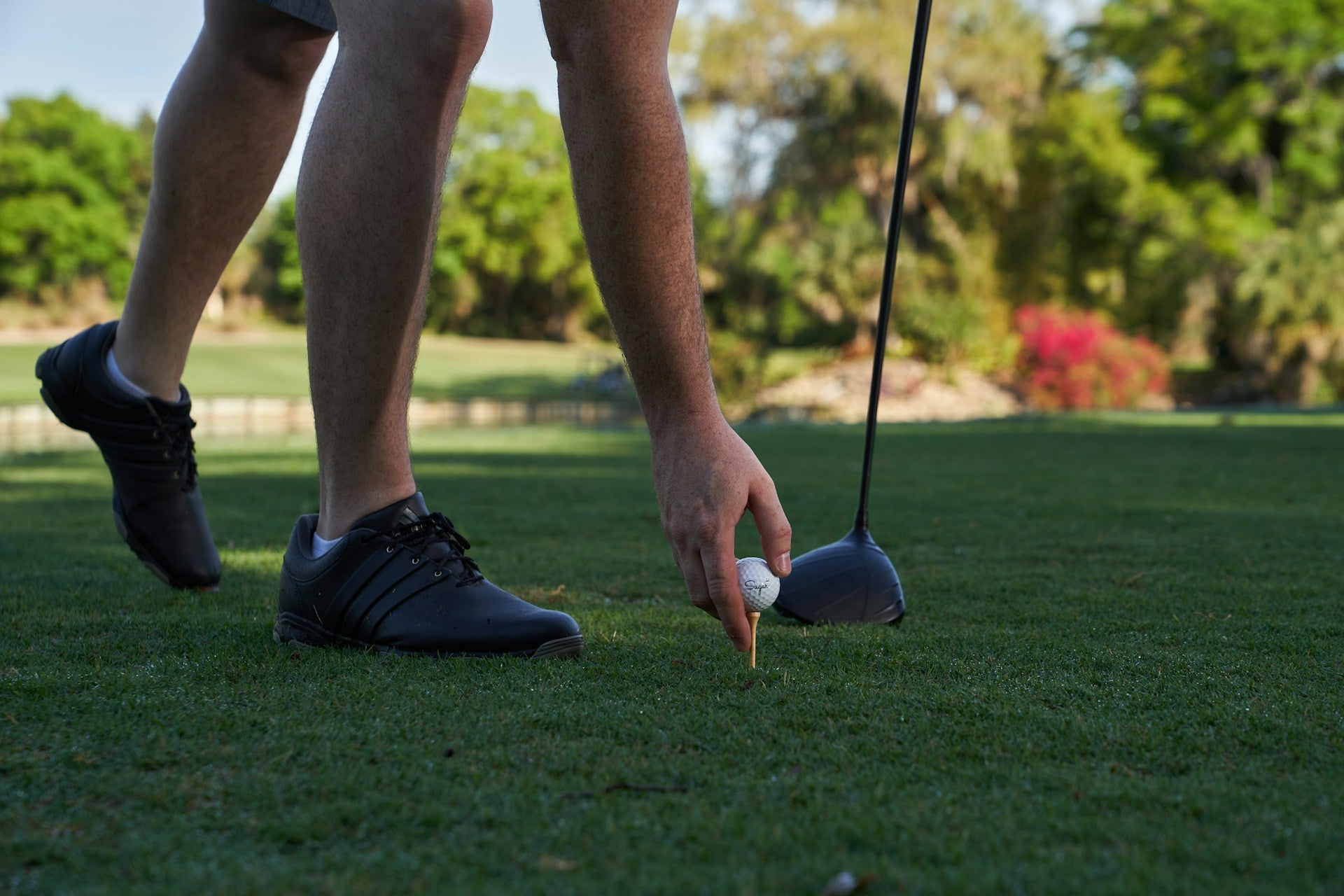
Start with a short practice. Walk for 20 to 30 minutes, make easy swings, and check for hot spots. Then use the shoes for nine holes before a full 18-hole round.
Do not ignore pain while waiting for a shoe to “break in.” Mild stiffness may fade, but sharp pain, numbness, or rubbing needs attention. A shoe should become more familiar, not more harmful.
| Adjustment stage | Suggested activity | What to watch |
|---|---|---|
| First session | Short walk and practice swings | Heel movement and toe pressure |
| Second session | Range work and chipping | Foot stability and comfort |
| Third session | Nine holes | Blisters, fatigue, and grip |
| Later use | Full round | Comfort after several hours |
This gradual approach suits beginners, seniors, and anyone returning after an injury. It may not suit a golfer with an urgent medical issue; that player should seek professional guidance.
FAQs About Wearing Shoes With Golf Pants
Q: Can I wear sneakers with golf pants?
A: You can wear clean sneakers if the course or practice facility allows them. They suit casual lessons and some executive courses. They may lack the side support and turf grip needed for wet grass or a full round.
Q: Do golf pants require golf shoes?
A: Golf pants do not always require golf shoes. The club’s dress code decides what is allowed. Golf shoes are often the practical choice because they support grip, walking, and swing stability.
Q: What shoes look best with tapered golf pants?
A: Low-profile spikeless golf shoes usually create a clean line with tapered pants. Simple athletic golf shoes can also work at casual facilities. Avoid a very bulky shoe if the trouser leg is narrow.
Q: What shoes should women wear with golf pants?
A: Women can wear spikeless or soft-spike golf shoes with golf pants. The best choice depends on fit, weather, walking, and club rules. Color should balance the pants, belt, and shirt.
Q: What shoes should juniors wear with golf pants?
A: Juniors should wear secure, comfortable golf shoes or approved athletic shoes. The shoe should not be too large. Parents should check fit often because children’s feet can grow quickly.
Q: Are white golf shoes hard to keep clean?
A: White shoes show grass and mud more clearly than dark shoes. They can still suit dry conditions and light-colored golf pants. Wet-weather players may prefer a color that hides marks more easily.
Q: Are soft spikes better than spikeless shoes?
A: Neither is always better. Soft spikes may offer more grip on wet or hilly turf. Spikeless shoes may feel lighter and more versatile. Choose based on course conditions, walking needs, and comfort.
Q: Can I wear loafers with golf pants on the course?
A: Loafers may suit a clubhouse or social setting, but they often lack turf traction and swing support. Use them on the course only if the facility allows them and the sole is stable enough for play.
Q: Should golf shoes match the belt?
A: Matching the belt and shoes can create a neat look, but it is optional. Close colors are enough. Comfort and course rules matter more than a perfect color match.
Q: What shoes are best for walking 18 holes?
A: Choose shoes with a secure heel, comfortable toe space, useful traction, and enough cushioning. Test them with your golf socks before a long round. Walking comfort matters more than a certain brand or style.
Q: Can left-handed golfers wear the same shoes as right-handed golfers?
A: Yes. Shoe choice does not depend on hand preference. Both players need support for rotation, pressure shift, balance, and a stable finish.
Q: Do seniors need special golf shoes?
A: Seniors do not need one special type. Many benefit from a comfortable, stable, moderate-weight shoe with room for natural movement. Pain or balance concerns should be discussed with a health professional.
Q: Can shoes change my golf swing?
A: Shoes can affect how stable and comfortable you feel, but they do not replace sound instruction. If a shoe causes slipping or limits rotation, it may change your movement. A PGA professional can help with swing changes.
Q: How should golf shoes fit?
A: The heel should stay secure, the midfoot should feel supported, and the toes should have room to move. The shoe should not pinch, rub, or slide during a practice swing. Test fit with the socks used for golf.
Final Thoughts
The best shoes to wear with golf pants are comfortable, secure, and allowed by the course. For most golfers, spikeless golf shoes offer a useful mix of traction, comfort, and clean style. Soft-spike shoes can suit wet or hilly conditions, while clean athletic shoes may work for casual practice when local rules permit them.
Match the shoe shape to the pants, but do not let fashion outrank fit. Think about walking, weather, turf, age, mobility, and the demands of your swing. A good pair should support your stance, tempo, balance, and safe movement while you enjoy the game.