What Shoes To Wear To Top Golf: Best Footwear Guide
Topgolf is part driving range, part social game, and part outdoor outing. You may hit golf balls, walk up and down several levels, stand on rubber mats, eat, and spend hours on your feet. That mix makes footwear more important than many new players expect.
The best shoes for Topgolf are comfortable, secure, and suited to the weather. You do not need traditional golf shoes for most Topgolf venues. A clean pair of athletic shoes with good grip is often the simplest choice. Golf shoes can also work, but their value depends on the venue, the mat, your swing, and how much walking you plan to do.
Your choice may change if you are a beginner, an improving golfer, a junior, a senior, or a guest who plans to play several games. This guide explains what shoes to wear to Topgolf, what to avoid, and how footwear can affect stance, balance, safety, comfort, and golf etiquette.

Quick answer: Wear comfortable shoes with a stable sole
For most Topgolf visits, wear clean athletic shoes, golf sneakers, or flat casual shoes with a stable, non-slip sole. Choose footwear that lets your feet stay level and secure during the backswing, downswing, impact, and follow-through. Avoid dress shoes, flip-flops, high heels, loose sandals, and shoes with very soft or worn soles.
Topgolf does not usually require golf shoes. Most players can use regular sneakers. Traditional golf shoes may suit an experienced golfer who wants extra traction, but they are not essential for beginners, families, or casual players.

| Shoe type | Best fit | Main point |
|---|---|---|
| Athletic sneakers | Most players | Comfortable, stable, and easy to walk in |
| Golf sneakers | Golfers who want golf-style support | A balance of comfort and grip |
| Traditional golf shoes | Experienced players in suitable conditions | Strong traction, but often more than needed |
| Dress shoes or heels | Usually poor choices | Less grip and less swing stability |
| Flip-flops or loose sandals | Poor choice for hitting | Weak foot support and safety concerns |
The key takeaway is simple: pick shoes that stay on your feet, grip the surface, and remain comfortable for several hours. For a first visit, stability and comfort matter more than a specialized golf design.
Why footwear matters at Topgolf
The right shoes can help you keep a steady stance while you swing. A stable base supports posture, balance, and weight shift. It also helps you move safely around the hitting bay and walk through the venue.
Topgolf bays use hitting mats rather than natural fairways. The surface is firm and fairly even, but it can still feel different from grass. Your feet may slide if the sole is smooth, wet, or worn. A shoe that feels fine on a sidewalk may not feel secure when you turn against the ground during a full swing.

Your stance needs a stable base
A stance is the position of your feet before the swing. Your feet should support your body without making you feel locked in place. Most golfers need enough grip to resist unwanted movement, but not so much that the foot cannot move naturally during the follow-through.
For a driver or fairway wood, your stance is often wider than it is for a wedge. A wider stance can make balance more important. Beginners who wear unstable shoes may sway, shorten the backswing, or stop the follow-through because they do not trust their feet.
A secure shoe can help you focus on grip, posture, ball position, and tempo instead of worrying about slipping.
Topgolf involves more than one swing
A typical visit may include full swings, half swings, chipping-style shots, and short pitches. You may also walk to the edge of the bay, climb stairs, stand while talking, and move around between turns.
Topgolf is not the same as walking 18 holes. Still, a session can last two hours or more. Shoes that pinch your toes or lack support may cause foot, knee, back, or hip fatigue. That fatigue can change your posture and swing tempo late in the session.
The surface changes your traction needs
Most Topgolf hitting areas use artificial turf or synthetic mats. These surfaces are not the same as wet grass, dry fairway turf, or a sandy area near a bunker. The mat is usually firm and flat, so aggressive spikes may not offer a clear benefit.
The best shoe for a mat is often one with a flat, stable outsole and modest tread. Deep, sharp tread can feel awkward on a hard mat. A smooth sole can slide during the downswing.
| Footwear feature | Why it helps | Who benefits most |
|---|---|---|
| Stable heel | Helps control balance | Beginners and seniors |
| Flexible forefoot | Supports walking and follow-through | All-day visitors and families |
| Secure laces or straps | Keeps the shoe attached to the foot | Juniors and active players |
| Moderate tread | Adds grip without feeling harsh | Most Topgolf players |
| Wide enough toe area | Reduces pressure and rubbing | Seniors and players with foot concerns |
Look for a shoe that feels firm under the heel and midfoot but still bends near the toes. The ideal balance is support without stiffness.
What shoes should you wear to Topgolf?
The best choice depends on the activity, weather, and your personal comfort. Athletic sneakers are the broadest fit. Golf shoes are optional. Casual shoes can work if they have a secure upper and a grippy sole.

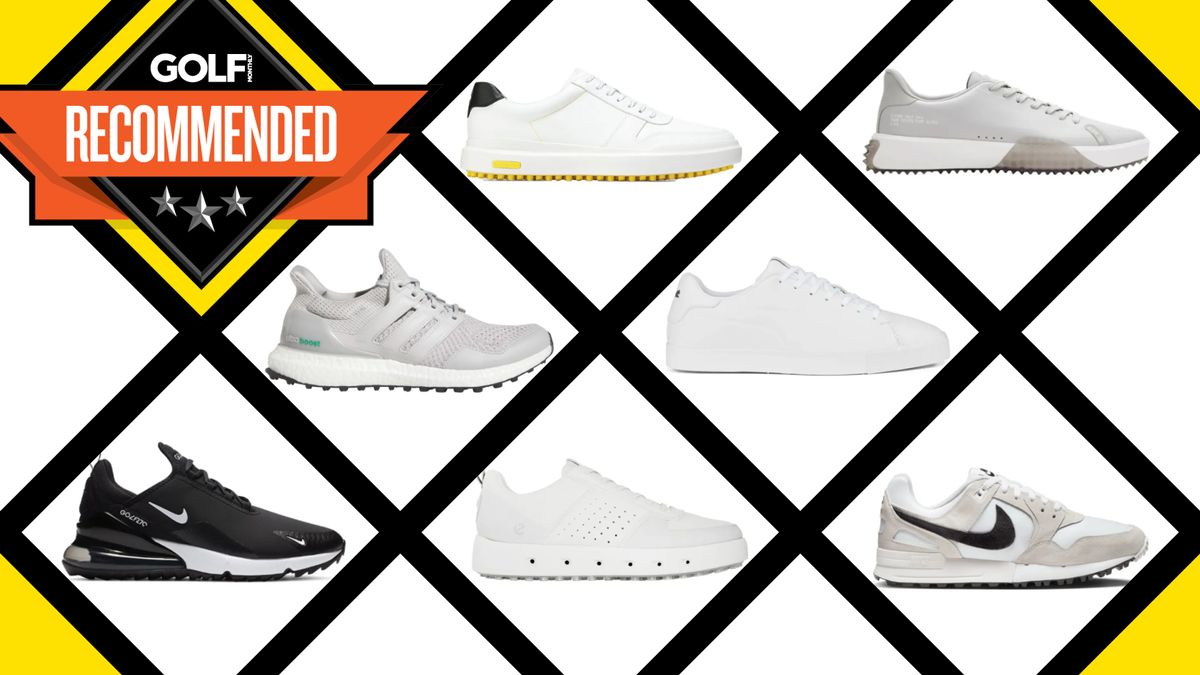
Athletic sneakers
Athletic sneakers are a strong choice for most Topgolf players. Running, walking, training, and court-style shoes can work when they have a stable base. The shoe should not feel like a soft cushion that lets your foot roll from side to side.
A very soft running shoe may feel comfortable while walking but less steady during a full swing. A training or walking shoe may provide a firmer platform. The exact label matters less than how the shoe feels when you plant, rotate, and finish.
Athletic sneakers suit:
- First-time golfers
- Families and casual guests
- Players who plan to walk or stand for hours
- Seniors who need comfort and support
- Juniors who need secure footwear
- Players visiting an indoor or covered venue
Golf sneakers
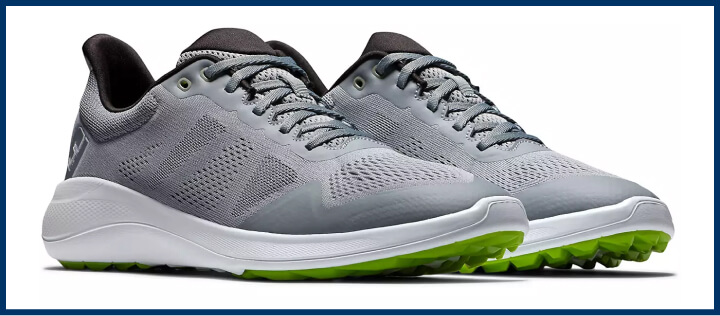
Golf sneakers combine some golf-shoe features with the comfort of a casual athletic shoe. Many use a spikeless outsole. This design can provide traction on mats and walking comfort away from the hitting bay.
Golf sneakers may suit an improving amateur who wants a consistent feel underfoot. They can also help a player who plans to move from Topgolf to a practice range or executive course. They are not required for Topgolf, and they may not suit someone who finds golf footwear too stiff or narrow.
Traditional spiked golf shoes
Traditional golf shoes with replaceable or built-in spikes can provide strong traction on grass. At Topgolf, that traction is often unnecessary. The hitting mat is not a natural fairway, and many venues have indoor floors, stairs, and walkways.
If you already wear traditional golf shoes, check the venue’s current footwear rules before your visit. Some venues may limit certain types of spikes to protect surfaces or improve safety. Never assume that a shoe allowed on a golf course is suitable in every Topgolf area.
Casual flat shoes
Clean casual shoes may work for a social visit. Examples include flat canvas shoes or other low-profile shoes with a firm rubber sole. They are more suitable for light swings than for a long practice session if they lack support.
A flat shoe can help you feel level on the mat. However, a very smooth sole may slide. Check the bottom before you play.
Boots
Light outdoor boots can work in cold or wet weather if they are comfortable and not too heavy. Bulky work boots may restrict ankle movement and change your stance. They can also make it harder to feel the ground.
Boots are most useful when weather protection matters more than swing feel. They may not suit a golfer working on precise contact, chipping, or a smooth follow-through.
Sandals and open shoes
Open shoes offer less protection and less foot control. They may allow your foot to move inside the shoe when you swing. Loose straps can also create a trip risk on stairs or around the bay.
Some casual players may wear secure athletic sandals for social events, but they are not ideal for powerful swings. Closed shoes are a safer choice for hitting golf balls.
How to choose Topgolf shoes step by step
The best way to choose Topgolf footwear is to test comfort, grip, fit, and movement in that order. Do not choose a shoe only because it looks like a golf shoe. Your feet should feel calm and secure when you set up to the ball.

1. Check the venue and weather
Topgolf venues can have indoor, outdoor, covered, or open-air areas. Conditions may include heat, rain, wind, cold, or bright sun. Check the venue’s current guidance before you go, especially if you plan to wear spikes, boots, or open shoes.
A covered bay does not mean the whole visit is indoors. You may still cross outdoor walkways or stand in areas exposed to rain and wind. Weather can make a normally comfortable sole feel slippery.
2. Try a golf stance
Stand with your feet about shoulder-width apart. Bend slightly at the hips and knees. Then make a slow practice turn as if you were taking the club to the top of the backswing.
Your feet should stay planted without your toes gripping the ground. Your heels should not lift too early. If the shoe rolls, slides, pinches, or feels loose, it may not suit a full golf swing.
3. Test the sole
Look for a sole with visible but moderate tread. The rubber should not feel completely smooth. It should also not feel so aggressive that the shoe catches on the mat.
Press the shoe into the ground and turn gently. You want controlled resistance. Too little grip can cause slipping. Too much stiffness can make natural rotation feel blocked.
4. Check the fit
Your heel should stay in place as you walk. Your toes should have room to spread without touching the front of the shoe. The upper should hold your foot firmly but should not create pressure points.
Fit needs vary by age and foot shape. Seniors may need more room and cushioning. Juniors need secure shoes that fit their current feet, not oversized shoes chosen to last longer. Women and men may have different shoe shapes, but foot comfort matters more than gender labels.
5. Walk, turn, and bend
Walk several steps. Turn as if you were moving around a bay. Bend to pick up a tee. Then make a few slow practice swings.
This simple test reveals problems that standing still may hide. A shoe can feel fine at first but rub the heel during walking. It can also feel stable in a straight line but slide during rotation.
6. Match the shoe to the session
A one-hour social game has different needs from a long practice session. If you plan to hit many balls, choose support and comfort over fashion. If you are mostly watching friends, a clean casual shoe may be enough.
Beginners often need the most comfort because they are learning new movements. Improving players may care more about consistent balance. Advanced players can use more specialized footwear, but only when it fits the surface and venue rules.
7. Pack for changing conditions
If rain or cold is possible, bring a second pair of comfortable shoes and dry socks. Wet socks can lead to blisters and foot fatigue. In hot weather, choose breathable footwear and plan breaks.
Do not leave footwear decisions until the last minute. A short test at home can prevent a long, uncomfortable session.
| Step | What to test | Warning sign |
|---|---|---|
| Venue check | Surface and weather | Footwear may not suit wet or slick areas |
| Stance test | Balance during setup | Feet slide or shoes roll |
| Swing test | Rotation and follow-through | Heel lifts too early or sole catches |
| Walking test | Comfort between turns | Rubbing or foot fatigue |
| Fit test | Heel and toe space | Loose heel or cramped toes |
The simple rule is to test shoes in motion, not just in a mirror. Golf combines walking, turning, bending, and swinging.
Shoe choices for different golfers
There is no single best Topgolf shoe for every golfer. Skill level, age, fitness, foot shape, weather, and swing style all matter. The right choice for a beginner may not suit a player practicing high-speed drives.
Beginners and first-time players
Beginners should focus on comfort and balance. You do not need specialized footwear to learn grip, stance, posture, ball position, and swing tempo. A stable athletic sneaker is usually enough.
New players often swing hard because they think speed creates distance. A secure shoe can help, but it cannot fix poor balance or an outside-in swing path. Start with half swings and build a smooth follow-through.
Improving amateurs
Improving golfers may notice that footwear affects their contact. If the feet slide, the golfer may lose posture or move the head too much. If the shoe is too rigid, the golfer may resist a natural finish.
A spikeless golf shoe or stable training shoe may suit this group. The goal is a repeatable base. This can help when working on clubface control, launch angle, spin, or strike quality.
Experienced and low-handicap golfers
Low-handicap players may have stronger swing speeds and clearer preferences. A player who creates force from the ground may want more traction. However, Topgolf mats still differ from grass, and extra grip is not always better.
Experienced golfers should check whether their footwear changes rotation. A shoe that anchors the foot too firmly may increase stress on the knee, ankle, or hip. Use the least aggressive traction that gives secure balance for the venue.
Seniors
Senior golfers often need comfort, shock control, and easy walking. A stable shoe with a forgiving upper can reduce foot fatigue. Avoid footwear that is heavy, stiff, or difficult to put on and remove.
A wider stance, shorter backswing, and smooth tempo can help a senior golfer stay balanced. Shoes support that plan, but they do not replace a warm-up or good mobility.
Women golfers
Women golfers should choose shoes by fit and function, not by style alone. Foot shape, arch comfort, heel security, and toe room matter. Some players may prefer a lighter shoe, while others may need a firmer base.
Avoid shoes that create pressure at the heel or forefoot. A swing includes rotation and weight shift, so a narrow or unstable shoe may become uncomfortable quickly.
Juniors and young players
Junior golfers need secure shoes that fit now. Oversized shoes can cause slipping, tripping, and poor balance. A junior does not need adult-level traction or a heavy sole.
Parents should check that the child can walk, bend, and swing without the shoe moving. Keep young players away from the swing area while another golfer is hitting. Good footwear supports safety, but supervision matters more.
Left-handed and right-handed golfers
Shoe needs do not change much by handedness. Both left- and right-handed players need stable feet and room to rotate. The main difference is the direction of the swing and the side of the bay used.
Check the space around the hitting area before each swing. A left-handed player may need the bay arranged differently. Shoes cannot prevent contact with a nearby club or person.
| Golfer | Useful footwear focus | Why |
|---|---|---|
| Beginner | Comfort and steady sole | Supports learning without distraction |
| Improving amateur | Consistent traction | Helps repeatable setup and balance |
| Senior | Cushion, support, and easy walking | Reduces fatigue during a long visit |
| Junior | Secure fit and light weight | Supports safe movement and control |
| High-speed golfer | Firm base without over-grip | Balances traction and natural rotation |
| Social guest | Comfort and clean appearance | Suits light play and time on the feet |
The main lesson is to match the shoe to the person, not only to the activity. A junior, senior, and competitive golfer may all need different levels of support.
Footwear for indoor, outdoor, and weather conditions
Weather changes both comfort and traction. A shoe that works on a dry summer evening may feel poor in rain or cold. Think about the path from the parking area to the bay, not only the mat.

Hot weather
Heat can cause swollen feet, sweaty socks, and fatigue. Breathable shoes may feel better during a long session. Wear moisture-managing socks and take water breaks.
Heat also affects concentration. A tired golfer may lose posture and rush the downswing. Your warm-up routine should include gentle movement rather than repeated full-speed swings.
Rain
Rain can make walkways and outdoor stairs slick. Choose a shoe with a secure sole and a closed upper. If shoes become wet, change socks when possible.
Do not swing if lightning is present or if the venue gives a safety warning. Leave the outdoor area at the first warning and follow staff instructions. No score, game, or social event is worth staying outside during a storm.
Cold weather
Cold can reduce foot comfort and joint mobility. A light, weather-resistant shoe may help, but bulky footwear can restrict movement. Warm your ankles, knees, hips, shoulders, and wrists before hitting full shots.
Begin with short swings. Move to longer clubs only after your body feels ready. Cold muscles can raise the risk of strain in the back, elbow, or wrist.
Wind
Wind changes ball flight more than it changes shoe choice. Still, strong wind can make you tense. A stable stance helps you feel balanced while you adjust club selection and target choice.
Topgolf games may show targets and scores, but wind can affect the ball before it reaches the target. Treat the game as practice in course management, not as a perfect substitute for a natural course.
Wet or slick mats
If the mat is wet, test your stance before making a full swing. Reduce swing speed if your feet feel uncertain. A shorter swing with controlled tempo is safer than a hard swing with poor footing.
Tell venue staff if a hitting area looks unsafe. Do not try to solve a slick surface by digging your spikes into it.
| Condition | Shoe priority | Swing adjustment |
|---|---|---|
| Hot | Breathability and comfort | Take water breaks and use smooth tempo |
| Rain | Secure sole and dry socks | Shorten swing if footing is uncertain |
| Cold | Warmth with mobility | Start with half swings |
| Wind | Stable base | Stay balanced and control effort |
| Wet mat | Grip and caution | Stop if the surface feels unsafe |
Weather does not change the basic rule: stay secure, stay comfortable, and follow venue safety guidance.
Shoes, golf technique, and swing balance
Shoes can influence how you feel the ground, but they do not create a good golf swing by themselves. A sound swing still depends on grip, stance, posture, club path, clubface control, impact, and follow-through.
Grip and stance
Your grip is how you hold the club. Your stance is how you place your feet. Both should feel relaxed but controlled.
A shoe with a stable sole can help you maintain your stance. It cannot correct a grip that is too tight or a stance that is too narrow. Beginners should make one change at a time.
Posture and balance
Good posture places your body in a position that allows the club to move freely. Bend from the hips, keep a soft knee flex, and let your arms hang naturally.
If your shoes feel unstable, you may stand too upright or sit too deeply. You may also shift toward your toes. Check your posture before blaming the club or the ball.
Backswing and downswing
During the backswing, your body turns away from the target. During the downswing, the club moves toward the ball. A secure shoe helps you feel the pressure shift between your feet.
Do not force your trail heel to stay down. Do not spin the lead foot aggressively if the mat makes that movement awkward. Your motion should be smooth and pain-free.
Impact and follow-through
At impact, the club meets the ball. The follow-through is the motion after contact. A balanced finish is a useful sign that the swing stayed under control.
If your shoe slips at impact, reduce effort and widen your stance slightly. If pain appears in the knee, ankle, hip, back, elbow, or wrist, stop. Persistent pain deserves medical advice and, when appropriate, help from a PGA professional.
Short shots and putting-style games
Topgolf games may include targets that reward different distances. You may use a wedge for chipping or pitching-style shots. Chipping is a low shot that spends little time in the air. Pitching is a higher short shot with more carry.
Short shots use smaller swings, but foot stability still matters. Keep your weight centered and avoid wearing shoes that make small movements feel awkward.
Common shoe mistakes at Topgolf
Many footwear problems come from choosing for appearance rather than movement. A shoe can look suitable and still feel unsafe when you swing or walk.

Wearing smooth-soled shoes
Smooth soles may slide during the downswing. This is more likely on a dusty, damp, or polished surface. Check the outsole before you play.
Choosing a shoe that is too soft
Soft cushioning can feel pleasant for walking. Too much softness may reduce side-to-side stability. This can make the stance feel less secure.
Wearing new shoes for a long session
New footwear may rub in places you did not expect. A long Topgolf session can expose those problems quickly. Use familiar footwear when possible.
Using loose sandals or flip-flops
Loose footwear can move inside the shoe. It may also fall off or catch when you walk on stairs. Closed, secure shoes are a safer choice for golf swings.
Wearing heavy work boots
Heavy boots can limit ankle movement and make the feet feel slow. They may suit wet outdoor travel but not a technical practice session.
Ignoring socks
Socks affect comfort, friction, and moisture. Thin, worn, or bunched socks can cause blisters. Choose socks that stay smooth inside the shoe.
Wearing aggressive spikes without checking
Spiked shoes may be uncomfortable on hard mats or indoor floors. They may also conflict with venue guidance. Check the current local policy.
| Mistake | What can happen | Better approach |
|---|---|---|
| Smooth sole | Sliding during the swing | Use moderate tread |
| Loose fit | Foot movement and blisters | Secure heel and toe space |
| Very soft sole | Weak side support | Choose a stable platform |
| Heavy boot | Restricted movement | Use lighter weather-ready footwear |
| New shoe | Hot spots and rubbing | Test it before a long visit |
| Loose sandal | Reduced safety | Wear secure closed footwear |
A small footwear issue can distract you from the game. Fix the simple cause before changing your swing.
A simple warm-up before hitting
A short warm-up can help your body prepare for swinging and walking. It is useful for every golfer, but it matters even more for seniors, juniors, players returning from a break, and anyone with limited mobility.

Three-minute movement routine
Start with easy walking. Then move through gentle ankle circles, knee bends, hip turns, shoulder rolls, and wrist movements. Keep the range comfortable.
Do not bounce or force a stretch. The goal is to increase motion, not test your maximum flexibility.
Practice swings
Begin with a few slow swings using no ball. Then make half swings with a short club. Move to longer clubs only when your feet feel stable and your body feels ready.
Use a steady tempo. A full-speed swing is not needed for the first ball. This routine also lets you notice whether your shoes grip the mat.
Safety check
Look around the bay before swinging. Make sure people are outside the swing area. Keep clubs away from children when they are not hitting.
If you feel dizzy, unusually short of breath, or in pain, stop and tell staff or a companion. Heat, dehydration, and fatigue can affect judgment.
⚠️ Safety Warning: Leave an outdoor hitting area at the first lightning warning and follow venue instructions. Also stop if your feet slip, your shoe feels loose, or pain develops in your ankle, knee, hip, back, elbow, or wrist.
Topgolf etiquette and footwear rules
Topgolf is a shared space. Good golf etiquette includes safe movement, respect for other players, and care for the facility. Footwear is part of that responsibility.

Follow current venue guidance
Topgolf locations may have different layouts and policies. Check the current rules for spikes, outdoor areas, weather closures, and age requirements. Rules can change by location.
This is not the same as a formal round under the Rules of Golf. Many Topgolf games use targets, scoring zones, or custom formats. If you are playing a separate golf game under stroke play, match play, scramble, or Stableford rules, agree on the format first.
Keep the hitting area clear
Wait until it is your turn. Keep children and guests behind the safe line. Never walk in front of a player who is addressing the ball.
Both left-handed and right-handed swings need a clear space. Watch the entire swing area, not only the ball.
Care for the venue
Do not drag dirty or muddy shoes across indoor floors. Wipe your feet when needed. Dispose of broken tees, wrappers, and old balls properly.
On a natural course, repair ball marks, replace divots, rake bunkers, and protect the green. Topgolf does not have the same fairway, rough, bunker, or putting green duties, but respect for the facility still matters.
🌿 Course Care Note: Clean footwear helps protect shared surfaces. Leave mud, litter, broken tees, and damaged equipment out of walkways and hitting areas.
Pace of play
Be ready when it is your turn. Choose a target before stepping up. Take practice swings only when they do not delay the group.
Pace of play matters in every format. It matters during a casual Topgolf game, a family visit, and a formal round on a golf course.
📜 Check the Rules: Topgolf games use venue-specific scoring and safety rules. For formal golf, check the latest Rules of Golf, local rules, and the event or club committee.
Footwear pros and cons
Different shoe types solve different problems. No style is perfect for every golfer or every Topgolf setting.

| Option | Pros | Cons |
|---|---|---|
| Athletic sneakers | Comfortable, common, easy to walk in | Some are too soft or smooth |
| Golf sneakers | Balanced grip and casual feel | May feel narrow or stiff to some players |
| Traditional golf shoes | Strong traction on grass | Often unnecessary on mats |
| Casual flat shoes | Simple and level underfoot | May lack support for long sessions |
| Light boots | Useful in cold or wet weather | Can restrict ankle motion |
| Open sandals | Cool and casual | Less support and protection |
Athletic sneakers are the broadest solution. Golf shoes make more sense when you already prefer them or plan to practice elsewhere. Open footwear has the most limits during active swings.
Questions golfers often ask
Q: Do you need golf shoes at Topgolf?
A: No. Most Topgolf players can wear clean athletic sneakers or other stable closed shoes. Golf shoes are optional. Choose footwear that grips the surface, supports your feet, and follows the current venue policy.
Q: Can you wear regular sneakers to Topgolf?
A: Yes. Regular sneakers are often a good choice. Avoid shoes with very smooth soles, weak side support, or worn tread. Test a slow practice swing before hitting at full speed.
Q: Are running shoes good for Topgolf?
A: They can be. A running shoe may work well if it has a stable base and secure fit. Very soft shoes designed only for straight-line comfort may feel less stable during a golf swing.
Q: Can you wear sandals to Topgolf?
A: Secure sandals may be acceptable at some venues, but they are not ideal for hitting. Flip-flops and loose sandals can slip, fall off, or reduce foot control. Closed shoes are safer for most players.
Q: Can you wear heels to Topgolf?
A: Heels are a poor choice for swinging and walking on stairs or uneven areas. They can change balance and limit natural foot movement. Flat, secure shoes are more suitable.
Q: Are spiked golf shoes allowed at Topgolf?
A: Policies can vary by location and spike type. Check the current venue guidance before you arrive. Even when allowed, traditional spikes may feel unnecessary on a firm hitting mat.
Q: What should kids wear to Topgolf?
A: Children should wear comfortable, closed shoes with a secure fit and moderate grip. Avoid oversized footwear. Parents should also keep children outside the swing area until it is their turn.
Q: What should seniors wear to Topgolf?
A: Seniors often benefit from comfortable shoes with a stable heel, good support, and enough toe room. Avoid heavy boots or footwear that makes walking and turning difficult. A slow warm-up can also help.
Q: Should you wear different shoes for indoor and outdoor Topgolf?
A: Not always. A clean athletic shoe can work in both settings. Outdoor rain, cold, mud, or slick walkways may require more weather protection. Check the venue layout and forecast.
Q: Can shoes affect how far the ball travels?
A: Shoes do not directly create distance. They can affect balance and ground pressure during the swing. A stable base may help you make more consistent contact, but club choice, strike, launch, and swing speed matter more.
Q: What if my feet slide during the swing?
A: Stop and check the sole, mat, stance, and swing speed. Dry the shoe if needed. Widen your stance slightly and make a slower swing. If the surface feels unsafe, tell venue staff.
Q: How long does it take to get used to golf shoes?
A: It depends on the golfer and the shoe. Some players adjust within one session. Others need several short sessions. Use slow swings first and stop if the shoe causes pain or changes your natural movement.
Q: Are golf shoes useful for beginners?
A: They can be, but they are not needed to learn. Beginners should first learn a balanced stance, relaxed grip, sound posture, and smooth tempo. A stable athletic shoe can support those basics.
Q: Do men and women need different Topgolf shoes?
A: The main needs are the same: fit, comfort, support, and grip. Shoe shape may differ between individuals. Choose by foot comfort and movement rather than by gender alone.
Q: Can you wear Topgolf shoes on a real golf course?
A: It depends on the shoe design and the course policy. A stable athletic shoe may work on a casual course in dry conditions, but formal courses may require specific golf footwear. Check the course rules first.
Q: Are Topgolf shoes good for walking 18 holes?
A: Some may be, but Topgolf footwear is not automatically suited to a full walking round. An 18-hole course may involve several miles of walking, hills, rough, wet grass, and bunkers. Match the shoe to the course and weather.
Q: What is the best shoe for a high-handicap golfer?
A: A comfortable, stable athletic shoe is often enough. High-handicap golfers may benefit more from secure footing and reduced fatigue than from specialized traction. Work on balance and tempo before chasing equipment changes.
Q: What should you wear if you are only watching?
A: Wear comfortable shoes for standing and walking. You do not need golf footwear if you are not swinging. Still, closed shoes may be useful around active hitting areas and stairs.
Q: Can bad shoes cause back or knee pain?
A: Poor fit, weak support, or an altered stance may contribute to discomfort. Shoes are not the only cause. Stop if pain begins, and seek medical advice for ongoing or severe pain. A PGA professional can help with swing-related movement issues.
Final thoughts
The best shoes to wear to Topgolf are comfortable, secure, and stable on the venue’s surface. For most people, that means clean athletic sneakers or another closed shoe with moderate tread. Traditional golf shoes are optional, and open or smooth-soled footwear is usually a poor fit for active swings.
Choose shoes based on the full visit: walking, standing, swinging, stairs, weather, and safety. Beginners should value comfort and balance. Improving golfers should look for a repeatable base. Seniors need support and room, while juniors need a secure fit and close supervision.
Test your stance before you hit. Warm up with slow swings. Follow venue guidance, protect the space around you, and stop if the surface or your body feels unsafe. Good footwear will not replace sound technique, but it can help you focus on the enjoyable parts of golf: learning the motion, finding the target, and sharing time with your group.