What Socks To Wear With Golf Shoes: Best Guide For Comfort
Golf socks do more than complete an outfit. They affect comfort, foot stability, heat control, and the way your golf shoes feel during a long round. A poor sock choice can lead to hot spots, blisters, damp feet, or a loose fit inside the shoe.
The right pair depends on your shoes, weather, walking habits, foot shape, and course type. A junior playing nine holes on an executive course may need something very different from a senior walking 18 holes on a hilly links course. Your swing matters, too, because stable feet support your stance, posture, rotation, and follow-through.

Quick answer: What socks should you wear with golf shoes?
The best socks for golf shoes are clean, snug, breathable socks made from a moisture-managing fabric blend. Choose ankle or no-show socks for low-cut shoes, crew socks for more coverage, and cushioned golf socks for long walking rounds. Avoid loose cotton socks, thick socks that crowd your shoes, and any pair that slides down or creates folds.

For most golfers, a medium-lightweight sock with a secure heel, smooth toe seam, and light cushioning is a strong starting point. The sock should stay in place without squeezing your calf or toes.
Your best choice may change with temperature, rain, walking distance, and foot health. A sock that feels ideal on a dry summer morning may feel too thin in cold wind or too warm during a humid afternoon.
Why golf socks matter during a round
Golf socks help manage heat, moisture, friction, and pressure. These four factors can shape your comfort from the first tee to the final green. Comfortable feet also make it easier to focus on club selection, green reading, pace of play, and course management.

Golf includes many types of movement. You walk, stand, twist, bend, climb slopes, enter bunkers, and swing from uneven lies. Your feet support every part of that chain, from the setup and backswing to the downswing, impact, and follow-through.
A sock does not fix poor footwork or swing balance. It can, however, reduce distractions that make good movement harder. When your feet stay dry and your shoes fit well, you have one less problem to manage.
Moisture control
Sweat can build up inside a golf shoe, even in cool weather. Wet skin softens and becomes more likely to rub. That rubbing can create hot spots and blisters.
Moisture-managing fibers move sweat away from the skin and help it dry. Wool blends can also manage moisture and temperature in a wide range of conditions. Cotton feels soft, but it can hold sweat and dry slowly.
Friction and blisters
Blisters form when skin faces repeated rubbing, heat, and moisture. A smooth sock with a good fit can reduce that friction. It cannot prevent every blister, especially when a shoe is too loose, too tight, or not broken in.
Do not wait until a painful hot spot becomes a blister. Stop when you feel burning or rubbing. Adjust the sock, check the shoe, and protect the area before continuing.
Foot stability
Your feet help create a stable base for the golf swing. A sock that bunches under the arch or slips at the heel can make your stance feel less secure. That discomfort may change how you distribute pressure between your heels and toes.
This does not mean thicker socks always improve stability. Too much material can crowd the shoe and reduce natural foot movement. The goal is a smooth, even fit.
Comfort over many hours
An 18-hole round may take several hours, especially on a busy course. Walking golfers face more repeated contact between the sock, foot, and shoe. Riders still walk from the cart to the tee box, fairway, rough, bunker, and green.
Beginners often notice sock problems late in the round because they are still learning how to pace themselves. Improving amateurs may notice them during practice because a driving range session can include many swings with little rest.
The main sock features to look for
The best golf sock is not defined by its label. It is defined by how well it fits your foot, works with your golf shoes, and handles your playing conditions.

Start with the basics: fit, fabric, height, cushion, and seams. These features work together. A breathable fabric cannot help much if the sock slides down, and a thick cushion cannot help if it makes the shoe too tight.
A secure fit
A golf sock should sit close to the foot without leaving deep marks. The heel should stay in place when you walk. The toe area should have enough room for your toes to spread naturally.
Avoid socks that twist under the arch. Twisting creates pressure points and can affect comfort during a long walk. It may also make the shoe feel uneven at address.
Breathable fabric
Breathability helps heat and moisture escape. Common fabric groups include cotton, synthetic performance fibers, wool, and blends.
No fabric is perfect for every golfer. The right choice depends on sweat level, temperature, skin sensitivity, and how long you remain on the course.
| Fabric type | Main strength | Limitation |
|---|---|---|
| Cotton | Soft feel and easy comfort | Holds moisture and dries slowly |
| Synthetic blend | Good moisture control and shape retention | Some golfers may dislike the feel |
| Merino wool blend | Warmth, odor control, and moisture management | May feel warm in very hot weather |
| Nylon or elastane blend | Stretch and secure fit | Usually works best as part of a blend |
A takeaway is simple: choose moisture control for heat and walking, and choose warmth for cold weather. If your feet sweat heavily, a cotton-only sock may not suit you.
Light or medium cushioning
Cushioning can reduce pressure under the heel and ball of the foot. This may help walkers, golfers with sensitive feet, or players who spend hours on firm ground.
Too much cushion can make the shoe tight. Tight shoes can press on the toes, change your stance comfort, and increase heat. Test the sock with the actual golf shoe and not with a casual shoe.
Smooth toe seams
A bulky seam can rub against the toes. This matters more for golfers with wide forefeet, sensitive skin, bunions, or reduced foot sensation.
A smooth toe area may suit seniors and golfers with foot issues. If you have diabetes, nerve problems, poor circulation, or repeated skin injury, ask a health professional for personal advice.
Arch support and stretch
Some socks use a tighter band around the arch. This can help the sock stay in place. It should feel supportive, not restrictive.
Arch compression is not a treatment for flat feet, plantar pain, or other conditions. Persistent pain needs evaluation by a doctor or qualified health professional.
| Feature | Suits this golfer | Use caution when |
|---|---|---|
| Light cushion | Warm weather, riding, short rounds | The shoe already fits tightly |
| Medium cushion | Walking 18 holes, firm courses, sensitive feet | Your toes feel crowded |
| Arch band | Golfers whose socks slide or twist | You dislike pressure under the arch |
| Smooth toe seam | Wide feet, sensitive skin, seniors, juniors | The sock is too short in the toe |
| Extra warmth | Cold, wind, early starts | Hot, humid weather |
The main lesson is to match the sock to the shoe. Do not select cushion, height, or compression in isolation.
Sock height: no-show, ankle, quarter, or crew?
Sock height is mostly a matter of comfort, coverage, weather, and dress code. It also changes how the sock works with the top of the golf shoe and the lower leg.

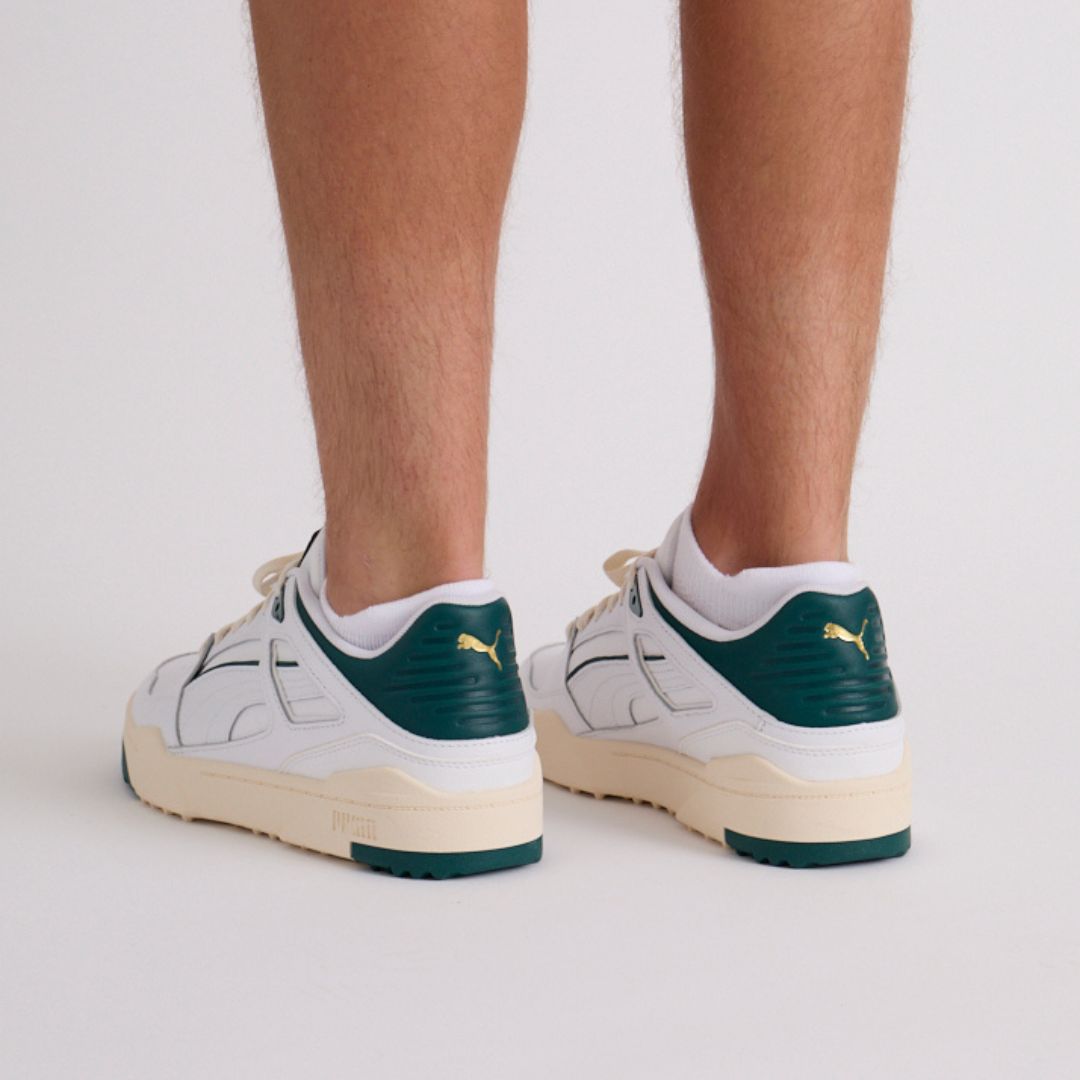
There is no single correct height for every golfer. A no-show sock can work well with a low-cut shoe in warm weather. A crew sock can protect the lower leg from grass, brush, sun, and cold air.
No-show socks
No-show socks sit below the shoe collar or just above it. They suit golfers who prefer a low visual profile and play in warm conditions.
Their main risk is slipping. If the heel grip is poor or the sock is too small, the sock may slide under the foot. That can create friction at the heel.
No-show socks may not suit golfers with ankle rubbing, tall grass exposure, or shoes with a high collar. They may also be a poor choice for some club dress codes.
Ankle and quarter socks
Ankle socks cover the ankle bone or sit slightly below it. Quarter socks extend a little higher. Both offer more protection than no-show socks without the full coverage of a crew sock.
These heights work well for many casual rounds, practice sessions, and warm-weather games. They can suit men, women, and juniors when the fit is correct.
Crew socks
Crew socks reach partway up the calf. They offer more protection from sun, grass, insects, rough, and cool air. They are common in cooler weather and may fit some traditional club dress codes.
Crew socks can feel hot in humid conditions. A thick crew sock can also create pressure around the calf or make a golf shoe feel too tight.
| Sock height | Best use | Possible issue |
|---|---|---|
| No-show | Hot weather and low-cut golf shoes | Heel slip or less ankle protection |
| Ankle | Warm weather and general play | May rub against some shoe collars |
| Quarter | More coverage with a low profile | Can feel tight if the cuff is narrow |
| Crew | Cool weather, sun, grass, and formal dress codes | May feel warm or restrictive |
Check the course dress code before you play. Clothing rules are often set by the club, event, or tournament committee rather than by the Rules of Golf.
Match socks to weather and course conditions
Weather changes what your feet need. Temperature, humidity, rain, wind, and ground conditions can affect comfort and foot movement.

A dry, flat municipal course creates a different demand from a wet, hilly links course. A golfer who rides most of the round may need less cushioning than a golfer who walks 18 holes on a long course.
Hot and humid weather
Use a thin or medium-lightweight breathable sock in hot conditions. Moisture control matters more than extra warmth. A sock that stays dry can help limit rubbing.
Avoid wearing a very thick sock in a tight shoe. Heat has less room to escape, and your toes may lose space as your feet swell during the round.
Drink water, use sun protection, and take breaks when needed. Heat can affect judgment and swing tempo, not just foot comfort.
Cold weather
Cold conditions can make feet stiff and uncomfortable. A wool blend or medium-weight sock may provide warmth without excessive bulk.
Do not solve cold feet by stacking several thick socks inside a tight shoe. Restricted circulation can make your feet colder and less comfortable. The shoe and sock must work as a pair.
Rain and wet grass
Wet conditions increase the risk of friction. They can also make the ground unstable, especially in the rough, on slopes, or near bunkers.
A moisture-managing sock can help, but no sock can keep feet dry inside a soaked shoe. Change into dry socks if your feet become wet during a long round.
Links courses and coastal wind
A links course often has firm ground, open wind, deep rough, and changing weather. Crew socks may suit golfers who want more protection from grass and cool air.
Links golf can also involve long walks and uneven lies. Medium cushioning may help walkers, but it should not crowd the shoe.
Executive courses and short rounds
An executive course has shorter holes and often takes less time to play. A thin ankle or no-show sock may be enough in mild weather.
New golfers may still walk a lot on a short course because they are learning where to stand, how to find a ball, and how to move safely around the course. Comfort remains important.
| Condition | Sock approach | Why it helps |
|---|---|---|
| Hot and humid | Light, breathable, moisture-managing | Limits heat and dampness |
| Cold and windy | Medium weight or wool blend | Adds warmth without extreme bulk |
| Wet round | Smooth fit and spare dry pair | Reduces rubbing when moisture rises |
| Hilly walking course | Light or medium cushion | Helps manage repeated foot pressure |
| Flat riding round | Light cushion | Avoids extra bulk inside the shoe |
Weather advice is not a substitute for good judgment. Leave the course at the first warning of lightning and follow the facility’s emergency plan.
Choose socks for walking, riding, and foot shape
Your transport choice affects how much stress your feet face. So does your foot shape, age, fitness level, and past injury history.

Walking golfers often need more attention to cushioning, moisture, and blister prevention. Riders may focus more on breathability and fit because their total walking distance is lower.
Walkers
If you walk 18 holes, try your golf socks during a practice walk before a major round. Notice whether the heel slips, the toe seam rubs, or the arch band feels too tight.
A medium cushion may suit a healthy adult walker on a firm course. It may not suit a golfer whose shoes already feel snug.
Golfers who ride
Riding reduces total walking, but it does not remove movement. You still need to walk on turf, climb slopes, retrieve a ball, and stand during play.
A lightweight sock may feel more comfortable in a warm cart. In cool weather, a crew sock can add useful coverage.
Seniors
Senior golfers may have thinner skin, reduced circulation, joint stiffness, or a higher risk of foot discomfort. A smooth seam and secure fit can matter more than a very thin design.
Older players should avoid strong compression unless a medical professional has advised it. Persistent numbness, swelling, or pain deserves medical attention.
Women’s golf socks
Women’s golf socks follow the same basic principles: secure fit, moisture control, proper height, and suitable cushion. Foot shape varies widely, so gender labels do not replace fit.
Some women’s golf shoes have a narrower heel or different volume. The sock should support that fit without bunching at the toes or sliding at the heel.
Men’s golf socks
Men’s feet also vary in width, arch height, and volume. A larger size does not always solve a tight fit. A sock that is too long can fold, while one that is too short can pull across the toes.
Men who wear traditional golf clothing may choose crew socks for coverage and dress code reasons. The final choice should still support comfort and movement.
Junior golfers
Junior golfers need socks that fit a growing foot without excess fabric. Oversized socks can bunch and create blisters. Very tight socks can restrict comfort.
Parents should check the fit before a junior plays. Make sure the child can walk, squat, and swing without discomfort. Junior-sized equipment, safe swing-area clearance, hydration, and sun protection matter as much as clothing.
| Golfer or situation | Useful priority | What may not suit |
|---|---|---|
| Long-distance walker | Moisture control and medium cushion | Very thin cotton socks |
| Cart rider | Breathability and simple fit | Heavy socks in hot weather |
| Senior golfer | Smooth seams and gentle stretch | Tight cuffs or harsh compression |
| Junior golfer | Correct size and soft feel | Oversized socks with folds |
| Wide-foot golfer | Roomy toe area and flat seams | Thick socks in narrow shoes |
| Sweaty-foot golfer | Fast-drying fabric blend | Cotton-only socks |
A good fit should feel quiet. You should notice the golf course, not the sock.
How to test socks before a full round
The best way to test golf socks is to wear them with your golf shoes during normal golf movements. A quick try-on while sitting does not reveal every problem.

Use the following process before an 18-hole round, club event, or junior tournament.
- Put on the socks and golf shoes you plan to use.
- Walk for 10 to 15 minutes on a safe surface.
- Stand in your golf stance and shift pressure from heel to toe.
- Make a few slow practice swings.
- Bend as if you were reading a putt or picking up a ball.
- Check for slipping, bunching, rubbing, tightness, or numbness.
- Remove the shoes and look for red marks or hot spots.
The test should include the motions you use on the course. If a seam rubs during a practice swing, it may become worse after several hours.
Check your sock and shoe together
A sock that feels good in a casual shoe may fail in a golf shoe. Golf shoes often have a firm sole and structured upper. That changes pressure under the heel, arch, and forefoot.
Try the socks with the footbed and lacing method you use for golf. Do not lace so tightly that you create pressure across the top of the foot.
Test after a warm-up
Feet can swell during activity. Test the socks after a short warm-up routine, not only first thing in the morning.
A useful warm-up may include easy walking, ankle circles, calf raises, hip turns, and slow practice swings. Do not begin with full-speed swings, especially in cold weather.
Carry a spare pair
A spare pair can help during a wet or very long round. Store it in a dry part of your golf bag. If your socks become wet, change them before skin damage develops.
This is especially useful for walkers, juniors, and golfers who play in damp climates. It is not a cure for a leaking shoe or poor shoe fit.
💡 Pro Tip: Test new socks on the driving range or during a short nine-hole round before using them in a tournament. Your feet can reveal fit problems long before your scorecard does.
Common mistakes golfers make with socks
Most sock problems come from poor fit, wrong thickness, or a mismatch with weather. These mistakes affect beginners and experienced players alike.

Wearing cotton in wet conditions
Cotton can feel comfortable at first. Once it absorbs sweat or rain, it may stay damp. Damp fabric increases friction and can make the foot feel cold.
Cotton may work for a short, dry practice session. It may not suit a long walking round in heat or rain.
Choosing socks that are too thick
Thick socks are not always warmer or more comfortable. If they crowd the shoe, they can press on the toes and reduce natural movement.
This can affect older golfers, players with wide feet, and anyone whose feet swell during a round.
Wearing socks that are too thin
Very thin socks may not provide enough protection for a firm shoe or a long walk. They can also expose the foot to more pressure in the heel and forefoot.
Thin socks may suit a short round, warm weather, or a golf shoe with enough built-in cushioning. They may not suit a hilly course.
Ignoring the heel
A sock that slides at the heel can create rubbing. Some golfers pull the sock higher, but that does not fix a poor fit.
Check whether the sock size matches your foot. Also check whether the shoe heel is too loose.
Pulling crew socks too tightly
A tight cuff can leave marks and feel restrictive. It can be especially uncomfortable for seniors or golfers with swollen legs.
The cuff should stay up without cutting into the skin. If it leaves deep marks, choose a different fit or height.
Wearing damp socks again
Damp socks can develop odor and lose their shape. Let them dry fully before another round. Follow the care instructions for the fabric.
Never use a damaged sock with a rough hole or hard seam. Small defects can become large friction points over several hours.
Forgetting course dress rules
The Rules of Golf do not normally prescribe a specific sock height or fabric. A club, event, school team, or tournament may have its own dress code.
Ask the course or event organizer when the requirement is unclear. Dress rules can vary by facility.
| Mistake | Likely result | Better approach |
|---|---|---|
| Cotton in heavy sweat | Damp feet and rubbing | Use moisture-managing fabric |
| Thick socks in tight shoes | Toe pressure and heat | Match cushion to shoe volume |
| Loose no-show socks | Heel slip and blisters | Use a secure heel fit |
| Tight crew cuffs | Marks and restriction | Choose a gentler cuff |
| Reusing damp socks | Odor and poor comfort | Dry fully or use a spare pair |
One simple rule covers most mistakes: comfort should remain steady from the first tee through the last putt.
Socks, golf swing, and footwork
Socks do not change swing mechanics by themselves. They can support a stable base by reducing distractions under your feet.
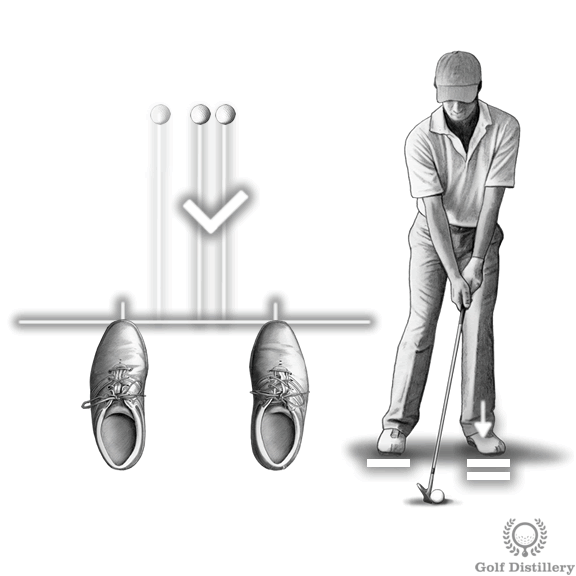
In the setup, your feet should feel balanced. Your stance width depends on the club and your body, but your feet should not fight the sock. A twisted sock can make one foot feel higher or lower than the other.
During the backswing, pressure shifts toward the trail side for many golfers. During the downswing, pressure moves toward the lead side. A sock that slips inside the shoe may make that shift feel less secure.
The same issue can affect chipping, pitching, bunker shots, and putting. Short-game shots require control and balance, even though they use smaller swings.
For beginners
Beginners should focus on comfort and a secure fit. Do not spend practice time adjusting socks between every shot.
A stable base can make it easier to learn grip, stance, posture, tempo, and contact. Socks are a small part of that process, but small distractions add up.
For improving amateurs
Improving players may notice foot pressure more clearly. They may work on ground force, rotation, or a change in tempo. A consistent sock and shoe setup can remove one variable from practice.
Do not blame socks for a slice, hook, thin shot, or shank. A slice often comes from an open clubface and an out-to-in swing path, not from clothing. See a PGA professional for a persistent swing fault.
For seniors and players returning from injury
Comfort and safety come first. Do not use a tighter sock to ignore numbness, swelling, or pain. A sock can reduce friction, but it cannot treat a foot, ankle, back, elbow, or wrist injury.
Warm up with easy movement. Stop if pain changes your motion or continues after play. Seek medical advice for ongoing or sharp pain.
Rules, dress codes, and golf etiquette
Socks rarely create a Rules of Golf issue, but local dress rules can matter. The official rules govern play and equipment, while clubs and events often control clothing standards.

Under the Rules of Golf, equipment must meet the applicable standards. Socks are generally clothing, not a stroke-making device. Still, golfers should check the latest Rules of Golf, local rules, and the committee’s instructions for a specific competition.
A dress code may require a certain sock height, color, or level of coverage. A school team, junior event, private club, or charity tournament may use different standards.
Walking and pace of play
Sock comfort can support pace of play because foot pain may slow you down. Good golf etiquette also includes being ready, keeping up with the group ahead, and limiting time spent searching for lost balls.
If you need to stop for a sock issue, do so safely and avoid delaying other groups. Tell your playing partners if you need a short adjustment.
Course care
Comfortable socks do not excuse poor course behavior. Repair ball marks, replace divots when allowed, rake bunkers, and keep carts away from restricted areas.
Dispose of litter, broken tees, and old balls properly. Avoid walking through areas marked as under repair or wet ground that could suffer damage.
📜 Check the Rules: Dress codes are not the same as the Rules of Golf. For a tournament, verify the current local rules and committee instructions before the first tee.
Pros and cons of common sock choices
Different sock designs solve different problems. The best choice depends on your feet, shoes, weather, and round length.
| Sock choice | Pros | Cons |
|---|---|---|
| No-show | Cool feel and low profile | Can slip or expose the ankle |
| Ankle or quarter | Balanced coverage and comfort | May rub with some shoe collars |
| Crew | More sun, grass, and cold protection | Can feel warm in humid weather |
| Thin sock | Less bulk and good heat control | Less cushion for long walks |
| Medium-cushion sock | More pressure relief | May crowd a snug shoe |
| Wool-blend sock | Warmth and moisture control | May feel too warm for summer |
| Cotton sock | Soft and familiar feel | Holds sweat and dries slowly |
A thin sock is not automatically better for hot weather. A damp thin sock may feel worse than a breathable medium sock.
A crew sock is not automatically more formal or more comfortable. The course dress code and your personal fit should guide the choice.
A simple sock plan for different rounds
A small plan helps you prepare without overthinking clothing. Match the sock to the demands of the day.
| Round type | Suggested approach | Extra check |
|---|---|---|
| Nine holes in dry heat | Light ankle or no-show sock | Check moisture and heel slip |
| Walking 18 holes | Light or medium cushion | Test for hot spots before tee time |
| Cold morning round | Medium-weight crew sock | Avoid crowding the shoe |
| Wet tournament | Secure smooth-fit sock | Pack a dry spare pair |
| Junior practice | Correct-size soft sock | Check for folds after warm-up |
| Hilly links round | Breathable medium cushion | Watch for friction on descents |
These are starting points, not strict rules. Your own foot shape and shoe fit may lead to a different choice.
A golfer with plantar pain may need medical guidance. A golfer with healthy feet may prefer a thinner sock. There is no universal “best golf sock” for every handicap or swing speed.
How to care for golf socks
Clean, dry socks perform more consistently. Care also helps preserve stretch and reduce rough fabric that can irritate the skin.
Wash socks according to their fabric instructions. Avoid harsh treatment that damages elastic fibers. Dry them fully before storing them in your golf bag.
Inspect the heel, toe, and seam. Replace any sock that has a hole, rough edge, stretched cuff, or permanent fold. A small defect can become painful during a long round.
Keep wet socks separate from dry clothing. After a rainy day, air out the golf bag and shoes. Moist storage can create odor and slow drying.
Do not share socks or footwear
This point matters most for families, junior teams, and shared equipment areas. Socks should be personal clothing. Sharing can spread skin infections and does not provide a reliable fit.
Parents should give juniors clean socks for each practice and tournament. Check the child’s feet for redness, blisters, cracks, or swelling.
A practical pre-round foot checklist
Use this checklist before leaving for the course. It suits beginners, improving amateurs, seniors, and junior golfers with a parent or coach.
- Choose a clean, dry pair.
- Match the thickness to the golf shoe.
- Check that the heel stays in place.
- Smooth the sock over the toes and arch.
- Confirm that no seam presses on the skin.
- Walk and make a few slow practice swings.
- Pack a dry spare pair for wet or long rounds.
- Carry water and use sun protection.
- Warm up before full-speed swings.
- Check the weather and lightning risk.
The checklist takes little time. It can prevent a small clothing issue from becoming a major distraction.
When socks are not the real problem
Sometimes the sock gets blamed when the real problem is the shoe, foot, or playing surface. A sock cannot correct a poor fit or an injury.
If your heel slips, check the shoe fit. If your toes feel cramped, check the shoe width and length. If one foot hurts more than the other, the issue may involve foot structure, movement, or an old injury.
Foot pain can also affect your golf swing. You may shift weight away from the painful side, change your posture, shorten the follow-through, or lose balance. That compensation can lead to poor contact and frustration.
Stop playing if you feel sharp pain, numbness, sudden swelling, or loss of strength. See a doctor or qualified health professional when symptoms persist. A PGA professional can help with swing changes, but medical problems need medical care.
FAQs about socks with golf shoes
Q: Can I wear regular athletic socks with golf shoes?
A: Yes, if they fit well, stay dry, and do not bunch. Athletic socks may work for practice or a round. Check the height, cushion, and fabric against the shoe and weather.
Q: Are ankle socks good for golf?
A: Ankle socks can be a good choice for warm weather and low-cut golf shoes. They should stay above the shoe collar and remain secure during walking. They may not suit golfers who need more ankle, grass, or sun coverage.
Q: Are no-show socks suitable for golf shoes?
A: No-show socks can suit warm, dry rounds. The heel must stay in place. If the sock slips below the foot or exposes skin to rubbing, choose an ankle or quarter sock instead.
Q: Should golf socks be thick?
A: Golf socks should not be thick by default. Choose the lightest cushion that gives comfort without crowding the shoe. Medium cushion may suit walkers, while light cushion may suit riders or hot weather.
Q: Are cotton socks bad for golf?
A: Cotton is not always bad, but it can hold sweat and dry slowly. It may suit a short, dry practice session. A moisture-managing blend often suits long or humid rounds better.
Q: What socks should seniors wear for golf?
A: Seniors may prefer socks with a smooth toe seam, secure heel, gentle stretch, and moderate cushion. Avoid tight cuffs if they leave deep marks. Numbness, swelling, and persistent pain need medical advice.
Q: What socks should junior golfers wear?
A: Junior golfers need clean socks in the correct size. Avoid oversized socks that bunch inside the shoe. Parents should check the child’s feet after practice for redness, hot spots, or blisters.
Q: Do women need different socks for golf?
A: Women do not need a separate sock type by rule. The key factors are foot shape, shoe fit, weather, cushion, and comfort. A women’s or unisex sock may work if it fits the player’s foot.
Q: Do men need crew socks for golf?
A: Men do not always need crew socks. Crew height can offer coverage and may meet a club dress code. Ankle or quarter socks can work when the course permits them and the golfer finds them comfortable.
Q: Can socks affect my golf swing?
A: Socks do not correct swing mechanics. They can reduce distractions from slipping, bunching, heat, or rubbing. If your swing fault continues, seek instruction from a PGA professional rather than changing socks alone.
Q: Should I wear two pairs of socks?
A: Usually, two pairs create extra bulk and can crowd the shoe. That may increase pressure and reduce comfort. Use one well-fitting pair unless a medical professional has given you specific advice.
Q: What socks are best for walking 18 holes?
A: Walkers often do well with a secure, breathable sock and light or medium cushioning. Test the pair during a practice walk. Your foot shape and shoe volume matter more than a general label.
Q: Can I wear compression socks while golfing?
A: Some golfers use compression socks for personal or medical reasons. Compression level and safety vary. Ask a qualified health professional if you have circulation problems, swelling, or a medical condition.
Q: Are socks covered by the Rules of Golf?
A: Socks are generally not a major equipment issue under the Rules of Golf. Clubs and competitions may set clothing rules. Check the latest Rules of Golf, local rules, and the committee’s instructions.
Q: How long does it take to know if a sock works?
A: A short walk and practice session can reveal major problems. A full nine-hole round gives more useful feedback. Test new socks before a tournament or important round.
Final thoughts
The best socks to wear with golf shoes are the ones that fit your feet, match your shoe, manage moisture, and stay comfortable for the full round. Start with a secure fit, a smooth toe area, and light or medium cushioning. Then adjust the height and fabric for heat, cold, rain, walking, or dress rules.
Beginners should choose comfort and simplicity. Improving amateurs should use a consistent setup during practice. Seniors should watch for pressure, numbness, and swelling. Parents should check junior fit and skin comfort before and after play.
Your socks are a small part of golf, but they support every walk, stance, swing, chip, bunker shot, and putt. When they work well, they fade into the background and let you focus on the game.